
Cal Fire using artificial intelligence in the battle to quickly detect, fight wildfires
As California braces for wildfires amid more record-breaking heat, state firefighters have deployed a new tool to spot potential fires early: artificial intelligence.
Up until recently, reports of fires in rural or remote areas across the state relied almost entirely on call-in tips from local residents. But with the advent of a new AI fire-detection tool, Cal Fire may soon be able to rely on a surveillance network that is hardwired to spot smoke in the air even when the “human-powered” network is far away or fast asleep.
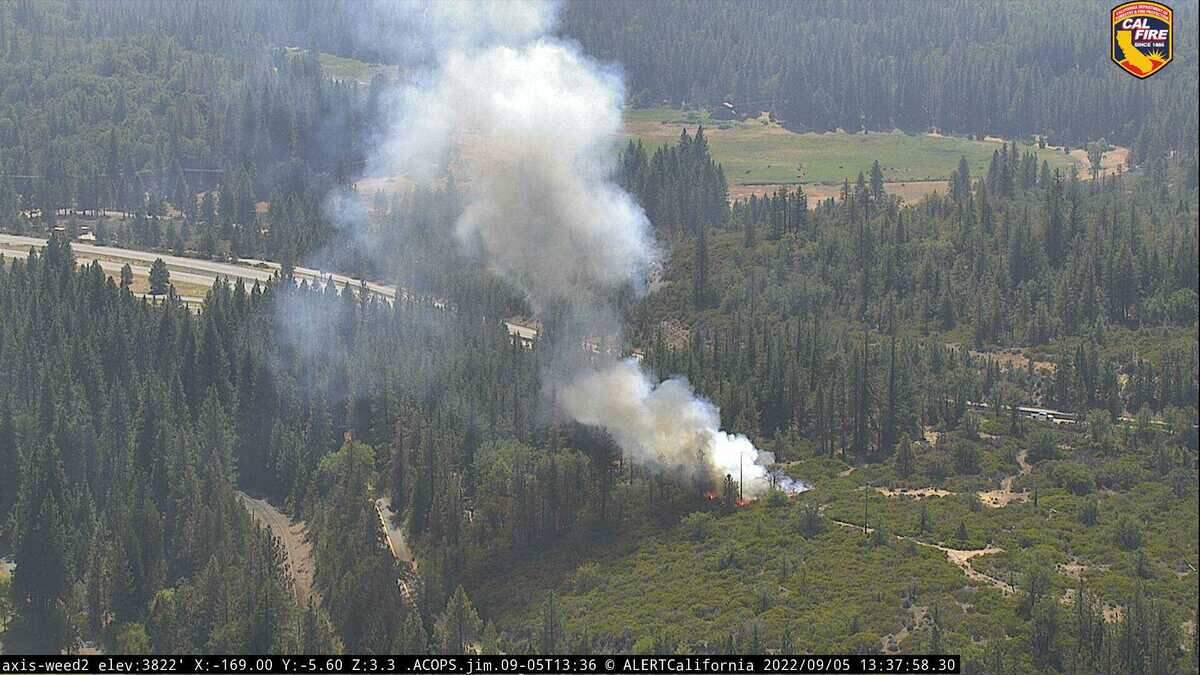
The AI tool, developed in partnership between the California Department of Forestry and Fire Protection and UC San Diego’s AlertCalifornia network, has been trained through a machine learning model to distinguish between smoke and other air particles, such as smog or mist, in real-time video footage.
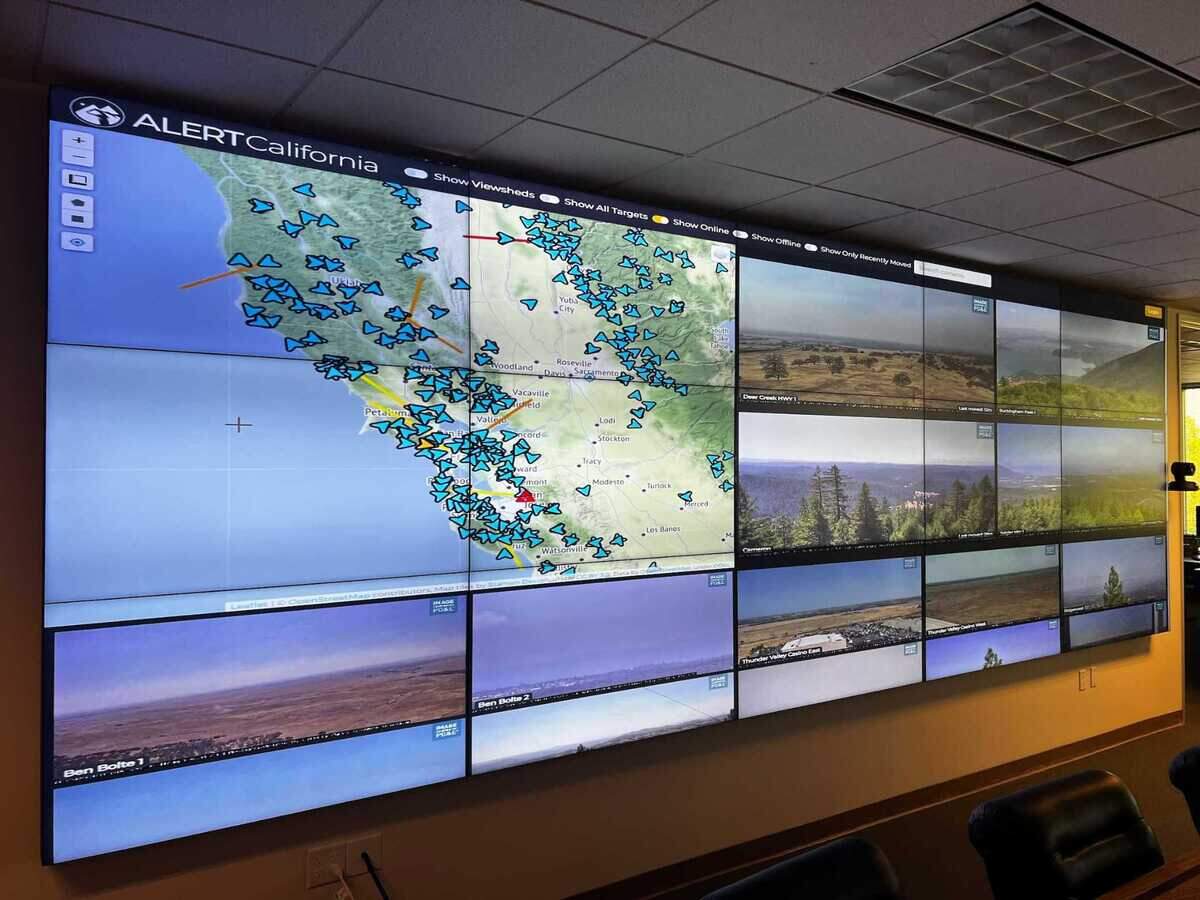
It uses this skill to “identify abnormalities” visible on more than 1,000 high-definition cameras, including 199 that are sponsored by Cal Fire, according to a news release about the technology. It then alerts first responders and regional emergency command centers of those abnormalities so that they can investigate whether the discrepancy is an actual threat.
The camera feeds also continue to be regularly monitored by emergency personnel, as well as utility companies such as PG&E, which has 600 HD cameras covering 90% of its territory’s high-risk fire areas, according to spokesman Paul Moreno.
Issac Sanchez, a battalion chief for Cal Fire, said the department is hopeful that this tool will significantly improve response times to fires.
“Previously, someone had to see a vegetation fire and call 911 — it was all human-based,” Sanchez said. “This meant we had wildly different time frames for response, which could sometimes lead to catastrophic fires. This helps to enhance the human aspect.”
Some features of the camera network, which anyone can view on AlertCalifornia’s website, are:
▪ 1,032 high-definition cameras
▪ Near-infrared night vision
▪ 24 hour surveillance
▪ 360-degree panning capability
▪ 60-mile views on clear days and 120-mile views on clear nights
The AI detection system works alongside other relatively new technologies that can predict the direction that wildfires will move in using data on topography and wind speed — part of the state fire service’s goal to work toward a future system where “advanced technologies” are deeply entrenched in the process of fighting wildfires.
Cal Fire has provided more than $20 million of funding for the program over the past four years, according to a news release, and has committed to providing at least $3.5 million more in the future.
This trial is a test run not just for this specific tool, the release said, but also for the idea of leveraging more AI technologies for crews’ wildfire response.
“(This trial) aims to unlock the immense potential of AI technology in wildfire prevention, detection and response,” according to Cal Fire officials. “We have the opportunity to revolutionize our firefighting strategies by analyzing vast amounts of data, predicting fire behavior and providing real-time insights to firefighters on the ground.”
Sanchez said that should the trial prove successful in the six Cal Fire units that are focus areas — San Bernadino (BDU), Sonoma-Lake-Napa (LNU), Madera-Mariposa-Merced (MMU), Nevada-Yuba-Placer (NEU), Shasta-Trinity (SHU) and San Luis Obispo (SLU) — they hope the tool will branch out to other parts of the state and eventually the nation.
“It has to start somewhere,” Sanchez said. “And this is a great place to start, because it’s not a secret that California’s fire history is significant.”
This story was originally published July 20, 2023 at 12:22 PM.