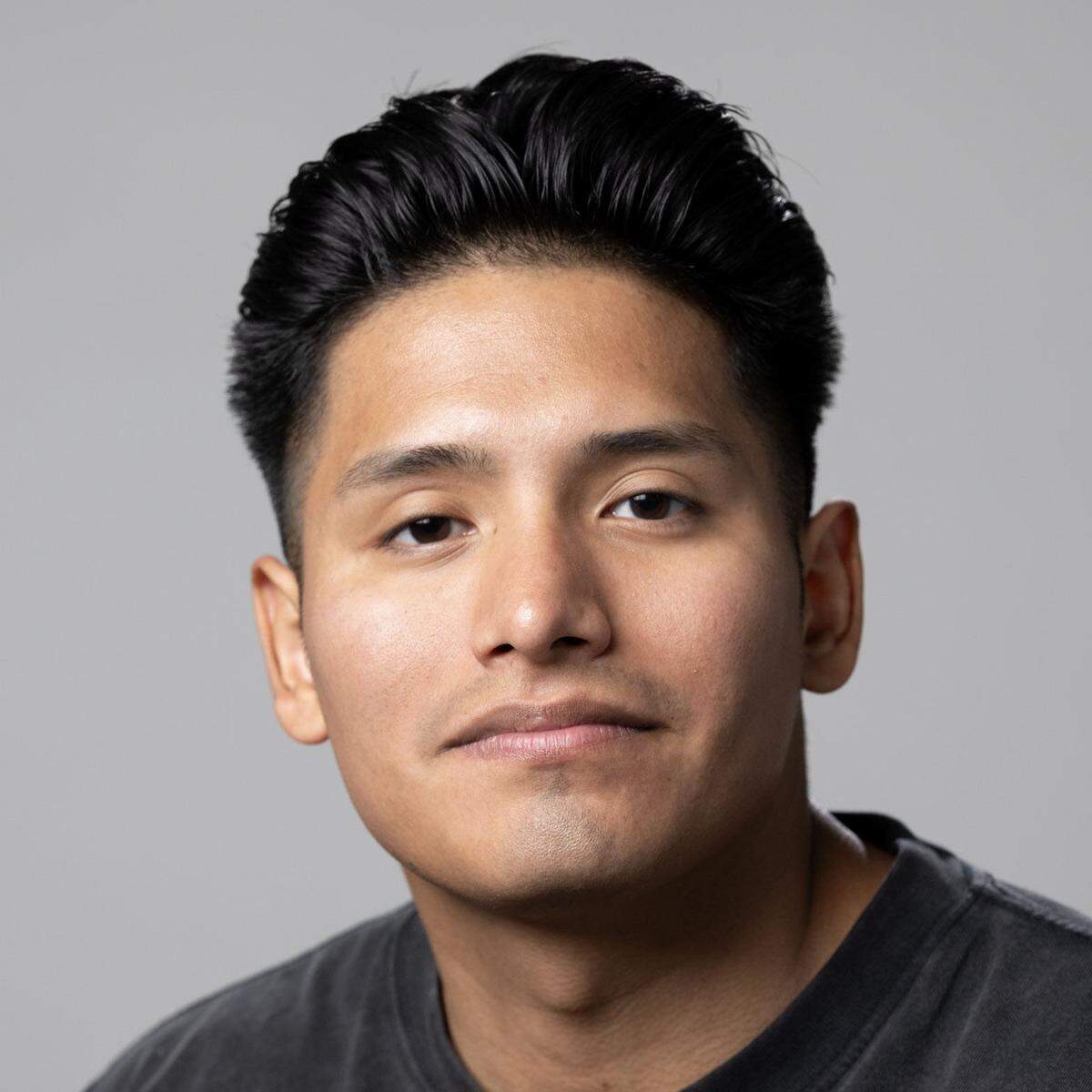
Sacramento State student is halfway to his master’s degree. He’s still working in the fields
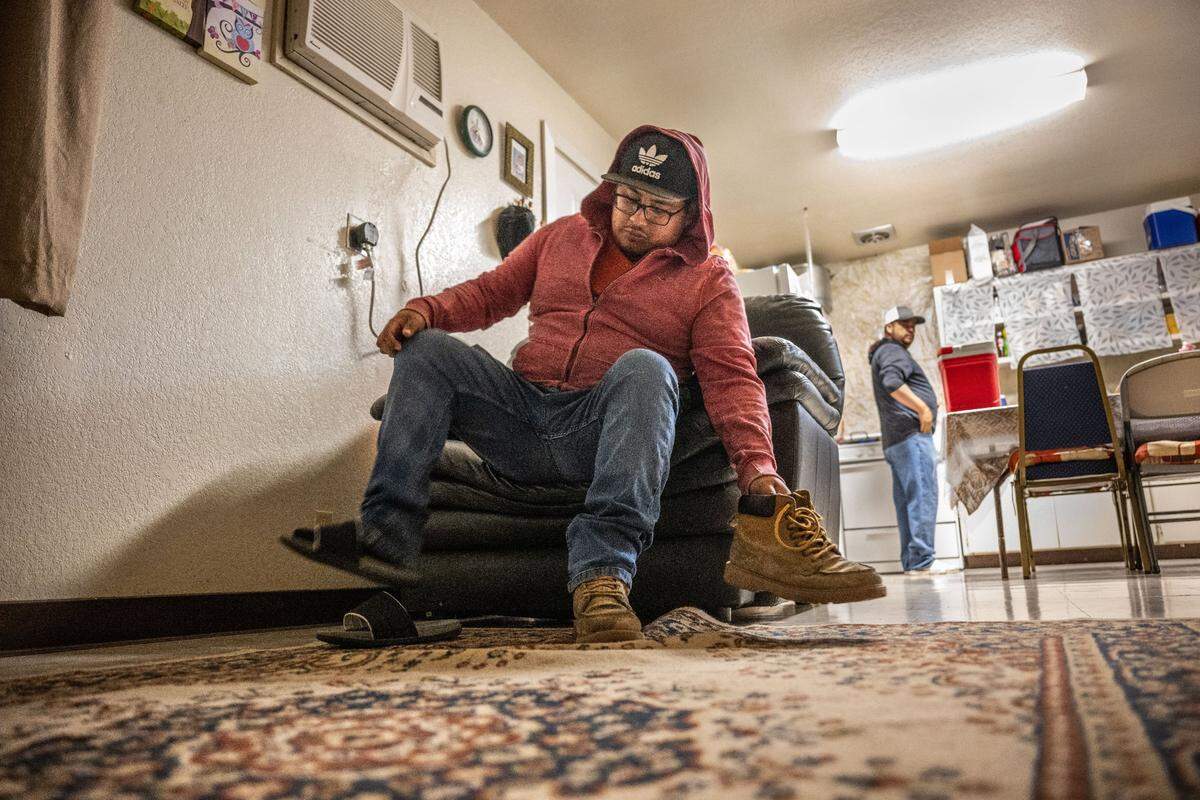
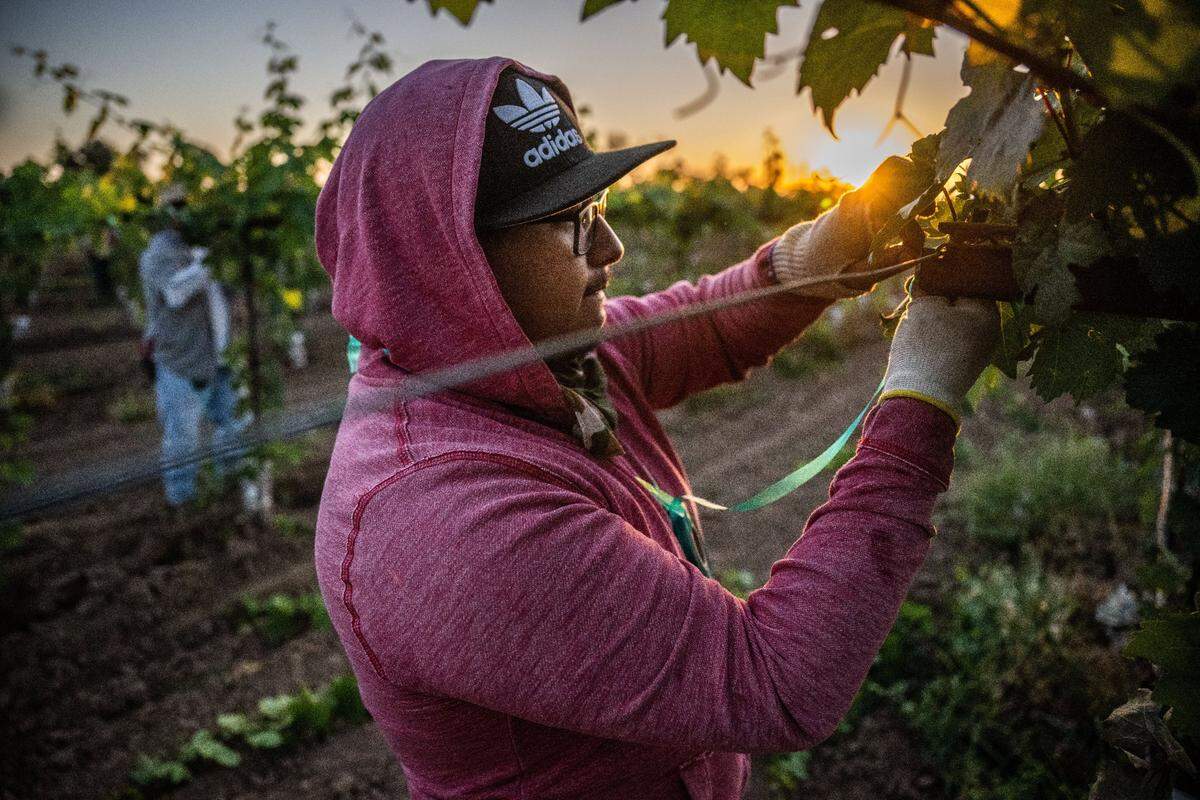
Near 4 a.m. at the Harney Lane Migrant Center, Carlos Alfonso Perez and his family woke up for another day of laboring in a Lodi, California grape field.
He was careful to not wake his youngest sibling, Julian, while making the bed in their shared room. Julian, 11, is spared from joining his older brother and parents.
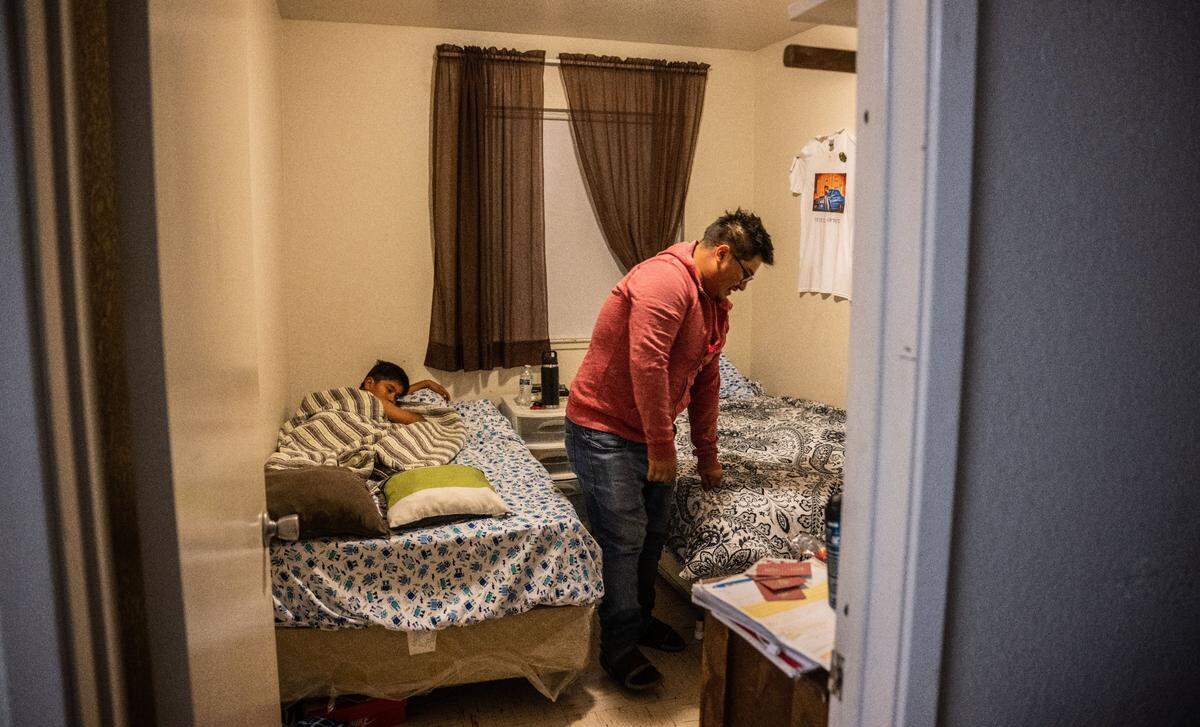
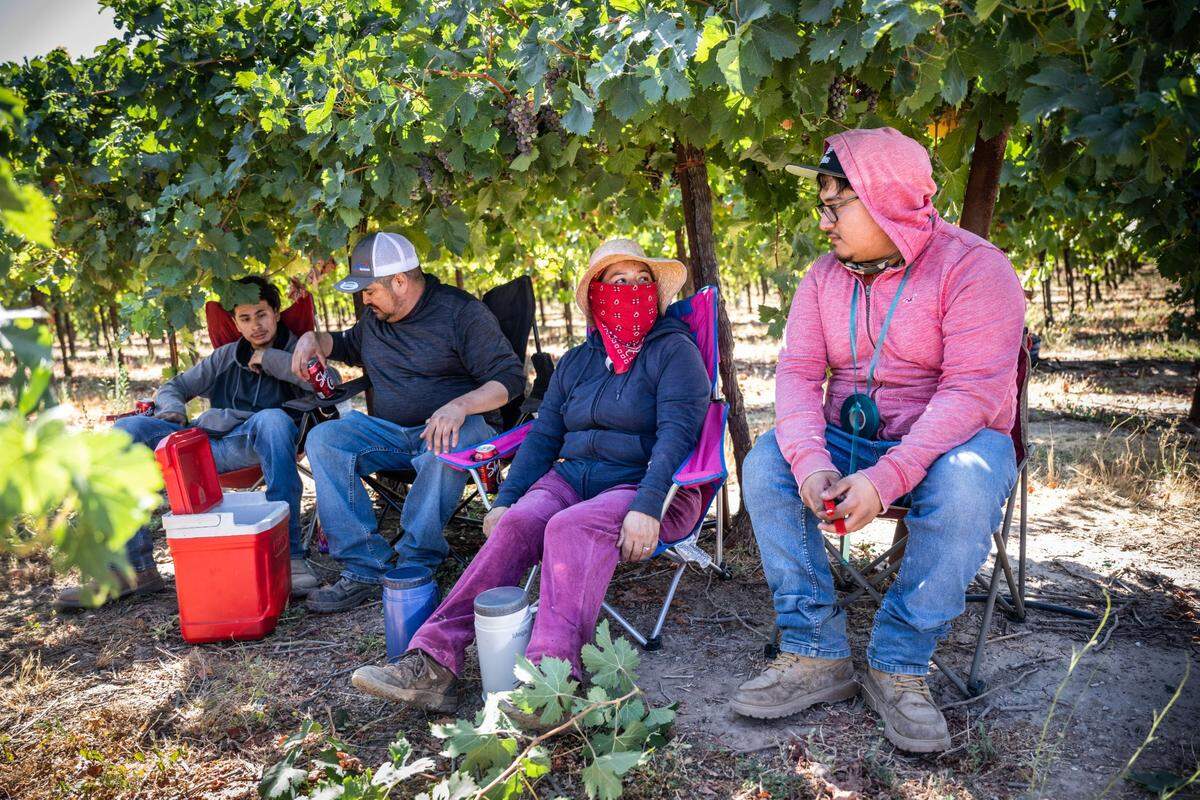
In the kitchen, Alfonso Perez’s father, Carlos Santiago Perez, assembled burritos made with leftovers for the day’s lunch. Nearby, his mother was arming herself with a long-sleeve, hat and bandana to protect from the blistering heat.
It’s a routine the family has been doing for years. Alfonso Perez, 23, is a third-generation farmworker, living in the same center as his grandfather did for 26 years.
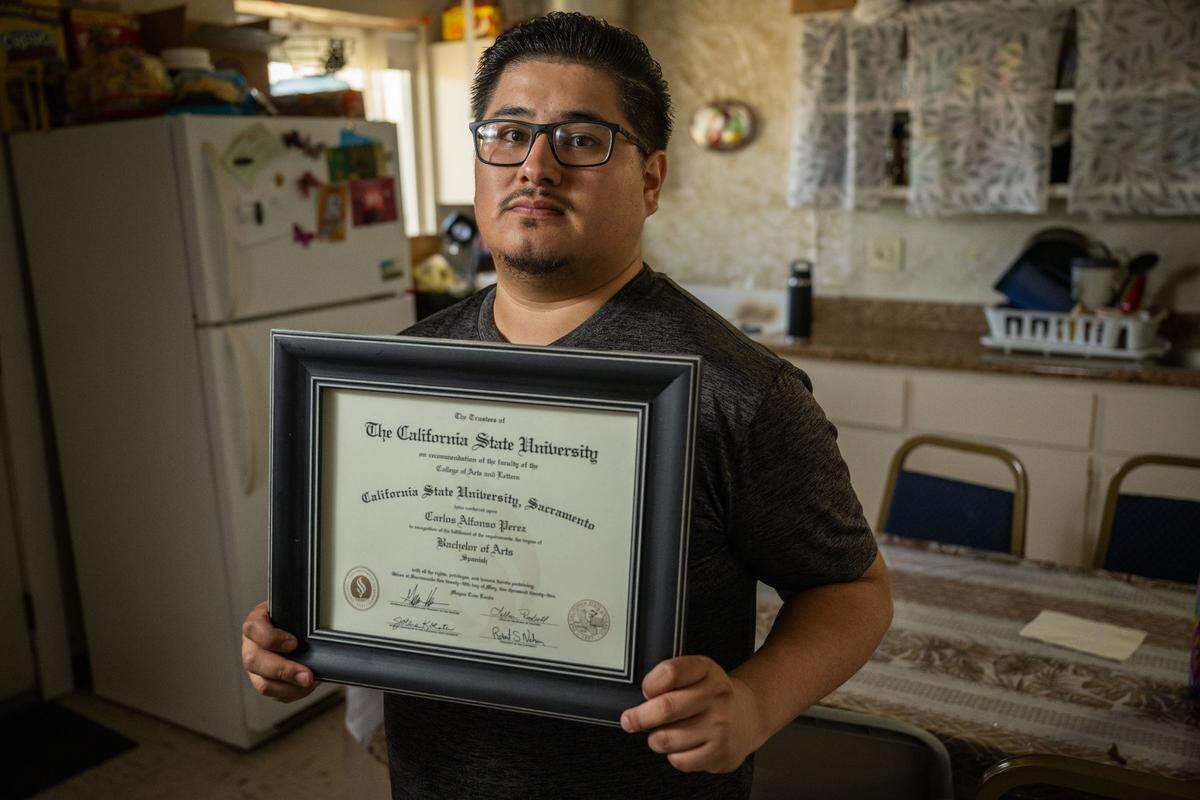
Yet, he owns something no one in the family ever has: a diploma from Sacramento State displayed proudly in the living room of their modest and seasonal home.
In 2022, Alfonso Perez graduated with a bachelor’s degree in Spanish. He is now midway through his two-year graduate program at Sacramento State, with goals of one day teaching at a university.
As the son of migrant farmworkers, Alfonso Perez has overcome long odds. The children of these farmworkers, who travel seasonally for work, have some of the nation’s highest dropout rates, with 45 to 60% quitting high school.
Today, Alfonso Perez is even more of a rarity by continuing to head out to fields with his family. An estimated 1% of farmworkers possess a college degree.
“I have heard of students doing it during the summer,” said Erik Ramirez, director of Equity and Affinity Centers at Sacramento State. “But this is the first time I’ve heard of a student doing it after they complete their bachelor’s degree.”
Alfonso Perez knows his time in the fields will soon end. Until then, it’s a reminder of his roots and an opportunity to reflect on what it’s taken to reach this point.
“My grandpa, my dad, that’s the route they took,” Alfonso Perez said. “That’s where I come from. The fields were the main source of food on the table.”
Moving between two countries
Alfonso Perez’s life has always centered around the fields, even before he was born.
“My mom says that when she was pregnant with me, she would be dreaming that she was picking cherries and that her stomach would be the bucket where you put the cherries,” Alfonso Perez said.
He was born in San Joaquin County, at a time when his father worked two jobs. The family saved up enough money to buy a home in Lodi.
But then, they were hit with the financial crisis of 2008. Santiago Perez lost his main income job, and eventually their home. They were forced to move into a small trailer for about six months.
“I was pretty upset, but I didn’t really understand what was happening,” Alfonso Perez said.
Without many options, the family moved back to their hometown of Tacícuaro, Mexico. Alfonso Perez initially struggled to adjust to his new environment, but soon appreciated the opportunities to better understand his parent’s origins.
“That’s where I started to gather up and reconnect with my roots,” he said.
The family would spend the next four years primarily living in Mexico, soon growing to a family of six — three boys and one girl. Yet, Alfonso Perez, the oldest, was the only one who could speak English fluently.
Santiago Perez began worrying about the futures of his children.
“My wife and I realized we were making a mistake because when they get older, they’re going to go back to the U.S. and end up in the fields,” Santiago Perez said.
Farmworkers tend to have low levels of formal education. About 74% do not complete high school, and 93% have at most a high school diploma or equivalent, according to a 2022 report from the Public Policy Institute of California.
With that in mind, the family decided to move back to Lodi. Santiago Perez and his wife began working in the fields again, with the hope that their children would benefit from an American education.
Discovering the value of education
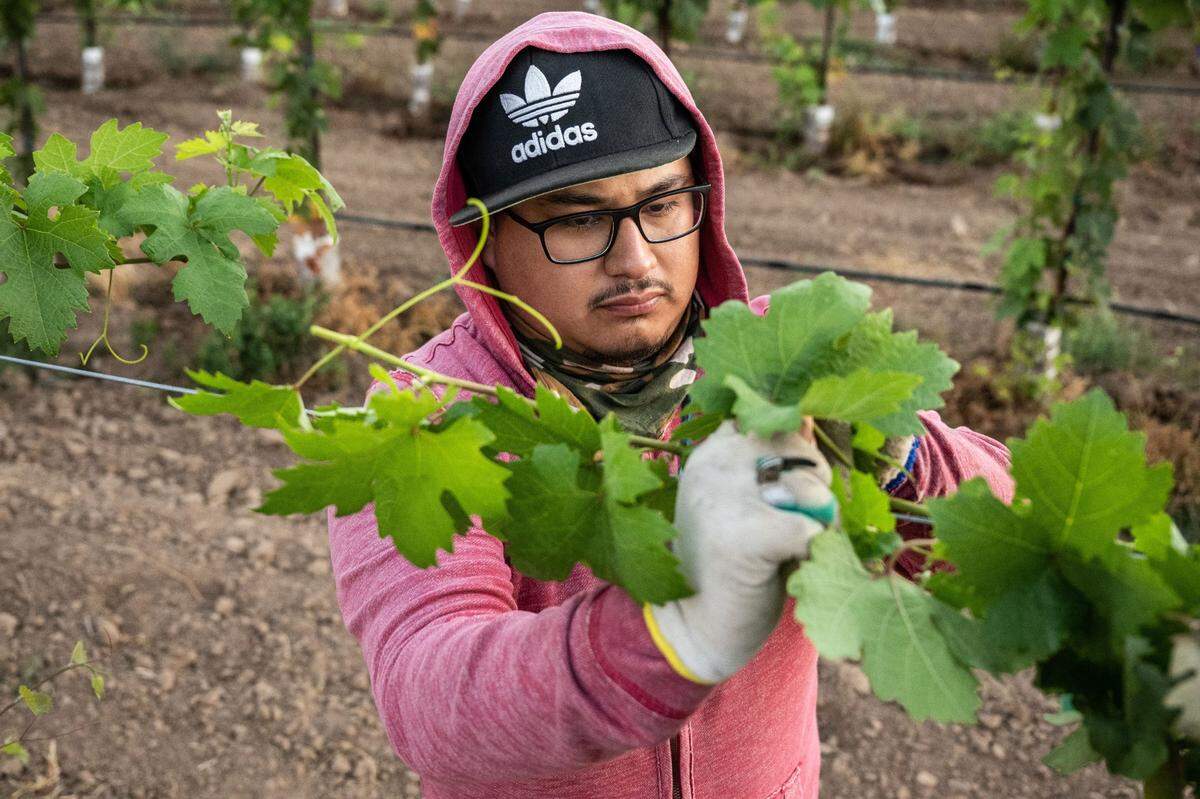
Alfonso Perez began working in the fields when he was 16, with permission from Ronald E. McNair High School. The purpose was to teach him to value education and what it could do for his future, said Santiago Perez.
“(Farmwork is) one of the jobs that pay the least and is the most work,” Santiago Perez said. “We wanted him to realize that by studying, he would go farther than us.”
That meant juggling school and work, and almost no time off. Alfonso Perez worked on the weekends and during winter, spring and summer breaks. During certain times, like cherry picking season, he would head off to work immediately after school.
Around the time he started working in the fields, Alfonso Perez began to heed his father’s advice and take school seriously. He also realized his affinity for the Spanish language and culture.
He continued the work in the fields through college, first at San Joaquin Delta College and then Sacramento State.
Ramirez and two other Sacramento State administrators interviewed by The Bee said it is common for students who are still pursuing their undergraduate degree to return to work in the fields throughout their school breaks.
“That’s often where their experiences are, and sometimes they actually make more money going that route than going to work at a coffee shop,” Ramirez said.
But, after earning the degree is a different story.
None of the three administrators — who all primarily work with Latino and migrant farmworker students — said they had ever heard of a student continuing to do farmwork after finishing their bachelor’s.
Alfonso Perez acknowledges his decision is uncommon. For now, he’s fine with that. He’s hoping to inspire his younger siblings and all those children of migrant farmworker families.
“We have this saying in Spanish,” Alfonso Perez said. “Tener los pies bajo la tierra, having our feet in the dirt, so we remember where we came from. That’s where I started. It’s not going where I’m going to end, but every now and then when I can, I like to work there so I can remind myself of the sacrifices my parents made for me, the sacrifices I made for myself and to appreciate the opportunities I’ve had.”
This story was originally published October 2, 2023 at 5:00 AM.