
California will ban controversial red dye. Here’s when — and 6 Halloween treats that have it
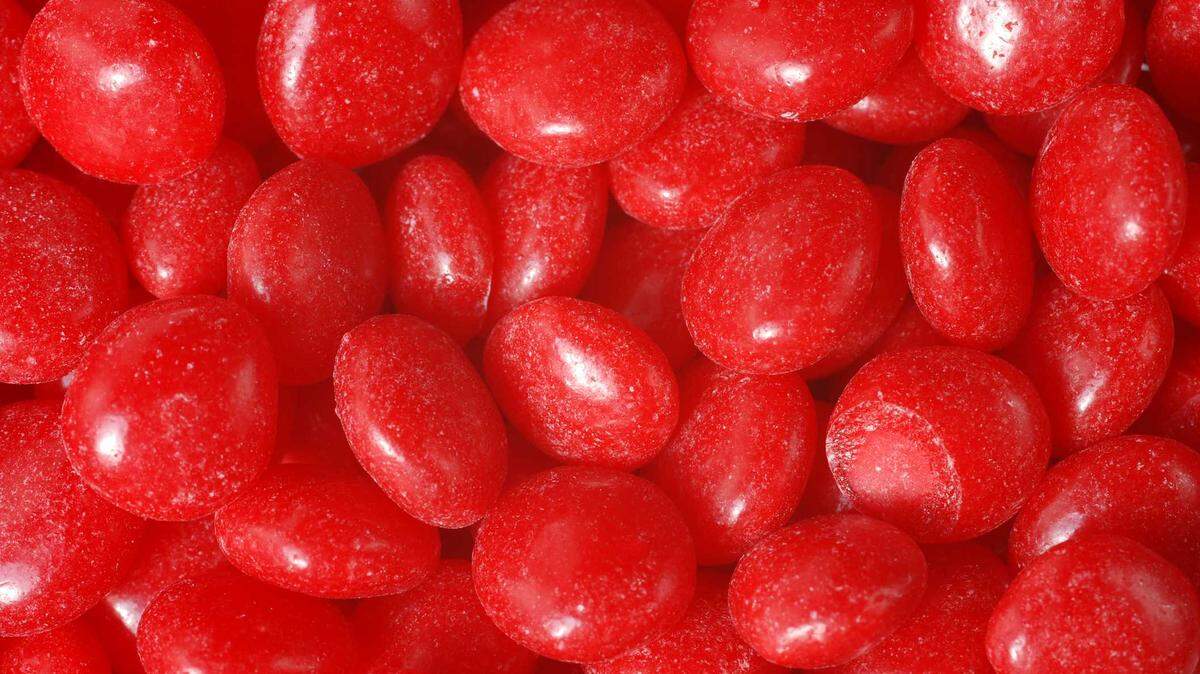
Gov. Gavin Newsom signed a bill this month that will prohibit products containing Red Dye No. 3 from being sold in California
Assembly Bill 418 doesn’t go into effect until January 2027.
Here are are seven treats that contain Red Dye No. 3:
Halloween candy with Red Dye No. 3
A Sacramento Bee reporter referenced ingredient lists and company websites to confirm the following candies contain Red Dye No. 3.
- Candy corn
- Pez, multiple flavors
- Fruit by the Foot, certain flavors
- Ringpops, strawberry
- Dubble Bubble Original 1928 Flavor
- Peeps, certain colors
When does red dye ban take effect in California?
After Jan. 1, 2027 the red dye will be “prohibited” from being sold in California in any food or candy products, according to an Oct. 7 letter from the governor’s office.
The synthetic dye has been linked to cancer and was banned from cosmetic products in 1990 by the U.S. Food and Drug administration, according to a petition from the Center for Science in the Public Interest, a food and healthcare watchdog group.
Does this mean I will never be able to buy these candies again?
No, it doesn’t mean that. The onus is on manufacturers to switch to cleaner ingredients in order to sell their products in California.
Not only will red dye 3 be banned as an ingredient in products, but so will brominated vegetable oil, potassium bromate and propylparaben.
If manufacturers violate the ban on ingredients in their products they will be fined. The first violation will be penalized with a fine of up to $5,000, any violation after that can be fined up to $10,000, according to AB 418.