
Drug charge against Sacramento consultant tossed after ‘clerical error’ delays case
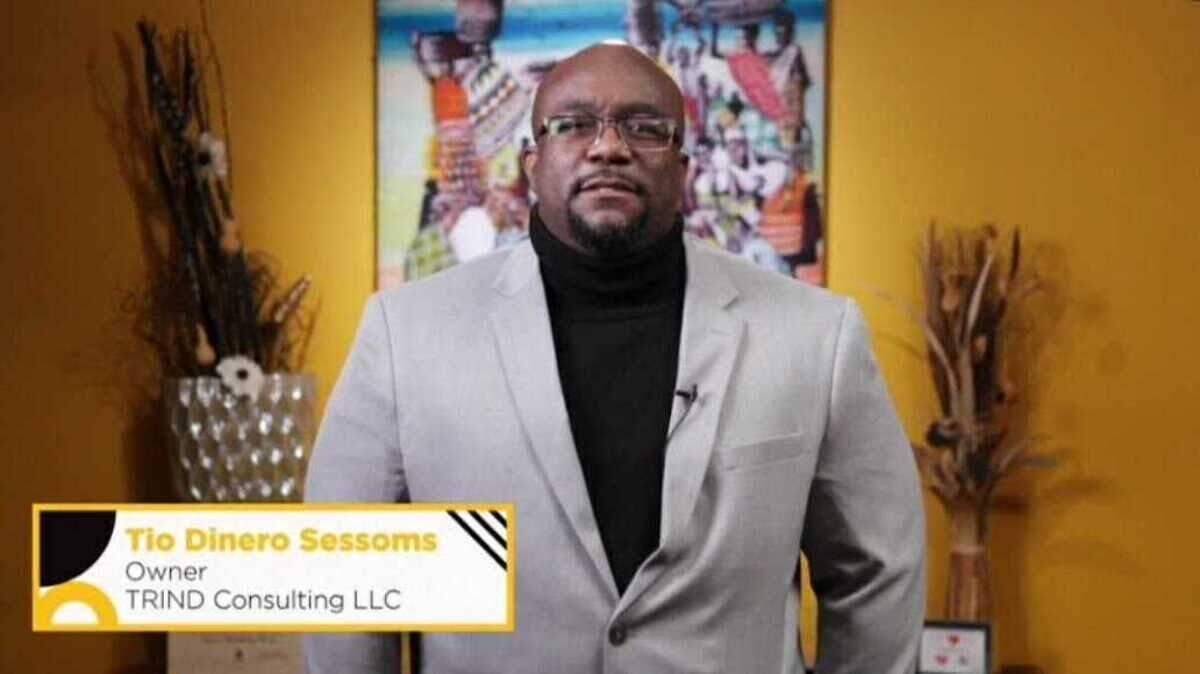
Tio Dinero Sessoms was arrested in Pennsylvania back in September and charged with selling fentanyl to an undercover agent and through the mail, including one deal that went down inside the luxury Kimpton Sawyer Hotel in downtown Sacramento, court papers say.
The 43-year-old Sacramento man, who held himself out as a mentor after his 1999 conviction in the slaying of a minister was overturned, was taken into custody in Pittsburgh after a high-speed chase during which he destroyed evidence and fled on foot, court records say.
And when law enforcement searched his Sacramento-area home, officials found methamphetamine, a handgun, a rifle with no serial number and an AR-15-style weapon that also had no serial number, court papers say.
But on Wednesday, more than 80 days after his arrest, a federal judge in Sacramento ordered Sessoms released from the Sacramento County Jail and the drug charge against him dropped because the government missed a deadline to indict him, apparently because he was stuck in transit between Pennsylvania and Sacramento, court records say.
“The government has not adequately explained why the delay in Sessoms’ transportation caused the government to fail to file any information or indictment,” Senior U.S. District Judge John A. Mendez wrote in a three-page order. “The court does not find the delay in filing reasonable.”
Mendez ordered the “immediate release” of Sessoms and dismissed the case against him without prejudice, meaning prosecutors can still pursue charges.
Jail records show Sessoms was released Wednesday afternoon.
U.S. Attorney Phil Talbert’s office had no comment Wednesday on the judge’s order or whether prosecutors would seek to file new charges.
The judge’s order is a victory for Sessoms’ lawyer, Assistant Federal Defender Rachelle Barbour, who argued in court papers that Sessoms, who originally was named in a criminal complaint filed in Sacramento on Sept. 14, had to be indicted or charged by information within 30 days but was not.
Assistant U.S. Attorney Alexis Klein wrote in a court filing that Sessoms’ delayed arrival in Sacramento to face charges was the result “of some kind of clerical error” by officials in the Western District of Pennsylvania court that failed to alert the U.S. Marshals Service that Sessoms needed to be transferred to California.
“Specifically, that court did not notify the USMS in the WDPA of its order committing the defendant to this district,” Klein wrote. “Mid-November, the USMS in the WDPA was alerted to the order by the defendant’s appointed attorney there from the federal defender’s office.
“After that, removal proceedings were initiated. Our district’s USMS was notified on November 20 of this issue, and defendant was then transported here. Defendant made his initial appearance on December 1.”
Klein also argued that if the case was dismissed the judge should do so “without prejudice” and allow new charges to be filed because of the serious nature of the case.
“First, the offense in this case is serious, carries a 10-year mandatory minimum, and the factors surrounding defendant’s crime also demonstrate the seriousness and dangerousness of defendant’s crime,” Klein wrote. “Next, the circumstances surrounding the delay in this case, leading to the argument for dismissal, are the result of a court, clerical error, not any sanctionable government conduct.”
But Barbour argued that the government failed to adhere to the requirements of the federal Speedy Trial Act and that Sessoms never agreed to waive time and allow his case to be delayed.
Instead, Sessoms filed his own motion in Pennsylvania seeking his release Oct. 26. That motion was denied Nov. 6 because it was not filed by his attorney, Barbour wrote.
His attorney filed a motion Nov. 27 in Pennsylvania seeking his release and the dismissal of the charges because of the missed deadlines, but Sessoms remained in custody and ended up being “detained in various facilities” as the clock ticked on his case, court records say.
In fact, Barbour wrote, Sessoms was housed in five different facilities, bouncing between jails in Pennsylvania and Ohio before he ended up being transported to Sacramento and booked into the Main Jail at 5:35 a.m. on Dec. 1.
Because transferring defendants across the country can be complicated, delays of up to 10 days may be allowed, but Barbour argued that Sessoms was held for much longer than that.
“It has been far more than ten days since Mr. Sessoms’ appearance and the order of removal and transportation,” she wrote. “No indictment has issued.
“The additional time is ‘presumed to be unreasonable.’ The complaint must be dismissed.”
The judge agreed.
This is not Sessoms’ first go-round with the criminal justice system.
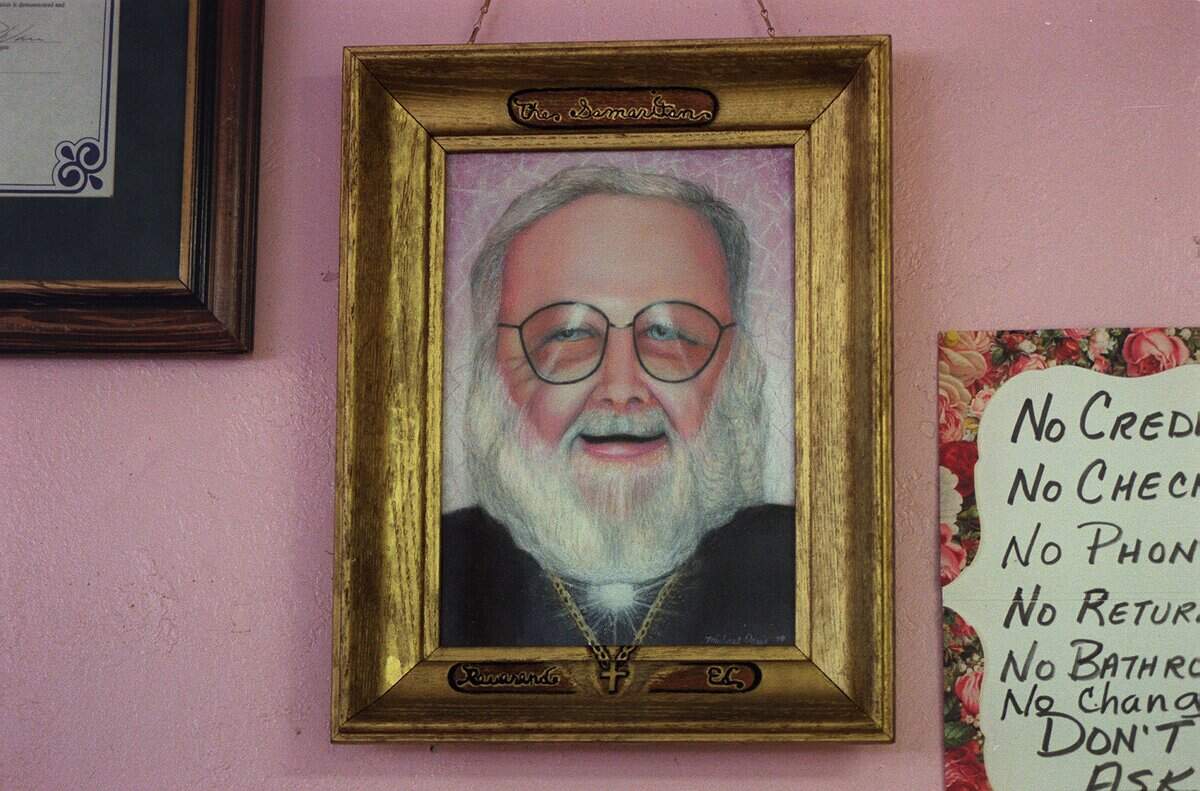
He was one of three men convicted in the 1999 murder of Sacramento minister and gay rights activist Edward R. Sherriff, who was found dead in his mobile home on Elder Creek Road. The minister had been bound with rope and telephone cord and stabbed 24 times.
But Sessoms’ conviction was overturned on appeal because after Sessoms was arrested and asked for an attorney a Sacramento police detective “convinced Sessoms that a lawyer would simply get in the way,” an appellate opinion said.
Sessoms’ conviction was vacated and in 2017 he pleaded guilty to voluntary manslaughter and first-degree burglary, court records say. He later was arrested in 2020 for a parole violation, court records say.
Sessoms also received a $25,000 settlement from the city of Sacramento in 2019 after he filed a handwritten civil rights lawsuit against the city from jail over the way police handled his interrogation, city and court records show.
Until his latest arrest, Sessoms had been running an H Street consulting business and wrote that he wanted to be a “force for change.”
“I want to be the resource that I wished I would of had, for those that need help understanding and making their way through this system,” he wrote on his LinkedIn page.