Spike in mosquito activity continues in the Sacramento area as ‘aggressive’ bugs look to bite
The storms that created havoc and destruction in the Sacramento area over the past week with howling wind and flooding rain were supposed to slow a surge in mosquito activity as unusually warm weather brought out the pesky bugs from hibernation.
But the increase in reported mosquito activity continued into the first week of February, even as the storms drenched the capital region with cold rain.
And those tasked with monitoring mosquito activity are warning residents to drain any potential mosquito breeding grounds before warmer, drier weather returns to Northern California.
The Sacramento-Yolo Mosquito and Vector Control District in January received 142 requests for service as residents reported mosquito activity. In January 2023, the district only received 20 service requests, said Luz Maria Robles, a district spokeswoman.
She said the weather played a significant role in the mosquito activity increase, since Northern California experienced record precipitation during the winter season last year. That kept mosquitoes relatively dormant and people indoors to avoid the cold weather.
Warmer winter weather this year, before the powerful storms moved into Northern California last week, brought mosquitoes out of hibernation. There also were more people spending time outdoors enjoying the warmer weather, so they noticed the mosquitoes.
The bugs came out behaving “very aggressive” and biting people, the district spokeswoman said.
“They were looking for that first blood meal to kick off the season,” Robles told The Sacramento Bee.
Fortunately, these aggressive mosquitoes are not the same species that carry the West Nile virus, which can be deadly to humans who are infected with the disease. District officials said the mosquitoes seen this winter are considered a seasonal nuisance.
“This is a typical trend that we see every year when we get a few days of sunny and warm weather,” Gary Goodman, the Sacramento-Yolo district’s manager, said in a news release last week.
District crews had been looking for and inspecting areas where these mosquitoes can breed. Goodman last week was hopeful forecast rain would slow the winter’s mosquito surge.
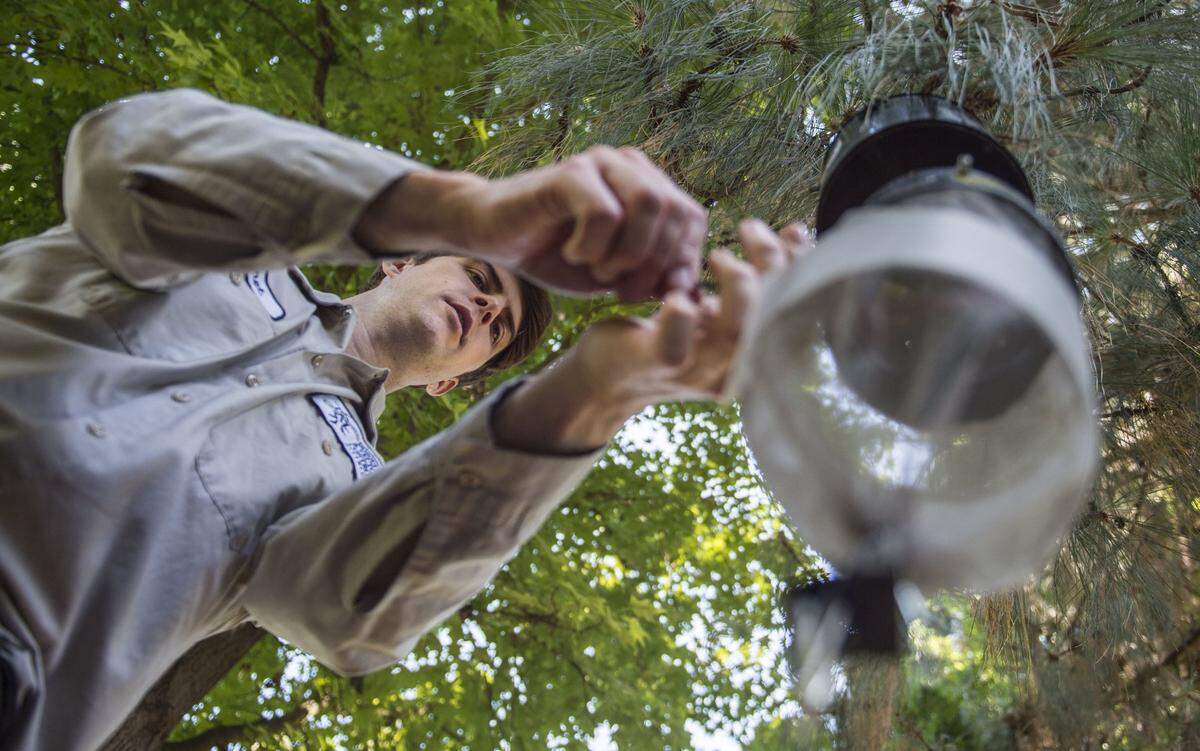
But the district, in the first week of February, received 28 service requests for reported mosquito activity. Robles said the district only received five service requests during the same week last year and 17 in the first week of February 2022.
Robles urged residents to “drain after the rain” any pools of water that can become potential breeding grounds before warm weather returns and the mosquito season kicks into full swing.
“Don’t give mosquitoes a head start,” Robles said.
The Placer Mosquito and Vector Control District also had an increased number of service requests reporting mosquito activity: more than 60 in the last week of January alone.
The Placer district officials were seeing same type of aggressive bugs, known as Anopheles mosquitoes or rice field mosquitoes, which typically use standing water in rural areas in the summer and fall to develop into adults. Then, the female adult mosquitoes overwinter in vegetation or around structures, district officials said.
A female Anopheles mosquito can travel many miles from where it develops to where it chooses to overwinter, according to the Placer district. When daytime temperatures increase into the 60s, these mosquitoes awaken and look to bite to prepare to lay eggs later in the spring.
District officials warned these type of mosquitoes can try to get into homes, so they urged residents to check holes in window screens and door screens and keep doors closed as much as possible.
“These mosquitoes are aggressive biters and hungry for a blood meal after overwintering,” Placer district officials said in a news release last week. “When the weather is cold again, the Anopheles mosquitoes will become dormant again until the next time it is warm.”