
When will the pollen stop in Sacramento? Here’s what to know about allergy season
When will the pollen finally stop in Sacramento?
With spring in full swing, seasonal allergies are on the rise in the region.
Pollen.com, a pollen index website, is forecasting levels in the Sacramento area at high and medium-high over the next five days.
Pollen levels range from zero (low) to 12 (high).
Sacramento was at 1.9 on Friday, a low level on the pollen index.
On Saturday, the pollen index will spike to a 8.1, and Sunday’s pollen index will be at a 7.9.
Monday and Tuesday are expected to hit 10.4 on the pollen index.
Where is the pollen coming from?
Each year, “plants release tiny pollen grains to fertilize other plants of the same species,” according to the Asthma and Allergy Foundation of America.
Trees, grasses and weeds produce the most pollen, according to the foundation.
In Sacramento, the top allergens are oak, elder and juniper trees, according to Pollen.com.
When do plants pollinate?
In the United States, there are three key pollination periods that determine when you experience seasonal allergy symptoms, according to the Asthma and Allergy Foundation of America.
Tree pollination starts in February and goes through May, the foundation said.
Grass pollinates from April through June, and weeds pollinate July through November.
That means there are just two months — January and December — when pollen isn’t flying through the air.
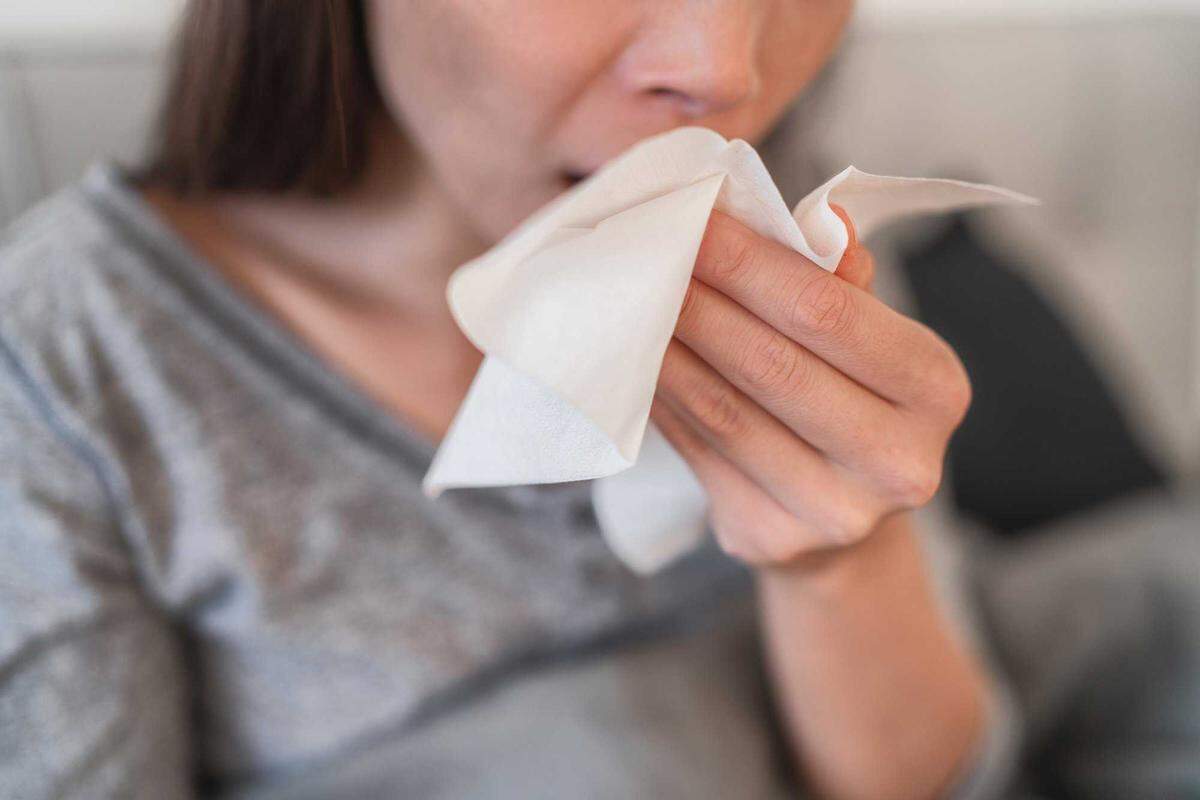
Which factors that make the effects of pollen worse?
A shift in weather can contribute to how severe allergy season can be for some.
Wind and rain can make allergy season worse, Dr. NaYoung Kim, the chief of allergy and immunology for Kaiser Permanente Sacramento and Roseville, told The Sacramento Bee in March.
Rain is “fantastic for (getting) things to bloom and we need it so much,” Kim said, “but when that happens ... things grow really well.”
“When it warms up and gets really windy, that pollen gets blown everywhere,” she added. “That’s probably why allergy sufferers are feeling it.”
Here are other factors that can make the effects of pollen worse for some:
- Tree, grass and ragweed pollen tend to increase during cool nights and warm days.
- Mold can grow much more quickly during periods of higher temperatures and high humidity.
- Pollen levels tend to peak during the morning.
- On rainy days, pollen can be washed away, but pollen counts can become much higher once the rain is over.
- Pollen counts can surge on windy, warm days.
What’s the best way to treat seasonal allergies?
If you’re experience watery eyes or an itchy throat due to seasonal allergies, there are some strategies you can use to help mitigate the severity of your allergies.
Below are some tips from the Asthma and Allergy Foundation to help prevent an allergic reaction to pollen:
- If possible, begin taking allergy medicine before pollen season begins.
- Limit your outdoor activity on days when pollen count is high. If you go outside, wear sunglasses and cover your hair.
- Keep your windows closed during pollen season or peak pollen hours, and instead use central air conditioning.
- Shower daily before getting into bed and wash your bed sheets frequently.
This story was originally published April 5, 2024 at 1:54 PM.