
What time is the solar eclipse? How do I keep my eyes safe? Your Sacramento guide
A partial solar eclipse will cast its shadow over Sacramento on Monday morning.
Before you head out to experience the rare celestial event, here’s what to know:
What is a solar eclipse?
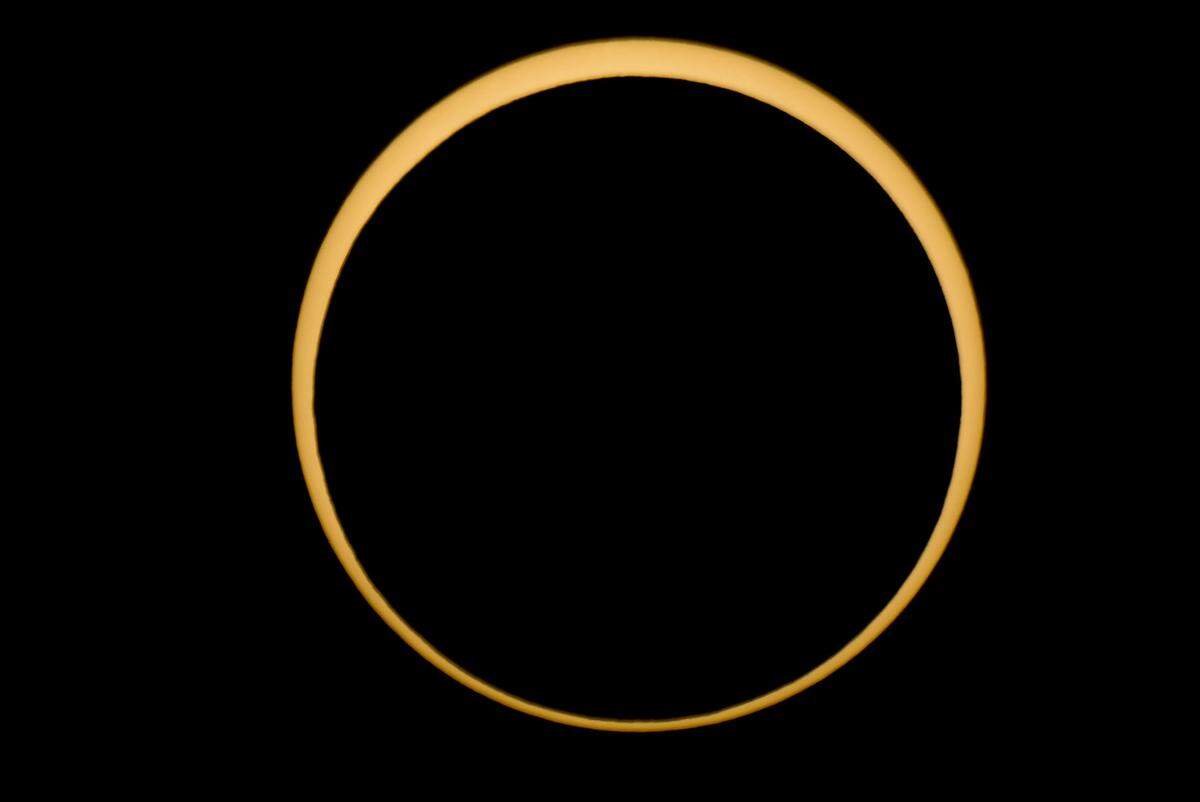
According to NASA, a total solar eclipse occurs when the moon passes in between the sun and Earth, blocking the face of the sun.
For places in the path of totality where the total solar eclipse can be fully seen, the sky will darken in the middle of the day and it’ll look like it’s dusk or very early dawn outside.
\
When will the eclipse happen?
Mexico’s Pacific Coast will be the first location in North America to see a total solar eclipse, at 11 a.m. Monday.
Afterwards, the path of totality — or when the moon full covers the sun — will sweep into the United states, traveling through Oklahoma, Arkansas, Missouri, Illinois, Kentucky, Indiana, Ohio, Pennsylvania, New York, Vermont, New Hampshire, and Maine.
The eclipse will end in Newfoundland, Canada, at 5:16 p.m. local time — or 12:46 p.m. Pacific Time.
Although parts of the country will see a full solar eclipse, California will only get a glimpse of it.
READ MORE:
What’s the best time to watch the eclipse in Sacramento?
Generally, the partial eclipse will start at around 10:30 a.m. and lasts until noon, depending on where you are in California.
According to NationalEclipse.com, San Diego may see 53.9% of the eclipse as it sweeps northward, while Los Angeles may see 48.9% of the eclipse.
“(Sacramento) can only expect about 35% coverage of the sun, even at the peak,” said Kyle Watters, a professor of physics and astronomy at Sacramento State.
Watters said the moon will cover a sliver of the sun at around 10:15 a.m. and will reach its maximum coverage around 11:15 a.m. It’ll leave the sun and end the partial eclipse around 12:15 p.m.
“It’s going to be our last chance to see a solar eclipse from here in Sacramento for quite a while,” Watters said.
READ MORE:
How can I watch the eclipse safely?
Even with the moon partially covering the sun, it is never safe to look at the sun without protection.
“Before and after totality, the only safe way to look directly at the uneclipsed or partially eclipsed Sun is through special-purpose solar filters, such as ‘eclipse glasses’ or hand-held solar viewers,” the National Solar Observatory said on its website.
NASA advises that you should inspect your eclipse glasses or viewers before putting them to use. If they’re damaged, torn or scratched, toss them away.
If you don’t have eclipse glasses, you can still experience the eclipse by taking a colander or strainer with holes and hold it up to the sky.
This will cast shadows of the eclipse, revealing a “Pac-Man”-style shape.
READ MORE:
Where are local eclipse viewing events?
The Davis Astronomy Club will be hosting a free viewing of the eclipse on Monday at Mace Ranch Park, 3141 Fifth Street in Davis. by the Explorit Science Center.
From 10 a.m. to 12:30 p.m. people of all ages can enjoy the eclipse, according to the club. There will be a limited number of safe solar viewers that guests can use.
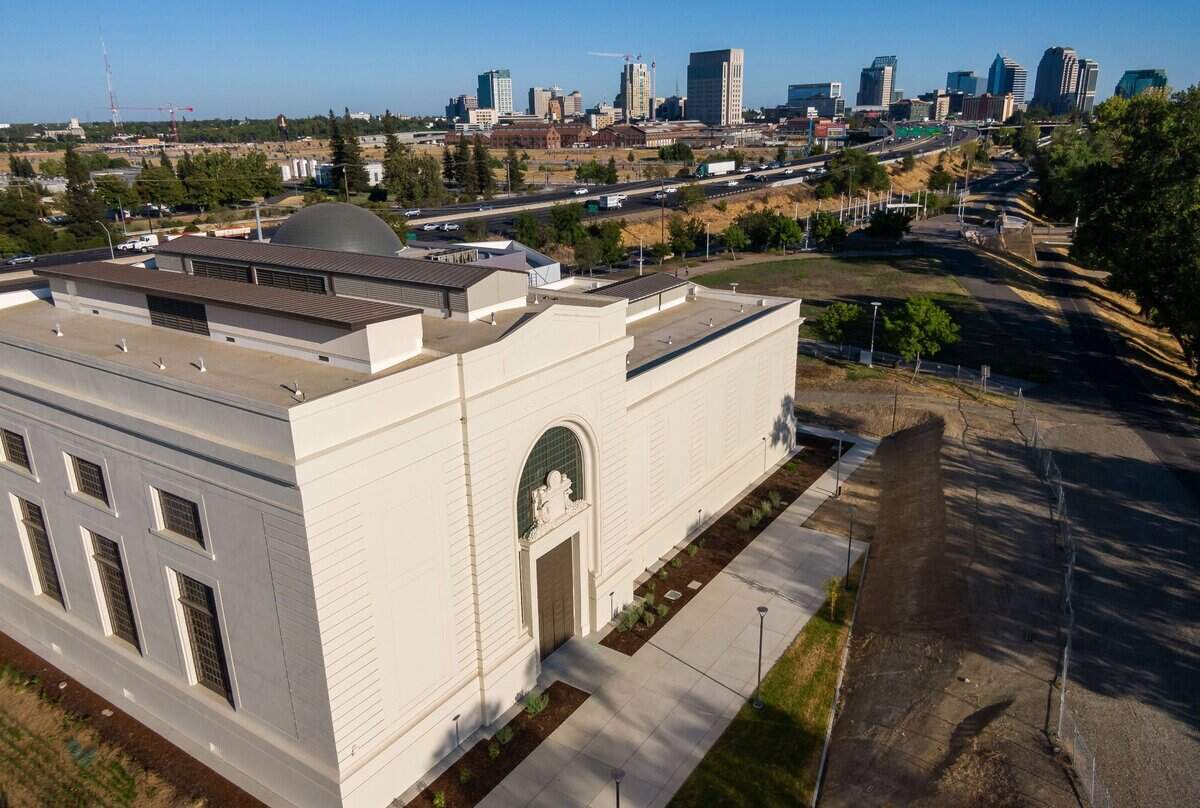
SMUD’s MOSAC, 400 Jibboom St. in Sacramento, isn’t holding a big eclipse viewing event but the museum will provide approved eclipse glasses and telescopes on Monday morning.
This story was originally published April 8, 2024 at 9:58 AM with the headline "What time is the solar eclipse? How do I keep my eyes safe? Your Sacramento guide."