
What can Northern California expect this wildfire season? Experts weigh in on forecast
Wildfire season is inching closer in Northern California, but experts aren’t ringing any alarms, yet.
“Based on our drought monitors and our fuels, we’re expecting a ‘normal’ fire season, for lack of better terms,” said Dan Collins, fire captain at the California Department of Forestry and Fire Protection in Butte County.
“That all can change if we have some type of windy event or weather event that comes in and is pronounced over in Northern California,” he added.
Exactly when wildfire season starts and how bad it could get is unclear.
“It all depends on the environmental factors and fuel moisture that are out there and present,” Collins said.
“We never know until we get into it,” he said.
When could wildfire season start in Northern California?
When California was stuck in drought conditions with little rain or moisture throughout the winter, fire season typically started in April and May, Collins said.
In 2019, all of California was declared drought-free for the first time since 2011.
“Over the last couple of years, as we’ve caught up with rain and our reservoirs are starting to fill up, we’re morphing back to what fire season used to be about 10 or 15 years ago,” Collins said.
Due to rain in April and early May, Collins said the start of wildfire season has likely been bumped back a few weeks.
The dates for the beginning and end of fire season are “very fluid,” he explained.
He said Cal Fire plans to be fully staffed with firefighters by the end of June.
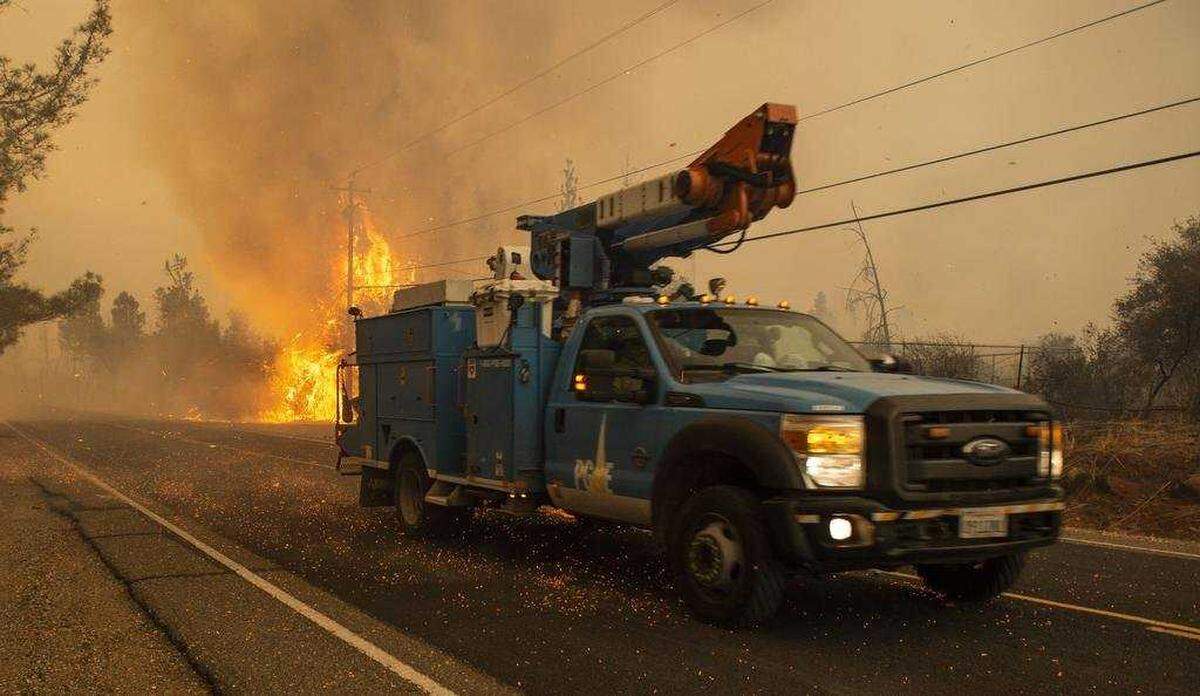
What could wildfire season look like this year?
Paul Ullrich, professor of regional and global climate modeling at UC Davis, said he doesn’t anticipate that 2024 will be a record wildfire year.
“Soil moisture levels and groundwater levels are at historic highs, meaning that there’s enough moisture in order to buffer, potentially, against the occurrence of these larger wildfire events,” said Ullrich, who is also the climate adaptation leader at Lawrence Livermore National Laboratory.”
However, there is a caveat.
With the abundance of rain over the winter, there is an increase in grasses, Collins said.
According to Forests and Rangelands, an effort between the U.S. Department of the Interior and the federal Department of Agriculture, fuels such as grass, leaves, pine needles, ferns and tree moss are known as flash fuels or flashy fuels.
“(They) ignite readily and are consumed rapidly when dry,” Forests and Rangelands said on its website.
Collins said these fuels are common in the valleys and grasslands, making them main problem areas.
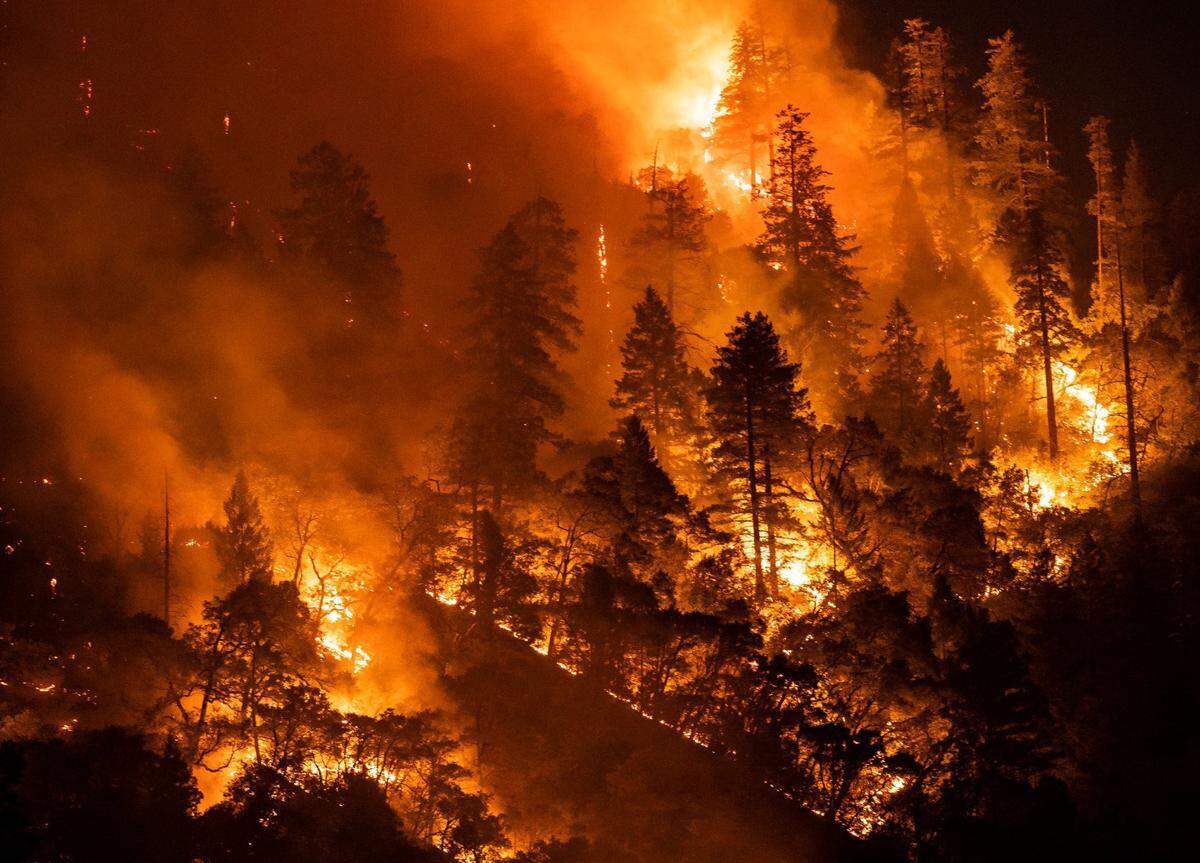
What is likely to cause wildfires this summer?
Wildfires can start due to various reasons.
“What we see a lot is human-caused, whether it be arson or accidental,” Collins said.
Downed power lines and lightning storms can also spark wildfires in the summer, he said.
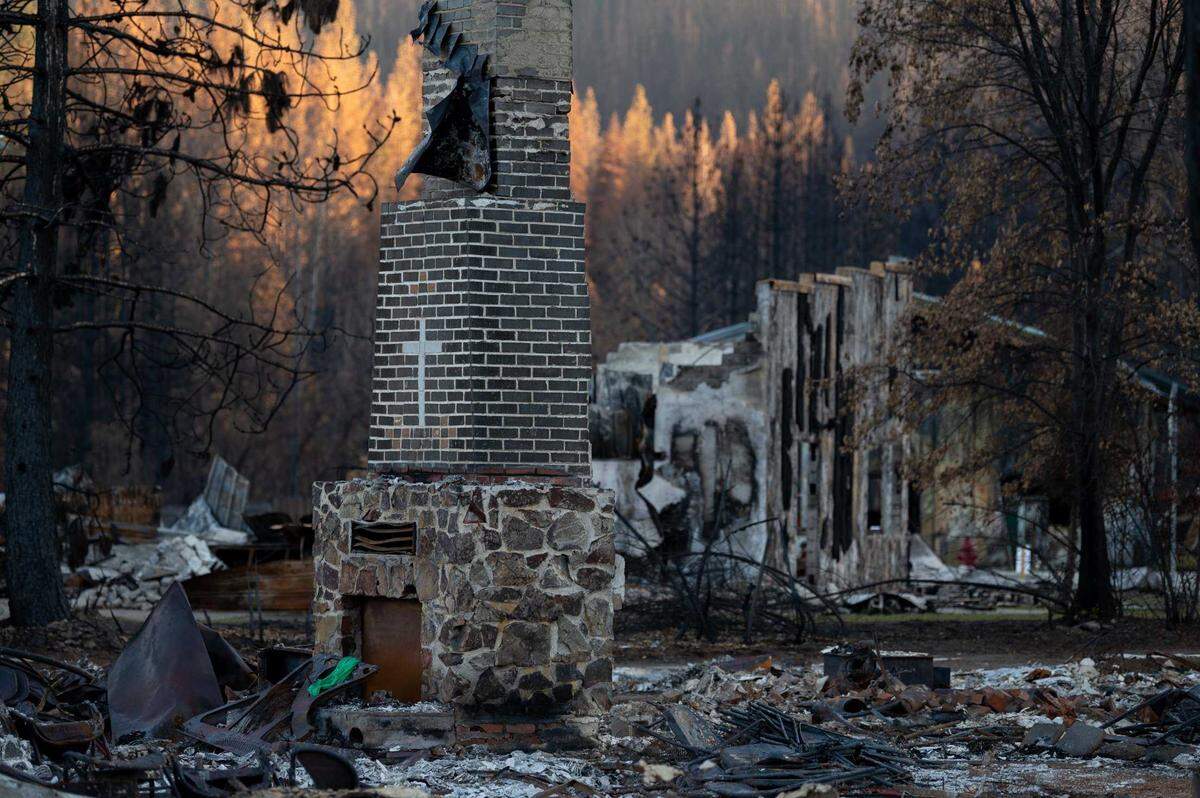
How to prepare and stay safe during wildfire season
There are several ways to prepare for wildfires and stay safe when a fire occurs.
“If you live in a wildfire-prone area, I would say, ‘Definitely have a plan,’ ” Collins said.
Consider the worst-case scenario, he said, and make a plan to gather your belongings, family members and pets, and to exit your property.
Other precautionary measures you can take include removing leaves and debris from your roof.
Using ignition-resistant building materials for your home, such as stucco, fire retardant and treated wood can also help protect your home from fires.
Officials recommend keeping fire extinguishers along with a shovel, rake, bucket and hose nearby, and ensuring smoke detectors are working.
You should also make an emergency kit that includes face coverings, food and clothing.
During a wildfire, you should prepare for an evacuation, remove flammable items from windows and doors and stay updated with your community’s fire response plans.
Am I living in a wildfire-prone area?
You can see which areas are prone to wildfires with an online map from Cal Fire.
The interactive graphic allows you to enter your address and see the severity of the area.
This story was originally published May 17, 2024 at 9:50 AM.