
A rattlesnake just bit your dog on a California hike. Here’s what to do, experts say
You’re hiking on a trail in the California wilderness with your dog when you hear a telltale rattle.
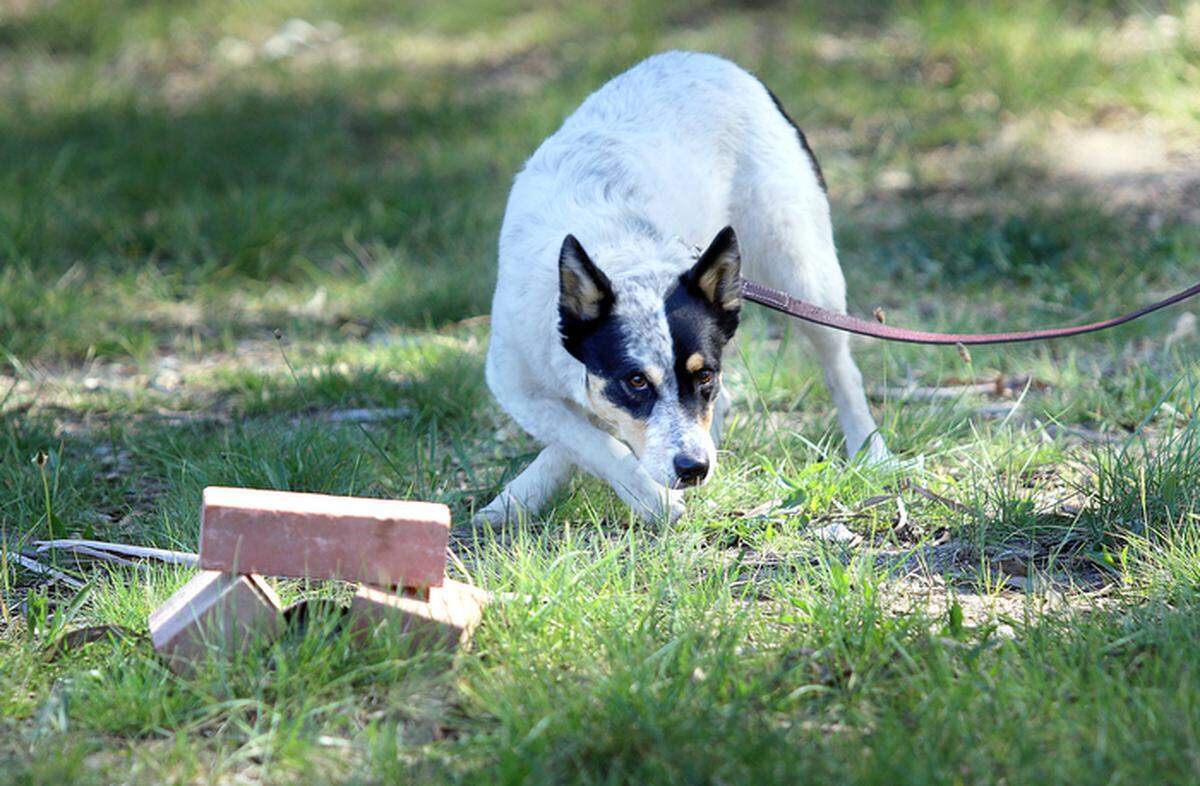
Curious, your pet goes to investigate the noise. That’s when the rattlesnake strikes.
Rattlesnakes thrive in the spring and summer, according to the U.S. Forest Service.
Snakes are most active from April to October, the federal agency said, which only increases the likelihood you’ll run into one.
“In California, the only potentially dangerous snake is a rattlesnake,” said Michael Starkey, founder and executive director of Save The Snakes, a snake conservation nonprofit organization based in Sacramento.
Here’s how to keep your pet safe from rattlesnakes and, and what to do if your dog or cat gets bitten.
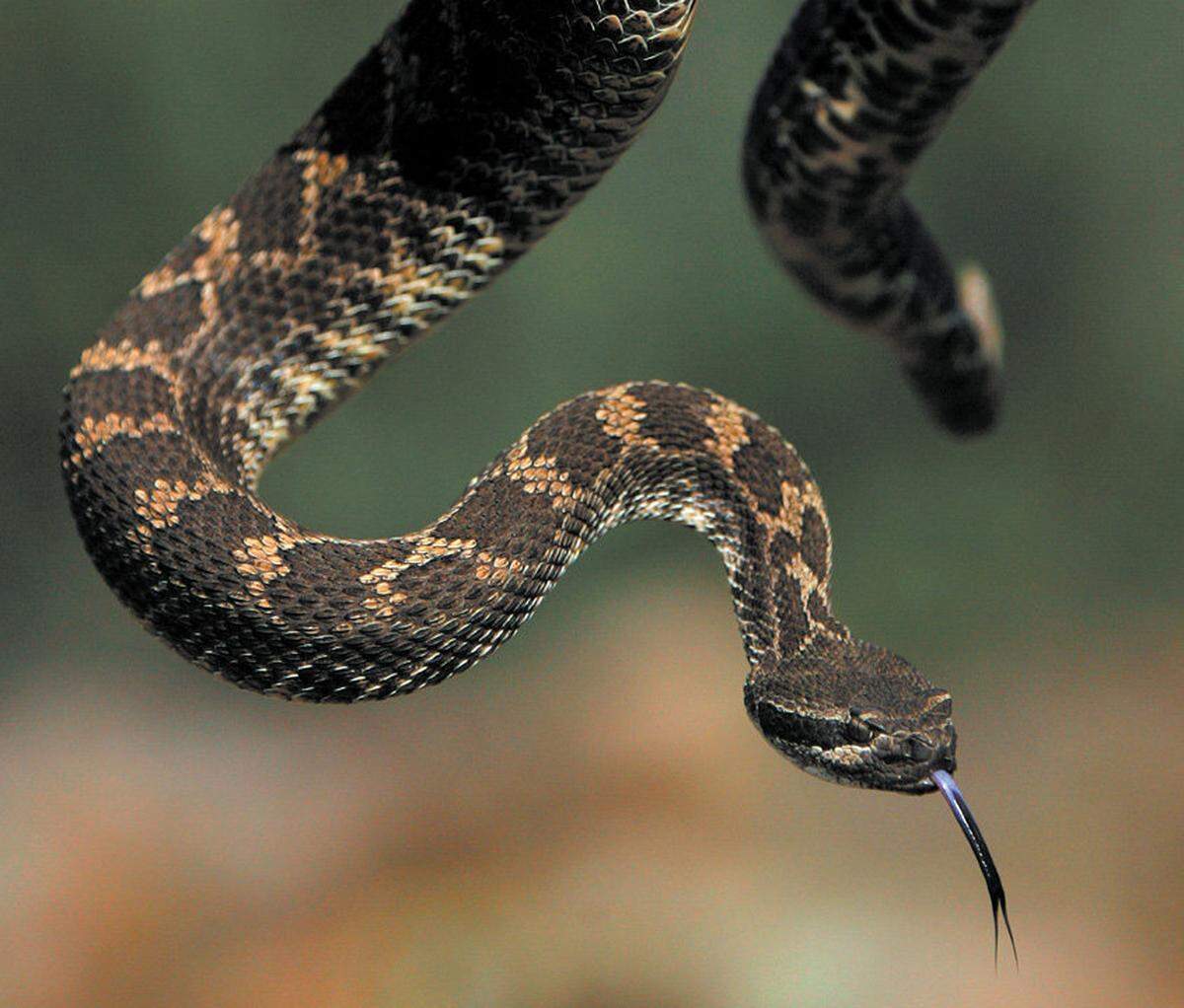
How to identify rattlesnakes
Seven different species of rattlesnake can be found across California.
The most common is the western rattlesnake, which can be found from sea level to elevations of 7,000 feet, according to the California Department of Fish and Wildlife.
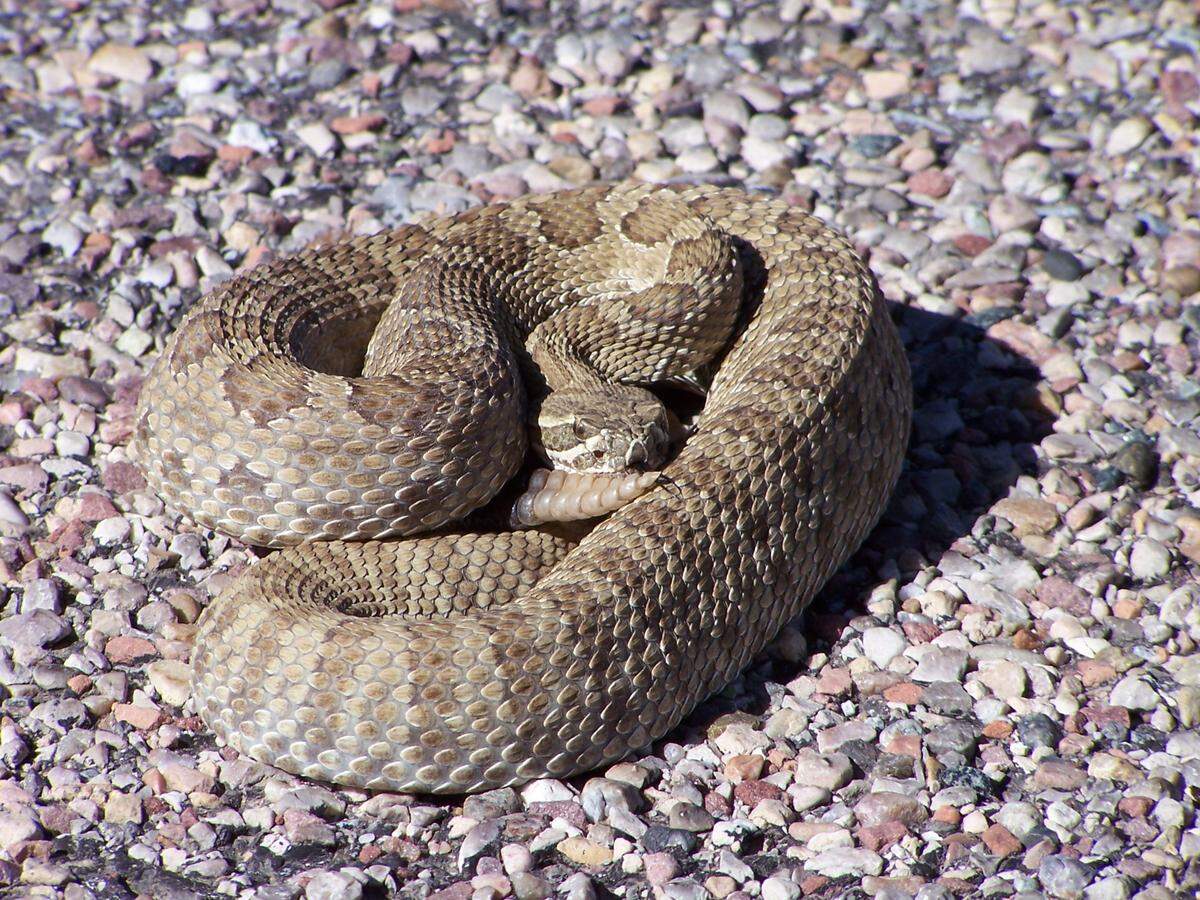
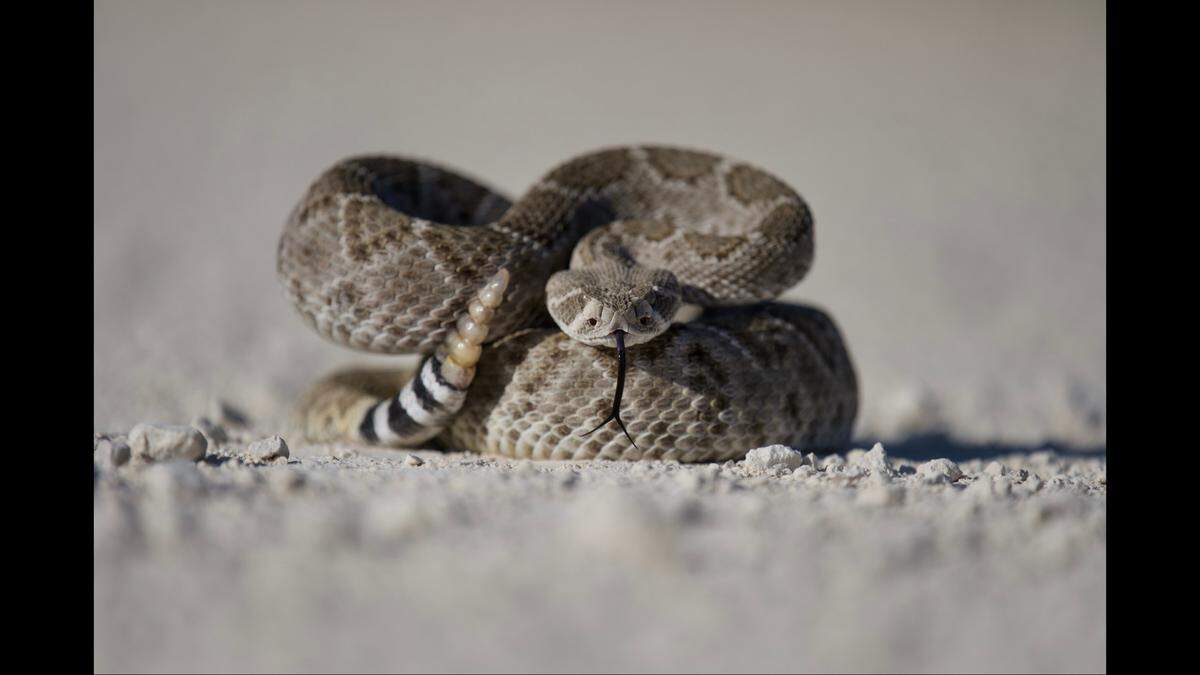
Rattlesnakes can be recognized by the distinct sound their rattles make. The snakes can, however, lose their rattles or simply decide not to use them.
In that case, you can identify rattlers by their gray or light brown exteriors and triangular-shaped heads.
They usually range between 2 feet and 4 feet in length and can easily camouflage themselves to match their surroundings.
The reptiles typically hang out under rocks, logs and woodpiles, according to the National Park Service. Once a snake is ready to raise its body temperature, it will move into sight.
What’s the best way to keep your pet safe from rattlesnakes?
What should I do if my dog gets bit by a snake?
If your pet gets bitten by a rattlesnake, it’s best to remain a “safe distance” from the snake, Starkey said.
“Sometimes dogs will receive multiple bites because they try to attack the snake,” he said. “More bites, and more venom injected, can lead to a more complicated snakebite.”
Starkey said “an increased heart rate and movement can expedite the spread of venom throughout the body.”
According to Jandrey, you should not use a tourniquet or attempt other first-aid practices such as applying ice on your dog. Do not try to suck the venom out.
Instead, Starkey said, you should pick up your pet and immediately take them to a veterinarian.
What are rattlesnake bite symptoms? How are they treated?
Symptoms dogs experience from rattlesnake bites include swelling and bleeding as well as pain, agitation or depression, according to UC Davis. These symptoms, in addition to one or two puncture marks, indicate a rattler bite.
Veterinarians usually use an antivenin to treat severely bitten dogs. The intravenous injection combats the toxins of the venom.
Approximately 80% of dogs survive venomous snake bites given quick treatment, according to animal health nonprofit organization Morris Animal Foundation.
What if there’s no vet nearby?
If you’re in a remote area where a vet may not be nearby, you can try these two things, according to Indianapolis emergency pet hospital IndyVet:
- Rinse the wound with water to remove the venom
- Keep the bitten area below the level of heart to reduce blood flow to the area
If you’re driving to a vet it’s helpful to have a second person in the car to monitor your pet.
How common are rattlesnake bites?
“An estimated 150,000 rattlesnake bites of dogs and cats take place nationwide each year,” according to UC Davis.
The number of rattlesnake bites involving humans is much lower.
Unless provoked, rattlesnakes usually avoid humans, according to the Forest Service.
Snakes do attack, they usually go for the hands, feet and ankles.
In the United States, roughly 1,000 people get bitten by rattlesnakes each year, according to the University of California Integrated Pest Management Program.
How to avoid snakes
Below are some tips to help avoid rattlers and other snakes while outdoors, according to the Forest Service:
Prepare for your hike
- Wear over-the ankle boots, thick socks and loose-fitting long pants.
- Don’t go barefoot or wear sandals
While on your trip
- Stick to well used trails when exploring
- Avoid walking through tall grass and weeds
- Watch where you step
- Avoid wandering in the dark
- When going over fallen trees or large rocks, inspect the surrounding areas to make sure there are no snakes
- Be cautious when climbing rocks or gathering firewood
- Shake out sleeping bags before using them and inspect logs before sitting down
Other tips
- Avoid grabbing sticks and branches while swimming in lakes and rivers. Snakes can swim and can sometimes pass for sticks
- Avoid approaching any snake. Even a freshly killed snake can still inject venom
This story was originally published June 11, 2024 at 10:18 AM.