
California logs two human cases of West Nile virus in Stanislaus and Yuba Counties
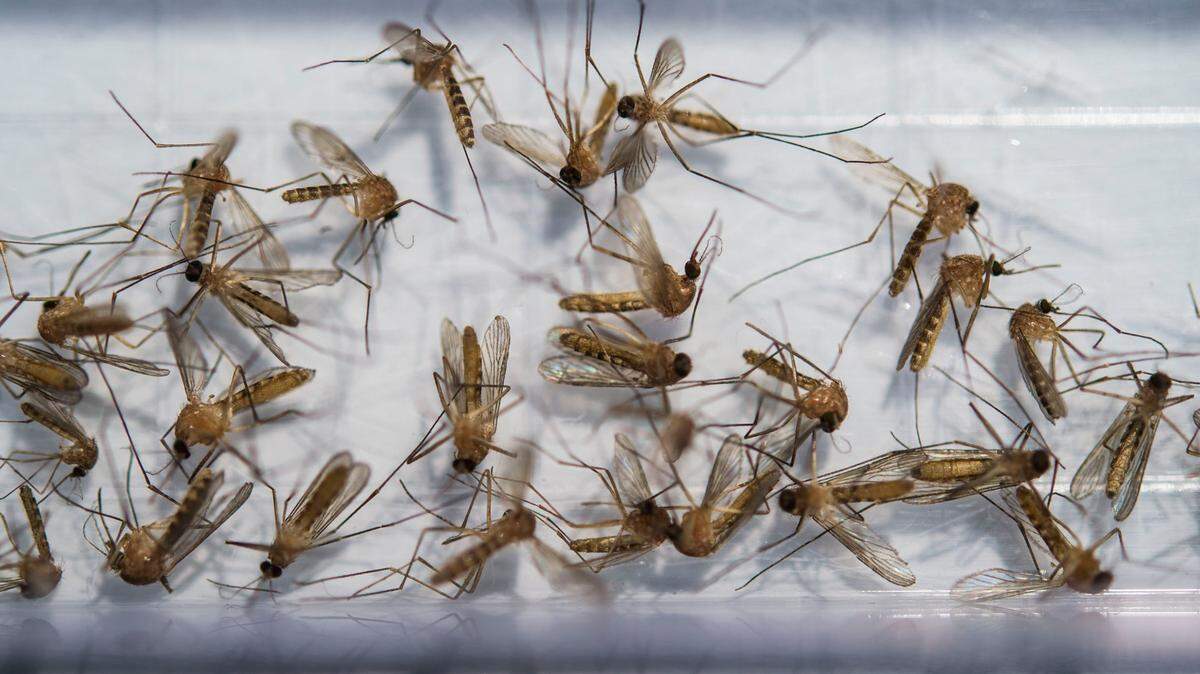
Two human cases of West Nile virus were confirmed in two separate Northern California counties Tuesday.
In separate releases, Yuba and Stanislaus counties reported one case of West Nile virus each, marking California’s first and second human cases of the virus this year.
The Stanislaus County Health Services Agency said the patient, a man, has a non-neuroinvasive case, meaning they may experience flu-like symptoms including muscle pain, headaches, joint stiffness, nausea or a rash, according to the California Department for Public Health.
Yuba County Public Health and the Sutter-Yuba Mosquito and Vector Control District did not release information about the patient, but Sydney Robertson, a spokesperson for Yuba County Health and Human Services, said the patient was briefly hospitalized.
Stephen Abshier, the Sutter-Yuba MVCD district manager, said in the announcement that the district’s West Nile surveillance system is still picking up increased levels of West Nile virus activity, and that the “risk for human infection is high.”
Though it has not been confirmed how the cases were transmitted, a bite from an infected mosquito is a common way to be infected with West Nile virus.
As of last Friday, Stanislaus and Yuba counties each had six mosquito samples test positive for the virus this year, according to the state public health department. Twenty other counties, including Sacramento, Yolo, San Joaquin, Lake and Placer counties, have had positive mosquito samples this year.
Data from the public health department indicates West Nile virus activity has been slower this year than in recent years. There have been 443 positive mosquito samples reported across the state, just under half of the 823 samples reported this time last year. The state saw more than 4,500 positive samples in total last year.
CDPH data indicates human West Nile virus cases are also coming later in the year than usual — the state’s year-to-date average over the last five years is 2.6 human cases. Only one case had been confirmed this time last year.
Last year, there were 433 total human cases of West Nile virus in California, with 18 cases leading to death, according to the health department.
80% of people infected with West Nile virus do not experience symptoms, according to the Centers for Disease Control and Prevention.
Although symptomatic cases may be milder, like the Stanislaus patient’s, they can also lead to encephalitis or meningitis, which are severe inflammatory illnesses that can affect the brain or the spinal cord, the CDC reports.
The best ways to prevent an infection is minimizing the risk of mosquito bites, which includes using effective mosquito repellent and wearing long sleeves and pants during dawn and dusk, Dr. Phuong Luu, the Sutter-Yuba Public Health Officer, said in the district’s release.
Yuba and Stanislaus counties also encouraged using DEET-based or other proven repellents, as well as dumping out sources of standing water like flowerpots, gutters, buckets and more.
This story was originally published July 23, 2024 at 2:42 PM.
.jpg)