
‘A cathedral for everyone’: Take a peek inside Sacramento’s 135-year-old Catholic church
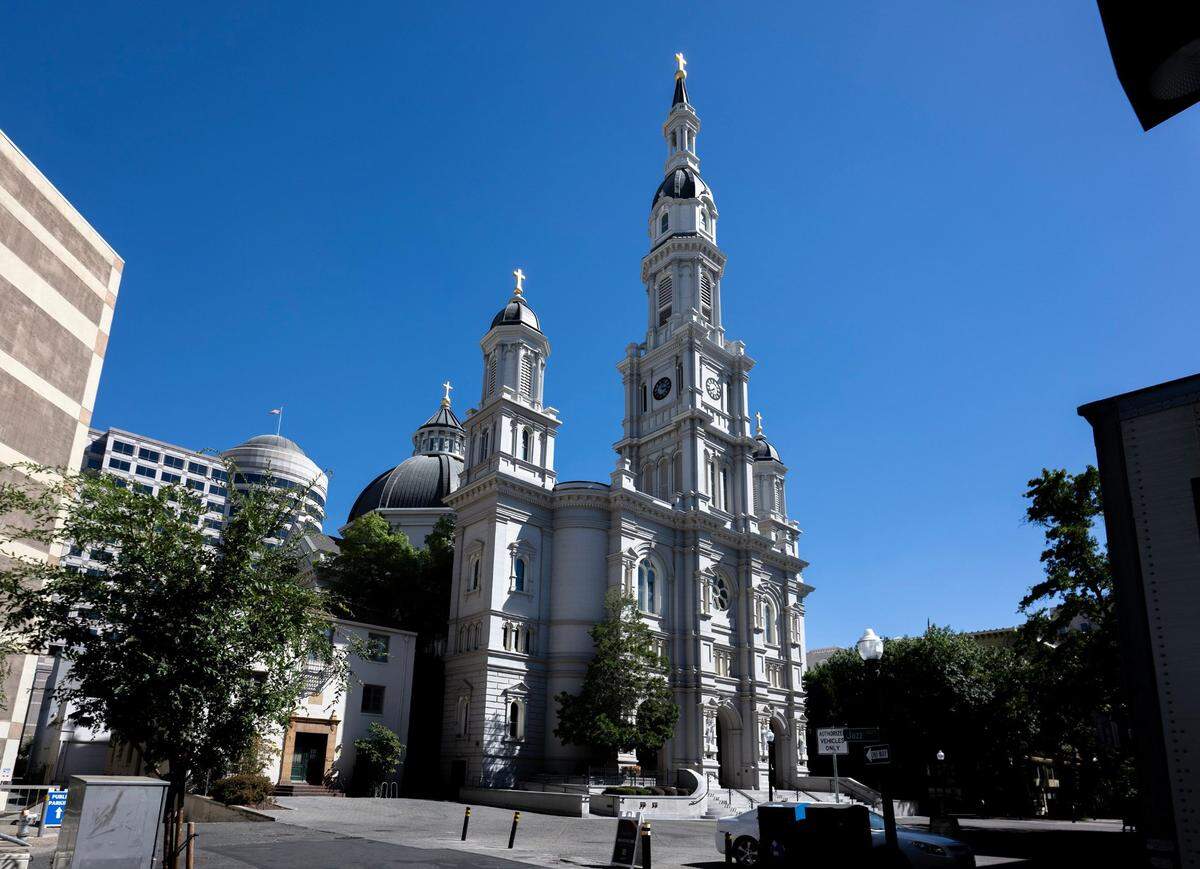
In the heart of downtown Sacramento, just a few blocks from the state Capitol, rests one of the city’s most historic buildings — the 135-year-old Cathedral of the Blessed Sacrament.
The landmark sits at the intersection of K and 11th streets with a grand dome, a 5,000-pound bell and three spires extending into the sky. It marks the site of what was once the largest cathedral west of the Mississippi River.
The cathedral is the main church of the Roman Catholic Diocese of Sacramento. The diocese serves more than 500,000 Catholics across 102 churches, ranging from Sacramento County to the Oregon border.
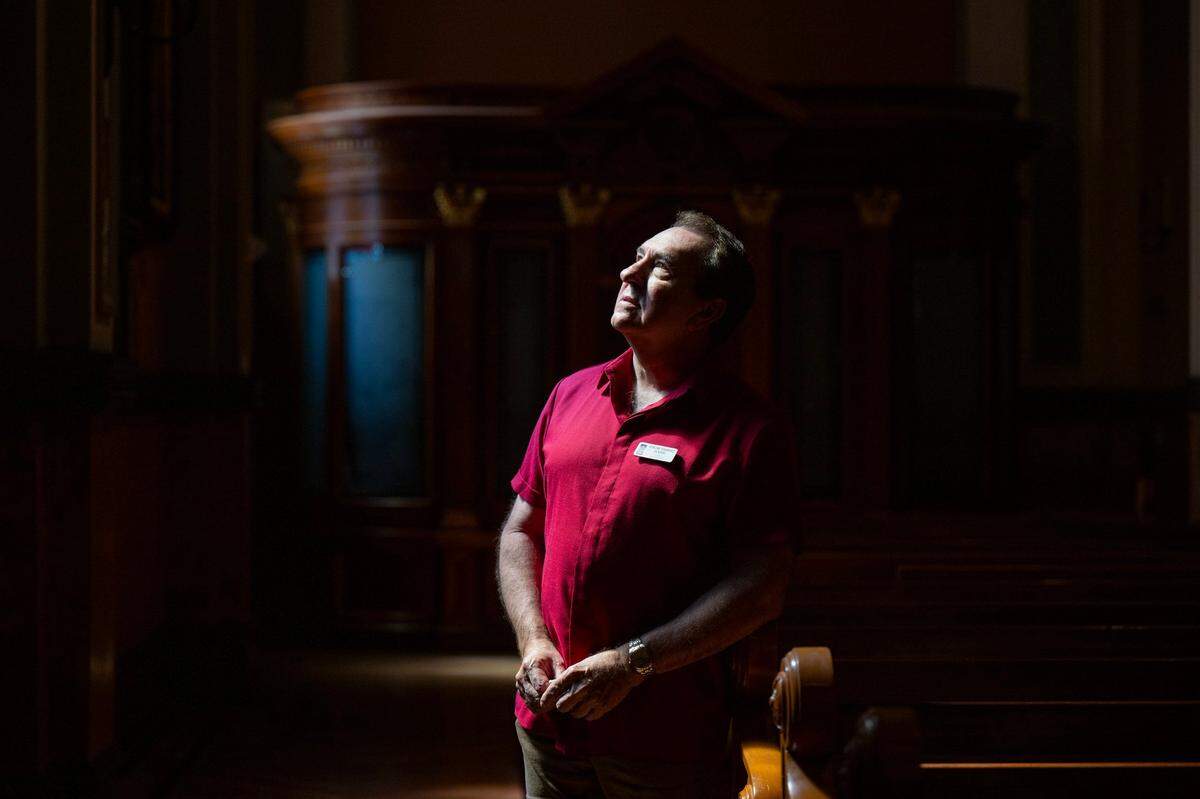
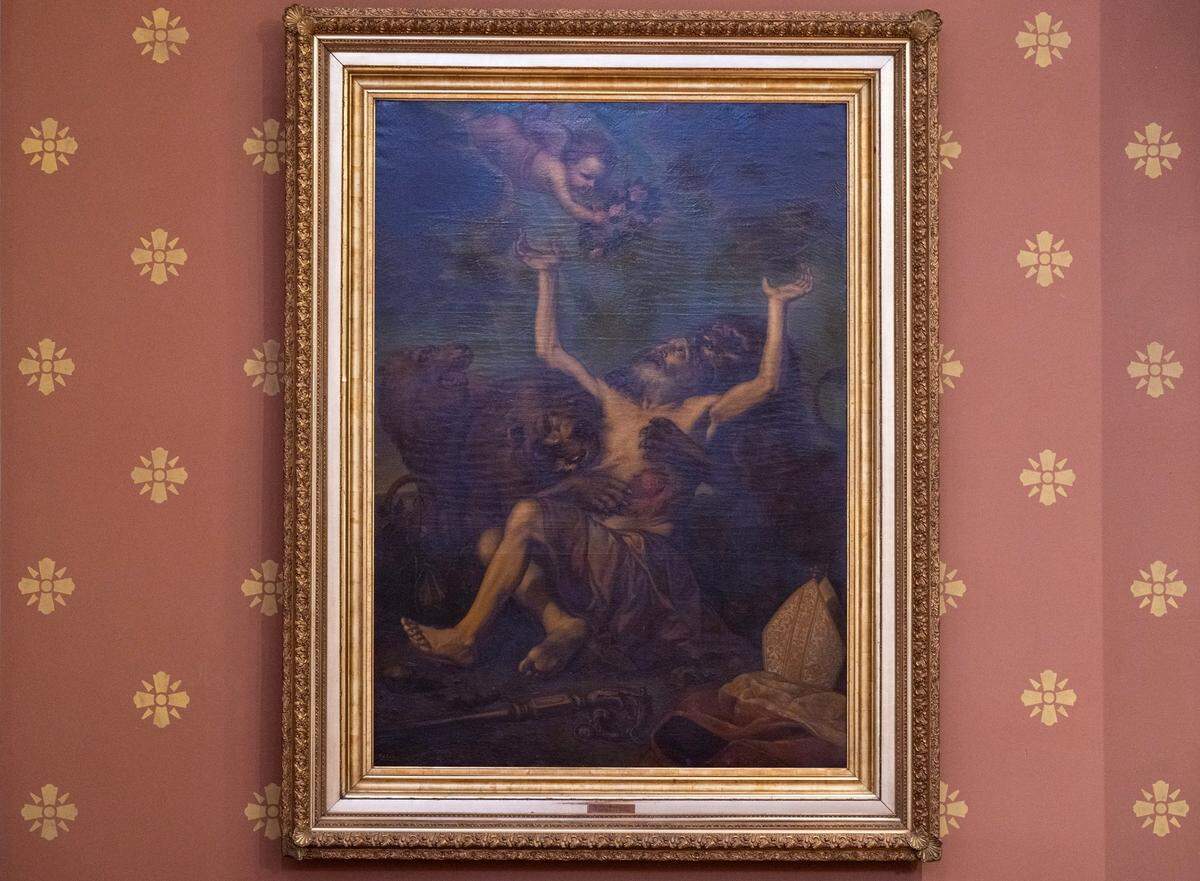
The building contains religious artwork donated by some of Sacramento’s most famous figures. It has been the site of funeral masses for past California governors. But above all, the Cathedral of the Blessed Sacred has served as a space for people from all different religious and ethnic backgrounds to gather, according to lead docent Oscar Ramirez.
“It’s not a cathedral just for us Catholics, it is a cathedral for everyone in Sacramento,” he said.
The history behind Sacramento’s only Catholic cathedral
The Cathedral of the Blessed Sacrament was built because a former gold miner had a dream.
Irish immigrant Patrick Manogue came to California in search of riches during the Gold Rush. After a few years, he turned a great profit and met a few wealthy friends along the way, Ramirez said.
Eventually, Manogue decided to end his mining career prematurely to become an ordained priest. He attended a seminary in Paris, where he was struck by the beauty of the Church of the Holy Trinity.
He felt moved to create a similar version once he became the bishop of Sacramento, according to the cathedral’s website. In the mid-1880s, he called on his gold miner acquaintances to donate land and help fund the cathedral’s construction. The site in downtown Sacramento was selected deliberately to be next door to the state Capitol building.
In 1886, construction began at 1019 11th Street. It took three years to finish the $250,000 project — the equivalent of $6 million today — Ramirez said. At the time, it was the largest cathedral on the West Coast and one of the few places where Sacramentans could gaze upon radiant stained-glass windows and Renaissance artwork.
“In 1889, there wasn’t much art. There wasn’t much beauty in Sacramento,” Ramirez said. “When this was built, it was the second most important building in Sacramento in the city, and it remains to this day, second only to the Capitol.”
Art and architecture inside the cathedral
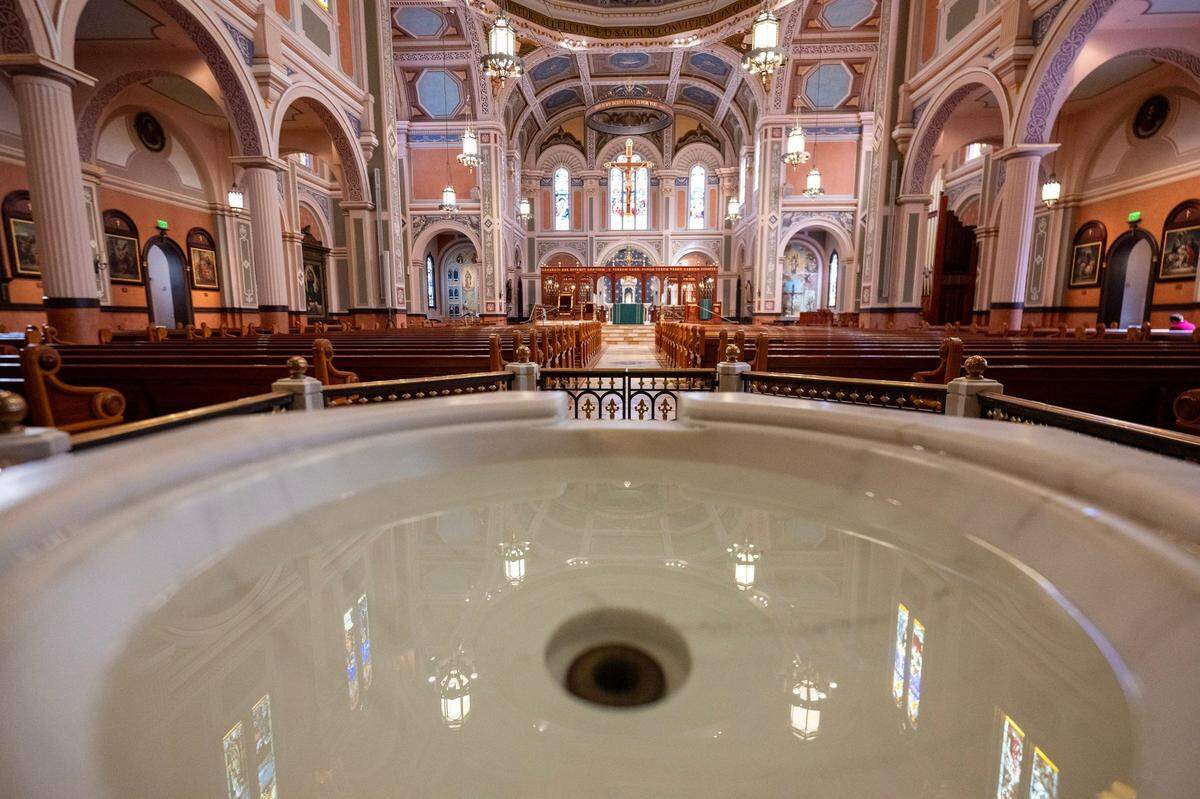
Upon entrance, the cathedral is a stunning spectacle of light, art and religiosity. The Victorian-style building takes architectural inspiration from the Italian Renaissance and features artwork donated by several famous former Sacramento residents.
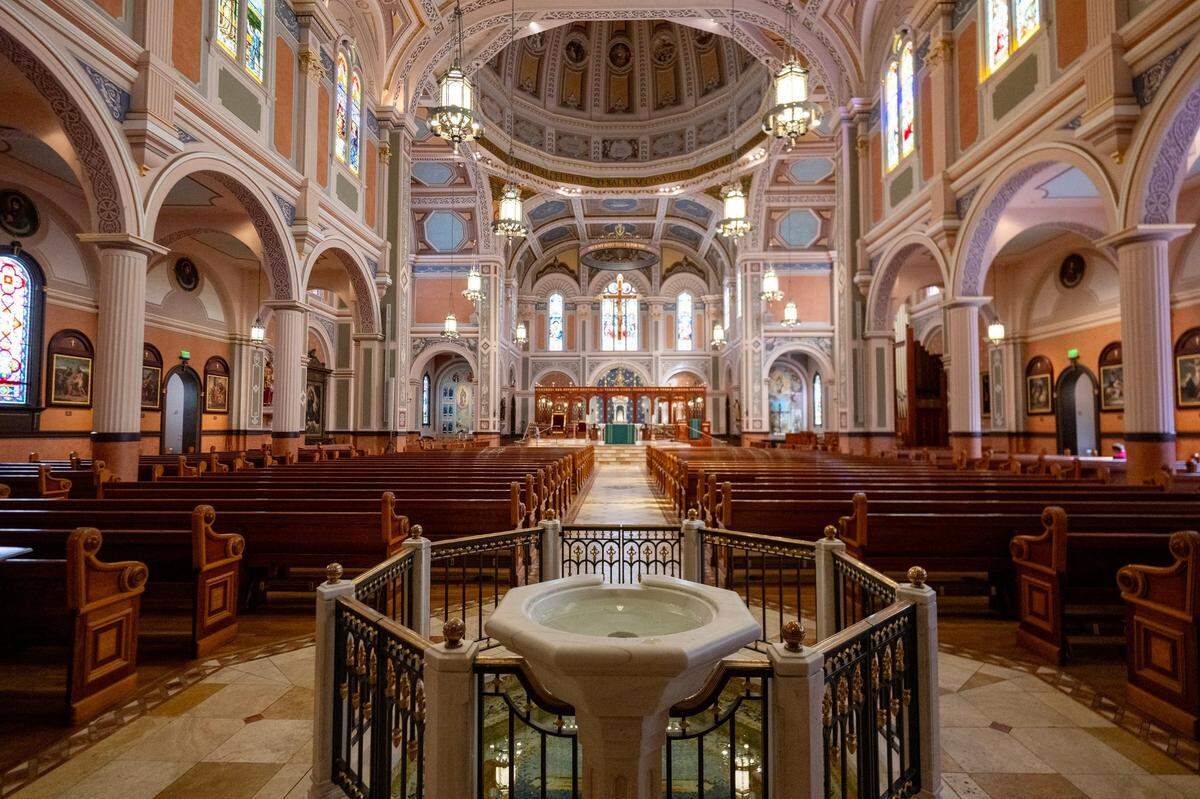
Dozens of wooden pews that can seat up to 1,400 people line the 200-foot long church. Twelve chandeliers that were once gas-fueled perch over the pews. Confessionals made of pine, cedar, redwood and oak wood from the 1800s reside in the back corners of the church.
Look above and dazzling stained-glass windows flank every side of the cathedral. Several of the stained-glass windows feature rectangular inserts that were donated by art collector and Sacramento philanthropist Margaret Crocker, Ramirez said.
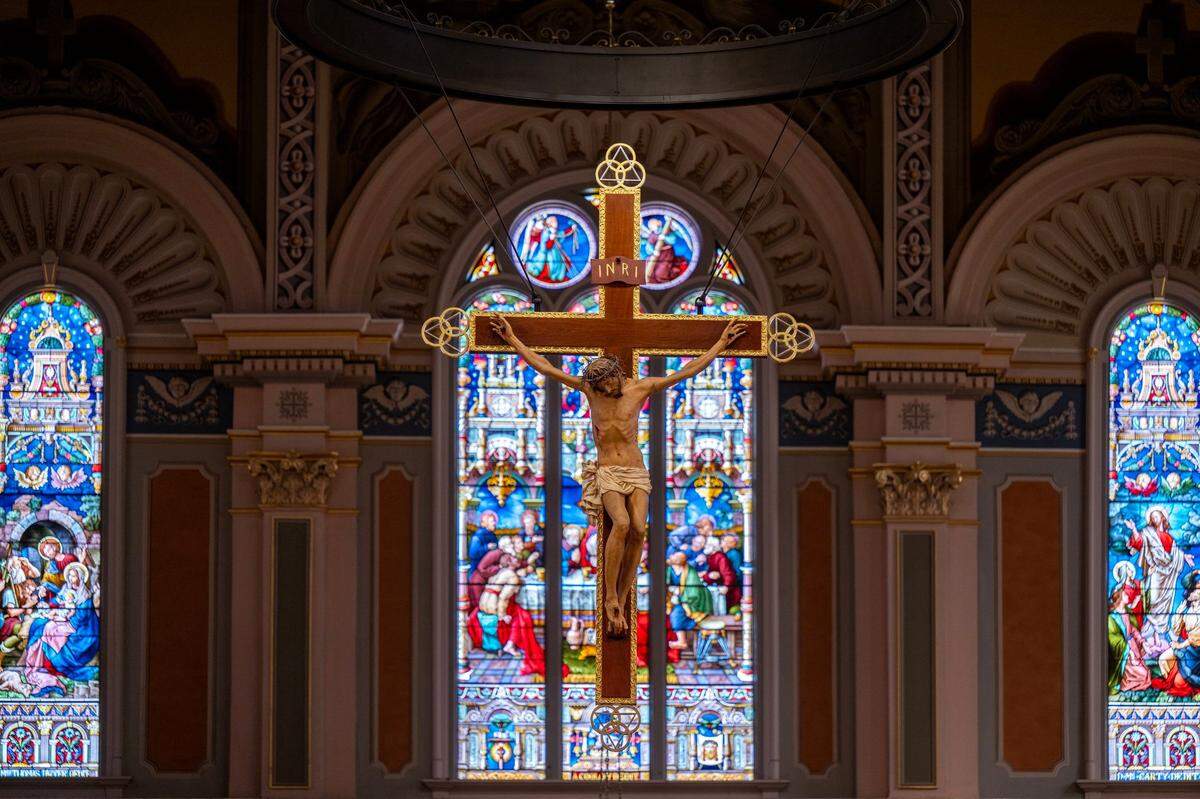
The twelve inserts showcase the Stations of the Cross, which depict Jesus on his day of crucifixion and were created from recycled glass from the Italian Renaissance. Even though Crocker was not Catholic, she was a great devotee of Bishop Manogue.
Similarly, another non-Catholic but historic Sacramento leader donated art that still lives in the cathedral.
Jane Stanford, a former first lady of California and co-founder of Stanford University, received permission from the Emperor of Austria to have a replica made of “The Sistine Madonna” by Renaissance painter Raphael Sanzio. Visitors can see the painting hanging on the left side of the church.
“This is the cathedral that immigrants built, that women built and that gold and silver built,” Ramirez said.
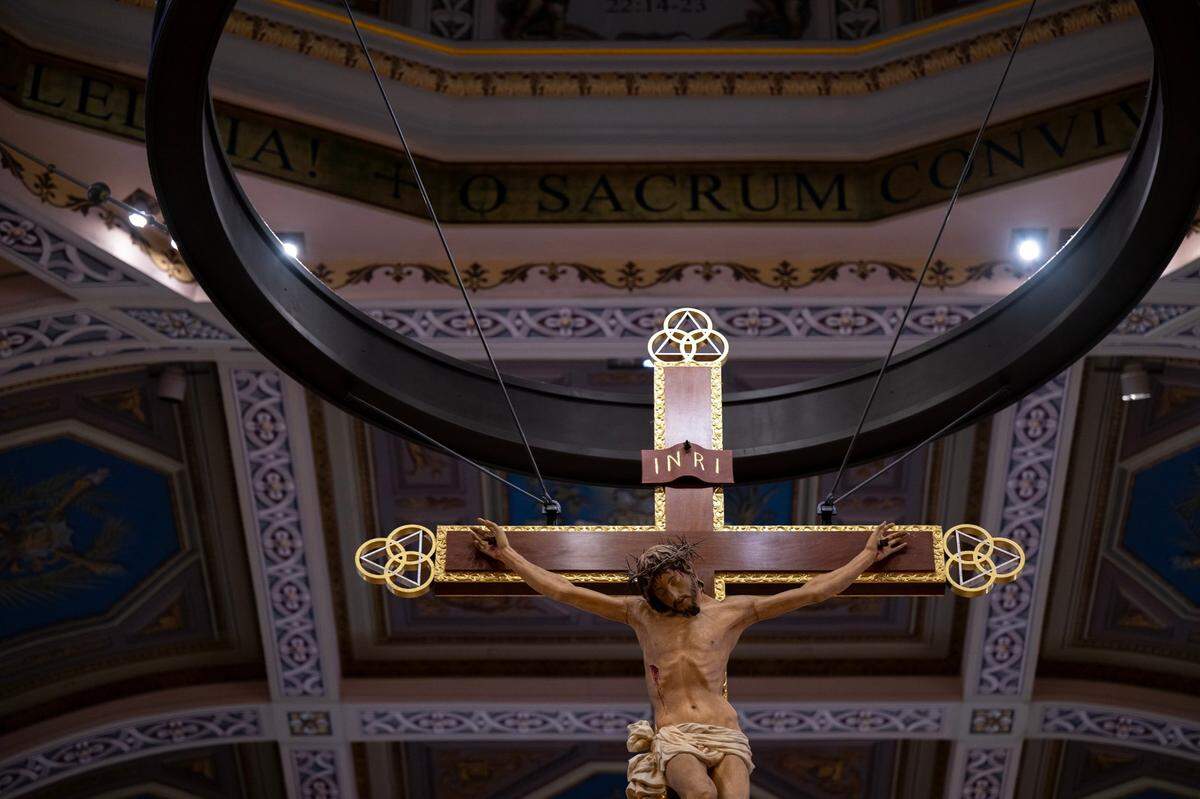
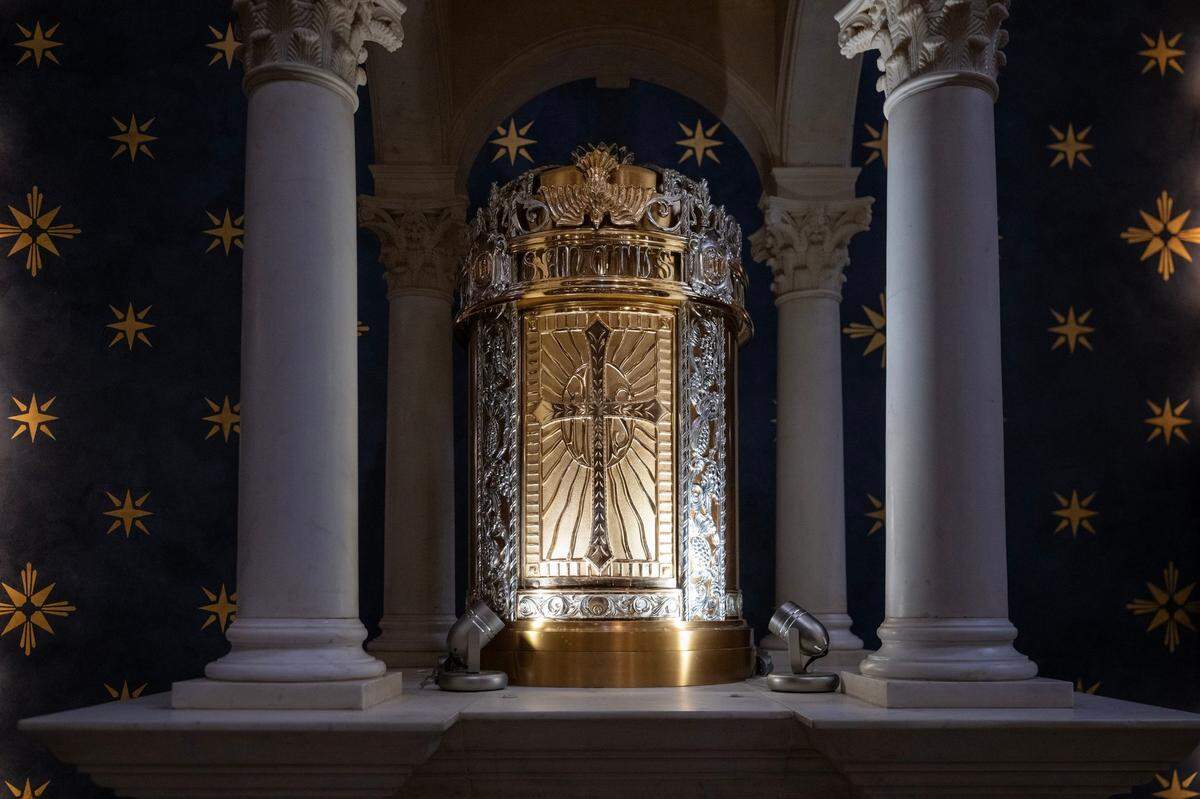
Central points of the cathedral also feature a baptismal font and altar containing marble mined and carved in China and Spain. Above the altar, hangs a 2,000-pound crucifix suspended by airplane cables.
Major renovations
Some of these characteristics are still new to the cathedral. In 2003, the diocese embarked on a massive two-year renovation project to update the cathedral.
The restoration started with a leaking roof and soon evolved into a $34 million project. The building was retrofitted for earthquakes and the interior was transformed into a more unified aesthetic rooted in the past, according to the cathedral’s website.
At the time, the cathedral was closed to parishioners to allow for construction. When it reopened, the revitalized cathedral had several new components, including updated confessionals and a new altar and baptismal font. Ramirez said the grandest development of all was an inner dome that visitors could gaze up into for the first time in more than 60 years.
In the 1930s, the 110-foot inner dome was completely covered to improve the building’s acoustics for mass-going parishioners. It was stripped to wood and nails, and the beauty contained in the dome’s interior was destroyed without any photographic record, Ramirez said.
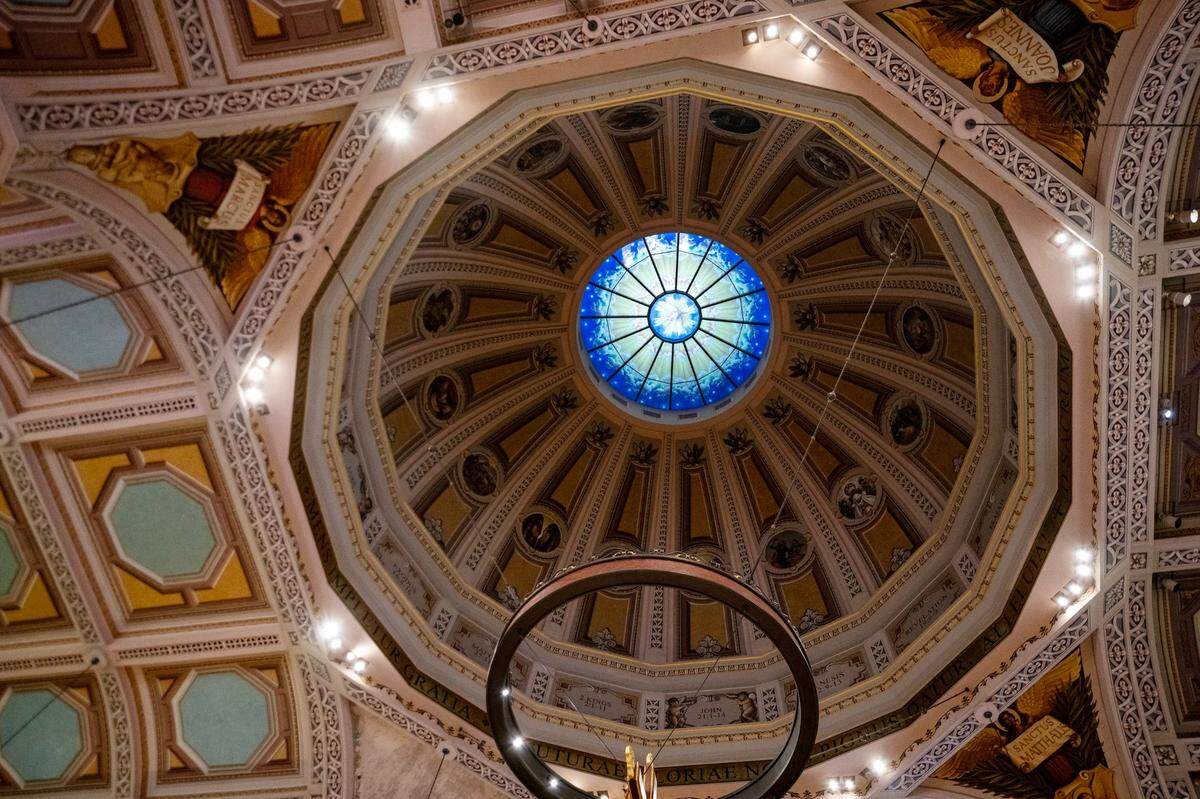
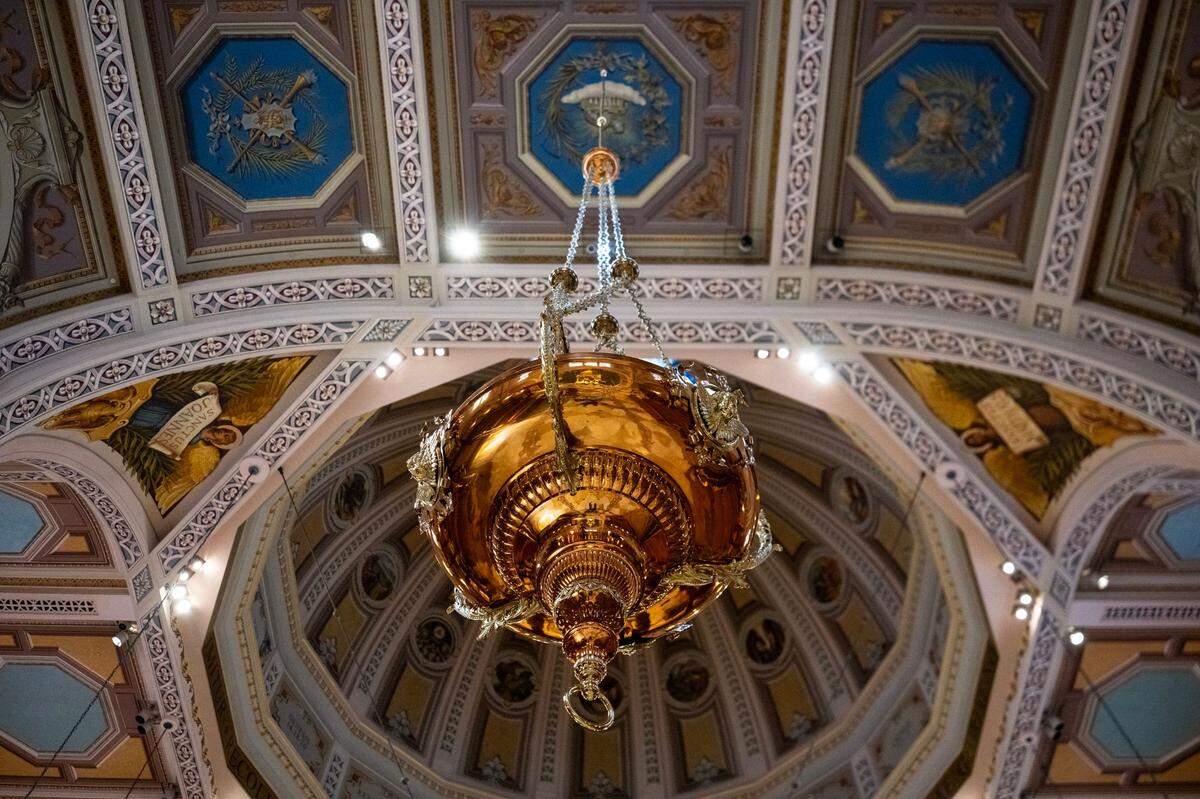
During the most recent renovation, the diocese searched through newspaper clippings, diaries and journals in an attempt to reconstruct the artwork of the original dome. Now, the eye of the reconstructed dome portrays the Holy Spirit and extends into painted scenes from the Bible where God is physically and spiritually feeding his people.
Over the years, the cathedral has undergone three significant renovations in 1939, 1972 and 2005. But despite these changes, Ramirez said the mission of the Cathedral of the Blessed Sacrament in downtown Sacramento has remained the same.
“Since the beginning, this church, this cathedral has not been perceived only as a Catholic temple, it has been perceived as a civic building for the city of Sacramento and a civic source of pride,” he said.
This story was originally published August 25, 2024 at 5:00 AM.