Roseville City Council could prohibit roadside memorials after 45 days. Here’s why
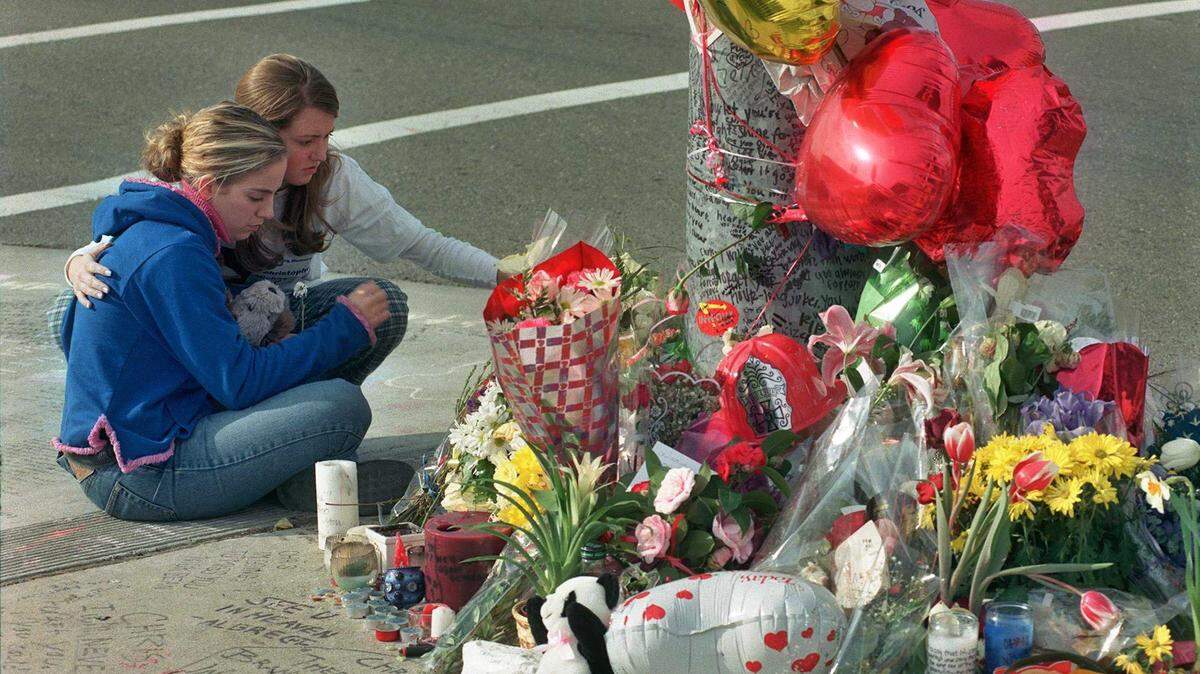
An ordinance is being considered in Roseville that could limit the number of days a makeshift memorial can be left on the side of the road.
The Roseville City Council this week had the first of two readings to adopt a new ordinance that would limit roadside memorials to 45 days due to public safety. Memorials are common and somber shrines where motorists and pedestrians have died in crashes, usually placed on the roadside or shoulder where they occurred.
The city’s staff report released prior to Wednesday’s meeting acknowledges the importance of allowing citizens a reasonable opportunity to express grief and condolences when tragedies occur while needing to maintain public spaces, reduce road hazards and emphasize safety.
Jill Geller, Roseville’s director of parks, recreation and libraries, told council members the purpose of the ordinance would be to provide a clear and consistent process for the city and mourners when it comes to handling roadside memorials.
“Staff have never really known what to do with them or long to leave them in place,” Geller said. “We are certainly sensitive to and want to be respectful to those who are grieving from a tragic loss. However, without guidance, these memorials may remain indefinitely and we do receive concern from residents when they are there for a long period of time. Memorials may cause a safety issue or negatively affect the appearance of our public spaces when they’re left unattended.”
Geller said there is currently no process to determine how long a memorial should be left standing or how to safely remove and store the contents of memorials.
Deputy City Attorney My Tien Doan noted there are other cities in the state and throughout the country that have adopted similar ordinances. They include Elk Grove, Escondido, Torrance and Corona in California, as well as Pueblo, Colorado, and Saint Paul, Minnesota.
Regulations elsewhere on how long a memorial should stay up range from 30 days to a year, and all have rules that say memorials must be immediately removed if they become a hazard or distraction to drivers.
The proposed ordinance would establish the duration that a memorial may be put on public property to no more than 45 days from the date of the memorialized incident — after which the city would deem items abandoned property. It would also establish physical restrictions to no more than 30 inches in height, 2 feet in width and a foot in depth.
“This is primarily for safety and visibility reasons,” Doan said. “As we don’t want to potentially obstruct of motorists or prevent access through a right of way.”
Councilman Scott Alvord said during the discussion that he liked the idea of starting the clock on such memorials from the time of the incident, adding that setting a limit to 30 or 60 days felt insensitive.
“I appreciate (45 days) because I know anniversaries — like the month anniversary — could be a really awkward time,” he said from the dais. “The (other) cities that chose 30 days or 60 days — seems you’re picking an anniversary day that could be really weird if there’s family out there ... or if it’s suddenly gone and they have a candlelight vigil.”
The ordinance, if passed by council members, would also set standards for the contents of memorials. Prohibited Items would include elements that could amplify music, be permanently affixed to public property like light poles — include glass items such as picture frames, bottles or candles — and items and imagery that included references to drugs, alcohol or obscenities. The ordinance would consider these items grounds for a memorial’s early disposal.
A five-day notice would be posted near a memorial before any removal to give owners information on how to retrieve items after a cleanup. Items would be put in the city’s corporation yard for up to 30 days to be claimed.
The council unanimously approved a motion for the ordinance’s second reading paving the way for its likely adoption. The next council meeting is slated for Sept. 18.
This story was originally published September 6, 2024 at 7:00 AM.