
‘Heartbroken’: Equinox, peregrine falcon nursed to health at UC Davis, dies after return to wild
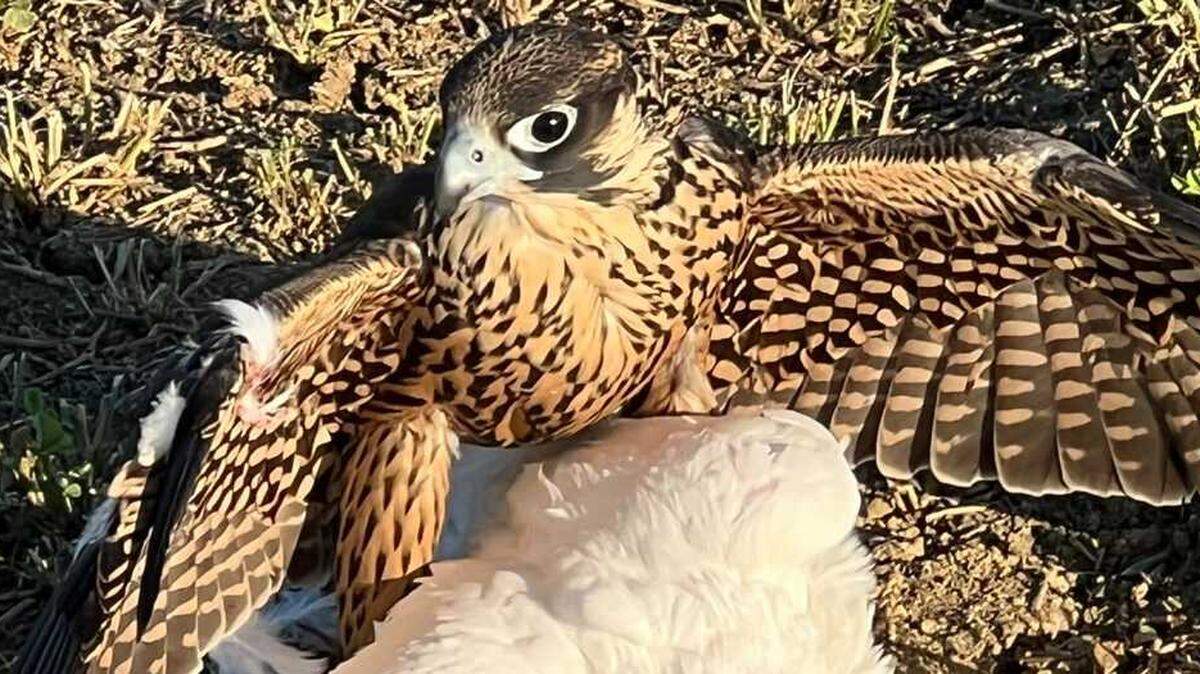
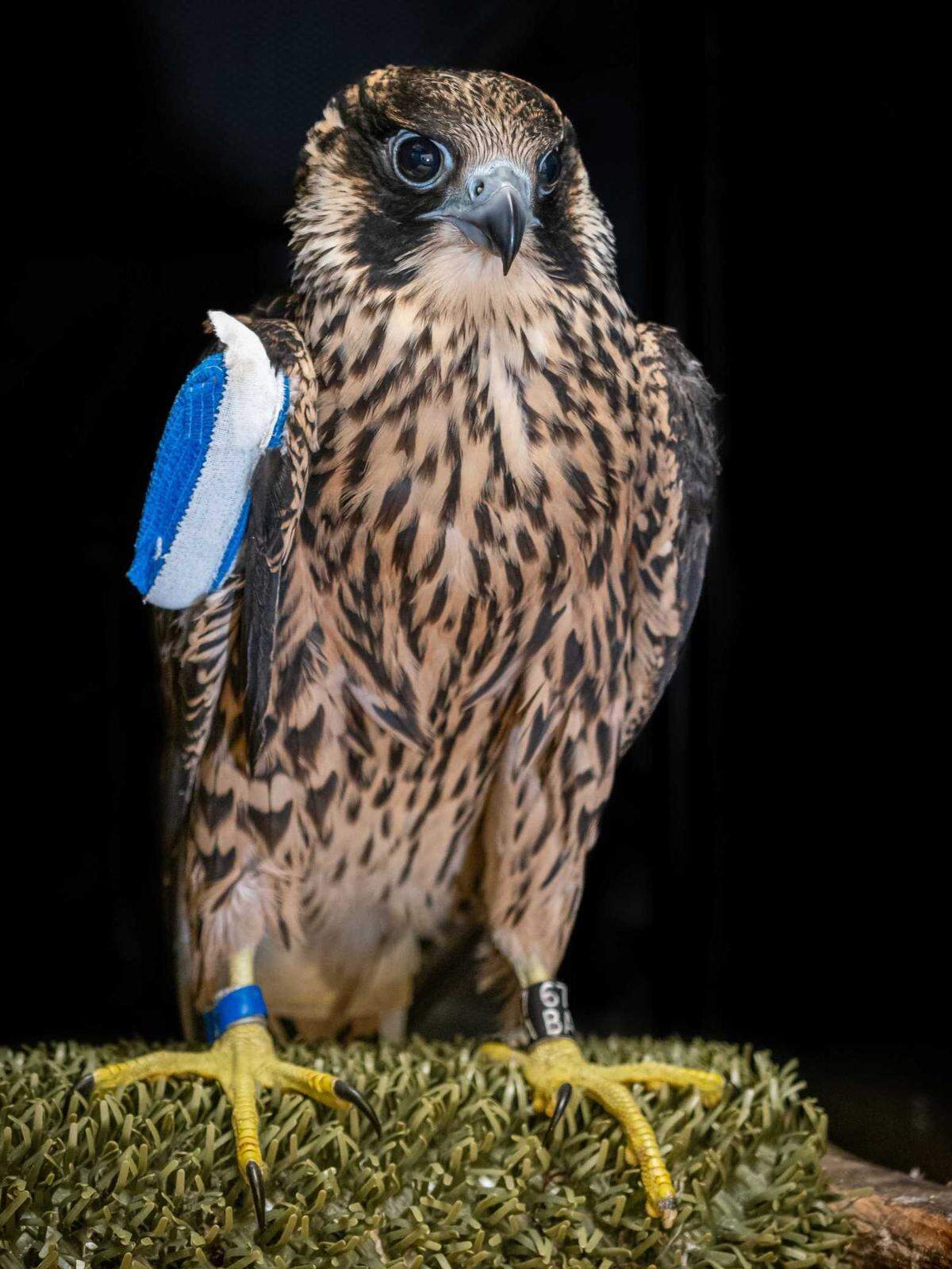
Equinox, the UC Berkeley peregrine falcon nursed back to health at UC Davis has died just days after being released into the wild.
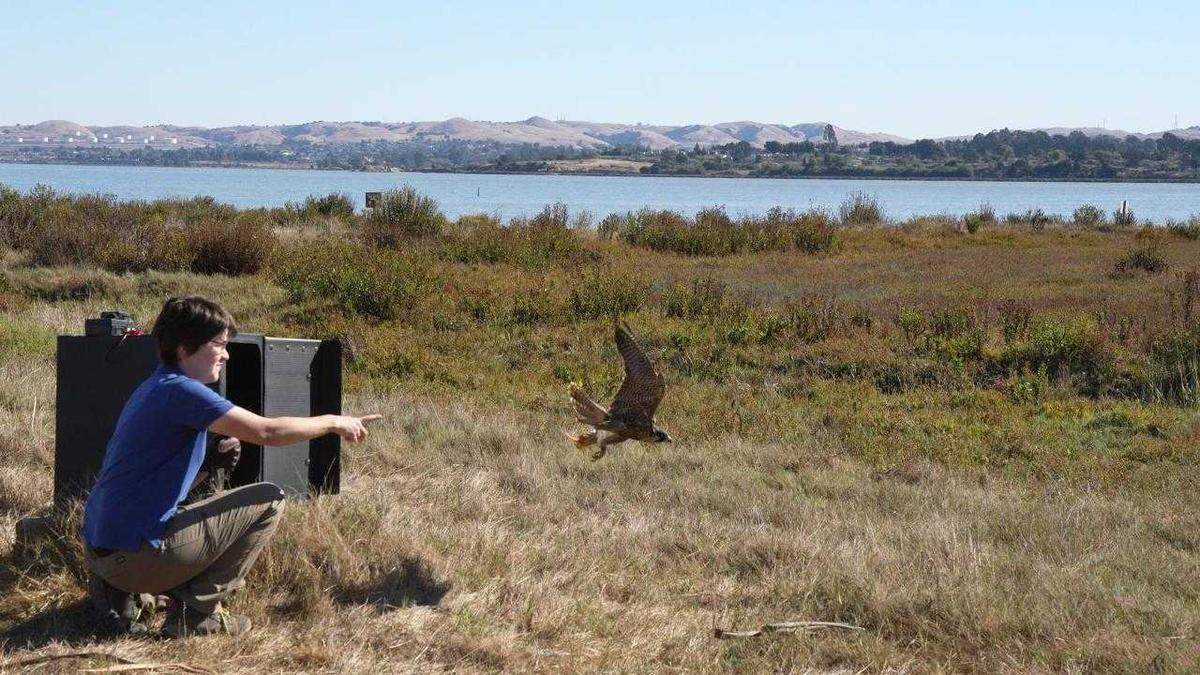
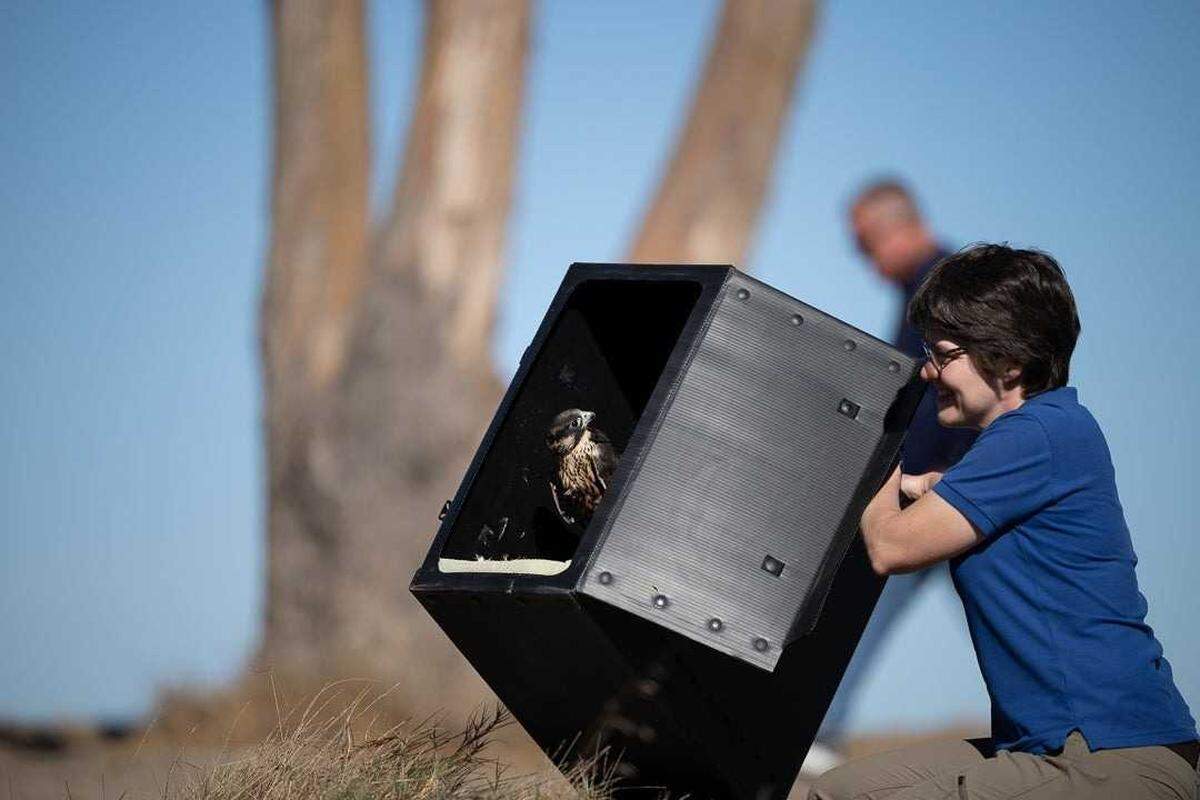
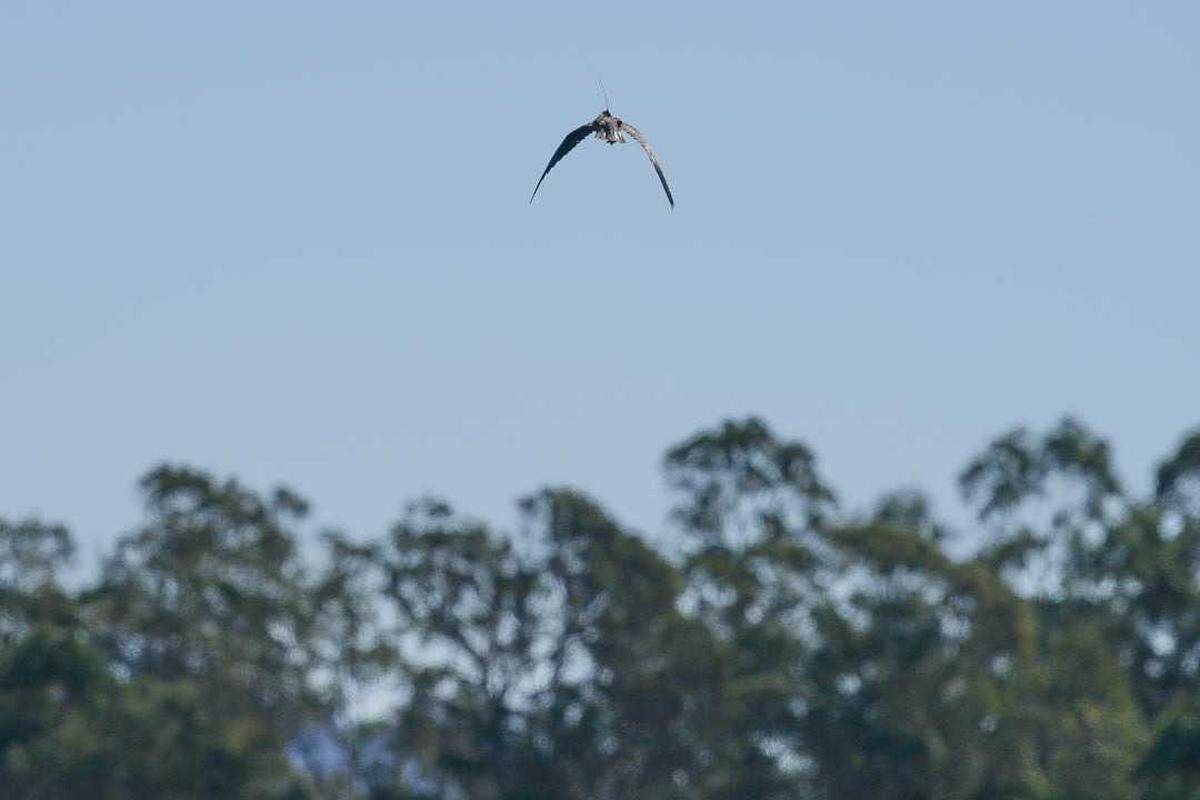
The falcon was freed Oct. 18 from UC Davis and its California Raptor Center, where the bird of prey had undergone surgery to mend a wing. Photos from the Raptor Center, show the bird in flight, a university service’s headline reading, Peregrine Falcon Nox Healed and Flying Free.
On Thursday, school officials broke the news of the bird’s death.
“UC Davis wildlife specialists are deeply saddened to share that Equinox (Nox), a peregrine falcon whose life was streamed on a popular UC Berkeley web cam feed, passed away last night, Oct. 23,” the statement posted to social media read.
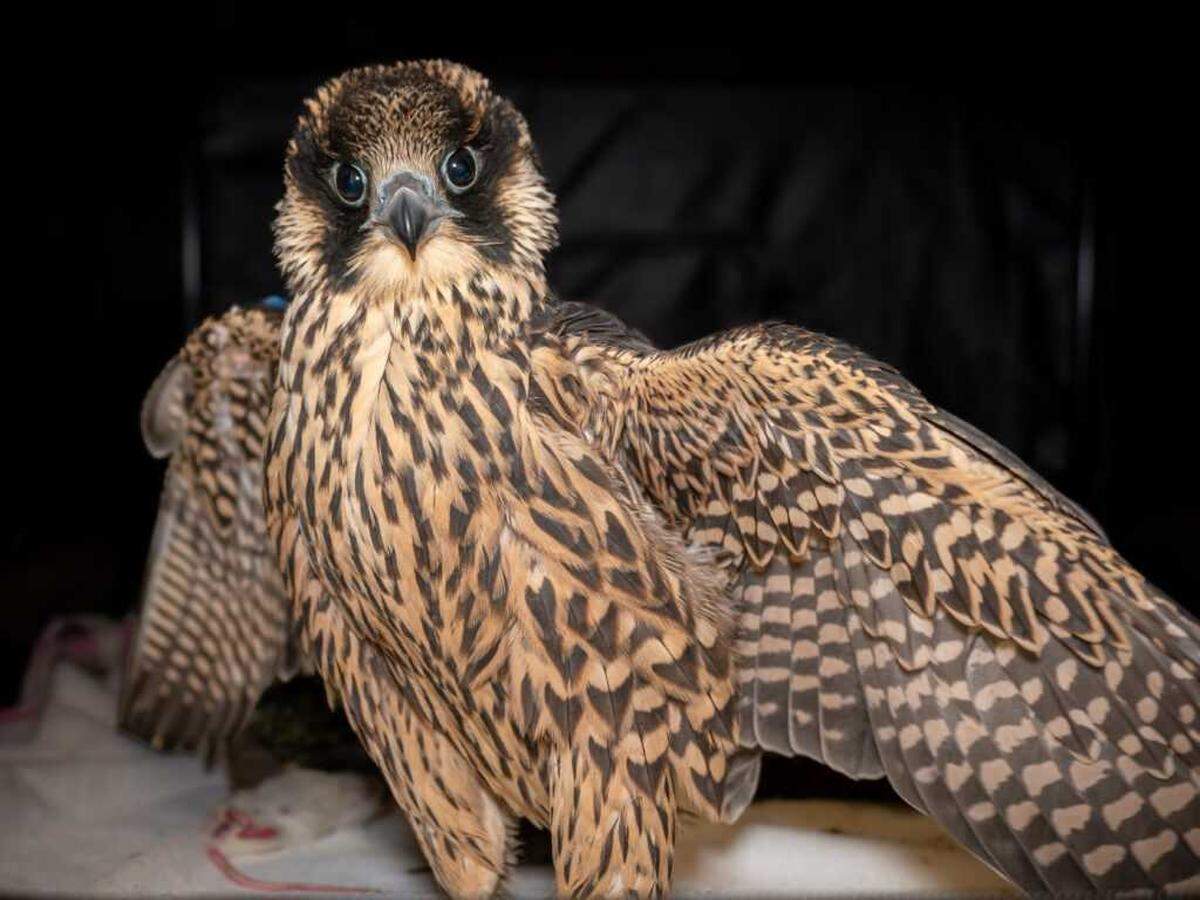
The young peregrine had gained popularity in recent months, his life journey detailed on a University of California, Berkeley, web feed. Equinox, or Nox, as he was known, was the last of four peregrine falcon chicks to hatch on Berkeley’s Campanile last spring. On July 3, he was found injured in the waters off Berkeley Marina.
Staff at the Raptor Center said that had Nox’s injuries happened 20 years ago, the young bird would have had to be euthanized. Medical advances changed that.
“Technology and advances in veterinary medicine have made it possible for birds like Nox to fly free in the wild again,” center officials said.
Surgery by avian specialists at UC Davis was followed by three months of rehabilitation at the university’s renowned Raptor Center. There, center officials said, Nox was kept in a soft-sided crate and fed mice that contained his medications.
By September, Nox the falcon was working with a falconer to build the skills he would need to survive and thrive in the wild.
By October, Nox had learned to catch prey, flown a half-mile and returned to his falconer.
The falcon “came off the tower full speed ahead and pumped his wings hard and chased that pigeon into the bush and captured it,” Bill Ferrier, the falconer who worked with the peregrine, told UC Berkeley in a feature on Nox earlier this month. “I can tell you that bird was ready to go. And when these birds are ready to go, they need to be released back into the wild.”
Nox was released Oct. 18, a tiny backpack transmitter from American Eagle Research Institute in tow, to allow avian researchers to track his whereabouts.
UC Davis officials said a post-mortem examination was being conducted to determine the cause of death.
.JPG)