
Sutter County farmers monitor their harvest for effects from the summer heat wave
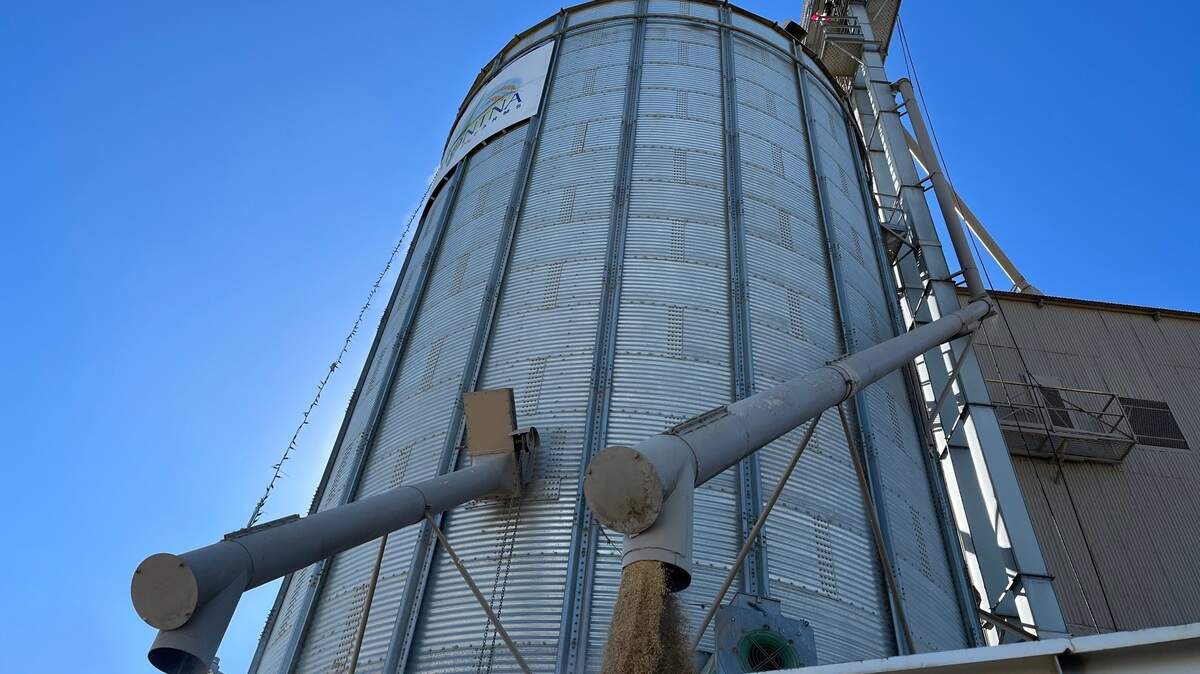
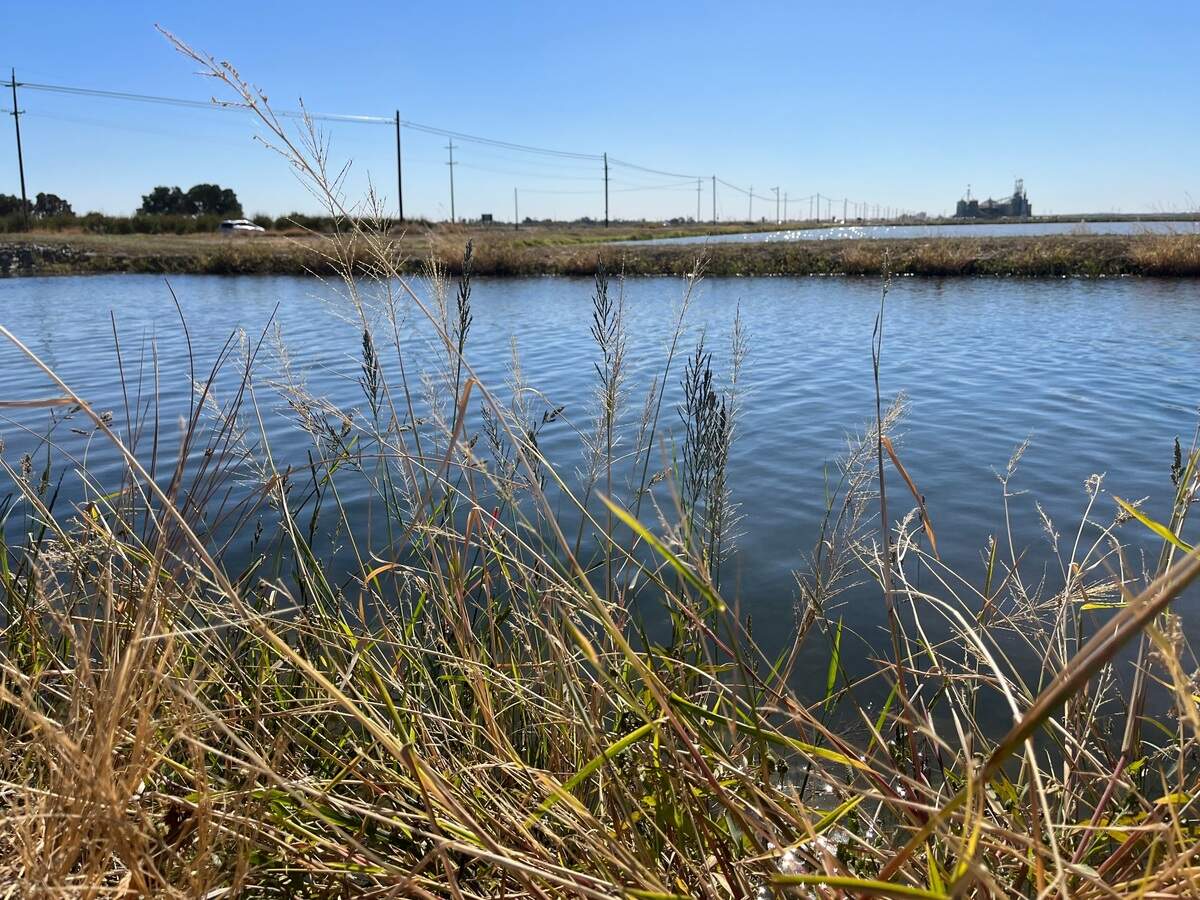
Flocks of birds have returned to the shallow waters along Highway 99 south of Yuba City where fields of rice grew weeks before, a sure sign that harvest is over and winter is near.
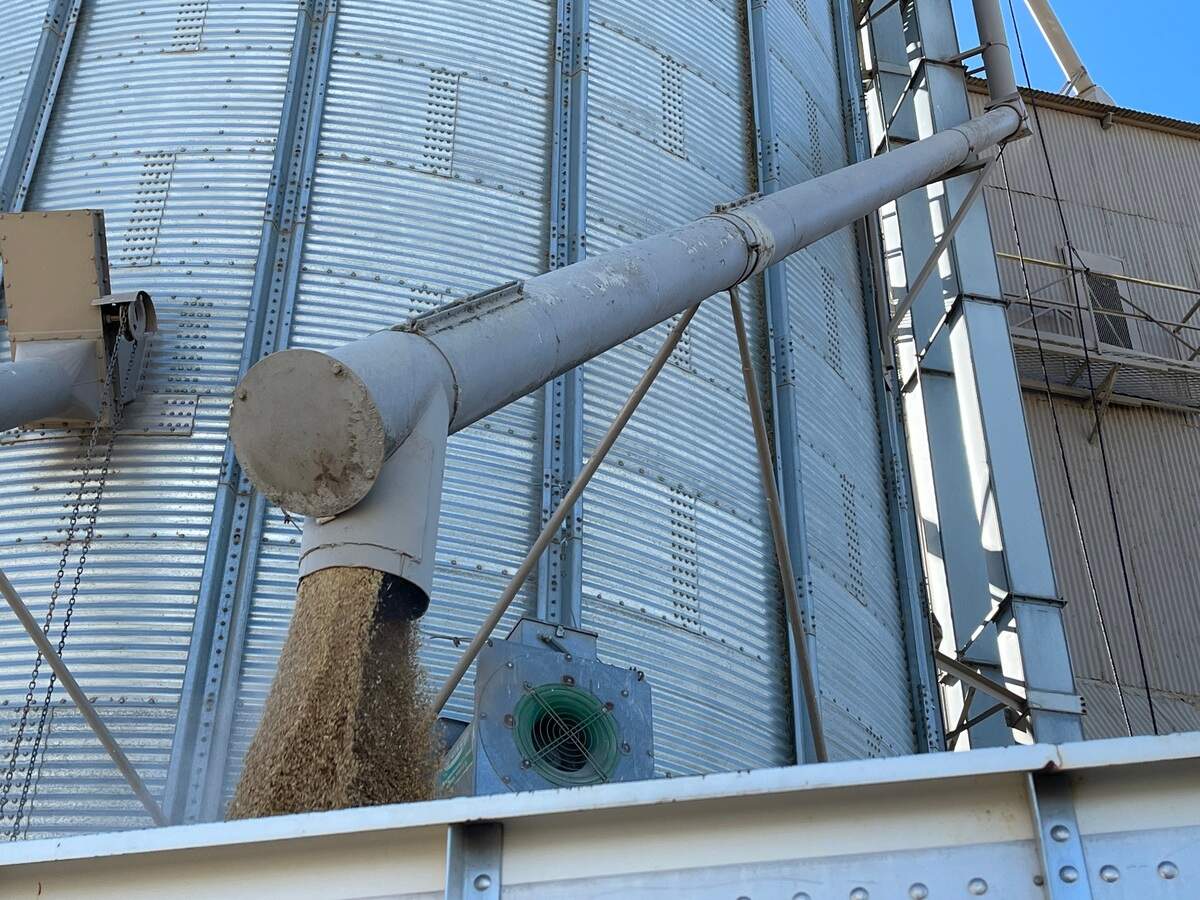
Like most crops throughout the state, by this point in the year, the rice fields of Montna Farms have been harvested and stored. Testing of the farm’s medium grain rice has come back at a typical, high quality, said Jon Munger, Montna Farms vice president of operations.
But it remains to be seen whether this summer’s heat wave in the Sacramento Valley affected the quality of rice planted and harvested later in the season.
“Potentially that heat could create a little less quality crop,” he said.
As the calendar year of growing nears its end, farmers in Sutter County expect this summer’s heat wave that lasted through July to have affected the overall crop production for a number of varieties, although wide-scale damage from the heat was mostly averted.
“We’ve heard from some that that is an issue,” said Nicole Montna Van Vleck, president and CEO of Montna Farms, “but it’s still early to know how widespread that is for the whole crop, for the entire California crop.”
That stands in contrast to a relatively strong showing for many of the county’s farmers last year as the total value rose for several of the county’s top crops, including rice, canning tomatoes and peaches, as reported by the Sutter County Agricultural Commissioner’s office earlier this month.
Rice rebounds from drought
Sutter County had a bounceback year for rice production in 2023, producing 541,000 tons, which eclipsed this century’s previous high of more than 531,000 tons produced in 2019, according to data from the agricultural commissioner’s office.
But the up year followed a very poor growing season in 2022 due to effects of a drought the local rice industry is still recovering from, Montna Van Vleck said.
“You talk to almost all the rice farmers in the Sacramento Valley and I think almost all of them would agree that 2022 was the worst year from a drought perspective that we’ve ever experienced,” she said, “as to how it affected the ability to plant rice.”
Statewide rice production was only about half of its typical 500,000 tons in 2022. The effects of that shortfall on growers has continued through the present, Montna Van Vleck said.
“It was a highly unusual event,” she said.
The low supply of rice in 2022 drew a high price of $759 per ton, helping the total dollar amount stabilize. The price in 2023 was expected at about half of that number, with this year’s price still uncertain as California’s rice industry rebounds, Montna Van Vleck said.
The farm’s short grain rice has graded well this year, Munger said.
“That might be what we see on the medium grain but we may see a little bit of a change in lower quality we got from the later crop because of the heat,” he added.
Flirting with disaster
Whether it’s extreme heat or unseasonable cold, there are many ways even a brief bout of weather can affect a given crop. It often depends on if the inclement weather occurs during a critical time in its development.
That was avoided this summer, for the most part, when a bout of extreme heat hit the Sacramento Valley.
Sixteen consecutive days from the end of June into the middle of July brought daily highs greater than 100 degrees, reaching as high as 112 degrees three of those days, according to temperatures measured in Marysville by the National Weather Service office in Sacramento. Twenty-two days in July reached triple digits, including 16 greater than 105 degrees.
There are various weather-related events that could harm crops, from summer heat to any late-winter weather that keeps bees from flying and pollinating almond trees during their bloom.
“In that context, we always have those issues come up more than heat,” said Lisa Herbert, Sutter County agricultural commissioner.
County agricultural commissioners can declare an agriculture-related disaster when more than 30% of a crop’s yield is lost, based on a five-year countywide average, which is rare and has not occurred this year, Herbert said.
“I think folks are wanting to blame the heat for disaster declaration purposes and we have not had 30% loss of yield in any single commodity for that purpose,” she said. “So we have not declared a disaster for anything heat related.”
What about other crops?
Clingstone peaches remained the third most lucrative crop in Sutter County last year with a nearly 40% rise in gross revenue. But this year, the cannery-bound crop also faced challenges from heat.
Kulwant Johl, who farms cling peaches, prunes, walnuts and almonds said that the heat wave affected the size of peaches during the early harvest in July, but his were not affected as much as some other farmers experienced.
“Early varieties got affected more than the later ones,” he said.
For some farmers, the temperatures in July limited the size of peaches from early harvests, which could become a problem at the point of sale. When a cannery receives a shipment of peaches, if more than 5% are smaller than the buyer dictates, the whole load gets dumped, he said.
“Luckily it didn’t happen to me, but it happened to quite a few growers,” he said.
In turn, farmers invest more in sorting the fruit before shipping it out, to ensure the size meets requirements, which consequently adds to the production cost.
As a result, peach production may have fallen this year compared to last. A good price can make up for a down year, and through supply and demand, sometimes comes as a direct result of less production. The price for most crops and nuts isn’t set at the time of the sale, with farmers sometimes not learning the true price they fetched until getting paid months later.
Peaches are an exception, Johl said, as growers statewide collectively negotiate prices with canneries in advance through the California Canning Peach Association, of which he is a board member.
The amount of prunes harvested and sold from Sutter County last year stayed relatively even with the year before, but an increase in price drove higher overall revenues. However, that may change this year as prunes were affected by this summer’s heat.
“When temperatures go high, fruits stop growing, and the tree is stressed out,” Johl said.
But that natural stress reaction sometimes comes with benefits.
Walnuts saw an increase in price and production last year but remained in relatively poor overall standing. Farmers expect that to change this year, as walnut prices are expected to rise significantly, Johl said.
This year’s walnut crop was down statewide, Johl said, which through principles of supply and demand raises its value.
He said the price farmers were paid last year for walnuts didn’t cover the cost of producing them, but this year the price is expected to roughly double.
“They’re not committing to any price right now, it’s all rumors,” he said.
This year’s almond crop was light, which matters when sold by its weight.
Almond production was down last year because of frost that came during its blooming season. This year’s bloom was uninterrupted but now the overall weight is also expected to come in lower than expected, Johl said.
“The nuts were not heavy enough,” Johl said. “The meat in the almond was not heavy.”
This story was originally published October 30, 2024 at 7:00 AM.