Daylight saving ends soon in California. Here’s when it’ll start getting dark
Get ready for an extra hour of sleep, California. Daylight saving time ends soon.
Exactly when do you have turn your clock back? And how early will it start getting dark after the time changes?
Here’s what you need to know:
When does daylight saving time end in California?
Daylight saving time ends on the first Sunday of November, according to Time and Date, an online world clock.
This means sunrise and sunset will be earlier and there will be more sunlight in the mornings.
Clocks officially will “fall back” at 2 a.m. on Sunday, Nov. 3, giving people a chance to sleep in for one extra hour.
When will it start getting dark in California?
Sunrise and sunset will be about an hour earlier on Sunday than the day before, according to Time and Date.
“There will be more light in the morning and less light in the evening,” the website said.
On Sunday, the sun will rise at 6:15 a.m., according to Time and Date.
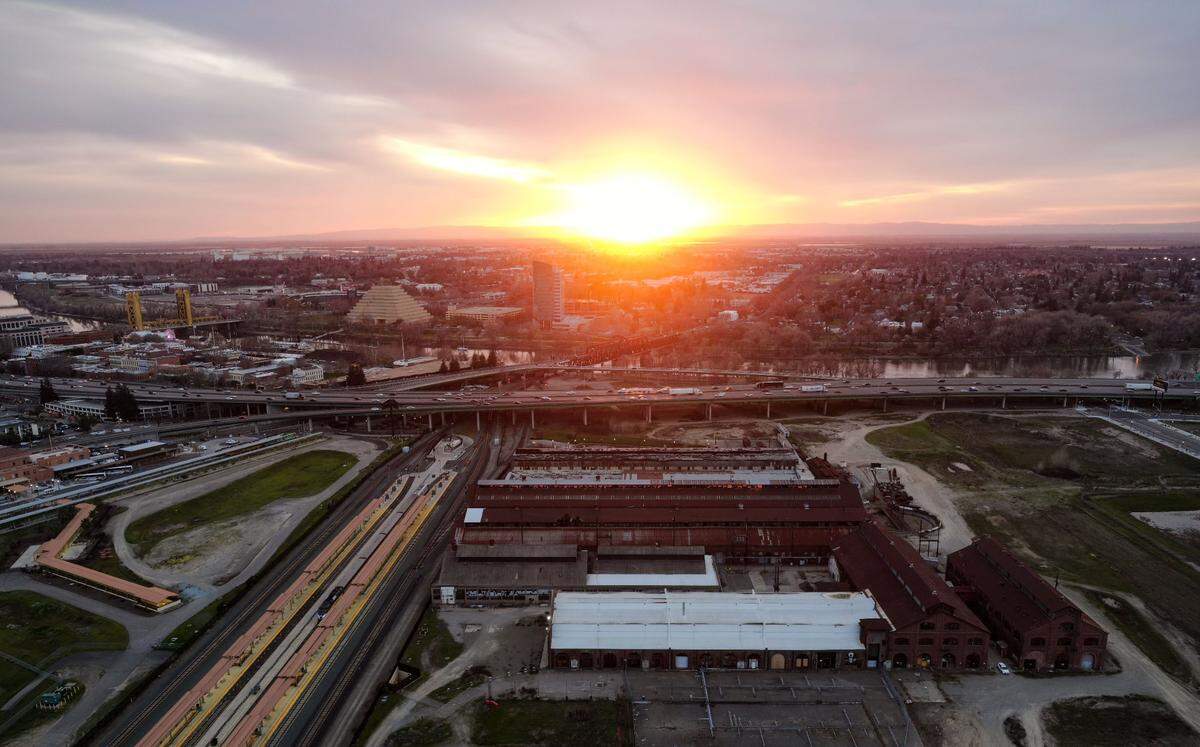
The sun will set at 4:54 p.m.
In the days leading up to the winter equinox on Saturday, Dec. 21, daylight hours will gradually shorten as nights grow longer.
Will the time change affect my mood?
The end of daylight saving time can disrupt our sleep patterns and body clocks, according to Deborah Fernandez-Turner, a deputy chief psychiatric officer at CVS Health.
As our bodies take the time to adjust to a new sleep schedule, she said, it can be especially challenging as winter brings darker, gloomier days.
“Remember that an hour sounds like nothing but, really, it is a big change,” Fernandez-Turner previously told The Sacramento Bee. “So be gentle with yourself.”
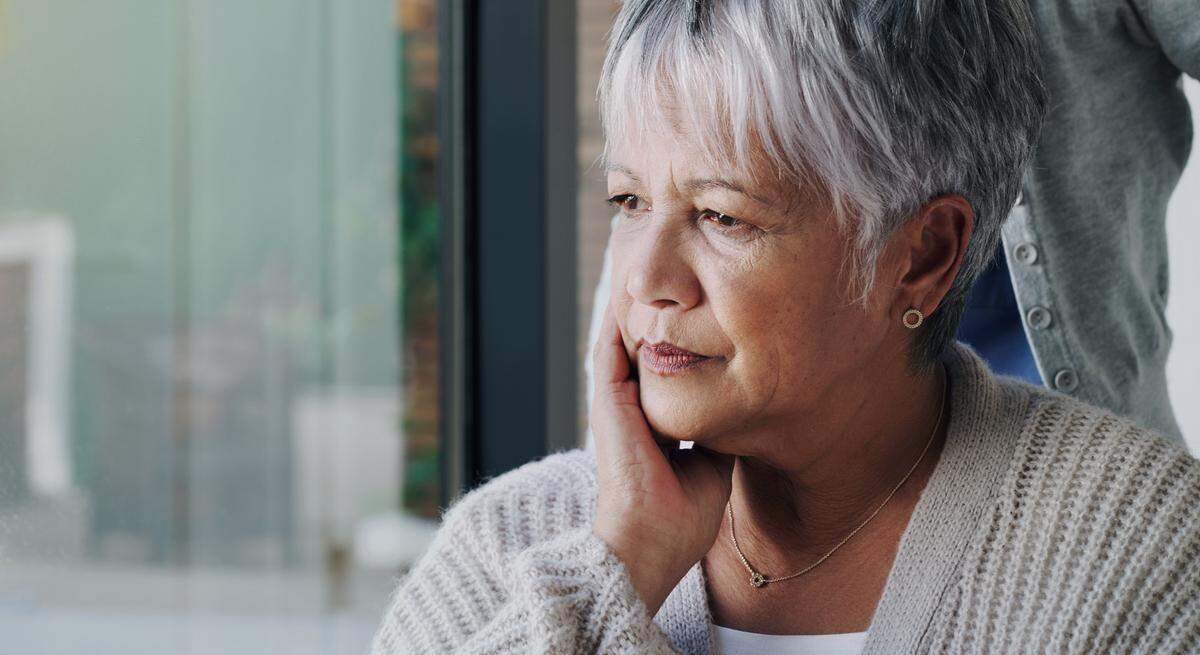
While this change doesn’t cause seasonal affective disorder directly, she said, it can intensify symptoms like fatigue, irritability and general sadness.
To manage these effects, Fernandez-Turner suggests seeking support from a mental health professional to clarify whether symptoms are related to seasonal affective disorder or another condition.
She recommends practical strategies to ease symptoms, including getting sunlight or using a light therapy box, staying active and gradually adjusting sleep schedules.
When do we change clocks again?
Daylight saving time starts again on Sunday, March 9, 2025.
Time will “spring forward” by one hour at 2 a.m. that day.
Do other US states have daylight saving time?
Not all states in the United States observe daylight saving time.
Under the Uniform Time Act, states can choose to participate or stay in standard time all year. For example, Hawaii and most of Arizona observe permanent standard time.
There have been movements in California and across the country to establish a permanent time.
In 2021, U.S. Sen. Marco Rubio proposed establishing permanent daylight saving time throughout the country with the Sunshine Protection Act.
The bill passed the Senate in March 2022 but has yet to clear the U.S. House of Representatives.
This story was originally published November 1, 2024 at 11:54 AM.