Sacramento to recommend people for new mental health court, officials say. What that means
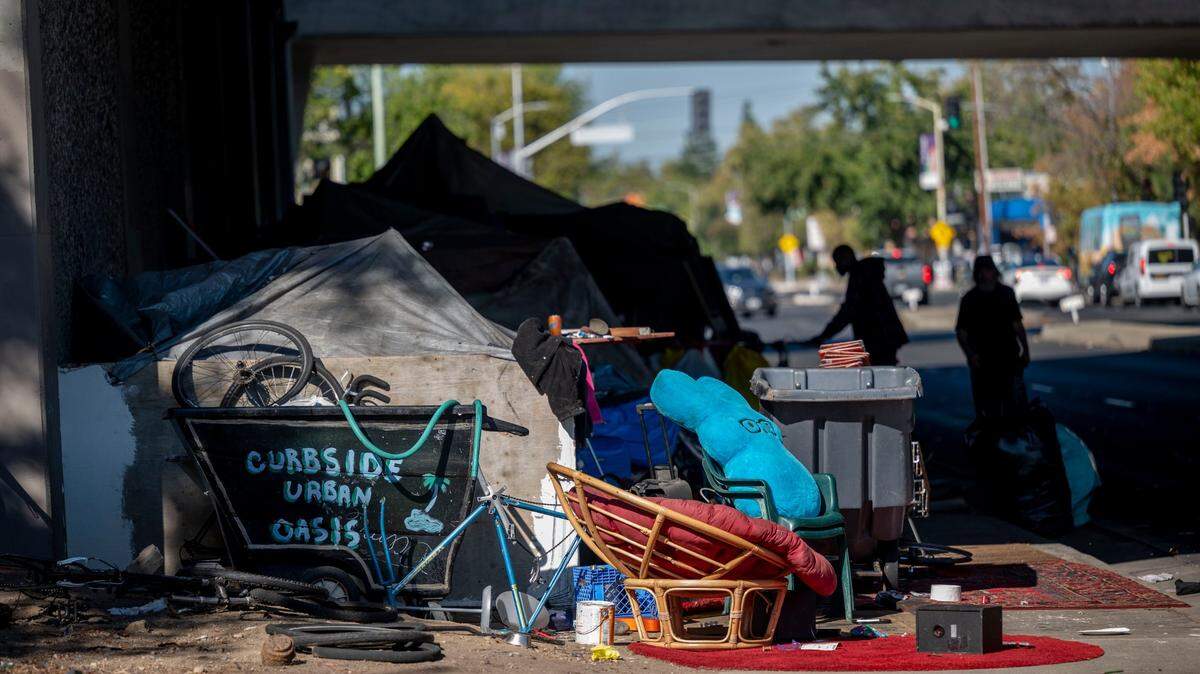
Sacramento plans to file petitions on behalf of at least three people in the coming weeks who city officials believe can benefit from a recently-expanded state mental health program.
That announcement came during a press conference Monday a little over a week after the initiative, called CARE Court, officially launched in Sacramento County. The court allows family members, health care providers and others to request that people struggling with schizophrenia and other mental health conditions receive medical care, housing and other services from county agencies.
The move represents an early effort by city officials to start using the new program, which they hope can help people facing homelessness, mental health challenges and substance abuse.
“This is a new tool that we did not have before,” said City Councilman Eric Guerra.
The CARE Court program launched in October of 2023. It started in seven counties and later expanded to others. Under the law, all counties in the state were supposed to start a CARE Court no later than Dec. 1, which is the day Sacramento County officials opened its program.
A Sacramento County spokesperson did not know how many petitions have been filed so far.
Gov. Gavin Newsom supported the initiative and it received nearly unanimous support in the Legislature. But the program also faced opposition from advocacy groups that argued it was an unproven system and that it could lead to forced treatment.
People have a chance to voluntarily take part. But a CARE Court can order involuntary treatment in certain circumstances.
“There is nothing compassionate about allowing someone who cannot make decisions for themselves to be on our streets,” said City Councilwoman Karina Talamantes. “It is our responsibility.”
City officials have for years worked to offer housing and other services to homeless people. A report from earlier this year showed the population declined, but there were still several thousand unhoused people on its streets.
In the first nine months of CARE Court, 557 petitions were filed on behalf of people across the state. That fell short of the program’s initial objectives, KFF Health News reported recently.
“Three of course is a small number,” said Mayor Darrell Steinberg, whose term ends Tuesday “But once we get it right, we can increase the number of petitions to meet the need.”
Brian Pedro, the director of the city’s Department of Community Response, said the three people were identified by reviewing an internal homeless management database and people who were frequently using the police or fire department.
The city’s goal isn’t to “flood the courts with petitions,” Pedro said, but to only put forward strong candidates for treatment.
This story was originally published December 9, 2024 at 3:45 PM.