Winter is almost here. When will California start getting more daylight?
The nights have grown colder and darker across California as the shortest day of the year draws near.
The sun is now setting before 5 p.m. and not appearing until 14 hours later, around 7 a.m.
Even though it’s mid-December, it’s not officially winter just yet.
The winter solstice marks the start of the new season and the longest night of the year, when the state experiences the fewest hours of sunlight during the day.
When is the solstice this year?
Here’s what to know about the start of winter and the return of sunlight.
When does winter officially begin?
In the Northern Hemisphere, the winter solstice takes place annually on Dec. 20, 21, 22 or 23 depending on the year, according to online calendar Time and Date.
In 2024, the first day of winter falls on Saturday, Dec. 21.
The winter solstice will also fall on Dec. 21 next year.
The next Dec. 20 solstice isn’t until 2080 and a Dec. 23 solstice won’t occur until 2303, Time and Date said.
What is the winter solstice?
The winter solstice occurs when the sun travels south in its path in the sky, according to the Old Farmer’s Almanac.
“On the day of the winter solstice, we are tilted as far away from the sun as possible, which means that the sun’s path across the sky is as low in the sky as it can be,” the Old Farmer’s Almanac said.
You can observe the solstice by standing outside at noon and taking a glance at your shadow, the Almanac said.
On the winter solstice, you’ll cast the longest shadow of the year due to the sun’s tilt.
During the solstice, the Northern Hemisphere typically has cooler temperatures because of the lack of direct sunlight, NASA said in a blog post.
When winter starts in the Northern Hemisphere, it’s the beginning of summer inthe Southern Hemisphere.
What time will sunrise and sunset happen?
On Saturday, Dec. 21 — the winter solstice — sunrise will occur at 7:20 a.m. and sunset will be at 4:48 p.m., according to Time and Date.
On the shortest day of the year, Californians will only see nine hours, 28 minutes and 12 seconds of sunlight.
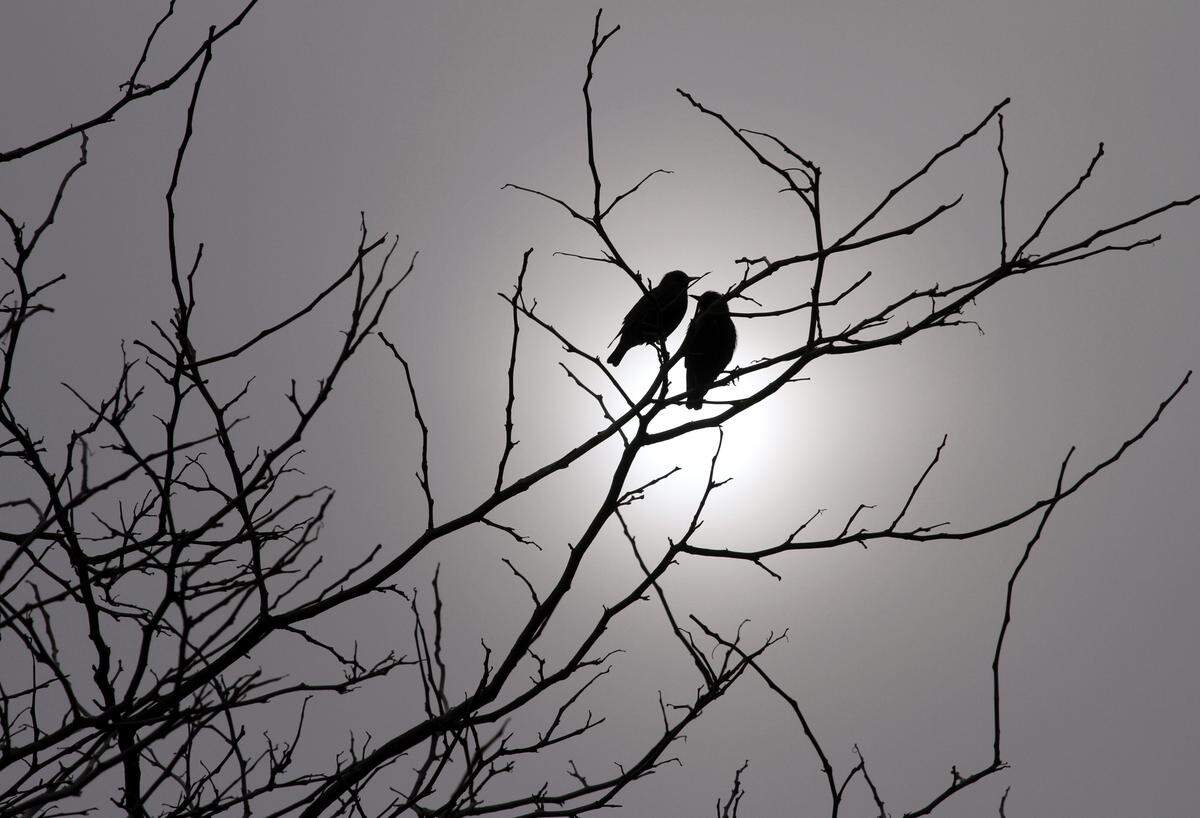
When will California get more daylight?
After the winter solstice, the days begin to get progressively longer.
The day after the winter solstice, California gains three seconds of daylight, according to Time and Date.
By the end of December, the state will have gained an additional 3 minutes and 22 seconds of daylight.
By Jan. 31, the days will be 47 minutes and nine seconds longer.
By the time the vernal equinox, the first day of spring, rolls around on March 20, those in the Northern Hemisphere will have gained two hours and 41 minutes and 20 seconds of sunlight, according to Time and Date.
On the spring equinox, the Sun “crosses the celestial equator” and we experience equal hours of daylight verses night time, according to Time and Date.
The sun will rise at 7:08 a.m. on the spring equinox and set at 7:18 p.m., according to Time and Date, which will equal 12 hours, nine minutes and 32 seconds of sunlight.