
Scot Pollard’s heart was failing — and a new one wasn’t easy to find
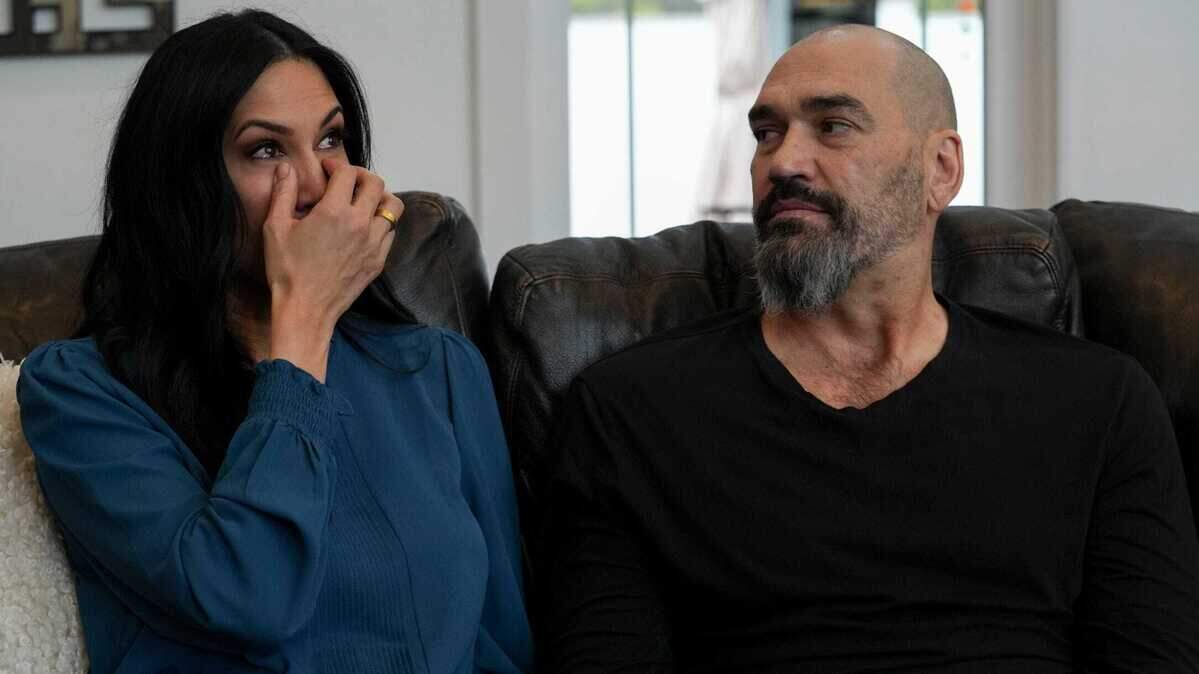
A few weeks shy of both his 50th birthday and the one-year anniversary of the surgery that saved his life, Scot Pollard acknowledged he was never going to work again.
Pollard, who played forward and center for the Sacramento Kings from 1999-2003 and will turn 50 on Feb. 12, received a heart transplant on Feb. 16, 2024. He has made progress since then, but some things are different now and maybe always will be, such as his ability to hold down a job.
“I can’t be depended on to say, ‘Hey, I can go in and be there every day,’” Pollard said in a phone interview on Jan. 21. “Because there’s still days where my body just says, ‘Nope, you’re not leaving the house today.’”
From doctors, Pollard has learned to pay attention to his body. When he’s feeling up to it, he can still push himself to his limits. If his body says stop, he has to listen.
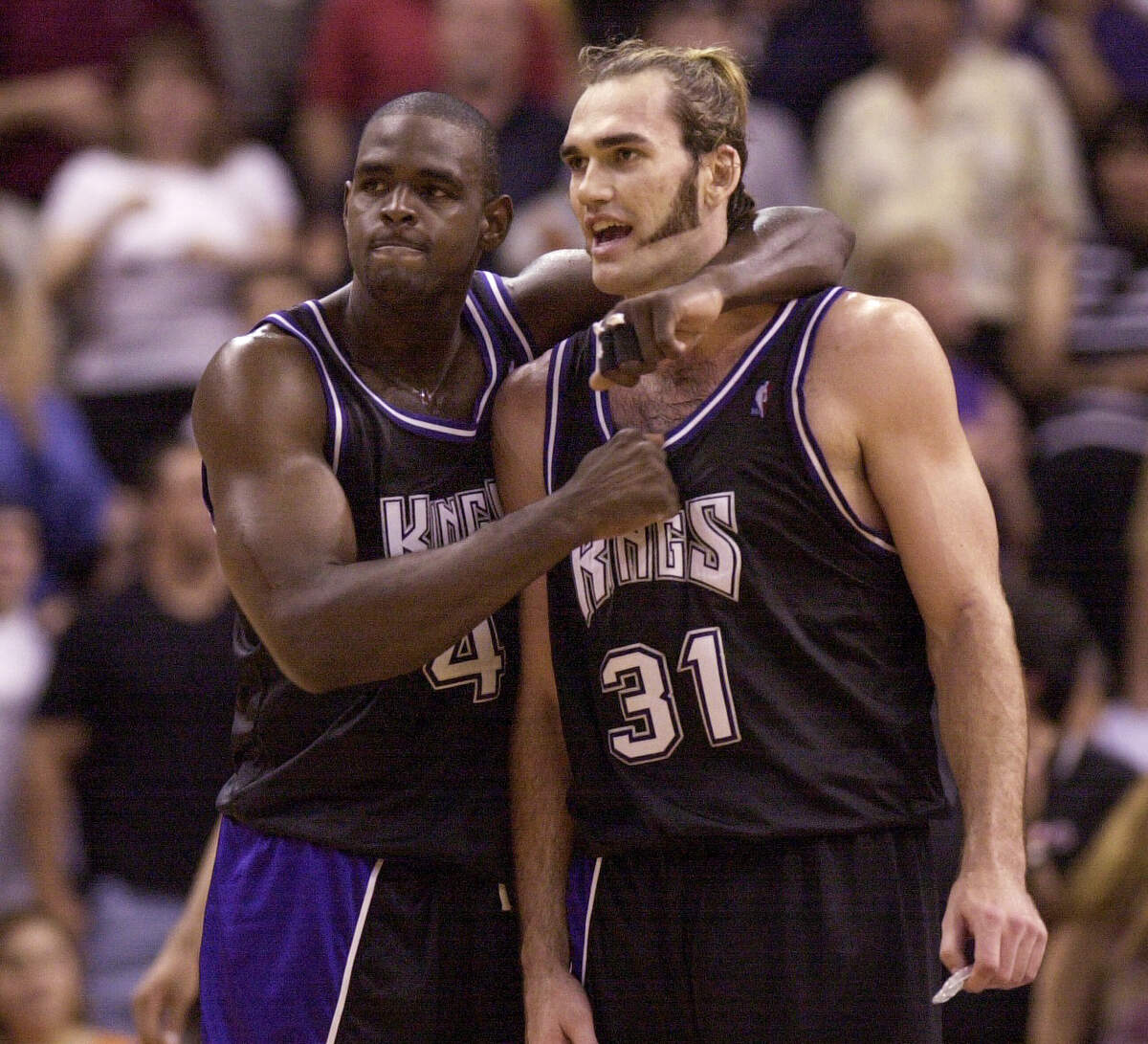
In his prime, Pollard was an integral member of the winningest teams in the Kings’ four decades in Sacramento, as its best big man off the bench and a colorful personality to boot. But it’s what Pollard’s been through with his transplant and what he is doing to help others that might wind up being his finest legacy.
Why Pollard needed a heart
Right away, Dr. Jonathan Menachem knew something was off.
It was Feb. 6 of last year and Pollard was at Vanderbilt University Medical Center in Nashville, Tennessee and meeting Menachem for his second appointment that day. A transplant cardiologist at the center, Menachem saw Pollard being pushed in a wheelchair by his wife, Dawn Pollard, which struck Menachem as odd.
Menachem, who attended Duke University and is a fan of its men’s basketball team, recognized Scot Pollard, who was wearing gear for his alma mater, the University of Kansas. He asked Pollard why he was in a wheelchair and Pollard told him he had had a rough previous day with many clinic visits.
Menachem invited Pollard to walk with him to the exam. Pollard struggled to keep up, huffing and puffing. Things didn’t get better when Menachem’s team had Pollard sit on an exam table. “He just looked sort of gray,” Menachem said. “His pulse was kind of thready. He was short of breath.”
Pollard still remembers what Menachem said that day: “You look like s---. I’m keeping you. You’re not leaving this hospital without a new heart.”
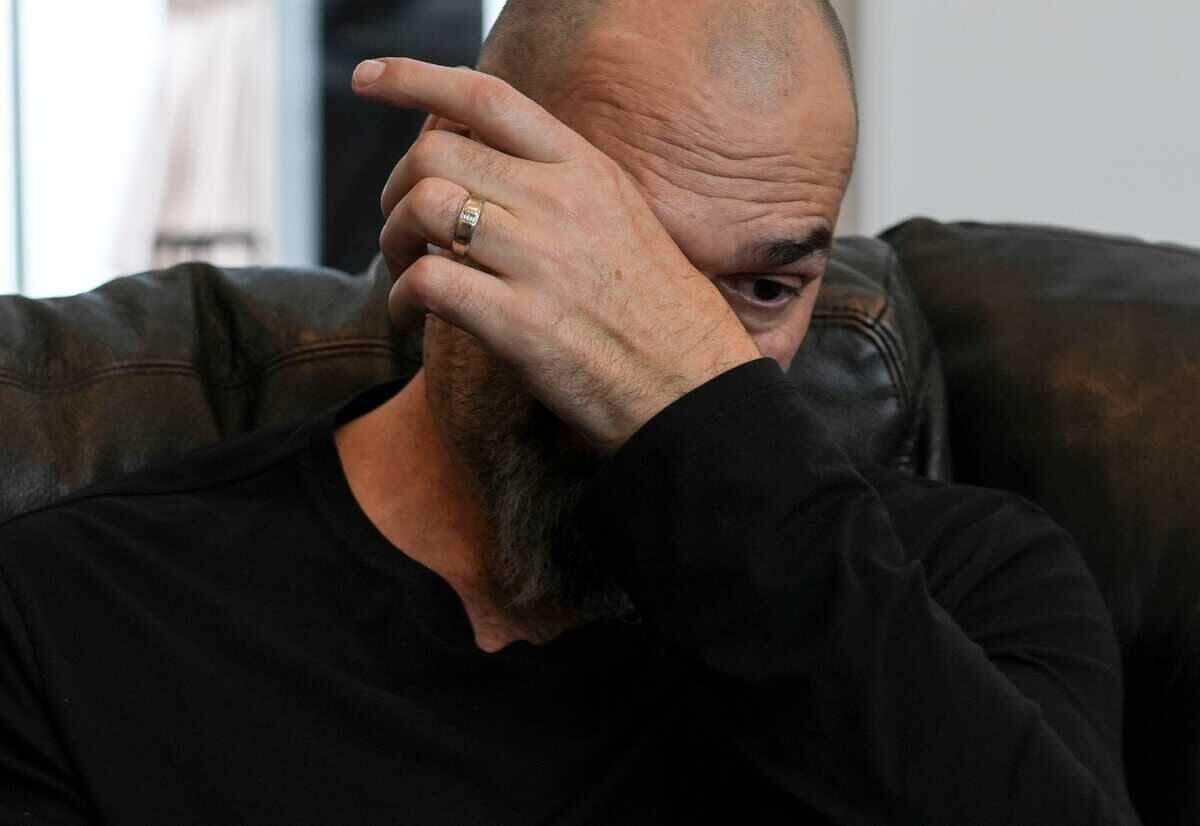
At that point, Pollard had been experiencing heart failure for almost three years, being listed for a new heart at hospitals near his suburban Indianapolis home and the University of Chicago before listing with Vanderbilt.
Cardiac problems run in Pollard’s family, with his father dying of heart failure in 1991 and two of Pollard’s five siblings currently on pacemakers. “When there’s four people in one family that have heart failure, it’s – it’s a genetic disease,” Menachem said.
By early 2024 the situation was dire, with Pollard likely only having months to live without getting a transplant, according to Menachem.
Further complicating matters was Scot Pollard’s large frame, at 6 feet 11 inches and close to 300 pounds. He would need a heart from a large individual at least 6 feet 3 inches tall. “The way I sort of stupidly explain things to people is you can’t put a Honda Civic engine into an F-150,” Menachem said.
Five days after Menachem met Pollard, his family came to town for Super Bowl Sunday. Pollard learned he was to not eat anything after midnight, because he would be getting a new heart the following day, his 49th birthday.
“Our family and loved ones and everybody was praying for us and we were all excited,” Scot Pollard said. “And then Feb. 12 came around and we were waiting and waiting and waiting and it was a dry run as they call it – that heart wasn’t viable.”
Pollard was told not to eat anything just yet, because there was possibly another heart available.
“And then about 15-20 minutes later, they called back and said, ‘This one’s a no-go either. Have some dinner,’” Pollard said. “And by that time, yeah, it was dinner time, so I was starving.”
Pollard didn’t know it then, but hundreds of miles away, another family’s tragedy was unfolding.
The man who provided Pollard’s heart
Casey Angell didn’t care that much for sports.
He had played football growing up in east Texas but it wasn’t his greatest passion. The things that mattered most to Angell? His adolescent son. Fishing. And Chinese food – Angell loved it so much his family gathered at a small, hole-in-the-wall restaurant in Lindale, Texas on his first birthday after his death.
“He was a – for lack of better term – good old boy,” Angell’s sister Megan Tyra said. “He had a helper’s heart. He would help anybody do anything.”
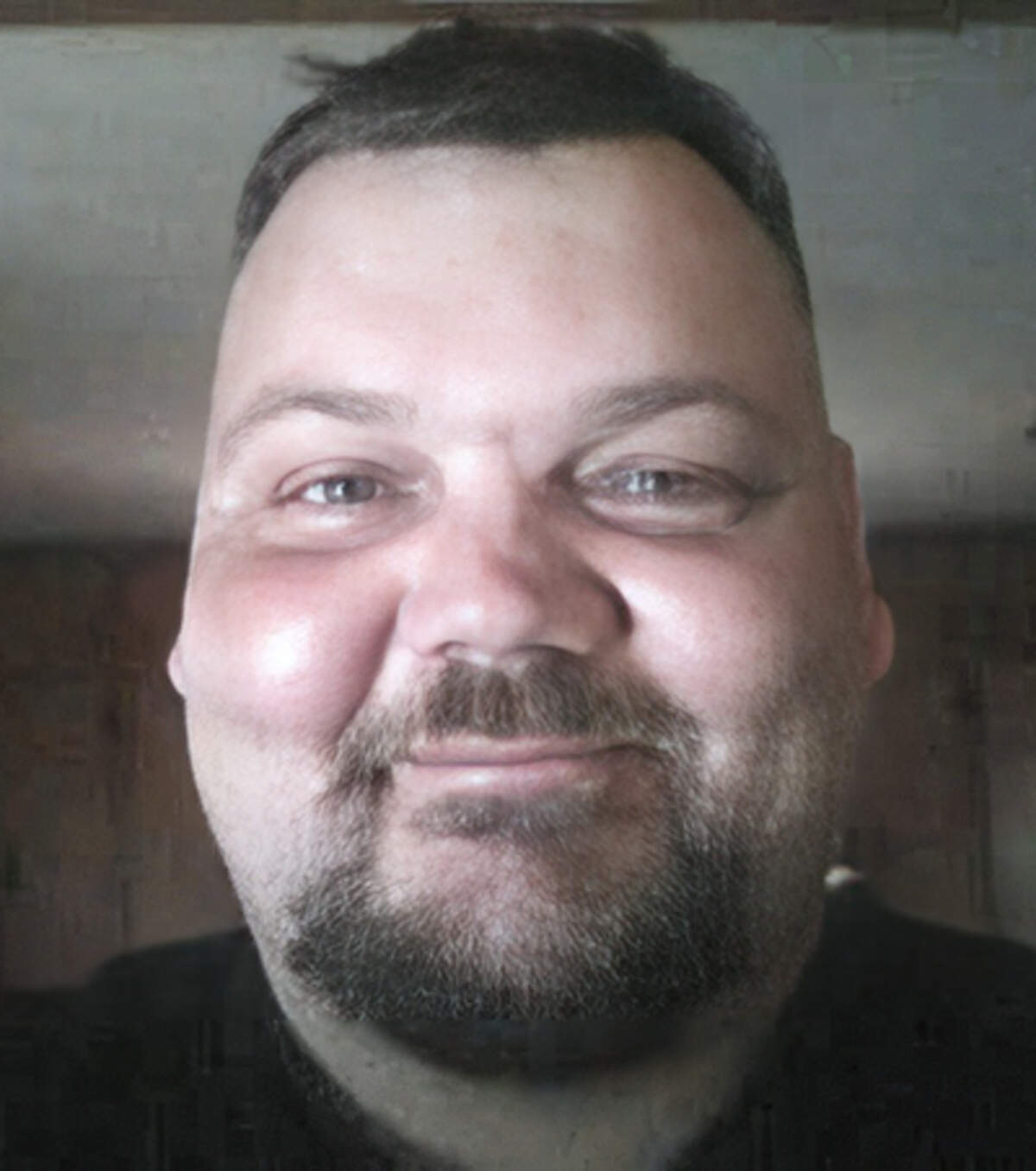
Angell worked as a forklift driver before he became sick and was hospitalized a few months after his 45th birthday at UT Health Tyler. He would die from respiratory failure, with Tyra believing her brother’s lungs were affected by things he was exposed to in his work.
On Angell’s 11th day in the hospital, his family learned they would need to make an end-of-life decision, since he could only be on a respirator on life support for so long.
This presented an opportunity.
When a person has been declared brain dead and is hooked up to a respirator, their organs can potentially be recovered and transplanted into other people, sometimes saving lives. Technological advances in recent years have made it so that organ recovery can occur not only after brain death, but even circulatory death – what is known as a DCD donation.
“That really is a new frontier in heart transplantation,” said Dr. Ashish Shah, Pollard’s transplant surgeon.
Federal law makes it so that local organ procurement organizations, or OPOs such as the Southwest Transplant Alliance where Angell was located, work with hospitals to find potential matches for organs at centers like Vanderbilt, which set a record in 2024 by transplanting 174 hearts.
“I think a lot of the recovery organizations are great about kind of exhausting all possibilities,” said Kelli James, a spokesperson for Southwest Transplant Alliance. “We will keep going further to find a home for that gift, because we want to make sure, of course, that every gift is maximized and that we’re honoring that gift of yes in donation.”
At 6 feet 3 inches and somewhere between 250 and 270 pounds, Angell was large enough that his heart could potentially be a match for Pollard.
A representative for Southwest Transplant Alliance approached Tyra and Angell’s wife Pam Angell at the hospital. It’s unclear if Casey Angell was on the organ donor registry. Tyra isn’t aware that he was. But, after considering Angell’s giving nature, they decided to donate.
“We knew we were honoring who he was by doing that,” Tyra said.
In the middle of the night, Vanderbilt sent a five-member team on a plane to Texas to recover the heart. It wouldn’t be simple work. Because Angell was a DCD donor, the team used a technique known as normothermic regional perfusion to reanimate Angell’s heart while it was still inside his body. Typically, this is done for 50 minutes.
“That gives us enough time to assess the new heart,” Shah said. “It gives us enough time to nourish the new heart so that it can be transplantable later.”
After Angell’s heart was removed from his body, it left Texas in cold storage at 10 degrees Celsius to make the flight to Tennessee.
The road to recovery
When Scot Pollard and his wife learned on Feb. 15 that he would get a new heart the following day, they looked at one another and felt a calm.
“We just said, ‘Well, this is the one,’” Pollard said.
The surgery “went very smoothly,” Shah said. Pollard woke up afterward initially feeling horrible, with an intubation tube sticking out of his body and his hands tied down so he couldn’t remove it. When he was awake enough, the tube was removed.
“As soon as that thing came out is when I realized how sick I was,” Pollard said. “I took a big breath of air. My brain worked. Brain fog was gone. And I got a little upset because I realized how close I was to death.”
The Pollards stayed at the hospital until the end of February and then rented an apartment across the street for about a month before being able to return to Indiana. He faced a challenging first six months after his transplant, which is common for recipients, with Menachem saying Pollard experienced muscle atrophy and fatigue as his body adjusted.
Others who had had similar experiences were hopeful for Pollard. Former Kings equipment manager Dwayne Wilson, who received a heart transplant in 2021 at Stanford and reconnected with Pollard while he was preparing for his transplant, saw a social media post Pollard made after getting out of the hospital about attending one of his children’s football games.
“I just kind of smiled,” Wilson said. “I was like, ‘Yeah, he’s ready. He’s good.’”
Almost a year on from his transplant, Pollard said he mentally feels like himself again. Physically, things will never be like they were for him before heart failure. “There’s never going to be a time where it’s just like, ‘Oh, I can just go back to normal,’” Pollard said. “But I do feel the best I’ve felt in years.”
Dawn Pollard said her husband isn’t 100% and that he is immunocompromised, but his personality has come back. “To see him back, being silly, a goofball, singing, cracking jokes, just yeah… he’s back,” she said.
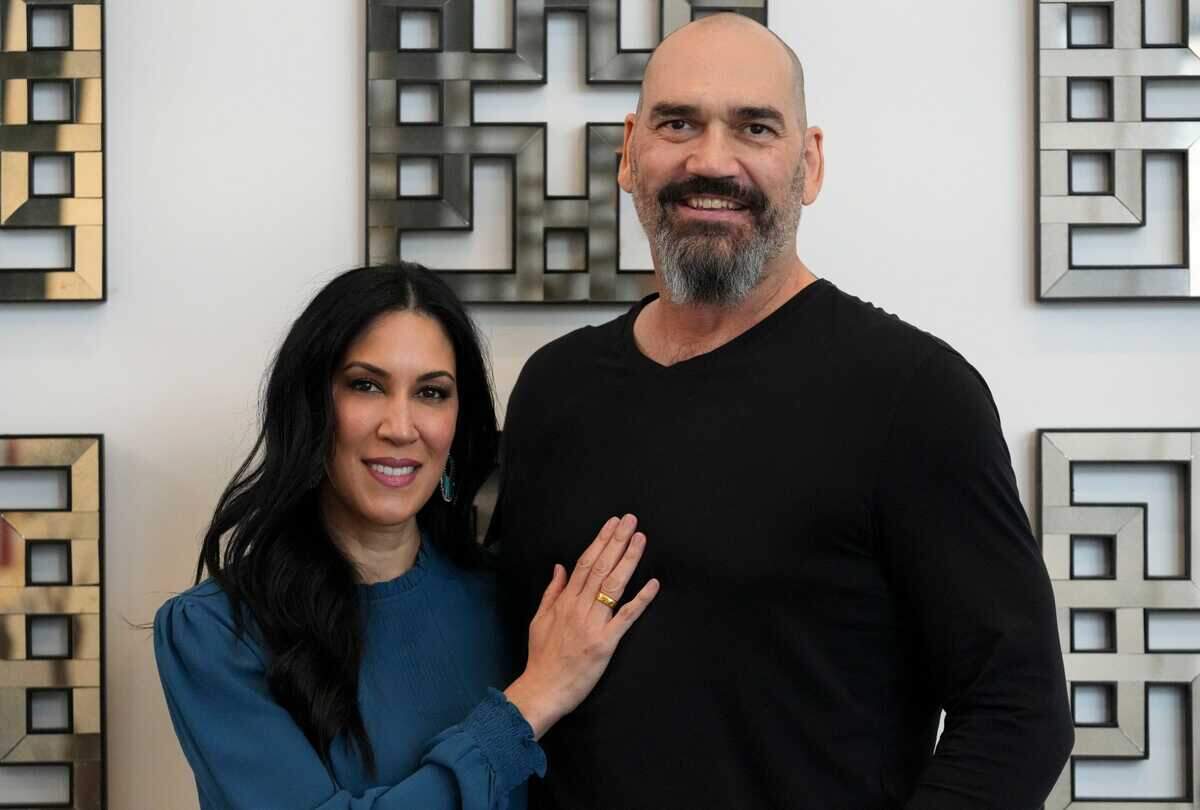
Menachem said Pollard’s now accustomed to his medications, is “not filled with fluid” and has completed rehabilitation.
“My God, he’s doing fantastic,” said Menachem, who has become friends with Pollard and recently traveled to North Carolina to attend a Duke basketball game with him. At the end of February, they will travel to Kansas with their families for a basketball game there.
Shah said Pollard recently traveled to Vanderbilt for a celebration for the center’s 2000th heart transplant and that “it’s incredible to see him.” Pollard reminds Shah’s team why they do what they do. “He is a good steward for that gift and all the effort that went into getting him that organ,” Shah said. “It’s not lost on him.”
On average, people live around 13 to 14 years after receiving heart transplants, though Menachem said this number takes everyone into account, even older individuals. “I think we would expect much better long-term results for Scot,” Menachem said.
Giving back
Pollard has been doing different things to share his transplant experience and raise awareness. He posts weekly on social media, calling it Transplant Tuesdays. It started as a way to just update people on how he was doing and evolved into trying to raise awareness about organ donation. He closes each week with, “Please consider becoming a donor.”
Beyond this, Pollard has been partnering with the Sacramento region’s OPO, Sierra Donor Services. That organization’s executive director Sean Van Slyck said the number of people in his OPO’s service area registered to be organ donors has risen 2 percentage points. “I like to think that was in part due to some of Scot’s efforts,” Van Slyck said.
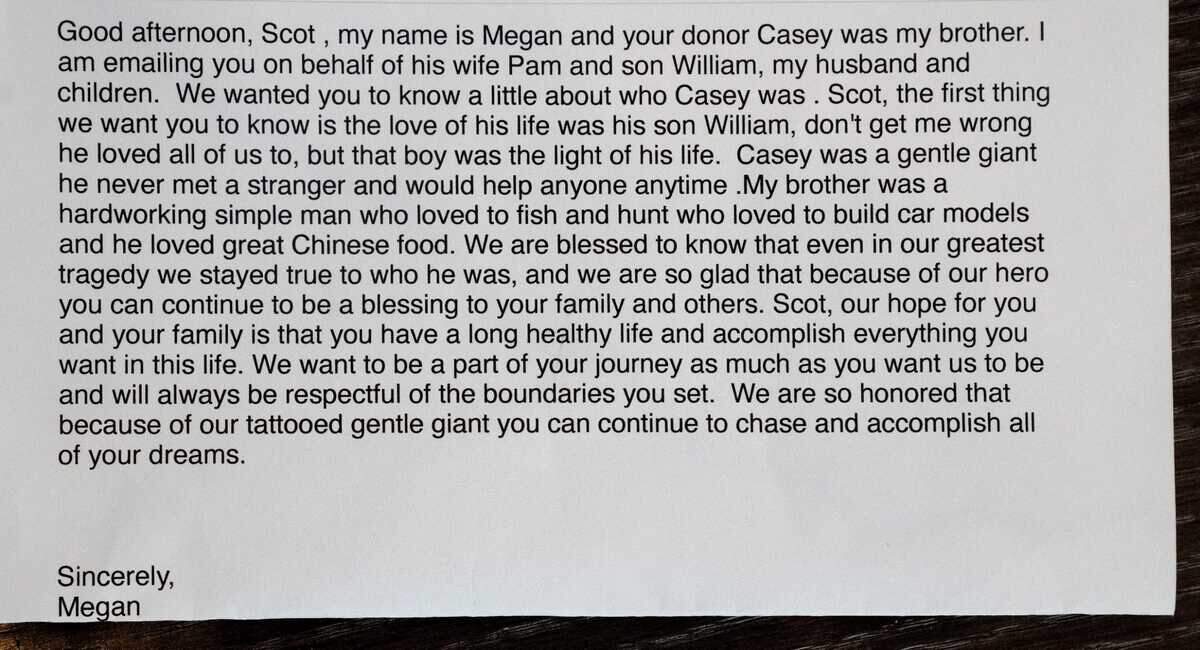
Pollard has also gotten in contact with Angell’s family members, initially writing them a letter and later speaking with them by phone the day they got Chinese food for his birthday. Tyra, who promised her dying brother she would look after his wife, relayed to Pollard when they first spoke by phone that she had told Pam Angell, “You’re stuck with us now.”
Pollard’s reply: “You’re stuck with us, too.”
Dawn Pollard has been in the process of setting up a nonprofit, Pearls of Life that her husband plans to speak free of charge through to raise awareness. He hopes people might consider donating to the charity.
“Casey Angell is my hero,” Scot Pollard said. “He’s my angel that’s given me more time with my family, more memories with my children, and I owe it to him to try to help other people come to that conclusion of, ‘Hey, you don’t know when it’s going to happen, but if it does, wouldn’t it be great if you could save some lives, help some people live longer?’”
Register to be an organ donor?
You can sign up to be an organ donor by visiting either of these websites:
▪ DonateLifeCalifornia.org
▪ DMV.CA.gov
This story was originally published January 28, 2025 at 5:00 AM.