
Wolf dogs on loose in Sacramento neighborhood, putting residents and animal control on alert
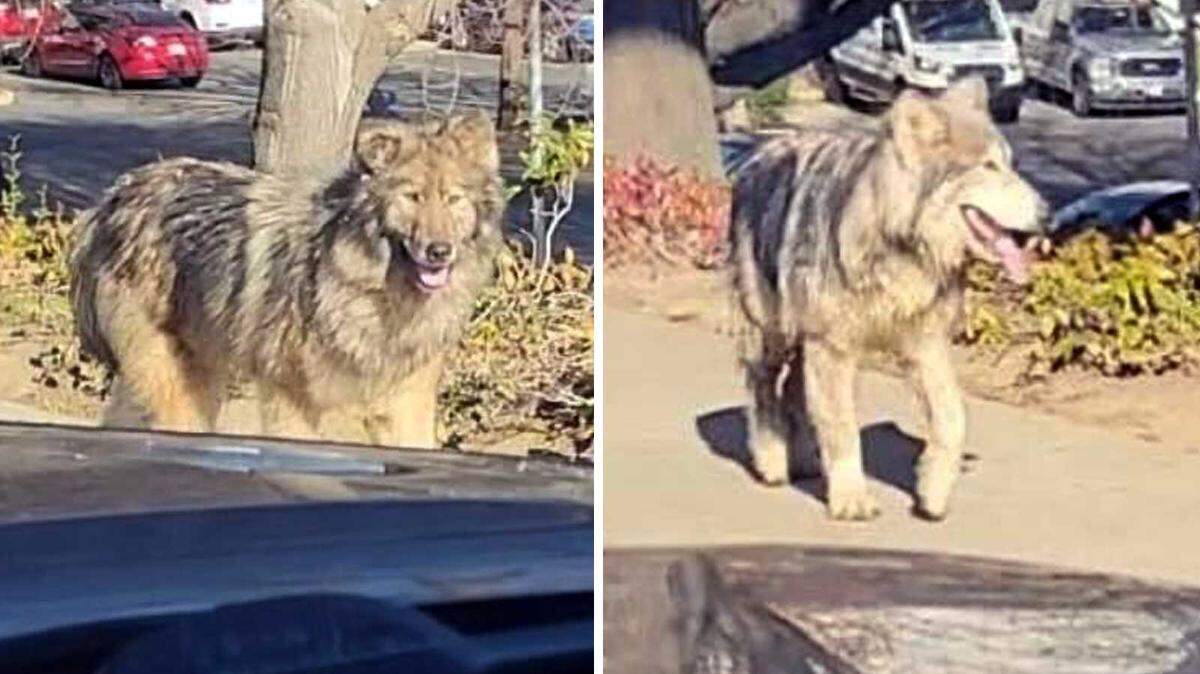
A pack of outsized wolf-dog hybrids seen roaming Discovery Park and nearby South Natomas neighborhoods have residents on edge and Sacramento animal control officers on alert.
“Our animal control team is aware of two domestic animals that were attacked by one or more of these dogs,” Ryan Hinderman, a spokesperson for the city’s Front Street Animal Shelter, said this week via email.
Five of the dogs were initially on the loose, Hinderman said. Three have since been captured Wednesday, but animal control officers continue to respond to sightings, he said. Officers are now seeking two dogs with black-colored fur.
The reports have gotten the attention of Sacramento City Councilwoman Karina Talamantes, who called on residents to call animal control officers if they spot the roving canines.
“We’ve heard from residents who are understandably fearful, as these are large animals,” Talamantes said via email Wednesday. She said her office is urging residents to call city animal control officers at 916-215-7102 with an exact address of the sighting immediately upon spotting the large dogs.
“We need all hands on deck,” Talamantes said.
Talamantes said the dogs have an owner and that animal control officials are in contact with them. Animal control officers also provided the owners with traps to try to corral the dogs, she said.
Talamantes’ office has been working closely with animal control officers. She said her office became aware of the wolf dog sightings last week.
“My office was first made aware of this issue last week after seeing postings online. Over the weekend, we received calls from neighbors voicing their concerns,” she said. “My concern, as always, is for the safety and well-being of my constituents and their pets, which is why I made a public post on social media about this issue to raise awareness and help ensure these animals are captured quickly.”
Nearly a dozen calls to the city’s 311 service in recent days tipped officials to the sightings. Natomas residents fearing that the hybrid breed blamed for at least two attacks on dogs and cats in the area may turn their sights onto larger prey.
Local restaurateur Jeff Davis captured photos of two of the dogs last week roaming Garden Highway across from Discovery Park above what appeared to be the parking lot of a nearby office park. His words accompanying the photos expressed alarm: “Saw two large wolves on Garden Highway across from Discovery Park. These are huge and could kill any human.”
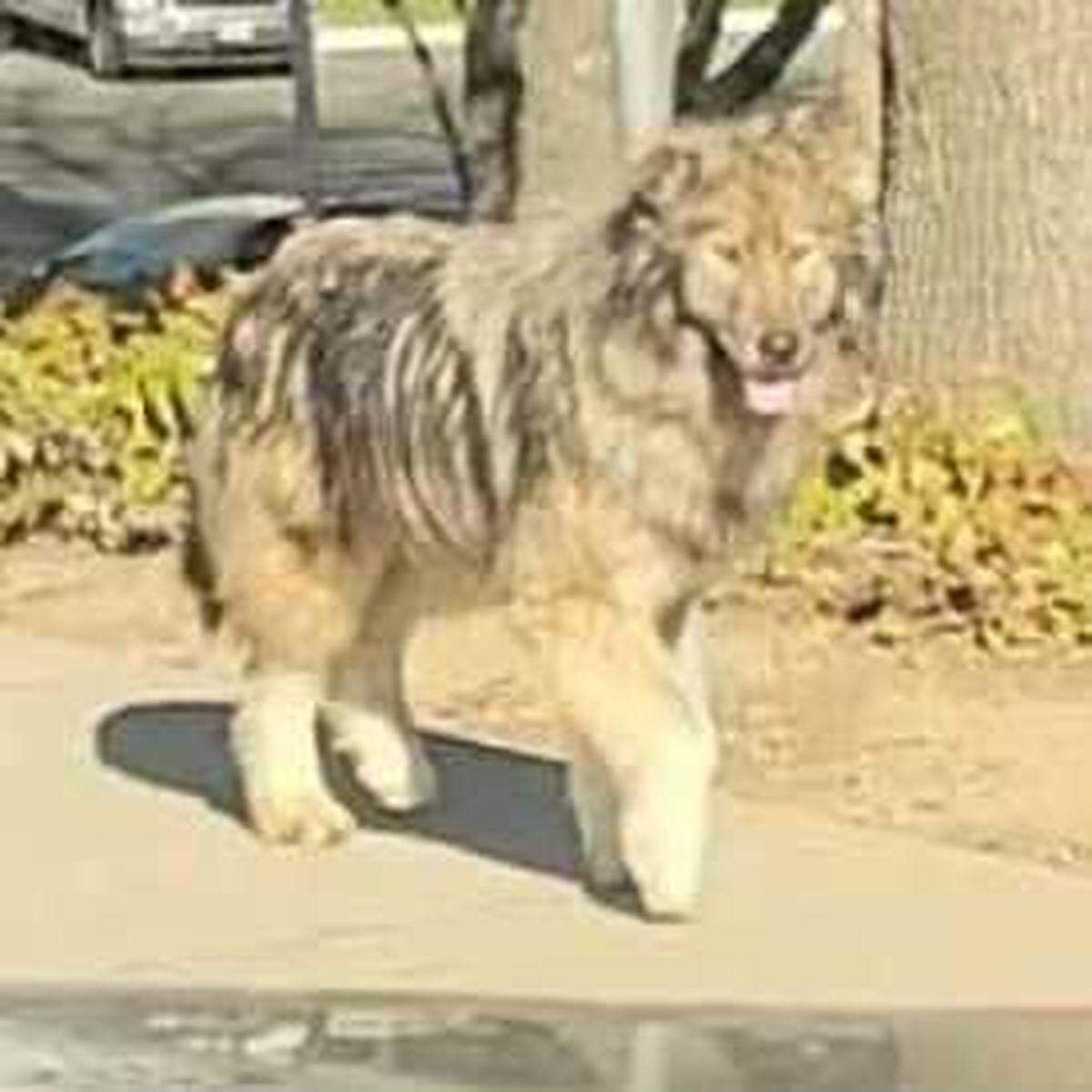
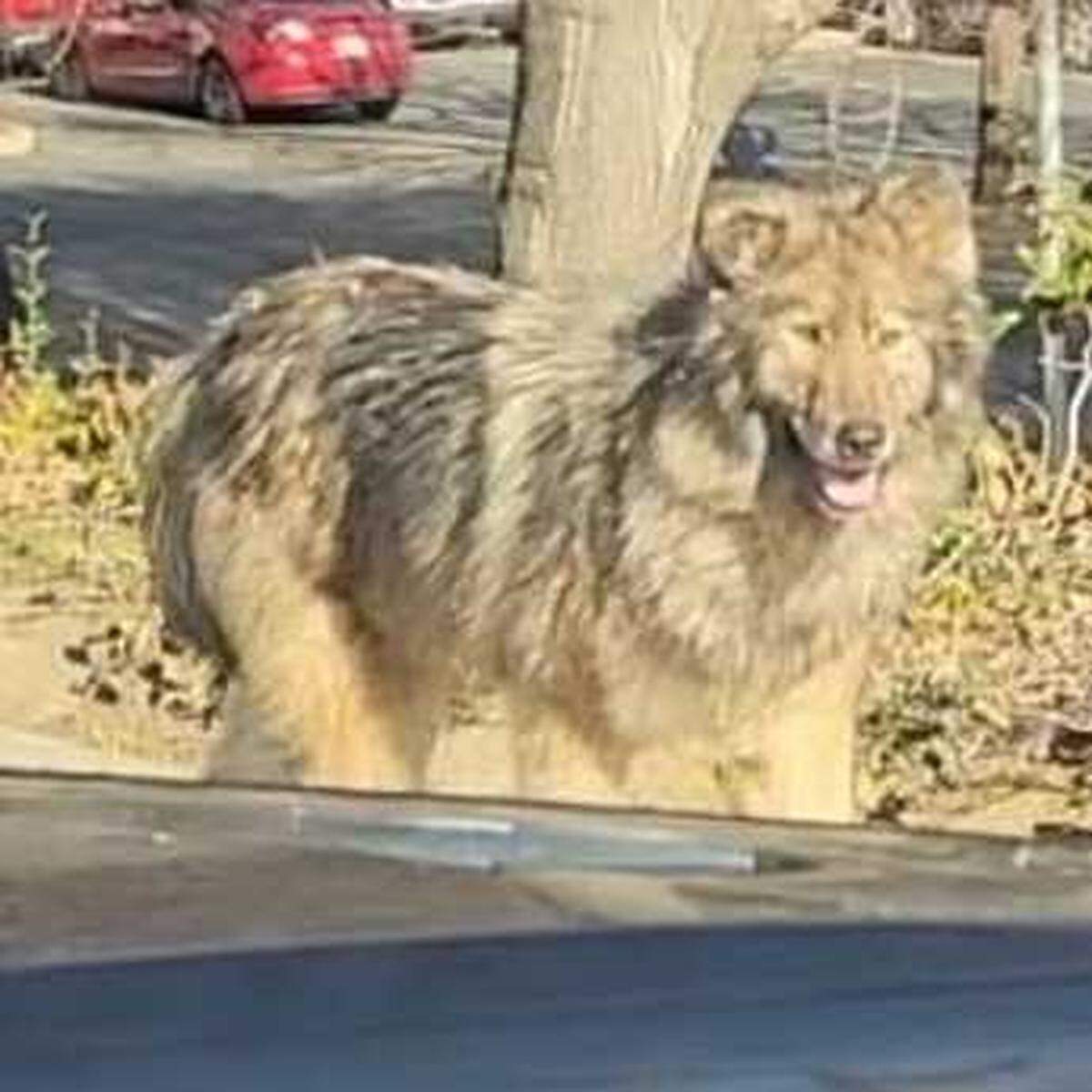
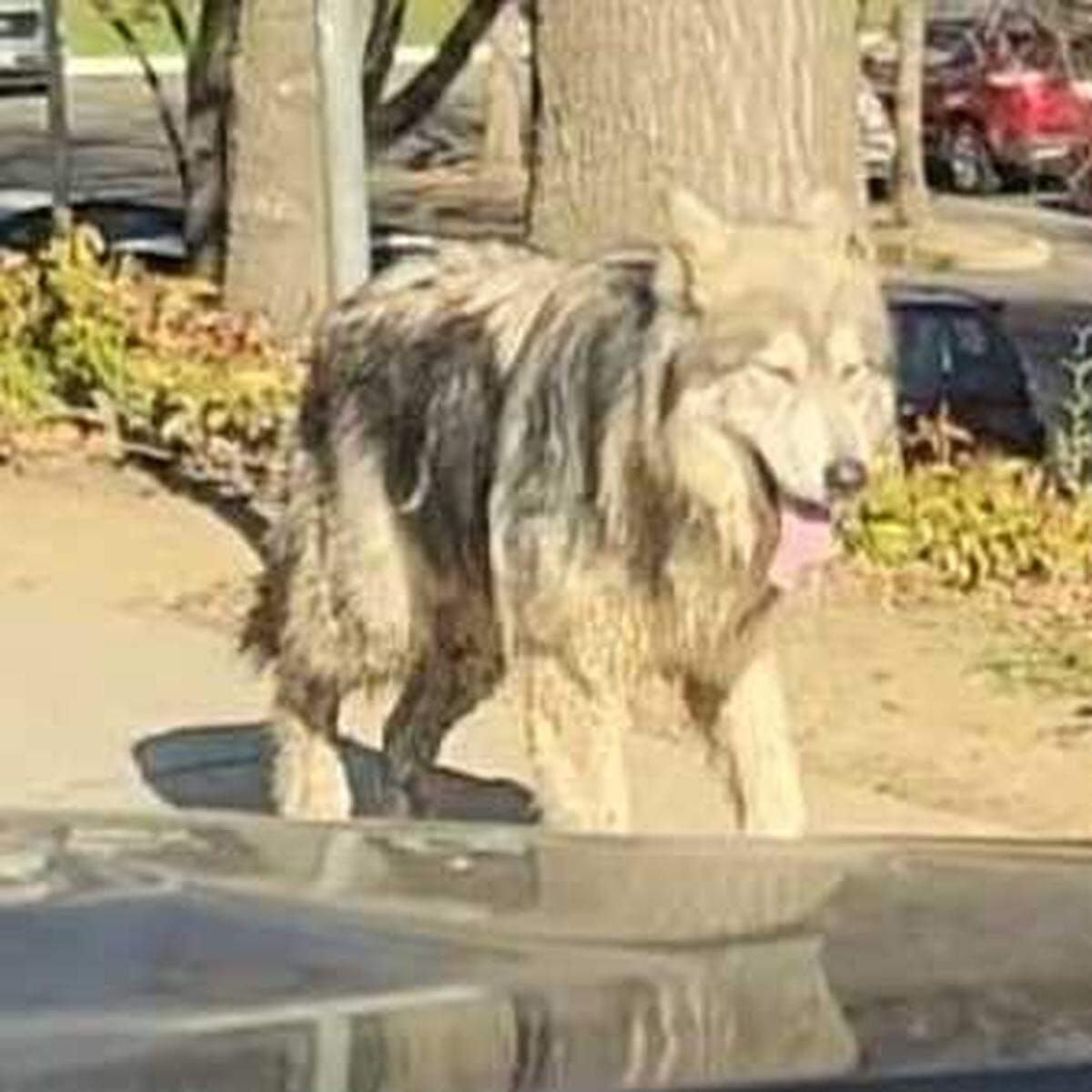
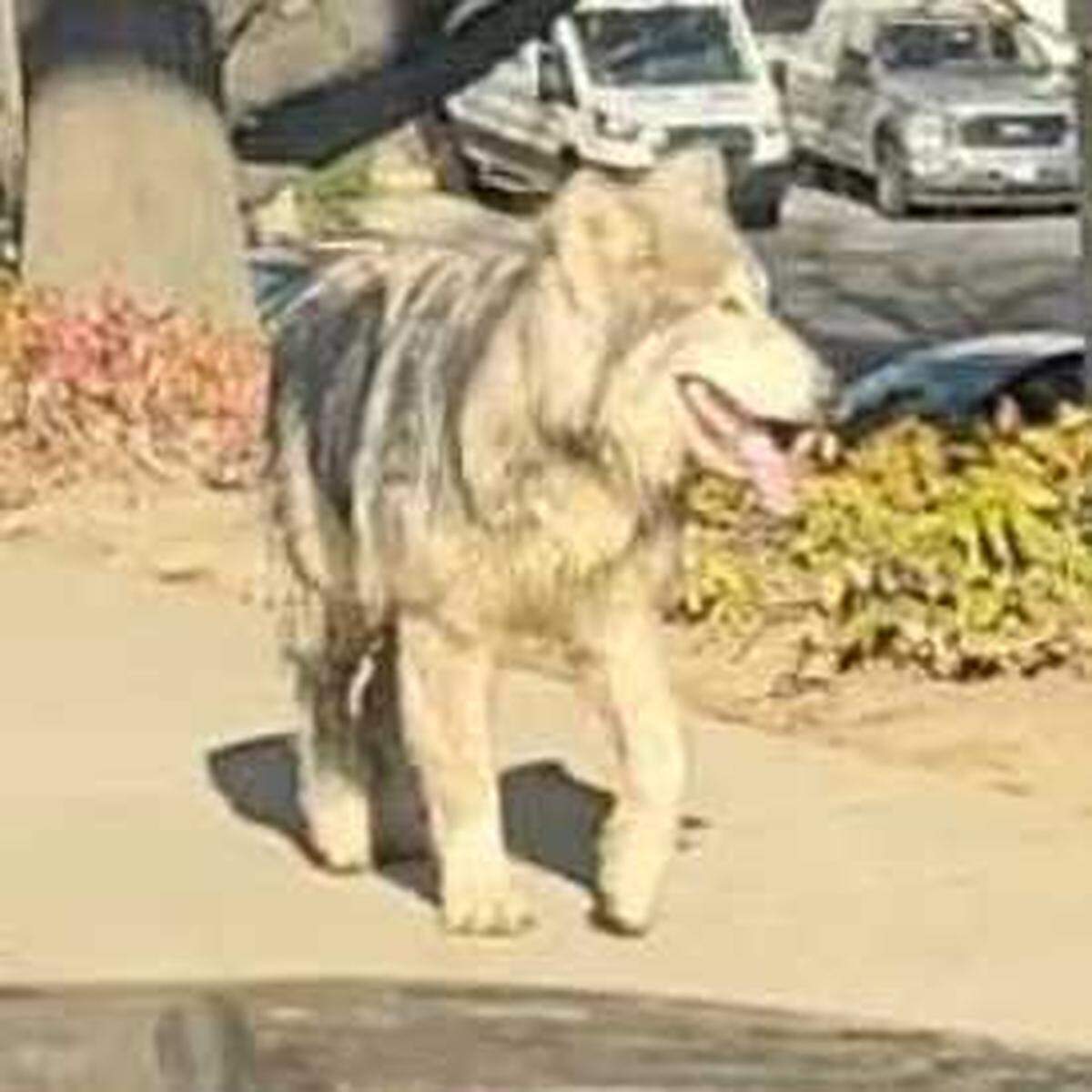
Davis on Wednesday said he had tried for a week to stir the attention of city animal control and state wildlife officials, but felt his reports were not being taken seriously.
Meantime, he said, “people’s dogs are getting killed.”
Davis said sightings of the large dogs are “all over Ring apps,” the video doorbell home security devices, across his neighborhood.
Hinderman, of Front Street, said the animals had an owner and that the dogs would likely “be surrendered to us once all are captured.”
“They were living in the area but escaped the property,” he said. “What happens to the dogs will depend on our officers’ investigations to determine which dogs were responsible for attacking the other animals in the community.”
Possessing a first-generation wolf hybrid is illegal in California, according to the California Department of Fish and Wildlife.
Possessing second-generation wolf dogs, defined in California as the offspring of a domestic dog and a half-wolf, half-dog hybrid — with no more than 25% wolf — is legal. The genetic breakdown of the dogs now at large is not known.
Wolf dogs are categorized as the offspring between a wild wolf and domestic dog, but are not always hybrids, according to the Minnesota-based International Wolf Center. The term is often used to describe domestic canines with relatively recent wolf ancestry.
Wolf dogs are relatively rare and their ownership has been a point of contention for years in the U.S., the center said. Officials lay out some of the reasons on the center’s website. Wolves and domestic dogs mature at different rates — dogs mature at six to eight months of age, while a wolf reaches maturity at anywhere from one to four years of age.
“Status becomes much more important, and the animal may begin testing its packmates to achieve a higher-ranking position in the pack,” the center explains on its website. “Testing or challenging of packmates can be transferred onto a human ‘leader’ when a wolf is kept in captivity, causing the animal to be perceived as stubborn, bold, or even aggressive.”
The genetic makeup of the dogs, even within the same litter, “leads to a wide range of behavior patterns among all hybrids thus making their behavior inconsistent and more difficult to predict,” the center said.
Natomas is not alone in wolf dog sightings. Last year, roaming wolf dogs were spotted in Shingletown, Shasta County, near Redding. Shasta County authorities at the time of the April sightings suspected the wolf mixes, described as a wolf/husky/malamute hybrid, had been owned at one time but had gone feral.
This story was originally published January 22, 2025 at 2:34 PM.
.JPG)