Why does he want mercy for the Sacramento hit-and-run driver who left his brother for dead?
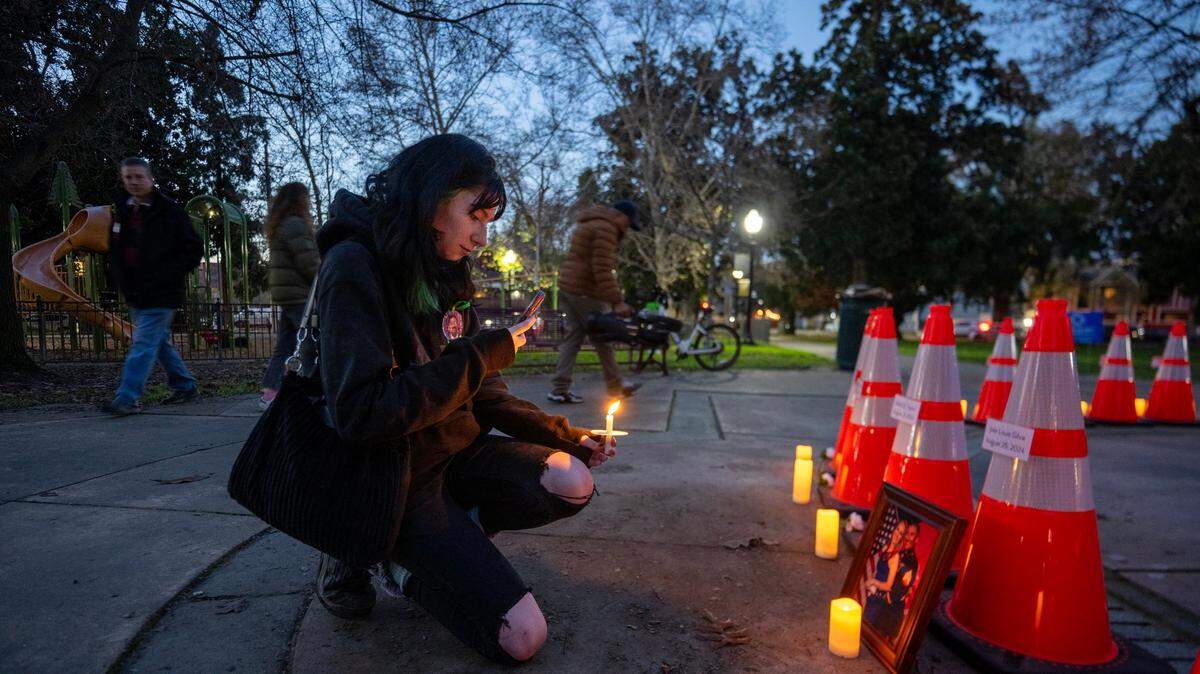
Matthew Ashby wanted something unusual for the man who left his brother bleeding in the street: leniency.
The crash, like most in Sacramento, happened at night on a dangerous road. Duane Ashby, a special education teacher and a Navy veteran, had been riding a motorcycle on Stockton Boulevard when he collided with a Toyota Matrix. The other driver fled the scene; medics rushed Duane to the hospital.
His injuries were severe, but he survived for three months after the collision. On Sept. 18, 2024, a few days before his 36th birthday, he died.
Duane was still alive when police arrested the hit-and-run driver involved in the crash. Law enforcement took about 12 hours to find the suspect at a Meadowview house, late in the morning on June 5, 2024. He was booked on suspicion of driving without a license and felony fleeing the scene of a crash.
On Jan. 15 — four months after Duane’s death — the driver pleaded no contest to all the charges. The court had offered him 180 days in jail and probation. He took the deal.
Both the Sacramento County District Attorney’s Office and Matthew objected to the deal, for disparate reasons.
The prosecutor wanted a much harsher sentence.
But Matthew thought the punishment was too harsh.
The man involved in his brother’s death, he contended, did not deserve a felony. It was an accident. Matthew thought if the man hadn’t panicked and sped off, he might not have been charged at all.
As Sacramento’s City Council prepares to vote on a state of emergency over dangerous roads, the sentence highlights a pitfall of relying on law enforcement to solve the crisis. Very few severe crashes in Sacramento are followed by an arrest, and several survivors of crashes have previously said that soft or nonexistent charges were frustrating and demeaning. Last month, the family of brothers Juan Carlos and Lionel Rodriguez described the agony they felt when the Sacramento police detective who fatally struck the men with his car promised to drive more carefully in the future and was sentenced to community service.
But Matthew’s grief shows that even a serious prosecution can perpetuate a family’s pain.
“Duane was a teacher. He wanted to build lives and futures, not hinder them,” the brother said. “I do not want the stupidity of this conviction connected with the memory of my brother.”
Brother says hit-and-run didn’t deserve a felony
As dozens of Sacramento families know, the criminal justice system is often forgiving of crashes, even when they cause debilitating injuries or death.
Dave Amos, an assistant professor of city and regional planning at Cal Poly San Luis Obispo, has pointed out that “most drivers realize that they themselves are only one bad decision away from killing someone with their car. ... Prosecutors need an ironclad case to convince 12 jurors — jurors who are likely drivers — that a murder or vehicular manslaughter charge should stick.”
Except in cases where investigators can show gross negligence — undeniably reckless driving — a deadly vehicle crash is a misdemeanor offense in California.
But when drivers flee the scene of a bad collision, the stakes change. Under California law, a hit-and-run that causes serious injury or death is typically a felony.
A felony conviction carries a stigma and can affect employment opportunities as well as access to housing and loans. Matthew was painfully aware of this.
“The D.A. prosecuted this person with a felony conviction for hit-and-run, which will make it harder to establish or keep a career,” he said. “Work and a career (meant) a lot to my brother’s identity. To take that from someone else would be an insult.”
Duane taught kindergarten through sixth-grade special education students at a Point Quest campus. His brother said that, though Duane’s students were overlooked and sometimes written off, he cared deeply about them and their futures. He rooted for underdogs. If he had ever healed from his injuries, Matthew thought, he would have rooted for the man who left him for dead.
“Leaving the scene of an accident is not manslaughter,” he said. “Leaving the scene — while a horrific scene — had no impact on my brother.”
A quiet man lived a life of service
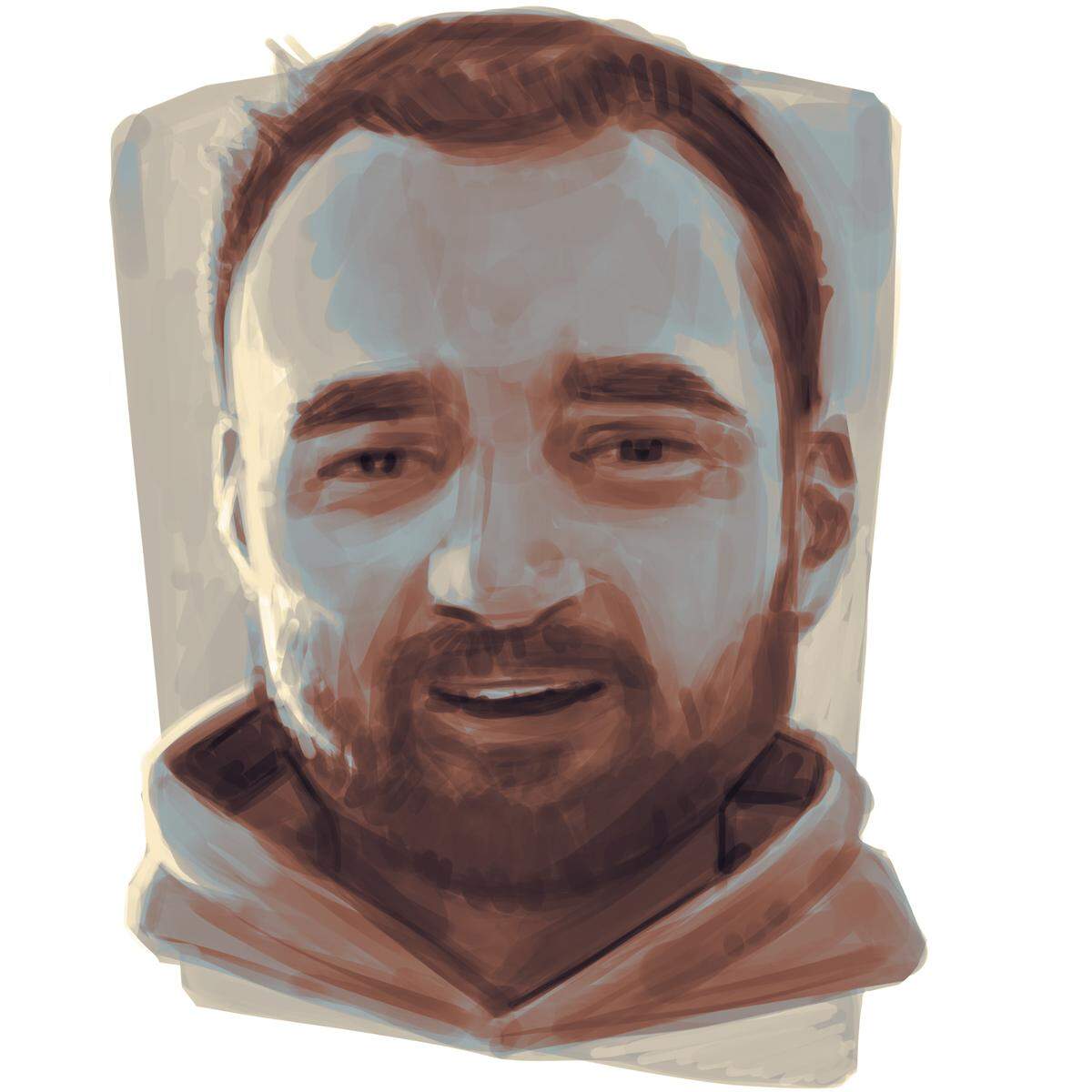
Duane Ashby was born in Chico in 1988. He grew up mostly in Grass Valley and, after high school, he joined the Navy.
His four years in the Navy — where he served as a military police officer in Bahrain, an island nation in the Persian Gulf, and patrolled the Mediterranean Sea from Greece — gave the Grass Valley boy an appreciation for the wider world.
“Given Grass Valley’s demographics,” Matthew said, “he had never been around diverse cultures.”
The pair had a complicated relationship for many years. Their father and Matthew’s mother had divorced, and Duane ended up in Grass Valley, while Matthew stayed in Chico with his mom. For the most part, they grew up separately. Even when they were together, they didn’t gel — Duane was four years younger, and he wasn’t nearly as outgoing as Matthew.
But they were still brothers, and so when Duane got out of the Navy, he moved with Matthew to Roseville. Their bond changed.
“I started to respect Duane’s personality as a quiet person,” Matthew said. “I also learned how to communicate better, learning when to let him talk and not respond and learning that when he was being excited and energetic to just let him be him.”
Essentially, he said, he learned to be quieter, how to listen. Sometimes, the quiet let his brother be louder.
Matthew left Sacramento in 2023 and relocated to San Diego. The brothers had grown so close that Duane wanted to live there, too. At the time of his death, “He was one week from moving to San Diego with me,” Matthew said. “It was an adventure we bonded over.”
After all that, it was a particularly painful moment for Matthew to lose Duane.
“We were very close, but I wish I had taken the time to understand him better before recently,” he said. “What we missed out on due to lack of life experience when we were young, it will always be a regret of mine.”
And now, saddled with regret over Duane, he also grieved the driver’s felony.
“My brother,” Matthew said, “would not have wanted to make someone a second-class citizen.” But he wasn’t sure what to do about it. He didn’t want to ever speak to the driver, and the prosecution was already done by the time he found out that the man would become a felon.
He saw the sentence as an insult to his brother’s memory, but he couldn’t change it. All he could do was try to repair the damage.