Sacramento City College program helps graduates land jobs in ‘community health care’
In just two semesters, faculty at Sacramento City College teach students how they can help to save and prolong lives by becoming community health workers and stand in the gaps that lie between medical professionals and their patients.
Professor Fatoumatta Sisay, for instance, spent three years going into the homes of Mississippi Delta residents who had been hospitalized for coronary heart disease. She and a team of community health workers began training the patients and families on eating healthy, how to exercise and using food labels to evaluate cholesterol levels.
When they started their work, 75% of these residents were being readmitted to the hospital within a few weeks of discharge, Sisay said, but at the end of three years, that statistic had dropped to 25%.
“We were losing so many people, dying due to things that are preventable,” said Sisay, who coordinates the college’s Community Healthcare Worker Certificate Program. “That’s why, as community health workers, they had to be in the community to educate the families, guide them, provide that support.”
It just goes to show you, Sisay said, the difference it makes when patients have someone they feel comfortable with, meeting them where they are with the expertise to encourage incremental change and with the connections to ensure patients can get the primary care attention they need to avoid health crises.
The U.S. Bureau of Labor Statistics projects that employment of community health workers will grow 13% from 2023 to 2033, much faster than the 4% average expected for all occupations. The nation will have 7,500 job openings annually for community health workers, on average, over that decade, the BLS said.
Community health workers earned $23.17 an hour, on average, nationwide in 2023, the BLS reported.
Pay, however does not seem to be the prime motivator for people interested in this profession, Sisay said. Rather, she said, students seeking the certificate tell her that their passion was kindled by personal experiences.
“Most of them have lost their loved one, a child, a father, a mother or a cousin,” she said, “and because they could not help that relative, they want to pay it forward. They truly care about what they do, and that matters in health care.”
Such a passion drove Sacramento resident Annabel Snider, 42, to apply for the Sacramento City College program. Her father, longtime Elk Grove educator Harrell Smith, succumbed to lung cancer in 2011, but she still gets choked up as she recalls the palliative care and hospice team who walked her through the logistics of every decision that needed to be made for him.
And, as a single mom, she’s also benefited from a network of community-based services that have helped her find the best care for herself and for her family.
Community health workers help people deal with the hands-on, rubber-to-the-road aspects of health care, Snider said, providing a crucial service when many people are too overwhelmed or too sick to do the kind of research needed to find the right doctor or to reinvent the way they eat.
And, the Sacramento City College programs trains its students to work in the many different health care settings where community health workers can operate, said Sisay, who has a doctoral degree in public health with a concentration in epidemiology.
Community health workers can take on many roles
Community health care workers can be patient or health navigators, case managers or case workers, health educators or wellness coaches, community outreach workers and enrollment specialists, Sisay said.
In these roles, they act as liaisons or intermediaries who ensure patients get the access to providers or programs they require. They define healthy behaviors and show patients and their families how to achieve them. They reach across cultural divides to bring quality care to everyone.
Community health workers can advance their careers by moving into supervisory roles such as case managers or getting further training for careers such as nursing, social work or licensed counseling.
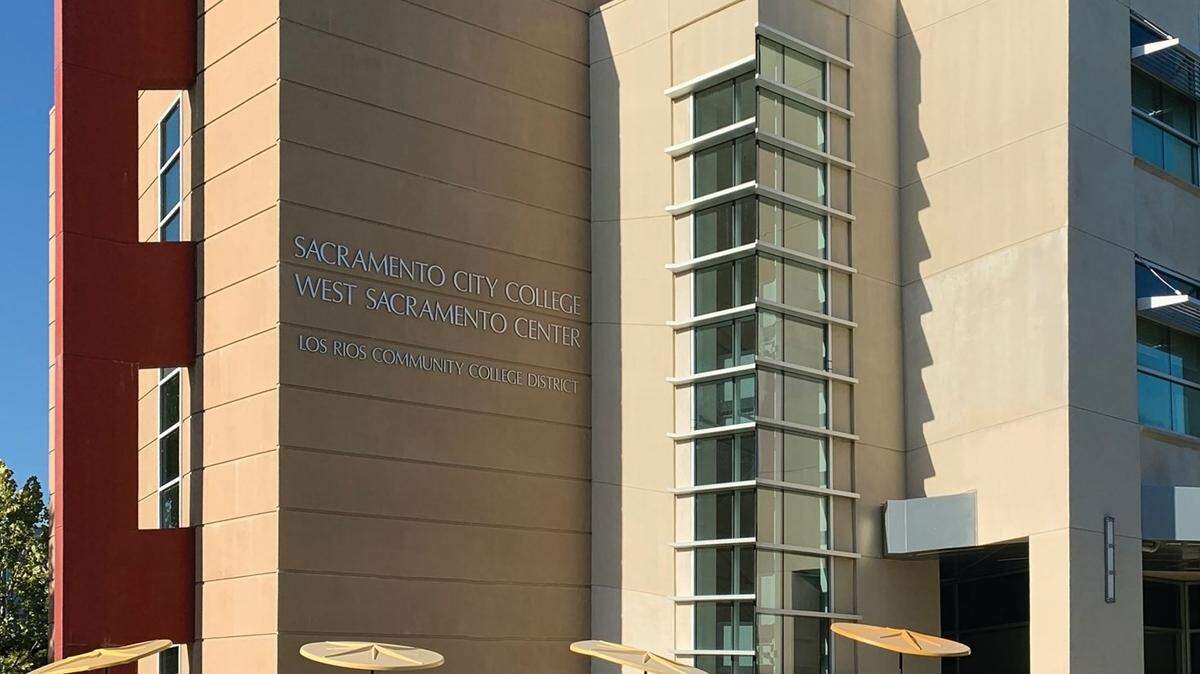
Jennifer Laflam, dean of the West Sacramento Center, said that while much of the coursework for this certificate program has been done online in the past, she and Sisay plan to hold some in-person classes in the West Sacramento building.
“We’ve heard from the community that that’s a desire to have the in-person classes where the students can see each other and form their own community,” she said.
The center, at 1115 W. Capitol Ave., is a one-stop shop where students can attend classes, get help with financial aid connect with on-site counselors. Donors have provided funding to allow the center to create textbook lending library for students in the community health worker program.
Both Health Net and Kaiser Permanente have donated $100,000 to support this and other programs, Laflam said, and the Sacramento County Department of Health Services is providing scholarships this semester to students while they do their practicums. The intention, Laflam said, is to allow students to focus on classwork rather than trying to work enough hours to pay their fees and tuition.
Kaiser executive James “Jay” Robinson III said that the Oakland-based health system has supported more than 140 students through its partnership with Sacramento City College.
Some of those students have earned certificates as community health workers and others as optical technicians, said Robinson, the senior vice president and area manager for Kaiser Permanente Sacramento and South Sacramento.
“Our support helps expand both access to health care and create opportunities for economic mobility in underserved communities,” he said.
In the first semester, Sisay said, students learn about health care systems, available resources, communication, prevention of chronic conditions and the foundation of community health work, and in the second semester, they gain real-life experience through practicums in different local settings.
“I definitely listen to their needs, look at what their career goals are, then align it with that practicum to help them grow their careers,” Sisay said.
She and Laflam said students have often been hired after completing a practicum, but the college has not kept data on past placement rates.
The application period opened Feb. 15 for the fall cohort — and will close April 15. Classes will begin Aug. 23. Want more information, register at least 24 hours in advance to attend a March 6 Zoom session.
“We really take seriously the mission of providing education to adults who are looking to get more education or to retrain or to change profession, and we recognize that adults have a lot of different situations in their lives where the schedule for courses needs to be flexible and also short term,” Laflam said.” People are not looking necessarily for something that’s going to take two years … to get to their end goal.”
This story was originally published February 25, 2025 at 7:00 AM.