
Ex-CapRadio GM’s lawyer says any financial errors were ‘unintentional’ as station sues

Jun Reina, a former general manager of Capital Public Radio and a central figure in the station’s financial woes, has largely remained silent as questions mounted over a scathing audit’s findings of questionable expenses and financial mismanagement.
But on Wednesday, Reina in a court filing denied allegations lodged by the station in a civil lawsuit late last year. CapRadio accused him in the theft of at least $370,000 in station funds for luxury vacations and extensive home renovations, among several other personal expenses. He “surreptitiously” opened corporate credit cards only he could access without informing the board, according to the nonprofit’s lawsuit filed in December.
Reina’s attorney buttressed the denial through nine defenses in his response, which said in part: statutes of limitations have passed, CapRadio is responsible for any damages due to its own deficiencies and any potential errors on Reina’s part were “unintentional,” according to the five-page court document filed in Yolo Superior Court.
“This answering defendant alleges that if an error was made by this answering defendant, error which this answering defendant expressly denies, the error was made in good faith and was unintentional,” wrote Adam Ramirez, a Stockton-based defense attorney, in the court filing.
Ramirez continued: “This answering defendant made an appropriate correction, repair or replacement or other remedy of the goods and services once notified of the error.” The court filing does not further detail the correction or remedy Reina purportedly made.
CapRadio filed the lawsuit in Yolo County because the station seeks Reina’s 4,500-square-foot West Sacramento home to be placed in a trust. The lawsuit alleged conversion of property and that Reina breached his fiduciary duty to the station, committed fraud and intentionally misrepresented his intentions to the station.
CapRadio is seeking at least $900,000 in damages, according to its lawsuit.
Reina’s attorney argued in part that the lawsuit is invalid because statutes of limitation have expired. However, the sections of California civil code cited in Ramirez’s response, related to fraud and theft, have statutes of limitations of two years or longer. CapRadio’s lawsuit alleges Reina stole from the station from January 2017 to June 2023, a span that is still within the past two years.
Reina first came to the station in 2007 as its chief financial officer and assumed the position of general manager in 2020.
He was no longer with the station when layoffs struck CapRadio in August 2023, marking the first time crises roiling the station became publicly known.
The next month, the California State University released an audit that found a lack of internal controls. The university found $85,000 in reserves when the station had reported $3 million under Reina’s tenure. Worries mounted the station would be insolvent by January 2024.
Bruce Scheidt, an attorney representing CapRadio in its civil case, did not respond to a request for comment. Ramirez did not respond to a request for comment.
Ramirez also wrote CapRadio’s allegations violate his client’s right to due process and protection from “excessive fines” listed in the 14th and Eighth amendments, respectively. He also alleged CapRadio failed to catch any damages through its own misconduct.
Ramirez wrote that “(CapRadio) failed and neglected to mitigate damages, and that said conduct or failure or omission on (CapRadio’s) own part proximately caused and contributed to the damages sustained by (CapRadio), if any.”
What is CapRadio accusing Reina of doing?
Reina’s alleged role in the station’s problems became more clear after Sacramento State, which operates the station’s broadcast license, commissioned a forensic examination delving into the station’s finances. In that report, released last August, “Subject #1” was linked to more than $450,000 in expenditures “without corresponding evidence of expense reports and/or receipts.”
CapRadio reporters first reported “Subject #1” was Reina, which was later confirmed and reported independently by The Sacramento Bee.
Reina used the station’s credit cards to make more than $105,000 in renovations to his home, according to the lawsuit. A Zillow listing that has since been removed said the property included “refined updates” such as a custom-built, 100-bottle wine cellar, a steam room and a 3,000-gallon koi fish pond.
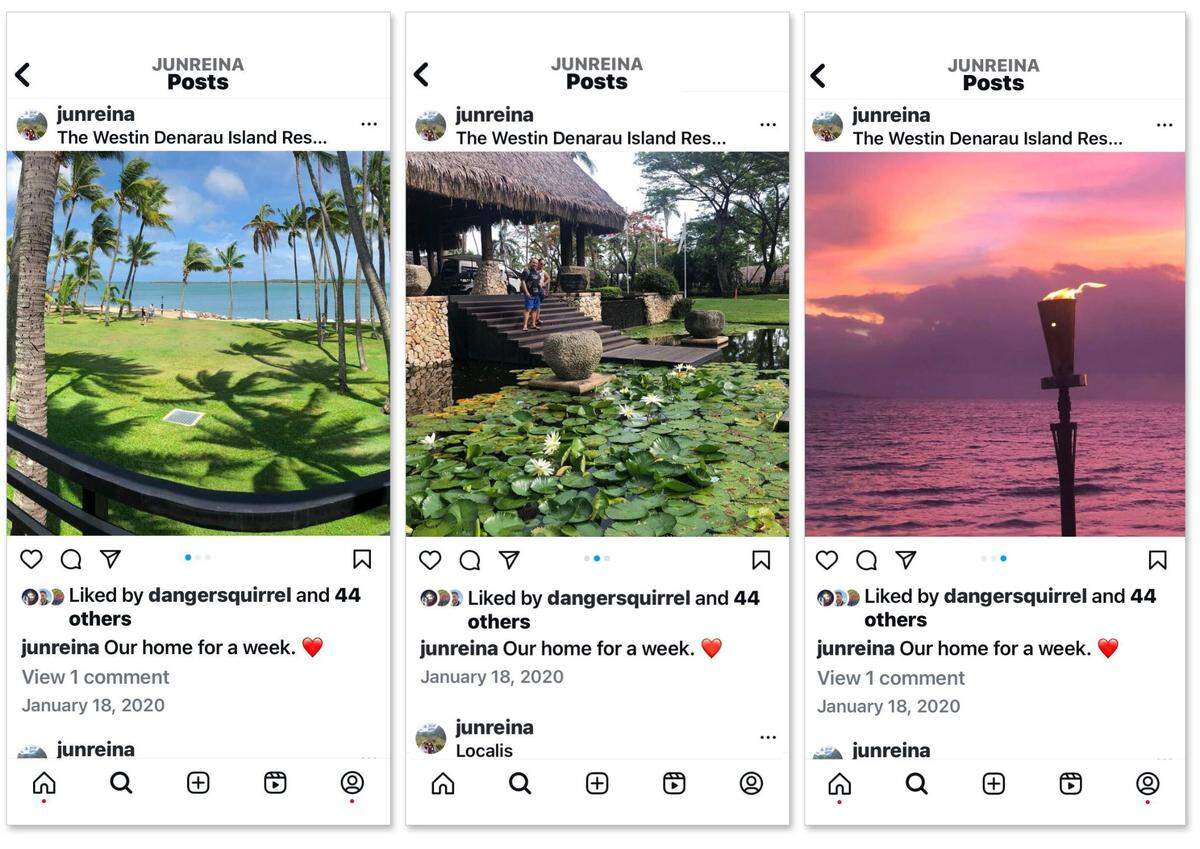
The credit card linked to Reina was used to purchase $145,000 in travel, lodging and vehicle rental costs that auditors said did not appear to be business expenses. It was also used for some $27,000 at restaurants and for roughly $17,000 in golf club membership dues, according to credit card statements from 2023 until 2017 demanded by a Bee attorney.
By June 2024, the station was $10 million in debt after cutting nearly $11 million in expenses.
This story was originally published March 6, 2025 at 5:00 AM.