
K.W. Lee, ‘godfather of Asian-American journalism’ who fearlessly challenged power, dies at 96
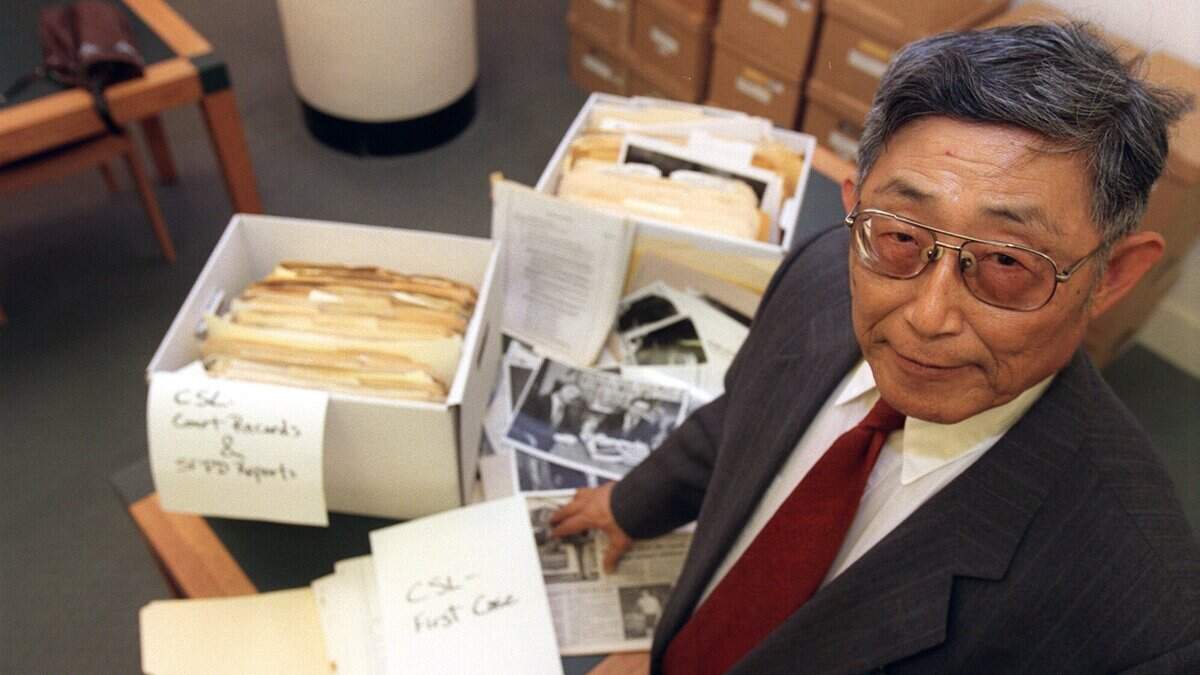
K.W. Lee, a pioneering journalist whose relentless pursuit of justice and fearless reporting gave voice to the underrepresented across a half-century career, died March 8 in Sacramento. He was 96.
Surrounded by family in his final days, Lee’s death marks the passing of a figure widely regarded as the dean of Asian-American journalism and one of its most steadfast advocates. The cause of death was not disclosed, though Lee overcame significant health challenges, including a liver transplant in the early 1990s and surviving stomach cancer.
Believed to be the first Korean immigrant to work for a mainstream U.S. newspaper, Lee carved out an extraordinary career as an investigative reporter, editor, publisher and mentor. His impact was national, but his work often centered on communities overlooked by traditional media.
Twice honored with the National Headliner Award, in 1974 and 1983, Lee also founded Koreatown Weekly, the nation’s first English-language Korean American newspaper. He served as an editor at the Korea Times and was inducted into the Newspaper Hall of Fame at the former Newseum in Washington, D.C.
In 1987, Lee received the inaugural Lifetime Achievement Award from the Asian American Journalists Association, an organization he also helped found. The AAJA mourned Lee’s death in a statement Thursday, calling him “a trailblazer and activist.”
“Lee dedicated his career to highlighting underrepresented voices,” the AAJA statement read. “Our condolences go out to his family, friends, and all who were touched by his legacy.”
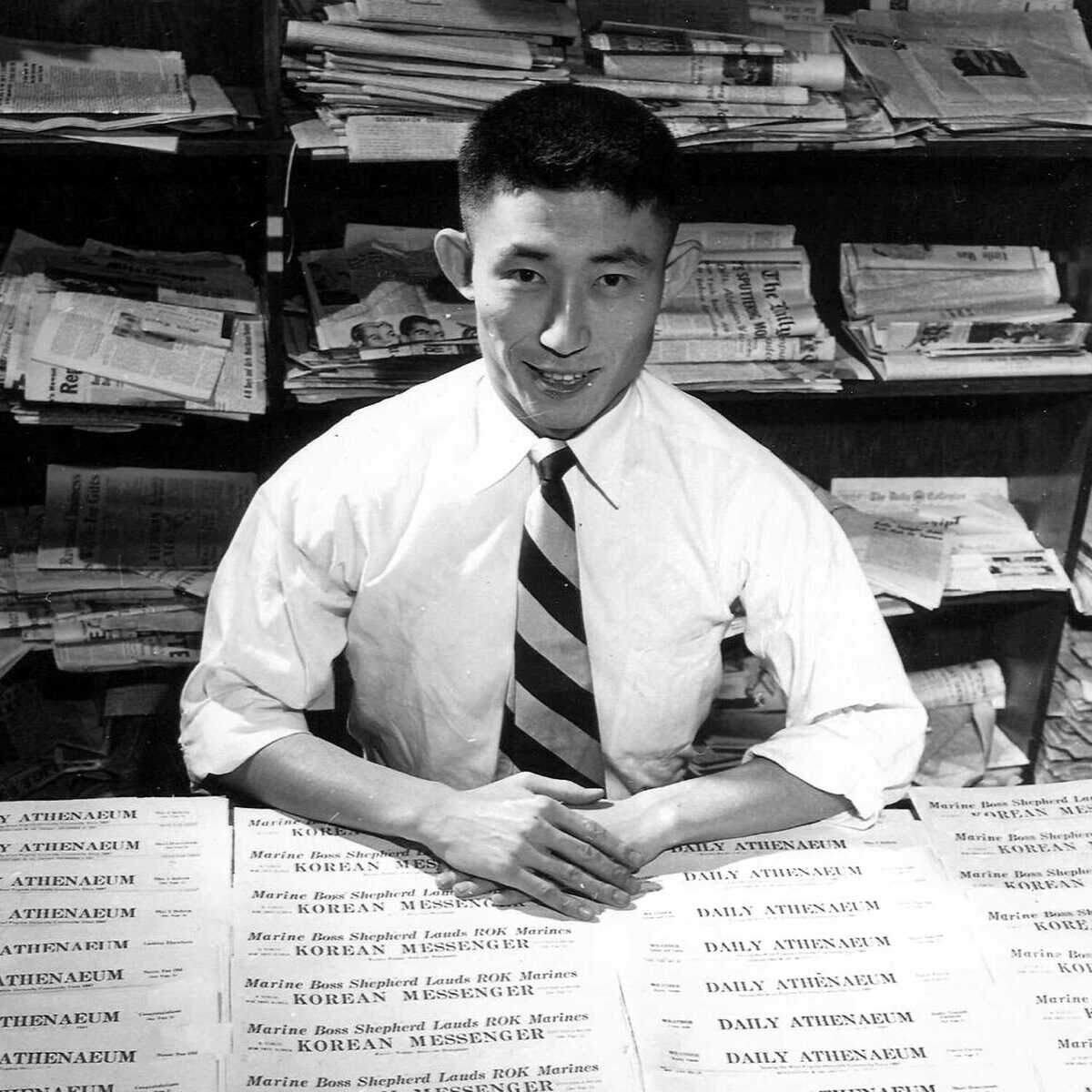
A journalist for the people
Friends, family, and colleagues say Lee’s enduring legacy was his unwavering commitment to championing the powerless. From West Virginia coal miners to wrongly accused immigrants, Lee’s journalism was rooted in a belief that “everyone has a story.”
“He had a tremendous heart and a tremendous passion for the underdog,” said Stephen Magagnini, longtime Sacramento Bee journalist and now editor-in-chief of The Sacramento Observer. “He had that burning fire in him. Everything was based on a story that needed to be told.”
“He knew that one universal truth about journalism and humanity,” Magagnini said. “Everyone has a story.”
Born Kyung Won Lee on June 1, 1928, in Kaesong, in what is now North Korea, he emigrated to the United States in 1950. He studied journalism at West Virginia University and the University of Illinois with the hope of returning to a free Korea. War and dictatorship closed that door.
But in America, he found a calling and the seeds of a new life and a new career were soon planted in his new country.
Lee’s first newspaper job was for a small Tennessee daily where he adopted the “K.W.” byline that became his calling card. In 1959, he hired on as a reporter at the Charleston Gazette in West Virginia. He met his future wife, Peggy Flowers, an emergency room nurse at a Charleston hospital, in typical reporter fashion, pressing her for information during his rounds on the police beat.
It was in West Virginia’s coal country that Lee made his mark, covering poverty and corruption in Appalachia during the civil rights era and President Lyndon Johnson’s “War on Poverty.” He lived among miners, exposed election fraud, and documented the disenfranchisement of working-class families.
Fifty years later, West Virginians remembered Lee and his work.
He arrived in tiny Mingo County, West Virginia, to “tell the story no one dared to tell,” one former official recalled in biographical materials supplied to The Bee this week.
“For the first time, there was hope,” said Huey Perry, a Mingo County native. Perry first met Lee, a Korean-American in the middle of coal country, in the 1960s as director of the county’s economic opportunity commission.
“The day K.W. Lee left for California, the people wept. They knew he had done what he came to do,” Perry is quoted as saying. “And today, as the news of his passing reaches these hills once more, we weep again. Not out of sadness, but out of gratitude,” he continued. “Because for one brief, shining moment, a man with nothing but a pen stood against the most powerful forces in Mingo County. And he won.”
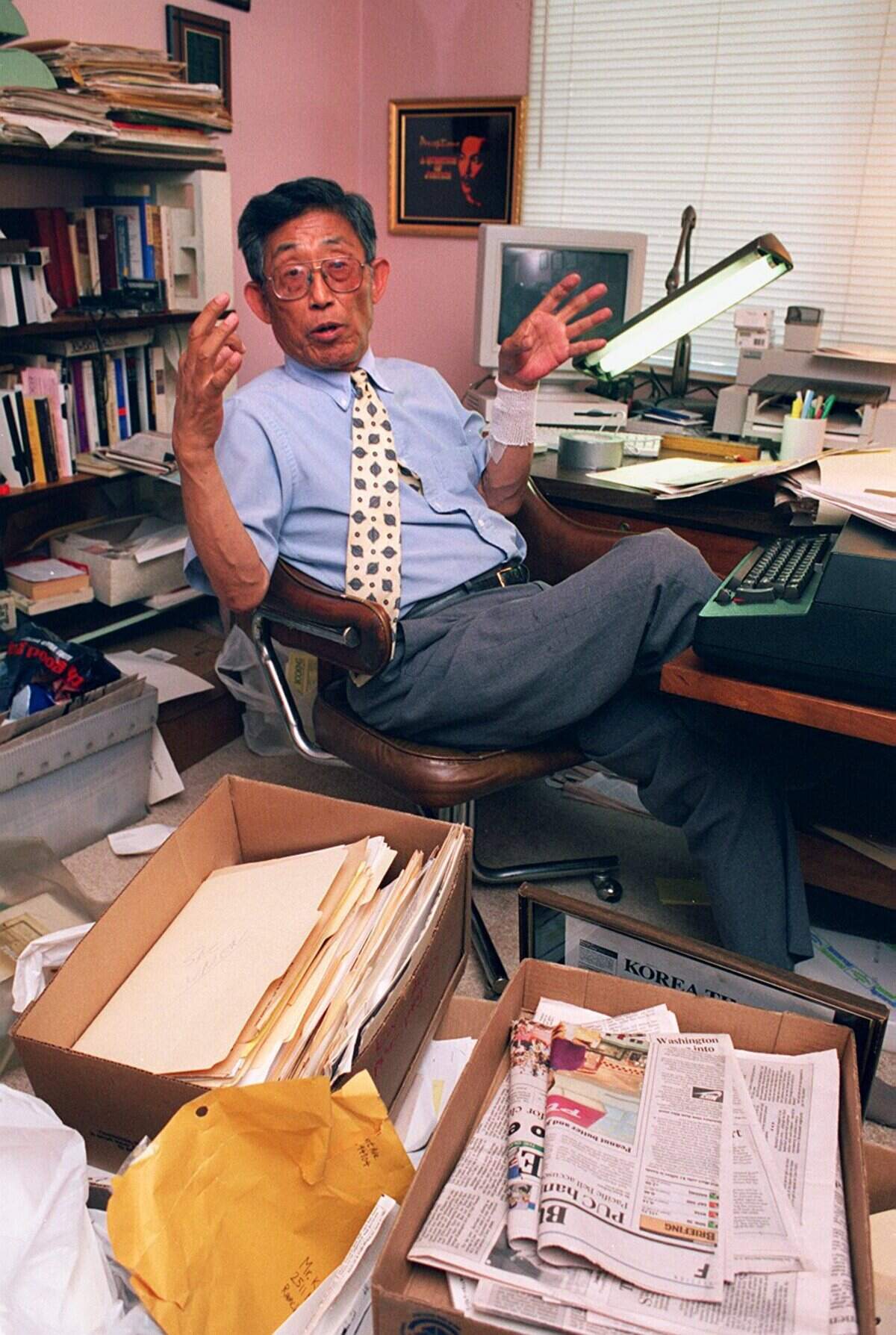
Shaking California’s Capitol
In Sacramento, Lee trained his pen at corruption inside California’s capitol as chief investigative reporter at the Sacramento Union. Lee’s exhaustive reporting exposed state lawmakers’ vote to grant themselves exorbitant pensions and forced them back to the Capitol to repeal the quiet gift.
His 1974 investigation discovered that a then-Assemblywoman used her official district office phone for the travel agency she operated on the side, charging expensive international calls to taxpayers. That led to yet deeper dives into state lawmakers’ spending and their cozy relationships with vendors and policy changes that granted better public access to Legislature records.
“He was appalled by corruption. It angered him,” said Ken Harvey, Lee’s editor at the Union, told The Bee in 1994.
Longtime Capitol journalist and CalMatters columnist Dan Walters, a Union reporter with Lee, recalled his work with Lee in a column earlier this week.
“During those weeks of poring through sheaves of invoices, I discovered that Lee was not only an extremely intelligent and ferociously aggressive journalist but the most interesting and utterly unique person I had ever met,” Walters wrote.
But it was the case of Chol Soo Lee, a Korean immigrant on California’s death row wrongfully convicted for the 1973 murder of a San Francisco gang leader, that would become a career watershed.
Over six years and more than 100 articles at the Union, K.W. Lee chipped away at the weak evidence and shoddy defense that sent Chol Soo Lee to death row, building the case for his eventual freedom. It was K.W. Lee’s dogged reporting that helped to create the social justice movement that demanded Lee’s retrial and release from state prison.
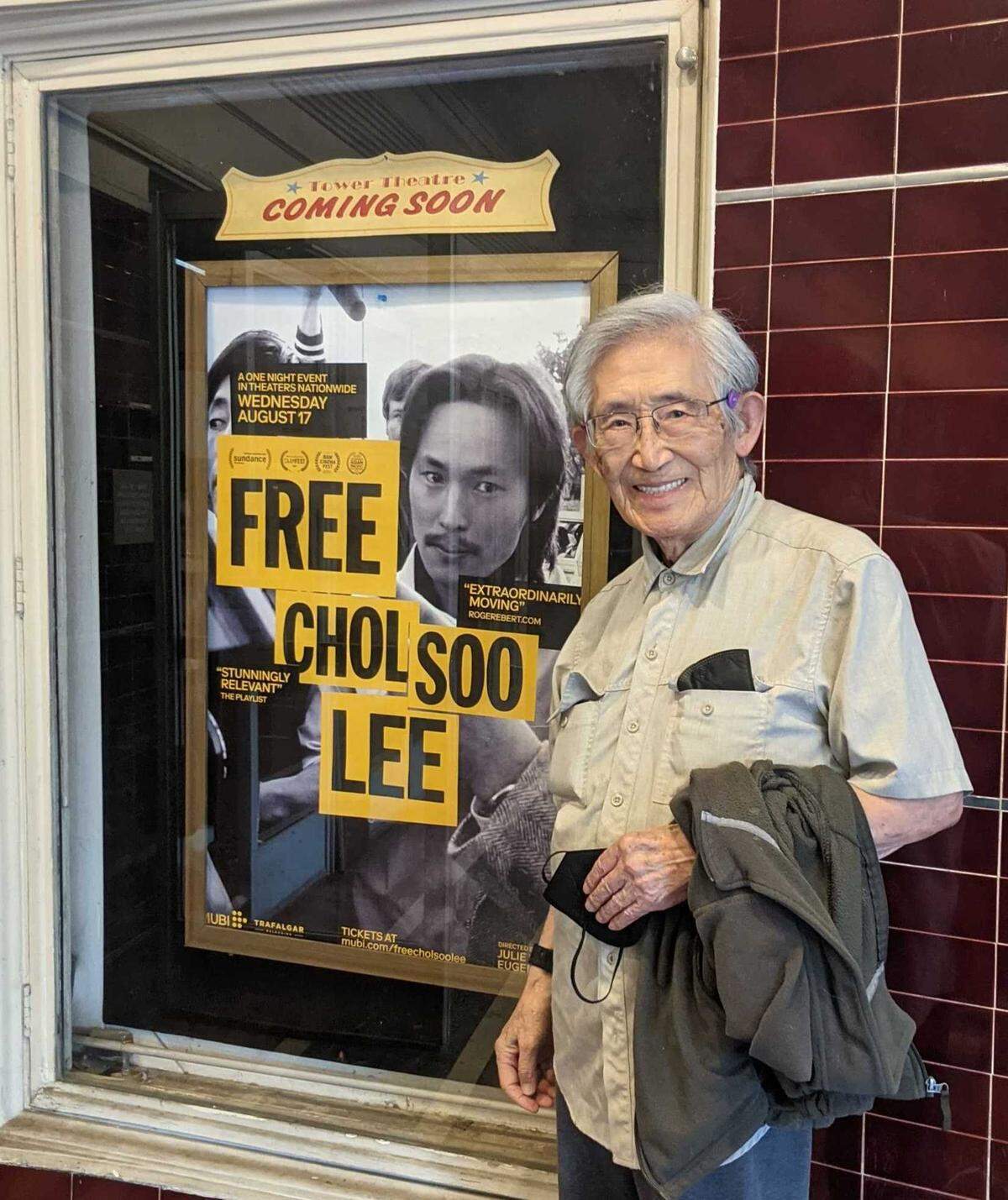
Chol Soo Lee was eventually acquitted and freed. A 2022 documentary “Free Chol Lee,” chronicles the journey and its pivotal role in Asian-American activism.
“It was just by the grace of God I have eluded the fate that fell on him,” K.W. Lee said of Chol Soo Lee in a 1994 news interview with broadcast journalist Sandra Gin. “Because there’s a very thin line between him and me. I was lucky. He was not lucky. There are an awful lot of unlucky people. Especially Asians. They have no language. They couldn’t tell their story.”
Gin, who worked on-air and as a producer for NBC stations in Sacramento and San Francisco, won a regional Emmy at KCRA-TV for a 1983 series on the Chol Soo Lee case that featured K.W. Lee’s investigative work. Lee would become a valued mentor and friend. Gin remembered her mentor from Houston where she teaches and lectures at Lone Star Community College.
From Lee “I got a masterclass in how to question authority,” Gin said Thursday. “He made every story personal. Chol Soo Lee was not just a legal case to him, but a person and a Korean immigrant he could relate to.”
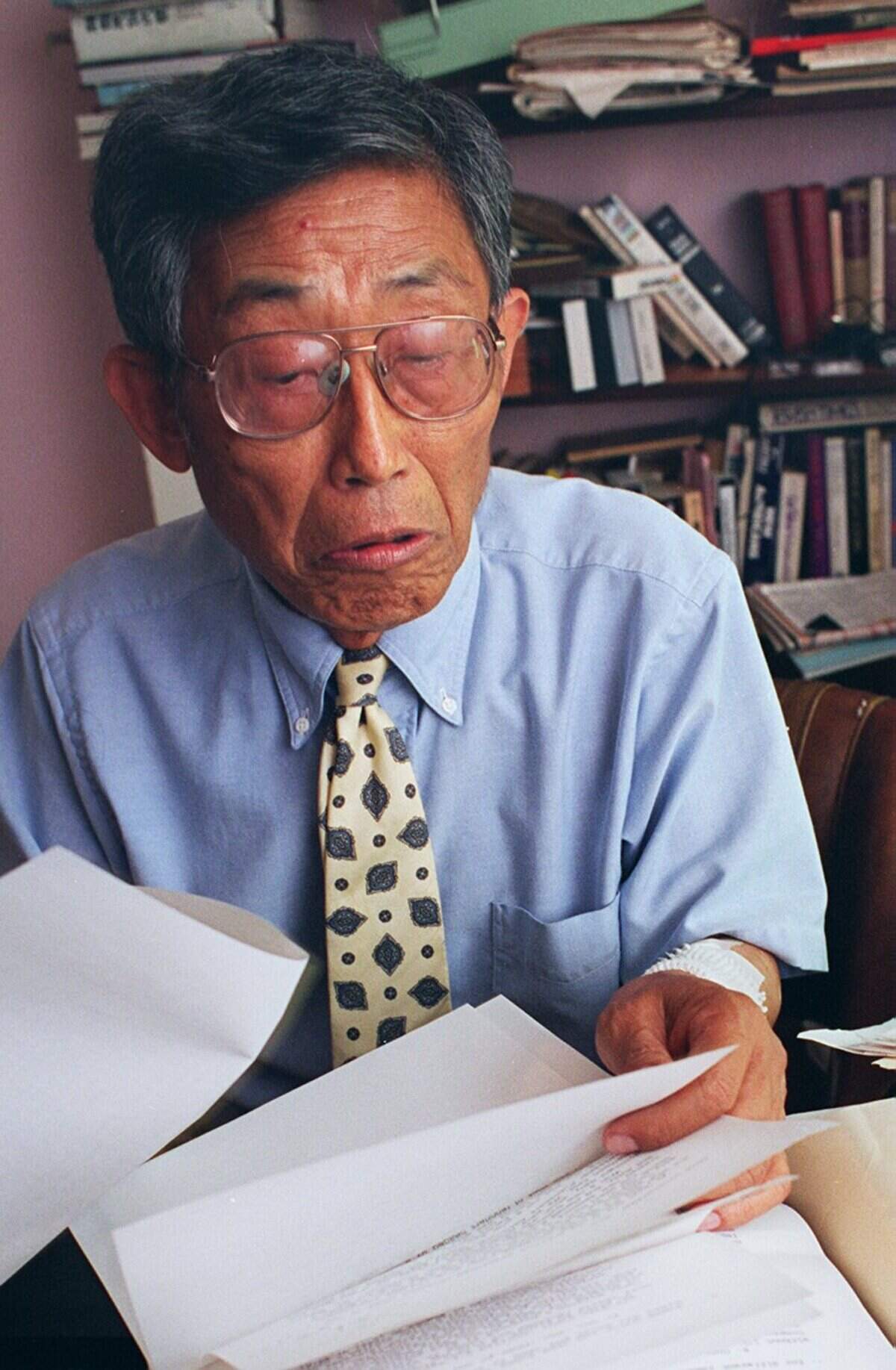
A legacy of mentorship and truth-telling
Irascible, passionate and unwavering in his belief in journalism’s role as a public service, Lee remained a fierce advocate for truth and justice into his 90s. He mentored generations of journalists and co-founded the K.W. Lee Center for Leadership, which trains young Korean Americans in civic engagement.
“He was full of fire and his fire was infectious,” Magagnini said. “Even in his final months, he had messages to share.”
Lee is survived by his children, Shane Lee, Sonia Cook and Diana Regan; six grandchildren; three great-grandchildren; and numerous extended family members. His wife, Peggy, preceded him in death.
Private services are planned. The family requests donations to the K.W. Lee Center for Leadership in Los Angeles, a nonprofit that prepares future Korean American leaders guided by Lee’s principles of truth, justice and community consciousness.
This story was originally published March 14, 2025 at 1:14 PM.
.JPG)