Sacramento’s Front Street shelter called a ‘doggy dungeon’ due to old design, overcrowding
Inside the decades-old Sacramento’s Front Street Animal Shelter, the signs of strain are nearly everywhere.
There’s the worn out chain link fencing where people have hurt their hands and dogs have injured their paws. Heavy, guillotine-style doors used to exit the kennels routinely put both volunteers and canines at risk. While the earsplitting barking is unpleasant for visitors, the lack of sound insulation between kennels creates a highly stressful environment for the animals and reduces their chances of adoption.
“This is like being jailed in a foreign country,” said Paul Hefner, who has volunteered at the shelter for eight years.
Those years of volunteering and navigating the hazards encouraged Hefer to join the Sacramento Animal Wellbeing Commission. This group provides recommendations to the City Council to enhance animal care services. In 2023, the commission spearheaded an effort to conduct a needs assessment for the only city-operated shelter.
The needs assessment, published last September, confirmed what many had known: Sacramento’s Front Street Animal Shelter is too small, old and not meeting the “standards of care in animal shelters.” These complications lead to chronic overcrowding, a longer wait for spay and neuter services and likely contribute to higher rates of deaths among the animals. Major upgrades, unlikely to come amid the city’s budget deficit, are estimated to cost tens of millions.
In other words, it is likely to remain “a doggy dungeon,” Hefner said.
Outdated and overcrowded
The Front Street shelter has been at the same location since 1910. It was initially termed a “pound,” and meant for stray animals to only stay a few days. America’s first shelter was established in 1869, according to the Women’s Animal Center.
“That one (Front Street) would be among the older shelters that I’ve encountered in my work,” said Bruce Playle, a partner with Indigo Hammond and Playle Architects LLP, an architect firm that conducted the needs assessment and specializes in animal shelters.
In 1992, the site received a major expansion and became the shelter it is known for today. The shelter has received additions and remodels in the years since, but the general structure remains the same. All the while, the number of animals has increased substantially.
The 2024 assessment found that the shelter’s 102 kennels for dogs and 109 spaces for cats provided roughly half the current need for shelter space.
“This overcrowding creates stress for the animals, promotes the spread of illnesses, leads to in-cage fighting and makes daily care more challenging for staff,” said Denae Wagner, a facility design veterinarian who worked on the assessment.
The shelter houses between 150 to 175 dogs on average, said Philip Zimmerman, animal care services manager for the shelter. Hundreds of cats are taken in during “kitten season,” also known as feline breeding season.
In addition to housing animals on-site, shelter staff also places animals with their network of volunteers who provide temporary shelter in their homes. In 2024, the shelter had 968 animal foster volunteers.
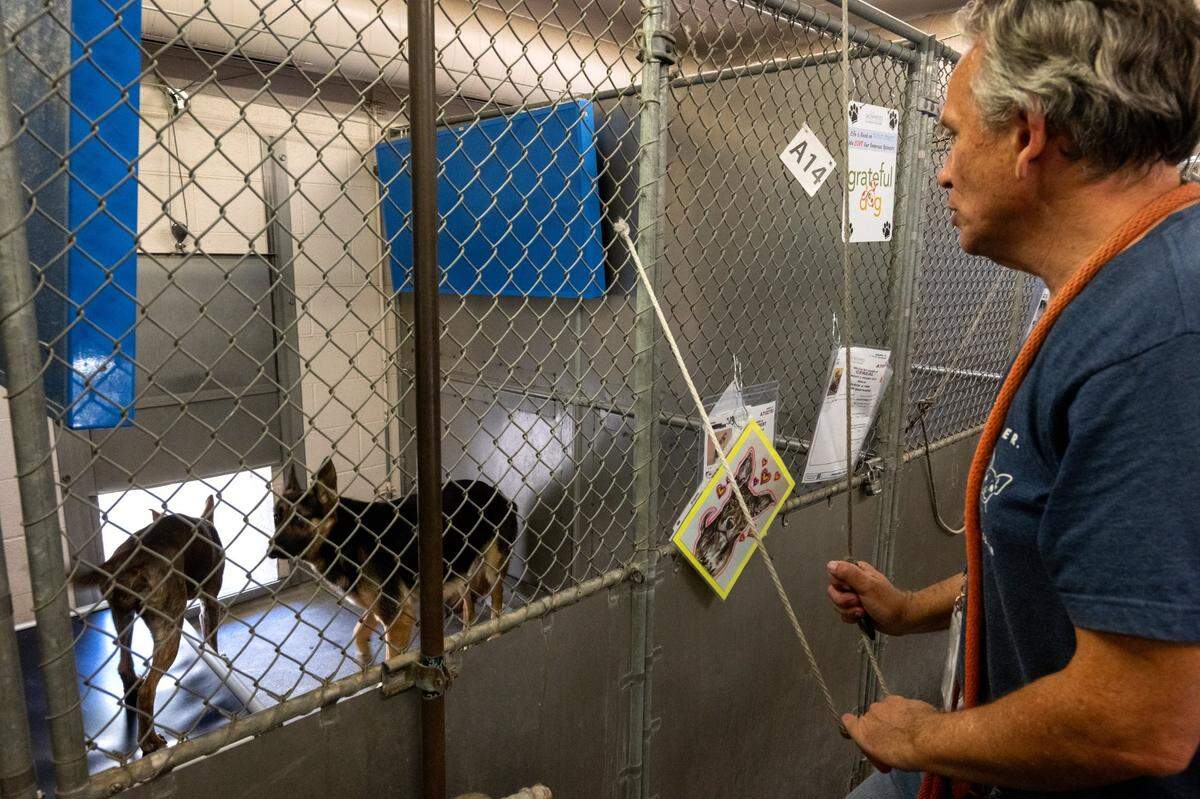
On a recent Tuesday, five dogs — Jackalina, Sticky and three whose names remain unknown — were bunched together in one kennel. It is widely agreed that housing multiple dogs in a single kennel is not preferred.
“It’s been Frankensteined if you will,” said Leah Morris, chair of Sacramento’s Animal Wellbeing Commission. “Everything has just been added here and there, all in goodwill, but these pieces now have a lot of problems because the volume has outgrown what capacity is.”
Overcrowding at a shelter is not unique. But it is particularly devastating at the Front Street shelter, where the 1.8-acre site is less than one-third the size recommended to provide proper care and facilities, according to the needs assessment.
An area for volunteers to wash dishes is directly adjacent to a freezer where dead animals are held. That same freezer is less than 25 feet away from two sheds full of animal food.
“In the summer, you can imagine the smell,” Zimmerman said.
Declining percentage of animals leaving alive
The size and layout of the shelter also contribute to an inability to provide adequate services.
At the 1,100-square-foot medical center, veterinarians and volunteers must squeeze by each other as they struggle to handle the high demand of animals needing surgery, medicine and recovery.
“A modern shelter would have a surgery center and then would have a whole separate building that would be for shelter medicine,” Zimmerman said.
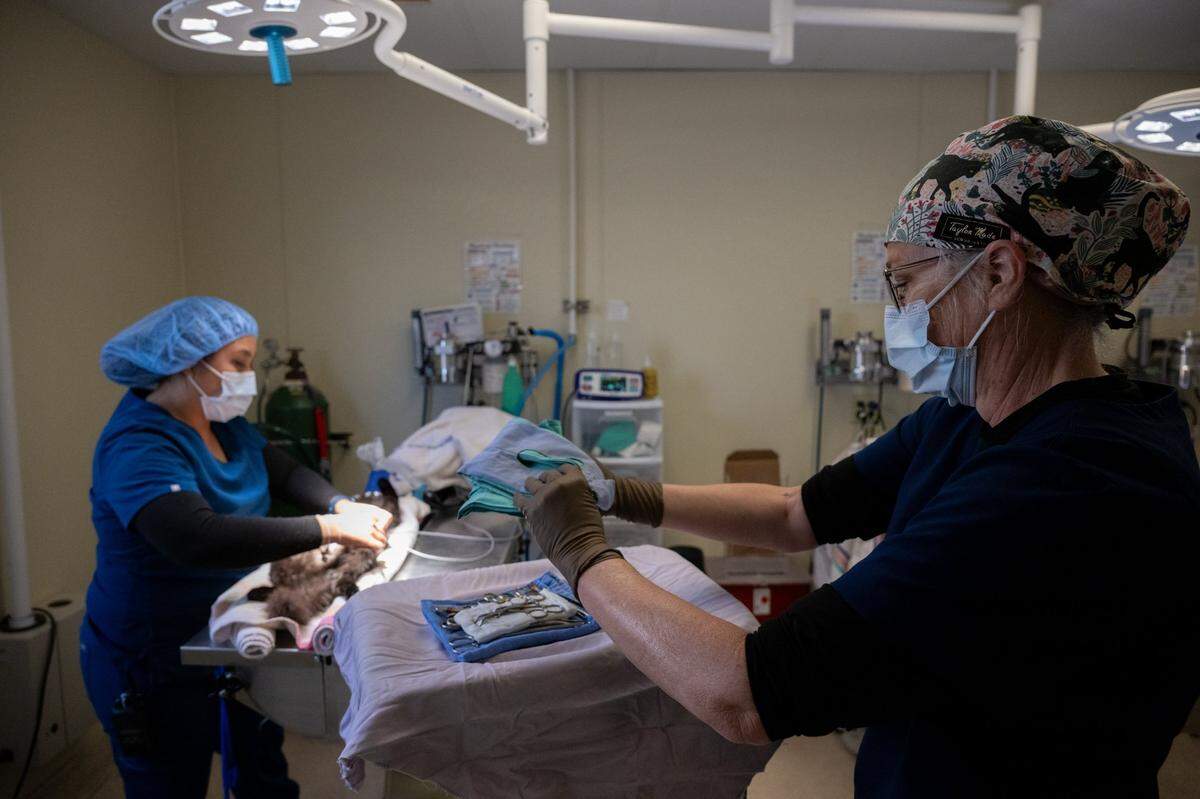
These physical limitations affect the shelter’s capacity for high-volume spay and neuter services and lead to an environment less conducive to animal adoption, Morris said.
The shelter’s overall live release rate — the percentage of animals that leave the shelter alive — has decreased for three consecutive years, according to city statistics. Last year, the rate was 80%. Many shelters across the country target a 90% rate, a benchmark of a “no kill” shelter.
Sacramento’s shelter does not identify as a “no-kill shelter.” Zimmerman said such terminology as “no kill” and “kill” shelters drives some potential adopters away.
The shelter’s deaths stem from several reasons but overwhelmingly are from euthanization. Zimmerman said euthanization is used to address “irremediably suffering and behavior,” including bites, kennel stress and vicious dogs.
Some of these factors, particularly stress, are in part because of the shelter’s outdated and loud kennels. Ideally, Zimmerman said, a newer facility would offer more space for walking, kennels for each dog and limit the noise. As of Monday, 281 cats and dogs had been euthanized in 2025. People adopted 1,276 animals in that same time.
“If there was a modern facility that was larger, there could potentially lead to a higher live release rate,” Zimmerman said.
Millions needed amid budget deficit
The future of the shelter remains uncertain.
The 2024 needs assessment deemed it “infeasible” for a remodel to fix all the issues of the existing facility. Instead, it recommended finding a new, minimum 7-acre site and initiating a fundraising effort.
“It would be extremely difficult to renovate and, or expand it to meet the needs of Sacramento going forward,” Playle said.
A new shelter is estimated to cost between $40 to $60 million and take several years to design and build. The animal care services division received roughly $9 million in last year’s city budget.
In the interim, the report recommended about $8 million of improvements. Commission members acknowledge that even those requests are likely an uphill battle given the city’s looming budget deficit.
That reality has led the commission to narrow down its requests. Last week, it approved asking the City Council for $1.5 million of interim improvements. These include an expansion of the medical clinic and replacing the guillotine kennel doors and broken door latches.
The commission is also seeking city approval to develop a funding plan and potential sites for the new shelter.
“It’s not going to happen in one year, we’ve got to start somewhere,” Morris said.
Front Street Animal Shelter is currently full yet again and waiving adoption fees for all dogs until March 29. Each animal is spayed and neutered, vaccinated and microchipped.
This story was originally published March 19, 2025 at 5:00 AM.