
Sacramento allergy season gets ‘a little bit worse’ every year. Here’s what to expect in 2025
As flowers and trees begin blossoming, you might be feeling that familiar tickle in your nose.
Springtime in Sacramento means trees and grasses are producing pollen again, bringing seasonal allergy symptoms to the surface.
More than 100 million Americans suffer from seasonal allergies and asthma, according to the Asthma and Allergy Foundation of America, and Sacramento is among the worst cities for sufferers.
In a new study, the nonprofit group ranked Sacramento 23rd out of 100 U.S. cities where people prone to seasonal allergies face the most challenges.
Dr. Neil Parikh, allergist and immunologist with Dignity Health Mercy Medical Group in Sacramento, said the city’s geography, climate and local agriculture combine to create an environment where pollen allergies can flourish.
“If you did not have allergies before moving to Sacramento, it’s not uncommon to develop them over time,” he said.
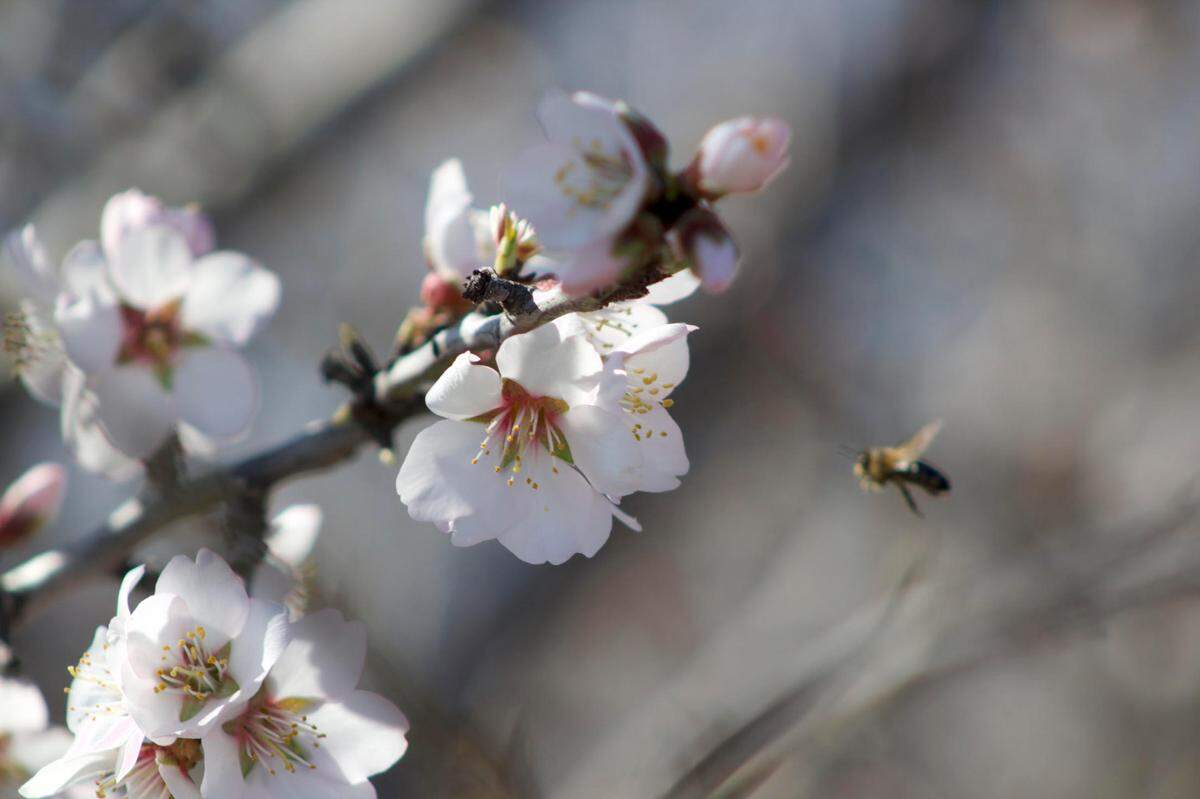
When does allergy season start in Sacramento?
According to IQAir, Sacramento typically has high levels of pollen starting in March and lasting through October.
In the springtime, pollen from deciduous trees plagues the area.
According to Parikh, different trees in the Sacramento area release pollen at different times.
At the start of the season, pollen from alder, birchwood and cottonwood trees is most common.
As of Wednesday, Sacramento was experiencing high pollen counts from mulberry and oak trees, Parikh said.
Later in the spring, ash, olive and walnut tree pollen is the most common, he said.
From June through August, grass pollen counts rise above tree pollen levels, according to IQAir.
Parikh said grass is considered a “perennial allergen” in Sacramento because of its year-round prevalence.
“If (a patient is) going to someone’s house and they’re complaining of how bad their allergy is, there’s a good chance that person is suffering from grass pollen in Sacramento,” he said.
Ragweed pollen hits its peak in late summer and lasts through the end of pollen season, according to IQAir.
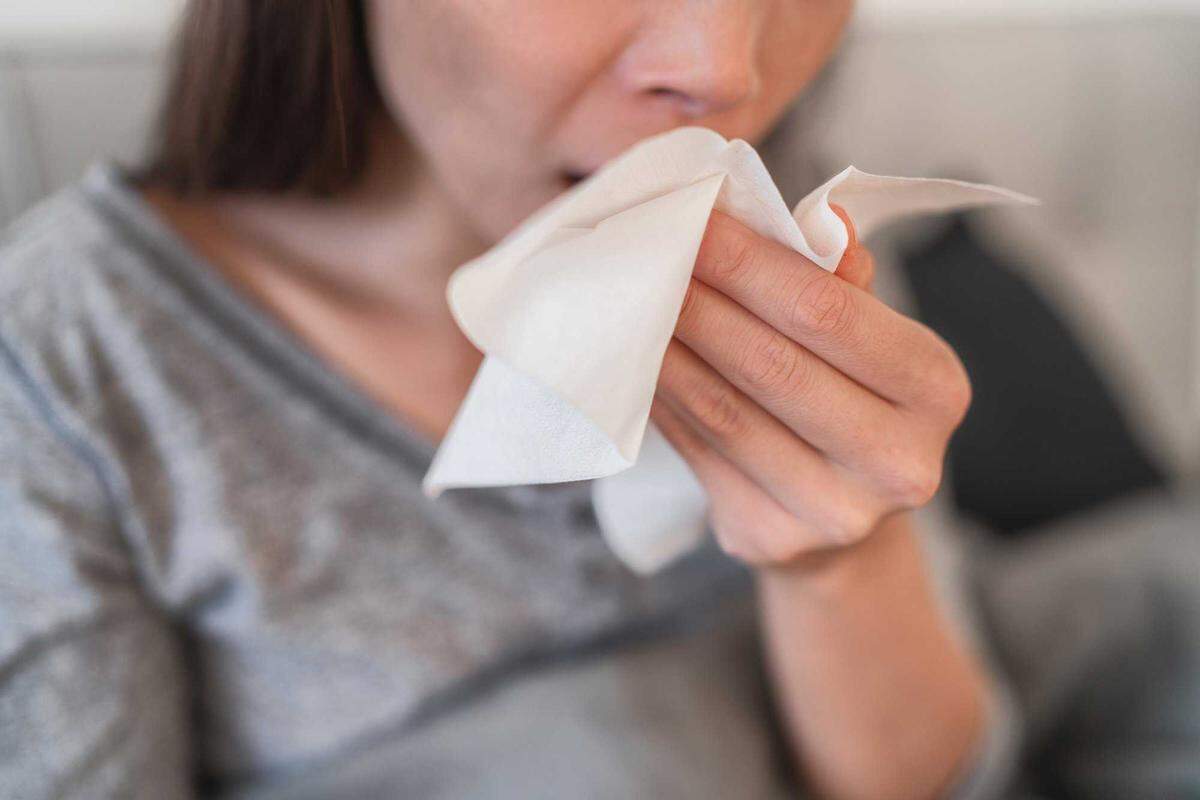
What’s the seasonal allergy forecast for 2025?
The Sacramento area is expected to see an “average” amount of the three main types of pollen throughout 2025, according to AccuWeather’s annual allergy forecast report, published Wednesday morning.
However, that does not mean Sacramento won’t have any severe allergen days this year.
“Even if we have an ‘average’ season, we could easily see a few-day period of some extreme pollen when things dry out and there is a week of warm temperatures,” AccuWeather senior meteorologist and allergy expert Allan Reppert said in the report.
Over the past five years, the overall pollen count in Sacramento has steadily risen, Parikh said.
“Each year, unfortunately, seems to be a little bit worse than the previous year,” he said.
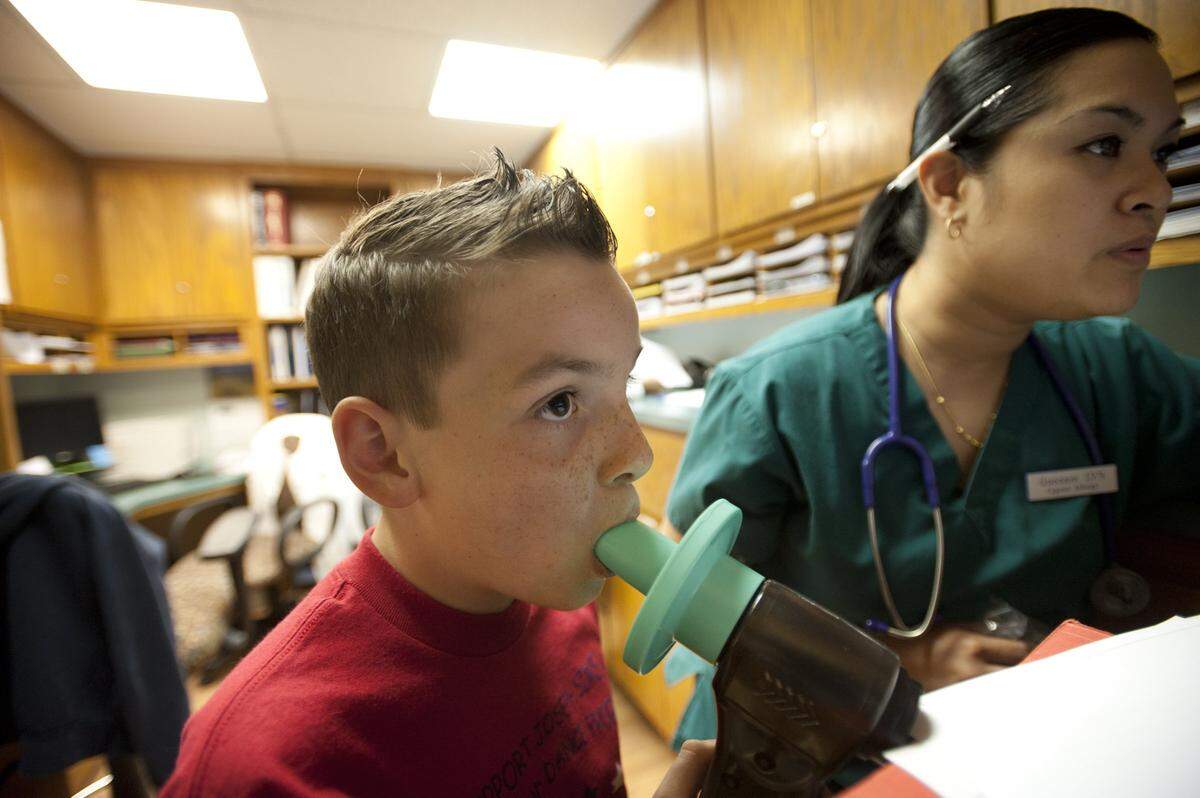
Why are allergies so bad in Sacramento?
Sacramento’s status as one of the worst places in the country for seasonal allergy sufferers stems in part from its location in a valley and its proximity to a rich agricultural region, according to Parikh.
Rainy autumn and winter weather leads to fertile soil, allowing for abundant growth of native plants, which produce pollen as temperatures rise.
“That combination makes Sacramento one of the highest areas for pollen production,” Parikh said.
Sacramento’s locations in the Central Valley makes it easier for wind-blown pollen to settle in the city, according to Parikh.
“The topography of being in a valley does not create an opportunity for pollen ... to be blown off into the ocean,” he said.
What are common allergy symptoms?
It’s important to know what makes your seasonal allergies flare, Parikh said, because symptoms can mimic those of respiratory illnesses such as common cold and COVID-19.
These are typical symptoms of allergic rhinitis, also known as hay fever, according to Mayo Clinic:
- Runny nose
- Stuffy nose
- Watery, itchy or red eyes
- Sneezing
- Coughing
- Itchy nose, mouth or throat
- Postnasal drip, or mucus that goes down the back of your throat
- Swollen under-eye skin that can look bruised
- Tiredness and fatigue
There are some differences between the symptoms of seasonal allergies and viral infections, according to Mayo Clinic.
Allergies don’t typically cause fever, but viral infections can.
Symptoms from allergies have an immediate onset, while viral infections take up to three days to present symptoms.
Allergy symptoms last only as long as you’re exposed to allergens, while colds and COVID-19 tend to stick around for longer.
What’s the best way to treat allergy symptoms?
Parikh said the first step to combating allergy symptoms is to prevent them.
Minimizing your exposure to common allergens can help you avoid feeling symptoms, he said.
Parikh provided these tips for preventing exposure to allergens:
- Get allergy tested to know which allergens affect you
- Track the local allergen forecast on sites such as AccuWeather
- Avoid going outside during the middle of the day on high allergen days
- Take a shower or change clothes immediately after coming back inside
- Don’t sleep in the same clothes you went outside in

Which medications can I take?
If you begin experiencing symptoms of hay fever, there are a number of over-the-counter medications available to help manage the symptoms, according to Parikh.
Oral and eye drop antihistamines and nasal steroid sprays are available without a prescription and can lessen the effects of seasonal allergies, he said.
According to Mayo Clinic, over-the-counter medications you can use to treat the effects of seasonal allergies include”
- Claritin, Alavert and Allegra Allergy for oral antihistamines
- Pataday, Patinol, Alaway and Zaditor for eye drops
- Astepro Allergy for a nasal spray
Parikh recommends visiting an allergist if your allergy symptoms are having a significant impact on your life and cannot be managed by medications, or if you have chronic conditions that are exacerbated by allergies, such as sinus infections, asthma and eczema.
“There’s a lot that can be done to help manage and treat these allergies,” he said.
.jpg)