These are the racial justice activists who sued Sacramento police over treatment at protests
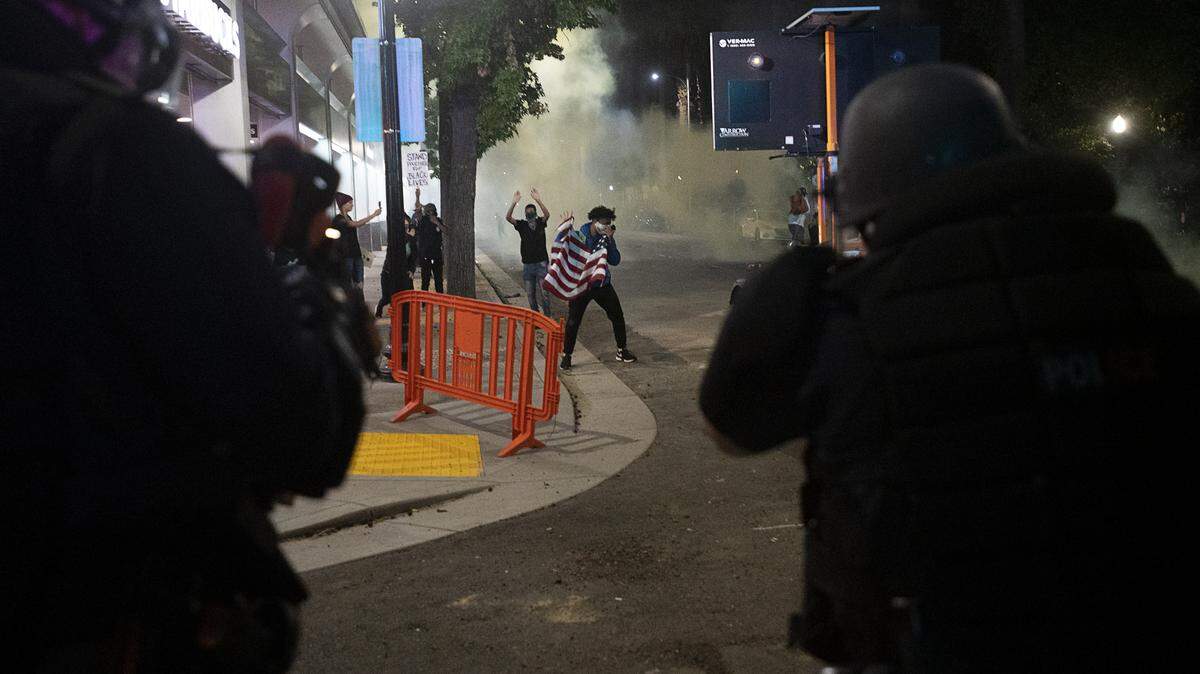
A group of community activists participating in 2020 racial justice protests said Sacramento police bruised them and subjected them to chemical burns, intimidated them with surveillance and raids at their homes, shot them with impact munitions, and targeted them at demonstrations and verbally harassed them.
These activists said police did all this against Black Lives Matter supporters and, in turn, ignored assaults on them and others by white supremacist groups such as the Proud Boys at 2020 and 2021 “Stop the Steal” rallies in Sacramento.
This group of activists on March 7 reached a settlement in their federal civil rights lawsuit with the City of Sacramento, which agreed to pay the plaintiffs $350,000 in monetary damages.
The activists’ attorneys also secured a bench trial that starts Monday where they’ll “seek changes to address the Sacramento Police Department’s discriminatory and violent policies and practices,” according to a news release from the plaintiffs’ attorneys. The activists were represented in court by the Lawyers’ Committee for Civil Rights of the San Francisco Bay Area, Disability Law United and Siegel Yee Brunner and Mehta.
Attorneys representing the city and the Police Department have denied the plaintiffs’ allegations in filed court documents, including an argument that the plaintiffs’ lawsuit failed to state the facts sufficient to constitute a cause of action against police.
These are the activists who sued Sacramento police and the allegations they made in an amended 77-page lawsuit filed July 12, 2022, in U.S. District Court Eastern District of California:
▪ Meg White, a Black woman, a Sacramento resident a small business owner and leader of the local grassroots group Justice Unites Individuals and Communities Everywhere, was trying to provide basic first aid to demonstrators in racial justice protests in 2020 and 2021. White said Sacramento police severely injured her during the protests, including when she asked for help from officers as she tried to help people attacked by white supremacist groups. She suffered severe bruising, chronic knee and hip pain, chemical burns, and a shoulder injury that left her unable to raise her arm. White said she witnessed law enforcement restrain and assault racial justice protesters while allowing white supremacist groups with weapons like large knives and mace to move freely.
▪ Jeronimo Aguilar is a Chicano man, Winters resident and a member of the Brown Berets, a pro-Chicano group against police brutality and for racial justice initiatives. He also works for Legal Services for Prisoners with Children and is active with All of Us or None, a grassroots human and civil rights organization advocating for the rights of current and former incarcerated people and their families. Aguilar attended several protests in May and June 2020, where he chanted in support of racial justice and tried to prevent violence from law enforcement and organized hate groups. He said Sacramento police officers targeted Aguilar, conducted surveillance on him, illegally raided his home and caused him to stop participating in Sacramento protests.
▪ Loren Wayne Kidd, a white man with epilepsy and resident of Elk Grove, said he saw video of police brutality at a protest in the wake of George Floyd’s murder by Minneapolis police officers in May 2020. Kidd attended many protests in the Sacramento area from May 2020 through January 2021. Kidd said Sacramento police shot him with impact munitions, shoved him into and over parked vehicles, targeted him for wearing black clothing, discriminated against him based on his disability during arrest and watched — without intervening — as white supremacists attacked him. He said he still suffers from significant psychological trauma and has substantially decreased his participation in racial justice protests out of fear that law enforcement will instigate, facilitate or acquiesce in violence.
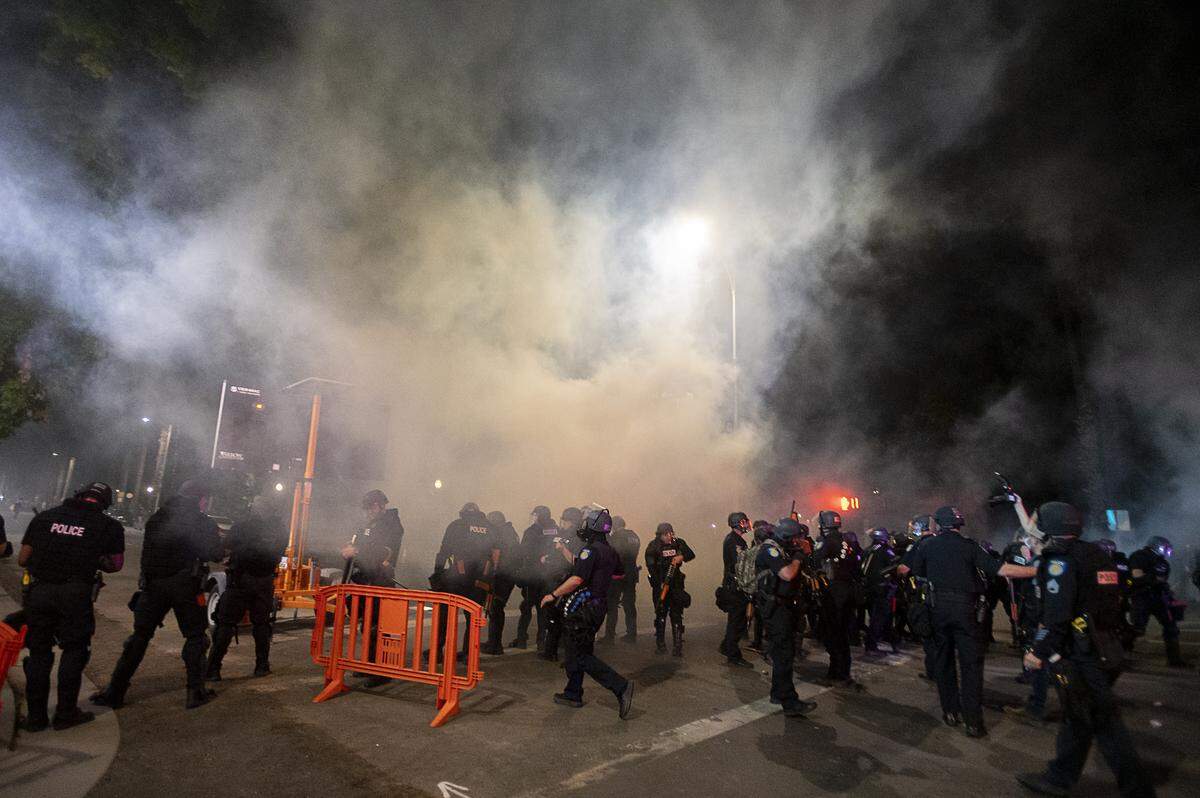
▪ Lyric Nash, a biracial woman and West Sacramento resident, was affiliated with the grassroots group NorCal Resist that fights oppression and empowers communities through shared resources and support. She attended many racial justice protests in Sacramento from late May 2020 through February 2021. Nash said Sacramento police targeted her with verbal harassment and threats, repeatedly bull-rushed her and other racial justice protesters, indiscriminately fired pepper balls, foam-tipped bullets and beanbag rounds into crowds when she was present. She said she fears going to downtown Sacramento because of the Police Department’s conduct, suffers significant psychological harm and has significantly decreased her participation in racial justice protests.
▪ Nicollette Jones, a woman of Punjabi Asian and European descent and a Sacramento resident, is a peer crisis counselor for Mental Health First, an effort launched by the Sacramento Chapter of Anti Police-Terror Project. She attended racial justice protests from May 2020 through January 2021. She said Sacramento police knew her name and regularly targeted her during protests. At a May 2020 protest while Ms. Jones chanted, she said Sacramento police officers kicked an active tear gas canister toward her and shot impact munitions that struck her at least 11 times. Jones still lives with significant psychological trauma and has decreased her participation in protests.
▪ Odette Zapata, a Latinx woman and Sacramento resident, was raised in a Black family, so issues of police brutality against Black and Brown people deeply affect her. She attended racial justice protests against police brutality and used de-escalation training from Anti-Police Terror Project to try to keep her community safe from violence. Zapata said she witnessed law enforcement’s pattern of violent escalation against those it deemed to be racial justice protesters, while allowing white supremacist and organized hate groups to freely exert violence against community members. She also said she was the target of “extreme and illegal” surveillance by law enforcement including aerial surveillance and visits to her home after the protests. She suffers from severe psychological trauma, no longer feels safe anywhere she goes and has substantially decreased her protest activity.