Meteor shower with ‘glowing trains’ to shoot across California sky. Here’s when
Stargazers can see clusters of shooting stars and planets lighting up the California night sky in May.
Stunning streams of comet dust will dash across the sky when the Eta Aquarid meteor shower returns in May, according to NASA.
Californians can also glimpse a full moon and a variety of planets during clear nights.
Here’s what to know about the upcoming celestial events:
When to watch Eta Aquarid meteor shower in California
In early May, Earth crosses streams of space dust from Halley’s comet that produce a vibrant meteor shower, the Eta Aquarids, according to NASA.
The dazzling show of shooting stars appears biannually every May and October, NASA said.
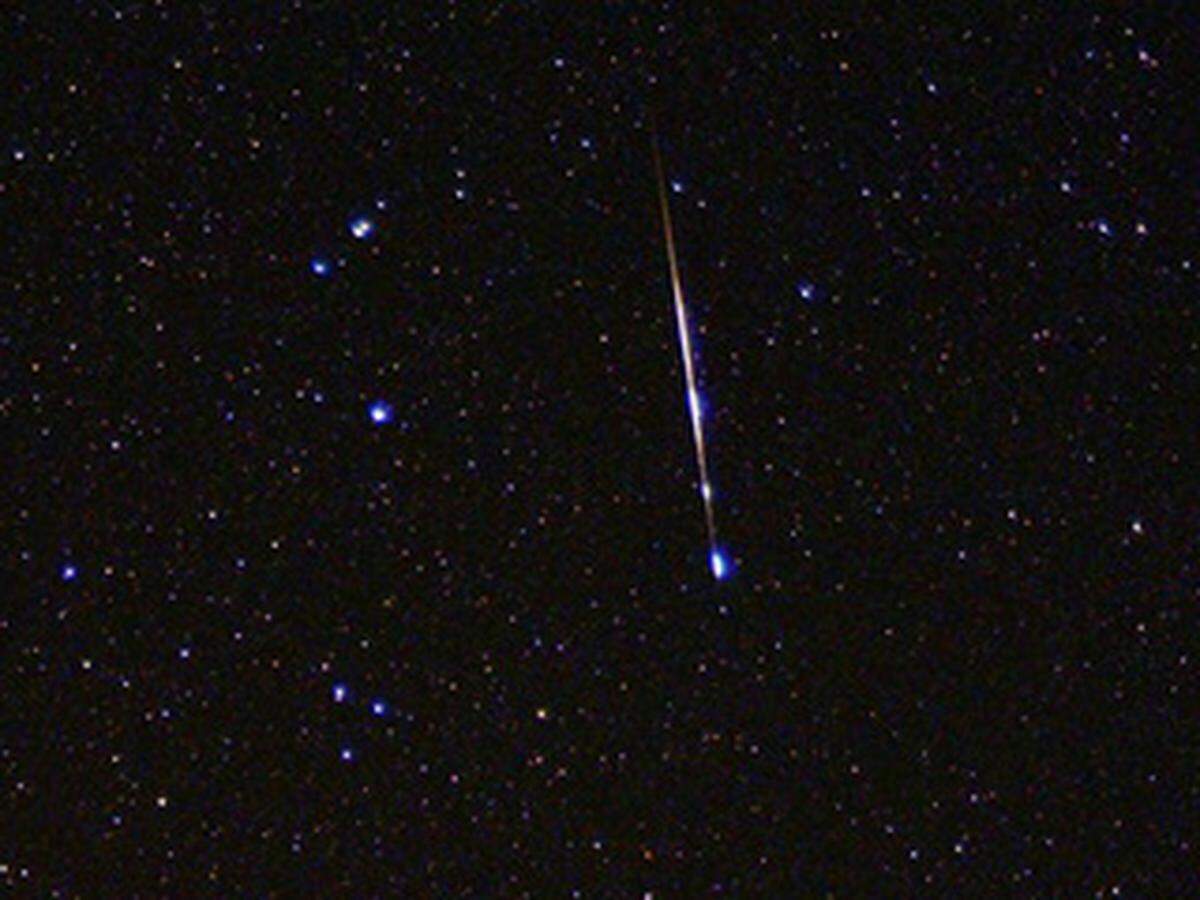
The meteors are known for their quick speed and long-lasting streaks that linger in the sky after the initial burst.
“Fast meteors can leave glowing ‘trains’ (incandescent bits of debris in the wake of the meteor) which last for several seconds to minutes,” NASA said.
The meteor shower will peak overnight from Monday, May 5, to Tuesday, May 6, according to Time and Date.
What’s the best way to view shooting stars?
The Eta Aqauarid meteor shower is one of the most prominent meteor showers south of the equator, with up to 50 shooting stars per hour.
The Northern Hemisphere experiences a more subdued shower, with about 10 to 20 meteors streaking across the sky each hour, NASA said.
California stargazers can view the most shooting stars after the moon sets around 3 a.m. on Tuesday, May 6.
The dark skies ahead of dawn will create “ideal viewing conditions” to observe the Eta Aqauarids, according to the space agency.
“The two or three nights before that are also decent opportunities to spy a few shooting stars,” NASA spokesman Preston Dyches said.
The best way to view the shooting stars are in the hours before sunrise in a place away from bright city lights, the agency said.
“Lie flat on your back with your feet facing east and look up, taking in as much of the sky as possible,” NASA said. “Be patient – the show will last until dawn.”
Which planets will you be able to see?
Stargazers can glimpse Venus, Mars, Jupiter and Saturn without using a telescope in May, NASA said.
Mars and Jupiter will be visible to the naked eye throughout May. You can spot the planets in the west in the first hours after sunset.
Amateur astronomers can also catch a visible Venus in the night sky all month. The planet appears low in the east ahead of sunrise, according to the space agency.
NASA said Saturn would be situated next to Venus at the beginning of the month before moving higher up in the sky.
What’s the best time to see full moon in California?
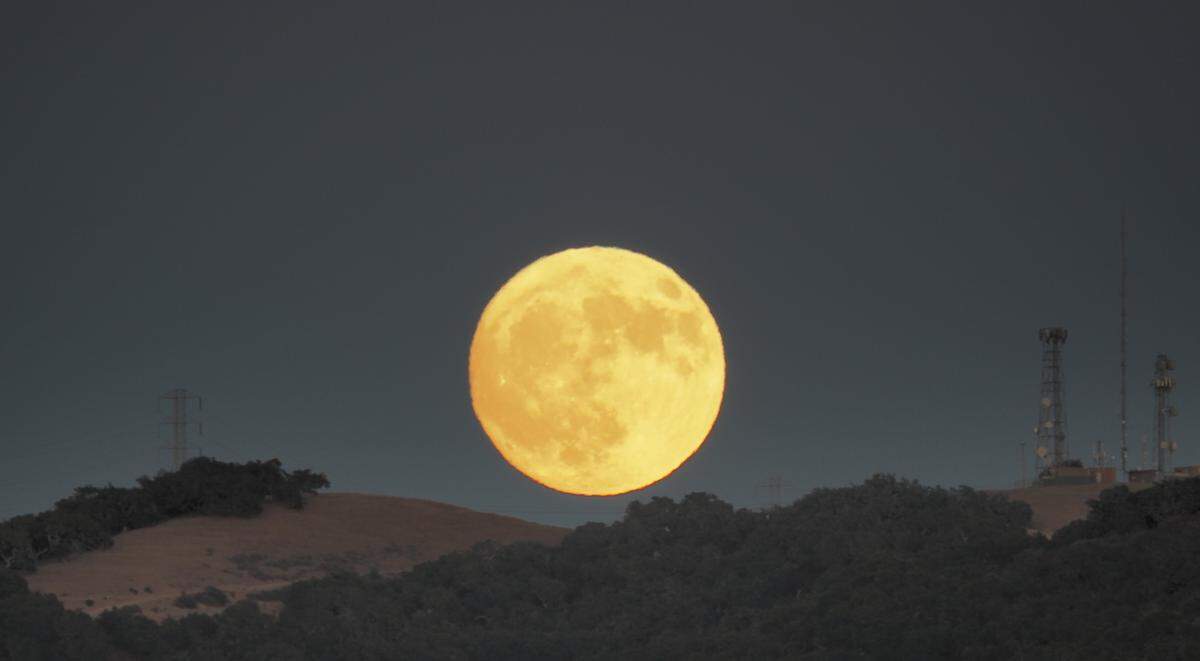
The fifth full moon of 2025 will reach peak illumination at 9:55 a.m. on Monday, May 12, according to Time and Date.
May’s full moon is called the Flower Moon due to the many springtime plants that blossom during the month, Time and Date said.
Other names for the May full moon also suggest signs of spring, according to the Old Farmer’s Almanac.
The Cree, one of the largest Indigenous groups in Canada, called it the Budding Moon and Leaf Budding Moon to “celebrate the awakening of local flora,” the almanac said. The Dakota and Lakota tribes described it as the Planting Moon, or the time of year when seeds should be sowed.
The Oglala peoples of southwestern South Dakota and northwestern Nebraska named the May moon the Moon of the Shedding Ponies to indicate the springtime changes underway for animals as well, the Old Farmers Almanac said.