
How Donald Trump’s executive order axing public media funding affects Sacramento
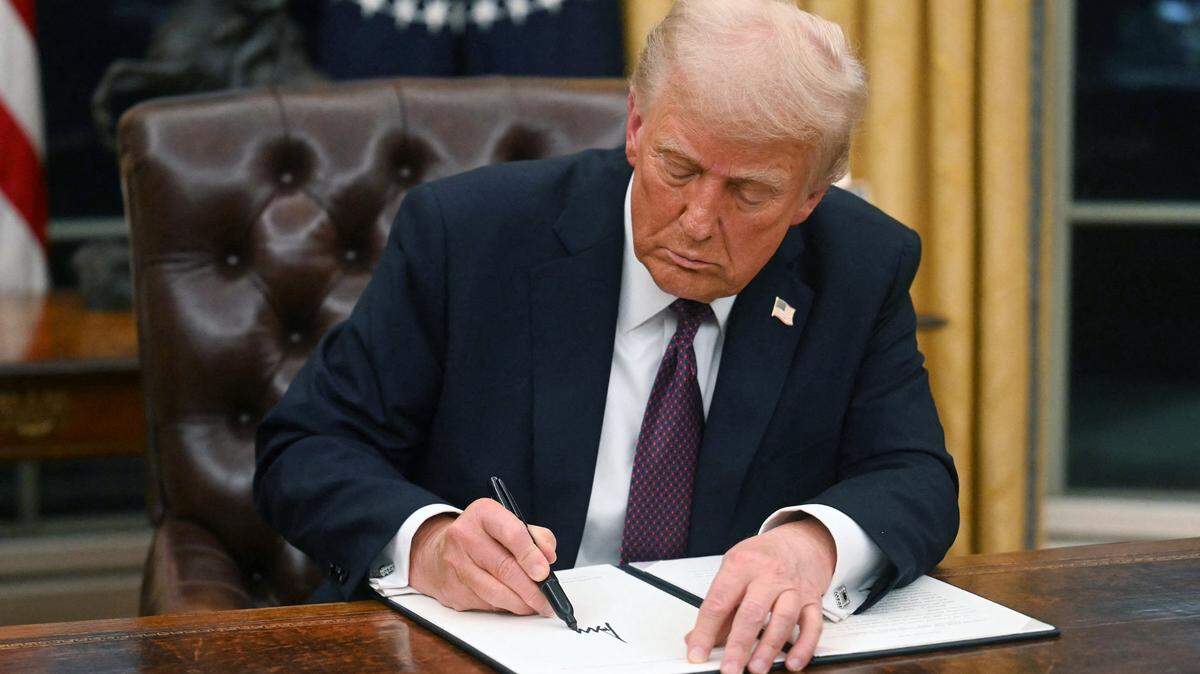
Two Sacramento nonprofit media institutions charted different financial outlooks in response to President Donald Trump last week axing federal funds for public media.
Trump signed an executive order Thursday to revoke the federal funding source to National Public Radio and Public Broadcasting Service. Bankrolling media outlets by the government is outdated and corrodes the appearance of journalistic independence, according to the order.
Corporation for Public Broadcasting, the private nonprofit created by Congress to distribute millions of dollars to public broadcasters, said Trump has no authority to direct its funding because it is not an entity under his agency.
The two media institutions, Capital Public Radio and PBS KVIE, once received millions of taxpayer money.
However, CapRadio said it does not receive federal money and that it relies almost exclusively on individual contributions and business support. The nonprofit last received Corporation for Public Broadcast funding in 2023, and has not received money since federal auditors launched a financial review.
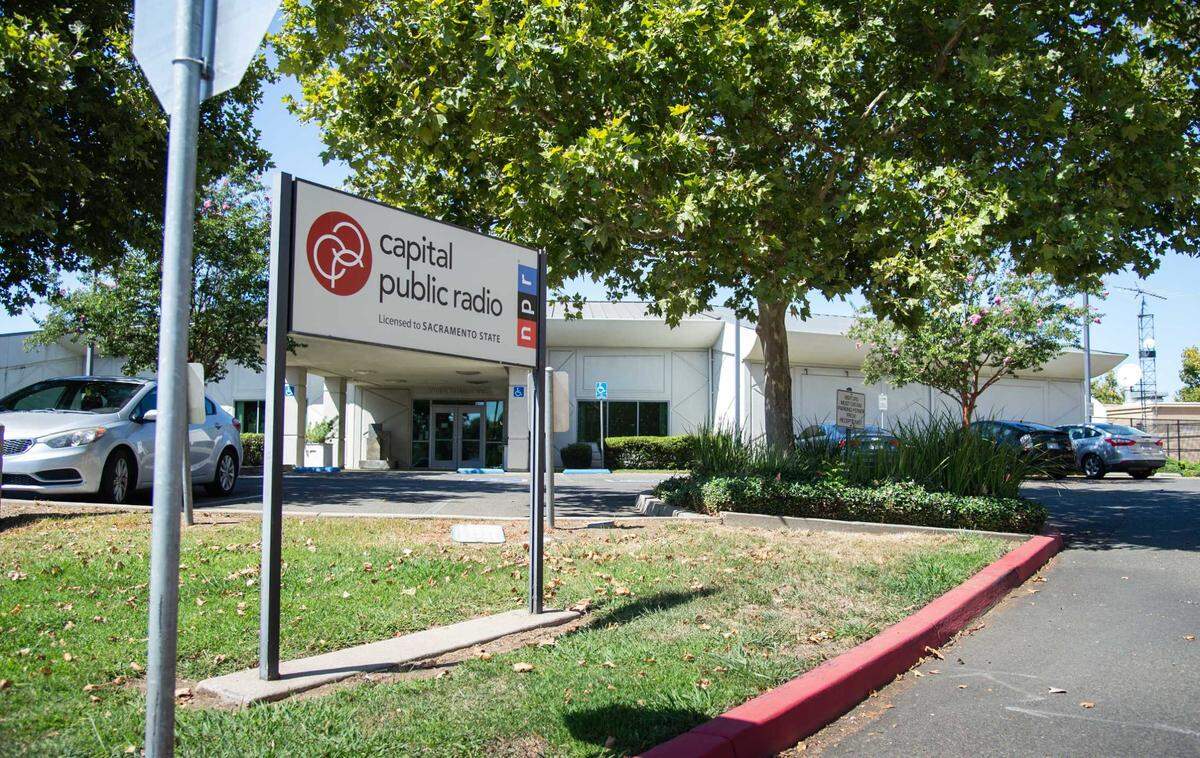
The Office of Inspector General, a watchdog unit in the Corporation for Public Broadcasting, found the station had overstated its revenues when applying for grants under former general manager Jun Reina, according to a report released in March. Reina, who has since left the station, became the general manager and executive vice president in 2020.
Frank Maranzino, CapRadio’s interim president and general manager, said Reina is under investigation by law enforcement after a series of audits found questionable expenses spent by a credit card controlled by Reina. The Sacramento County Sheriff’s Office has said previously it is investigating financial improprieties at CapRadio, but has declined to say if Reina is at the center of their inquiry.
But PBS KVIE Ch. 6, reported millions of federal dollars flowed to its budget, according to its community impact reports. In the fiscal year 2024, the station reported about 14% of its budget — or about $2.3 million — came from taxpayers.
That number has continued to grow. In this current fiscal year, that pot of money represented almost 16% of KVIE’s budget, or $2.5 million, said David Lowe, KVIE’s general manager, in an email.
“Efforts to eliminate previously approved federal funding could disrupt PBS KVIE’s ability to deliver trusted news, educational kids’ shows, and inspiring programming,” the station wrote on Instagram.
Federal support goes far beyond balancing a station’s bottom line, Lowe said.
“Federal support is what makes the public in public media possible,” he said. “It ensures that everyone in our region — regardless of income, background, or geography — has access to trusted news, educational programming for children, and stories that reflect and serve our diverse communities. Public media also plays a critical role in delivering emergency alerts and public safety information, particularly during times of crisis when lives may depend on timely, accurate communication.”
Smaller stations, often in rural or underserved areas, will also bear the brunt of federal funding cuts, Lowe said. Those dollars represent a larger portion of these stations’ budgets, he said.
“The loss would be especially devastating to those communities,” Lowe said, while later adding there is no substitute for this “public investment.”
Asked how KVIE plans to shift its budget following the executive order, Lowe said, “We continue to plan for the future with a focus on both service to the community and financial responsibility.”
Public corporations, while attempting to balance the budget, also face uncertainty to plan for the future. The Corporation for Public Broadcasting all but promised to file a legal challenge to Trump’s executive order.
This story was originally published May 5, 2025 at 3:12 PM.