Northern California rivers, streams ‘extremely dangerous’ right now. Here’s why
With communities across Northern California expected to see rising temperatures, you may be tempted to take a dip in a local river, lake or stream.
Resist that urge, experts say.
Local waterways are seeing chilly, fast-flowing water due to spring snowmelt, according to the National Weather Service and other agencies.
“Outdoor enthusiasts must exercise caution as these conditions can be extremely dangerous, with cold, swiftly moving water posing significant risks,” Pacific Gas and Electric Company said in a Wednesday news release. “Swimming in cold, swift water is not recommended.”
Here’s what to know:
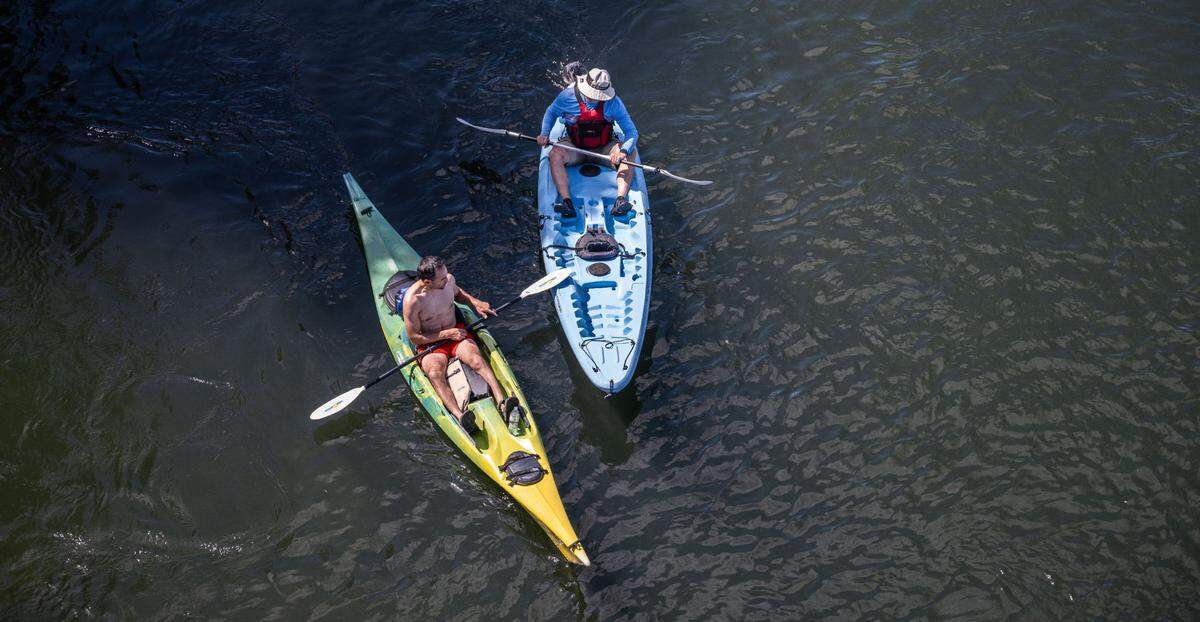
Hot weather forecast in Sacramento area, San Joaquin Valley
“Persistently warm temperatures” are forecast around Northern California over the Mother’s Day holiday weekend, the National Weather Service’s Sacramento office wrote in a Thursday post on X, resulting in “widespread” minor heat risks and areas of moderate heat risk.
As a result of that warming trend, high temperatures could trend 10 to 15 degrees above average over the weekend in the San Joaquin Valley, the National Weather Service’s Hanford office said via Twitter on Thursday.
Forecasters said there’s a 45% to 85% chance for highs in the Valley to exceed 100 degrees on Saturday.
“While it may be tempting to cool down in the area lakes and rivers, keep in mind that water temperatures can be much colder than air temperatures due to the water originating from snowmelt runoff,” the weather service’s Hanford office said Thursday via X.
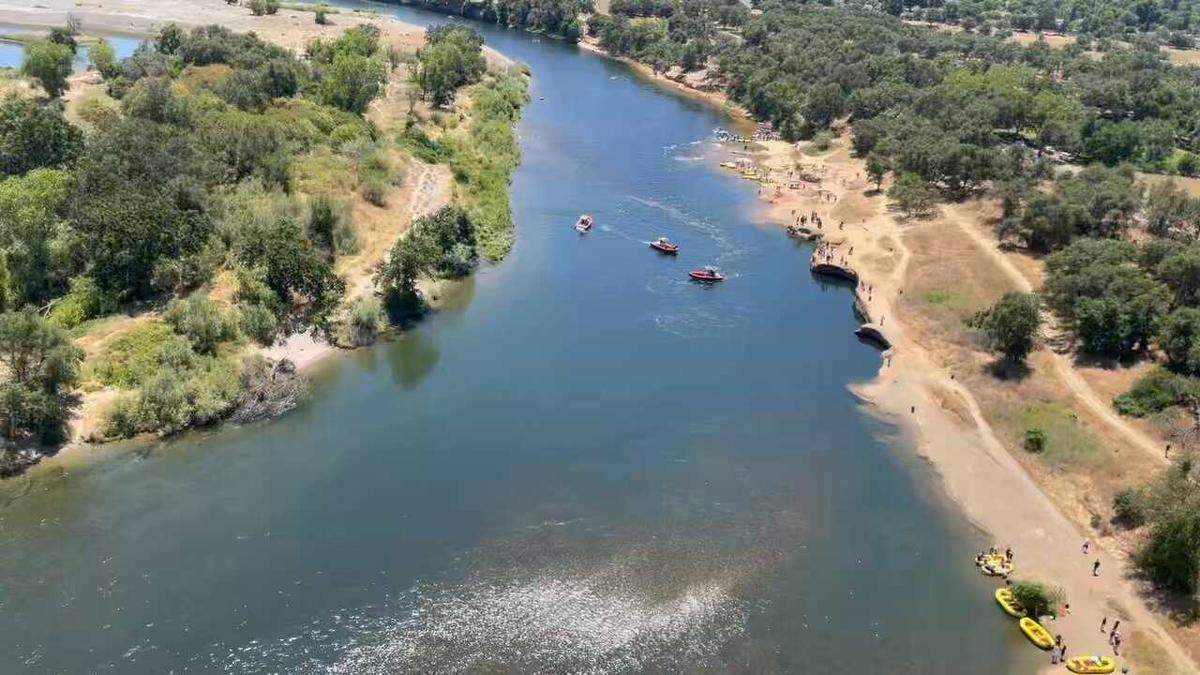
Northern California residents warned about fast-moving water
Northern California residents should “be aware” while recreating in or around water, the National Weather Service said.
“Rivers, lakes and streams are running fast and cold,” the weather service’s Sacramento office said via X on Thursday.
“The melting snowpack is creating cold, higher flows,” Dave Gabbard, PG&E vice president of power generation, said in the release. “We encourage everyone recreating in or near water to be situationally aware and have a plan to quickly and safely escape in case of changing water flows and cold temperatures.”
The Sacramento Fire Department urged swimmers and boaters to be cautious and wear life jackets when enjoying local waterways.
“The local rivers should be enjoyed cautiously,” Sacramento Fire Capt. Justin Sylvia said in a Thursday news release. “They are fast moving and can sweep you downriver within seconds.”
“Children need to be monitored around water,” Sylvia said, adding that parents and guardians should make sure “small children are wearing life jackets around our local rivers, even if they know how to swim.”
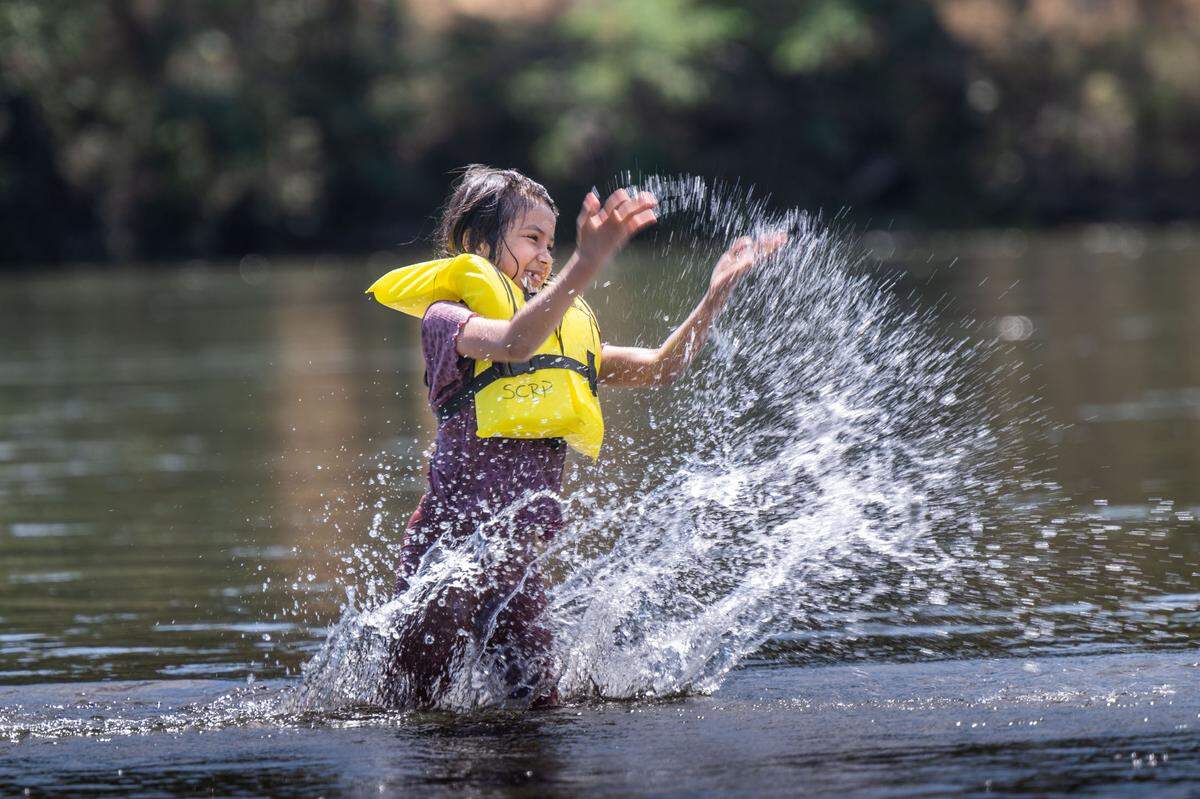
Why is cold water dangerous?
According to the National Weather Service, cold water removes heat from the body “very quickly,” resulting in a loss of dexterity and other issues.
You’ll notice a difference after spending less than five minutes in 40- to 50-degree water, the weather service said, or 10 to 15 minutes in slightly warmer water.
“Sudden immersion in cold water can stimulate the ‘gasp reflex,’ causing an involuntary inhalation of air or water,” the California Department of Water Resources said on its website.
This response, known as “cold shock,” can result in “dramatic changes in breathing, heart rate and blood pressure,” the weather service said on its website, leading to a “greater risk of drowning, even for confident swimmers in calm waters.”
It can also trigger cardiac arrest, temporary paralysis and hypothermia, according to the state Water Resources Department.
In addition, cold water can cause “vertigo and disorientation” if it enters the ear canal, PG&E said, potentially confusing swimmers.
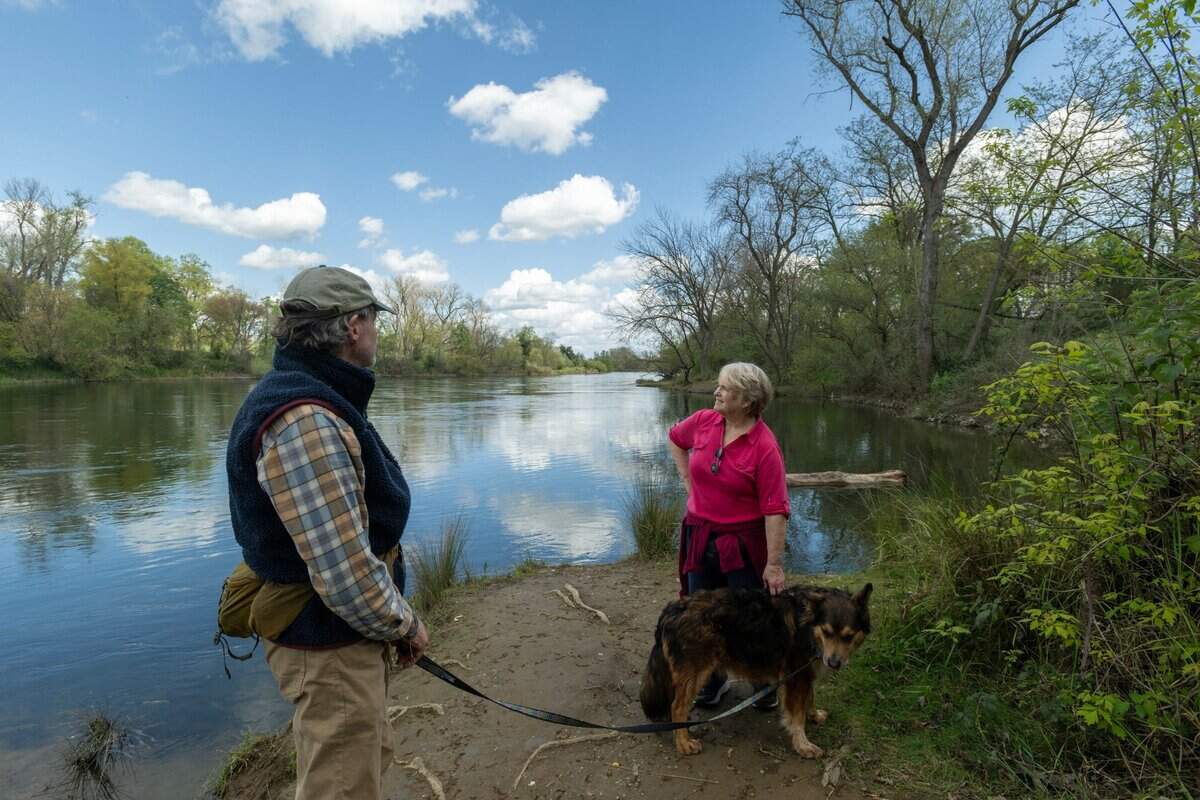
How to stay safe near water
Here are some safety tips for those planning to spend time in and around water from the California Department of Water Resources, National Weather Service and Sacramento Fire Department:
Plan ahead
- Check the status of the park you’re planning to visit before you leave your home for restrictions and guidelines
Check river conditions on the Department of Water Resources’ website.
Bring a proper-fitting life vest and shoes, as well as sun protection and water for hydration.
Bring a life preserver
- Know your GPS coordinates so you can provide your location in case of emergency.
- Tell someone where you are going and when you expect to be back, and let them know when you return safely.
Know the water
- Stay out of cold, fast-running water.
Never enter the water to rescue someone. Throw something that floats and call 9-1-1.
Never swim alone and never go in the water after drinking alcohol.
Know your limits
- Even the strongest swimmers can become overwhelmed when faced with cold, swift water.
Life jackets
Life jackets are strongly recommended when recreating in or near waterways.
Supervise
- Keep a close eye on family and friends if you plan to be around flowing water.
- Always watch children in and around water. Assign a designated “water watcher.”