Funding uncertain for Sacramento immigrant support program amid budget deficit
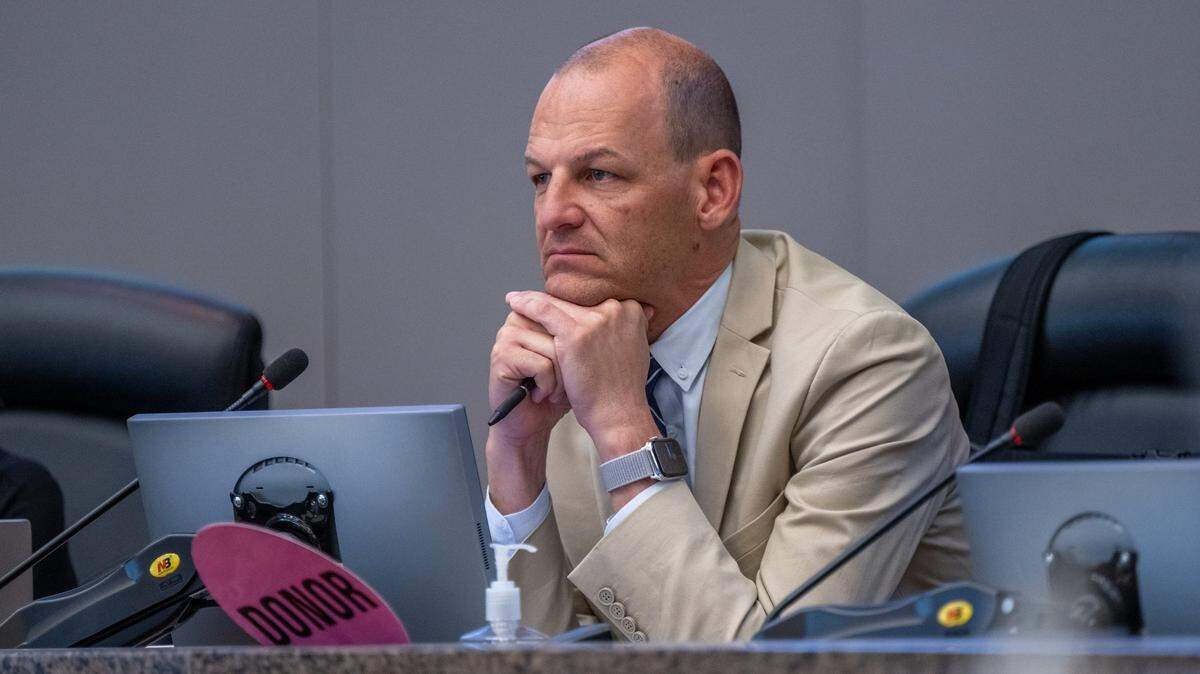
Supporters of Sacramento’s immigrant community filled City Hall on Tuesday night, calling on the city to continue funding a program that has helped pay for immigration legal services for nearly a decade.
The program — called Family Unity, Education and Legal Network for Immigrants, or FUEL — was created during the first Donald Trump presidency to help Sacramento’s undocumented immigrant and refugee population. Since then, the program has helped thousands with legal aid, “know your rights” presentations and emergency preparedness training.
“With your support, the FUEL Network has been able to empower and reunite countless families,” said Magali Kincaid, an immigration attorney with the nonprofit organization Opening Doors, Inc.
Future money for the program remains uncertain given the city’s $44 million structural budget deficit. Annual funding for the FUEL Network has ranged from $250,000 to $500,000, said Councilmember Eric Guerra, who spearheaded the program’s creation in 2017. The program received $500,000 in the last fiscal year, according to the budget.
On Tuesday night, the Sacramento City Council remained divided about the FUEL Network’s funding along with several other topics including increased parking fees, police department vacancies and youth programs. The budget discussion lasted just past 11 p.m., and featured more than 47 registered public speakers.
“I support the FUEL Network, but everybody’s experiencing some version of cuts,” said Councilmember Lisa Kaplan. “Maybe we only fund 75% because these are all going to be on the chopping block again next year.”
Public speakers stressed the importance of continuing the program’s funding given the Trump administration’s crackdown on immigrants. Sacramento leaders, including Mayor Kevin McCarty, have maintained their support for the city’s sanctuary status, even as the federal government threatens to punish jurisdictions providing immigrant protections.
“I hope we value our immigrant community as much as we say we do,” said Jose Amezquita Morales, vice president of the Latinx Young Democrats of Sacramento County.
McCarty said the council would likely “have a path” to provide a one-year allocation of $500,000 to the FUEL Network toward the end of Tuesday’s meeting.
The City Council meeting continued a monthslong process to adopt a budget for the upcoming fiscal year, which begins July 1. Last month, Interim City Manager Leyne Milstein unveiled her $1.65 billion spending plan that addresses the deficit with a mix of fee increases and reduction strategies.
Fire prevention fee increase
Fee increases remained a heavy point of contention throughout Tuesday’s meeting. Under the proposed budget, the city will raise fees in parking, some senior programs and on some structures.
Members of the business community — such as the Sacramento Hispanic Chamber of Commerce, Midtown Association and Downtown Sacramento Partnership — voiced the strongest opposition against proposed hikes for fire prevention fees. These fees are annual charges for owners of habitable structures and were last raised in 2018. The fees will generate about $3.2 million in revenue, per city estimates.
In many cases, the fees are expected to double in cost, depending on the type of structure.
Roughly 10 public speakers asked for the city to phase in the fee, citing the monetary impacts to small businesses and apartment landlords of only a few units.
“This creates a shock that they’re not poised to absorb in a single year,” said Juan Novello, vice president of the Sacramento Hispanic Chamber of Commerce.
The City Council ultimately voted to unanimously approve the fees, citing the need to recover the staff costs for providing fire prevention services. As part of the elected body’s vote, the fees for restaurants and other small businesses — “places of assembly A-2 occupancies of 50-99 and A-3 occupancies of 100+” — will be reduced to 75%.
Moving forward, Sacramento Fire Marshal Jason Lee said the department will conduct a review of these fees every three to five years.
“Unfortunately, where we are is the consequence of not updating on a routine basis fees. … I’m encouraged to hear that we’re going to look at a more systematic approach to fees,” said Councilmember Roger Dickinson.
The new fees will take effect July 1.
This story was originally published May 21, 2025 at 5:00 AM.