Sacramento Zoo welcomes new Masai giraffe to boost conservation. Meet Henry
AI-generated summary reviewed by our newsroom.
- Sacramento Zoo introduced Henry, a Masai giraffe, last month.
- Henry is the zoo's tallest giraffe.
- Zoo collaborates with Wild Nature Institute to monitor Masai giraffe species health.
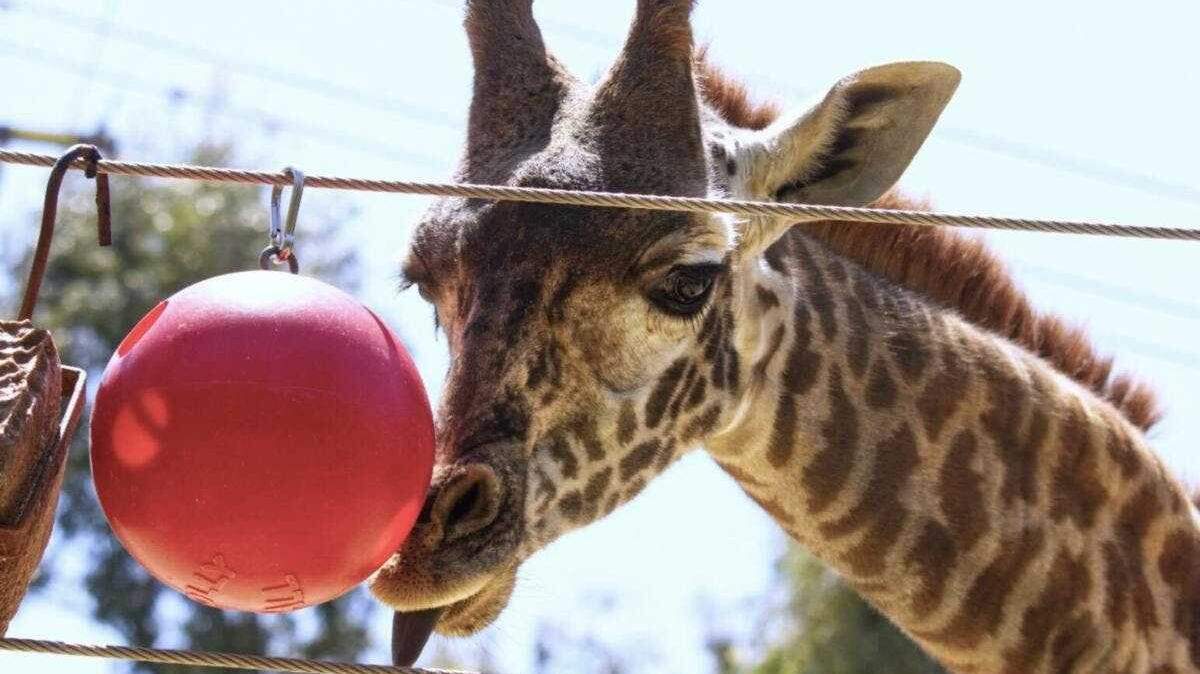
The Sacramento Zoo welcomed Henry, a 1-year-old Masai giraffe who traveled from the Virginia Zoo, to join the facility’s giraffe family.
Standing at 19 feet tall, Henry is recognized by his light colored spots and mane. His introduction to the zoo is considered an “exciting milestone,” by the facility’s staff.
Henry is the zoo’s tallest giraffe, according to a news release introducing the calf. Henry’s arrival comes with a specialized “breeding recommendation” since he is a “genetic match” to the female giraffes in the herd, the Sacramento Zoo stated.
“Henry joined our herd last month and is already settling in and exploring his new surroundings,” a social media post from the zoo stated. “He’s also getting to know the girls and learning the social ropes in his new home.”
Masai giraffes were once considered a subspecies of giraffe, but are now seen as its own species, according to the Sacramento Zoo.
Masai giraffes have become a target of poaching in the last century, the Sacramento Zoo stated. The Sacramento Zoo has partnered with the Wild Nature Institute, which uses photo recognition to study Masai giraffes and their health within the African Savannah ecosystem.
The Sacramento Zoo also welcomed another Masai giraffe, Sumi, in March. Described as “very much still a baby,” Sumi can also be seen in the giraffe exhibit.
Henry and Sumi are part of the Sacramento Zoo’s ongoing conservation efforts. The zoo is one of 34 institutions with the vulnerable and close to endangered species.
“His addition to our herd is the result of extensive planning and collaboration with colleagues across the Association of Zoos and Aquariums (AZA) and the AZA Giraffe Species Survival Plan,” said Matt McKim, the zoo’s chief animal programs officer. “We look forward to his integration and the potential for future offspring, further contributing to the conservation of this iconic species.”
This story was originally published May 23, 2025 at 11:46 AM.