
Sacramento region is one of CA’s fastest growing areas. You can shape its future
AI-generated summary reviewed by our newsroom.
- SACOG projects 580,000 new residents in Sacramento by 2050 under draft plan.
- Region needs $41 billion investment gap to upgrade roads, bridges and transit.
- Public feedback cited affordable housing and traffic safety as top priorities.
What do the next 50 years in the Sacramento region look like? Is it filled with clogged roads with dangerous conditions or affordable housing with clean air?
The Sacramento Area Council of Governments approved a draft plan Thursday examining plans for transportation, housing, land use and jobs for the region’s next half century. Residents may send their thoughts about the document — called the 2025 Blueprint plan — in the upcoming months before its formal adoption in the fall.
“Without thoughtful planning, we will continue to face a lack of housing that is affordable to our growing population, and we will struggle with longer commutes as the distance between new housing and new jobs increases,” the 2025 Blueprint stated.
In 25 years, SACOG projects to add 278,000 homes, create 263,000 new jobs and see 580,000 new residents. In total, the Sacramento region will reach about 3.1 million residents by 2050 and mirror the size of Colorado’s capital region.
“The Sacramento region continues to grow faster than almost any other place in California,” according to the 2025 Blueprint.
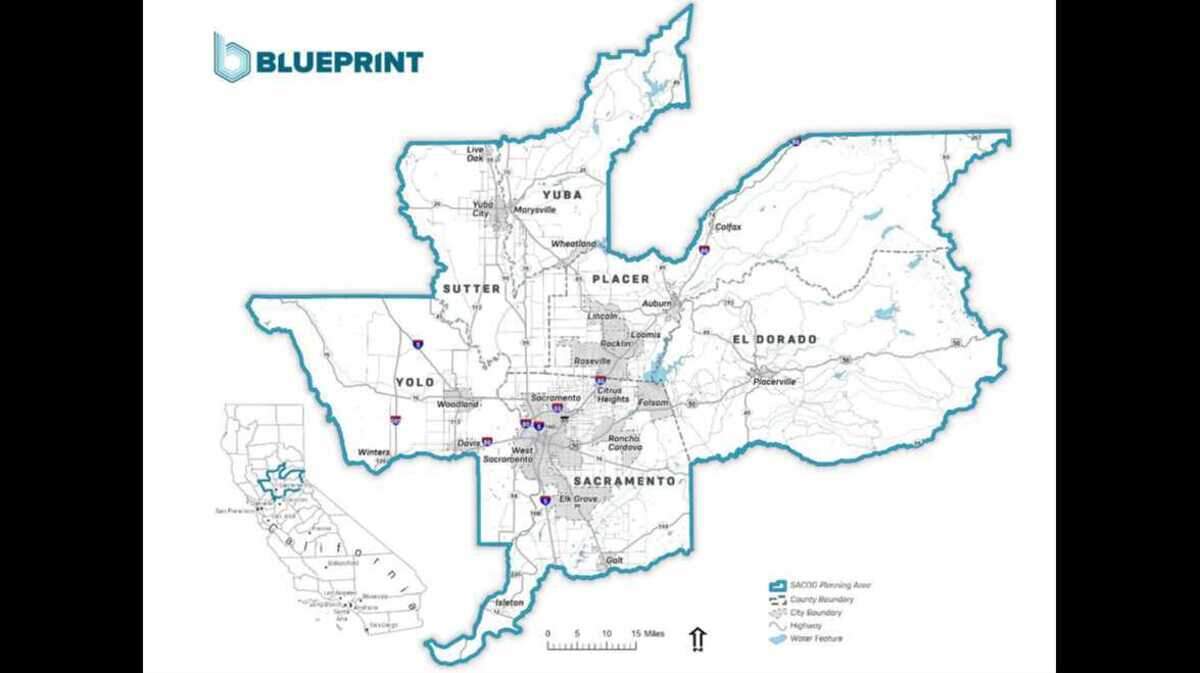
SACOG, which conducts regional planning for a six county and 22 city region, said it conducted outreach efforts across the region to help shape their plan. Ultimately, about 6,000 residents provided feedback through efforts by SACOG to partner with community-based organizations, conduct a scientific poll and meet people at community events.
The survey results showed residents most worried about affordable housing, public safety and safe transportation options, according to SACOG.
“We are going in the wrong direction in terms of fatalities and injuries that are traffic related,” said SACOG Executive Director James Corless. “We know that our pavement is actually in many communities and in many counties getting worse.”
The rate of traffic deaths and serious injuries locally surpasses the state average by nearly 25%, with many collisions occurring in communities with low-income residents, people of color and older residents. About half of all non-freeway collisions happen in these areas since 2012, though those neighborhoods make up about 36% of the region’s population, according to the 2025 Blueprint.
The Blueprint warned traveling could become more difficult as the population swells.
Elected leaders must also grapple with crumbling roads and poor bridges as transportation systems require an approximate $41 billion investment over 25 years. Funding is not guaranteed, nor is the investment sufficient to build roads, acquire buses, trains and transit facilities, according to the 2025 Blueprint.
About 60% of the Sacramento region’s “bridge deck area” needs repairs, with either in poor or fair condition, according to SACOG.
“Our region cannot sustain a transportation system that requires everyone to own a private vehicle,” the 2025 Blueprint said.
Public comment on the plan is open until August and SACOG can be reached at contact@sacog.org. SACOG will host meetings to gather feedback either in-person at 6 p.m. June 18. Pizza and kids activities will be provided. Online meetings will be held at noon on June 18 and at 6 p.m. June 25. RSVP is preferred.