Summer solstice is here. How quickly will California start losing daylight?
The start of summer is here.
Although parts of California have already experienced triple-digit temperatures, the new season doesn’t officially arrive until the summer solstice — an astronomical event that marks the longest day of the year.
Here’s what to know about the beginning of summer:
When does summer officially begin in 2025?
In the Northern Hemisphere, the summer solstice takes place annually on June 20, 21 or 22 depending on the year, the Old Farmer’s Almanac said.
In 2025, the first day of summer falls on Friday, June 20, according to online calendar Time and Date.
The summer solstice will take place on Saturday, June 21, in 2026.
What is the summer solstice?
The summer solstice occurs when the sun travels to its highest point in the sky, according to the Old Farmer’s Almanac.
Once this happens, Earth reaches a point in its orbit where the North Pole is at its highest tilt toward the sun.
This marks the beginning of the summer season in the Northern Hemisphere.
“The June solstice is significant because the sun reaches its northernmost point in the sky at this time, at which point the Sun’s path does not change for a brief period of time,” the almanac said.
You can observe the solstice by standing outside at noon and taking a glance at your shadow, the Almanac said.
On the summer solstice, you’ll cast the shortest shadow of the year due to the sun’s tilt.
When summer starts in the Northern Hemisphere, it’s the beginning of winter in the Southern Hemisphere.
What’s the origin of the word solstice? What does it mean?
According to online dictionary Merriam-Webster, the word “solstice” comes from the Latin word solstitium, which loosely translates to “sun stopping.”
It’s derived from two Latin words: sol, meaning “sun,” and sistere, meaning “to stand still.”
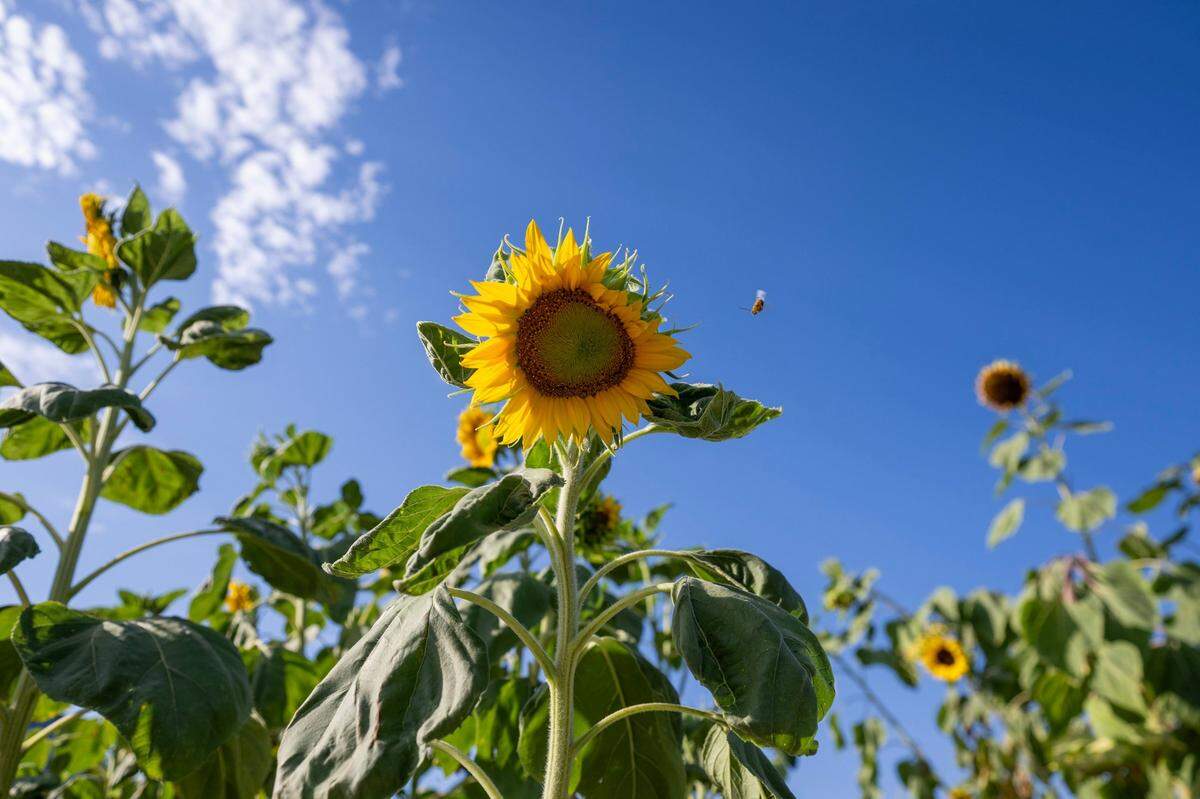
What time will sunrise and sunset happen?
On Friday, June 20 — the summer solstice — sunrise will occur at 5:41 a.m. and sunset will be at 8:33 p.m., according to Time and Date.
On the longest day of the year, Californians will experience 14 hours, 51 minutes and 51 seconds of sunlight.
When will California start losing daylight?
After the summer solstice, the days begin to get progressively shorter.
Two days after the summer solstice, California loses four seconds of daylight, according to Time and Date.
By the end of June, the state will have lost an additional two minutes and 40 seconds since the solstice.
By July 31, the days will be 42 minutes and 11 seconds shorter.
By the time the autumnal equinox, the first day of fall, rolls around on Sept. 22, those in the Northern Hemisphere will have lost two hours and 43 minutes and 43 seconds of sunlight, according to Time and Date.
On the autumnal equinox, we experience nearly equal hours of daylight verses night time, according to Time and Date.
The sun will rise at 6:54 a.m. on the fall equinox and set at 7:02 p.m., according to Time and Date, which will equal 12 hours, eight minutes and eight seconds of sunlight.
This story was originally published June 8, 2025 at 9:00 AM.