
Sacramento-area college is home to California’s only on-campus mortuary
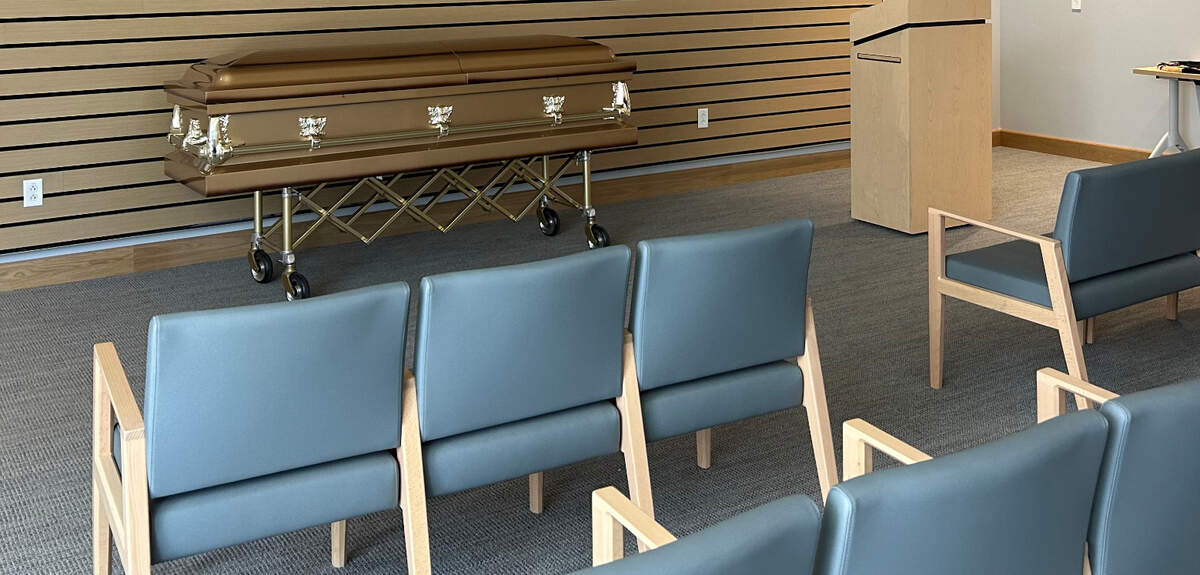
In a softly lighted room, a half-open casket rests before rows of padded chairs prepared for mourners. A wooden podium waits for a loved one to deliver a eulogy. All that’s missing are the bodies, living and deceased.
What appears to be an ordinary funeral chapel is actually a wing of the Career Technical Education Building at American River College in Old Foothill Farms.
ARC is one of only three junior colleges in California to offer a funeral service education program. After 10 years of planning, the two-year school now offers another vital opportunity for aspiring death care workers by opening the first on-campus mortuary in California since 2006.
“We all just feel so blessed to be a part of this tiny little bit of history in ARC and also the industry itself,” said Tracie Tweet, an adjunct professor at ARC and an alumna of the college’s funeral service education program.
Mortuary studies at American River College previously took place in old, cramped portable classrooms. Students could only practice embalming by traveling to local mortuaries, a logistical nightmare for commuters from as far away as the Bay Area and Bakersfield.
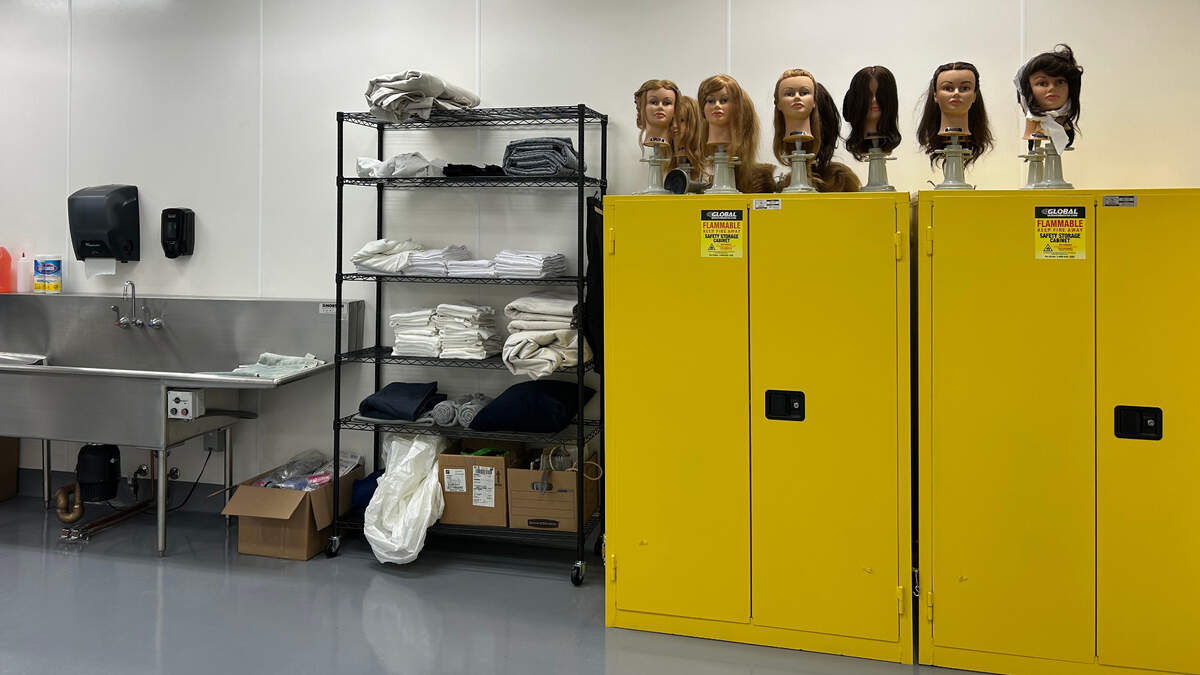
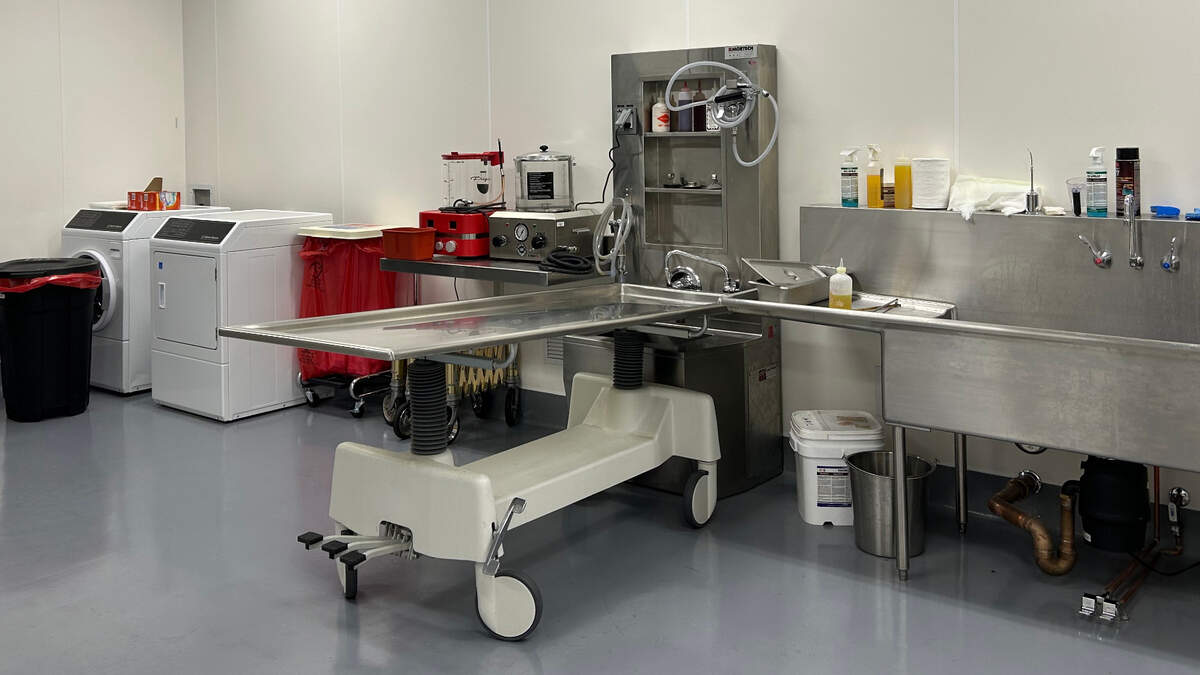
Now, students will embalm bodies and reconstruct faces in spacious labs equipped with high-tech mortuary tools. They will host funeral services in a chapel, practice selling merchandise in a display room and guide families through grief in counseling rooms — all without having to leave the College Oak Drive campus.
A space for caring hands
Adam Hipsher, manager of Dignity Memorial and a second-year student in ARC’s funeral service education program, joined the industry after his grandmother’s passing. Arranging his grandmother’s funeral had felt “transactional,” he recalled. A computer had formed a physical barrier between him and the funeral director, who would only take his eyes off the screen to ask Hipsher a question about his grandmother.
“It felt like I was going to any other store but, you know, it was my grandmother we were burying,” Hipsher said. “I thought to myself, it doesn’t have to be this cold.”
Warmth matters. Funeral directors were originally known as undertakers — those who took on the work no one else wanted to do. It’s reflected in the pay: funeral directors make an average of $58,000 a year, according to the U.S. Bureau of Labor Statistics. But those who enter the death care industry do want to take on the work, driven by a passion for their job and a compassion for others.
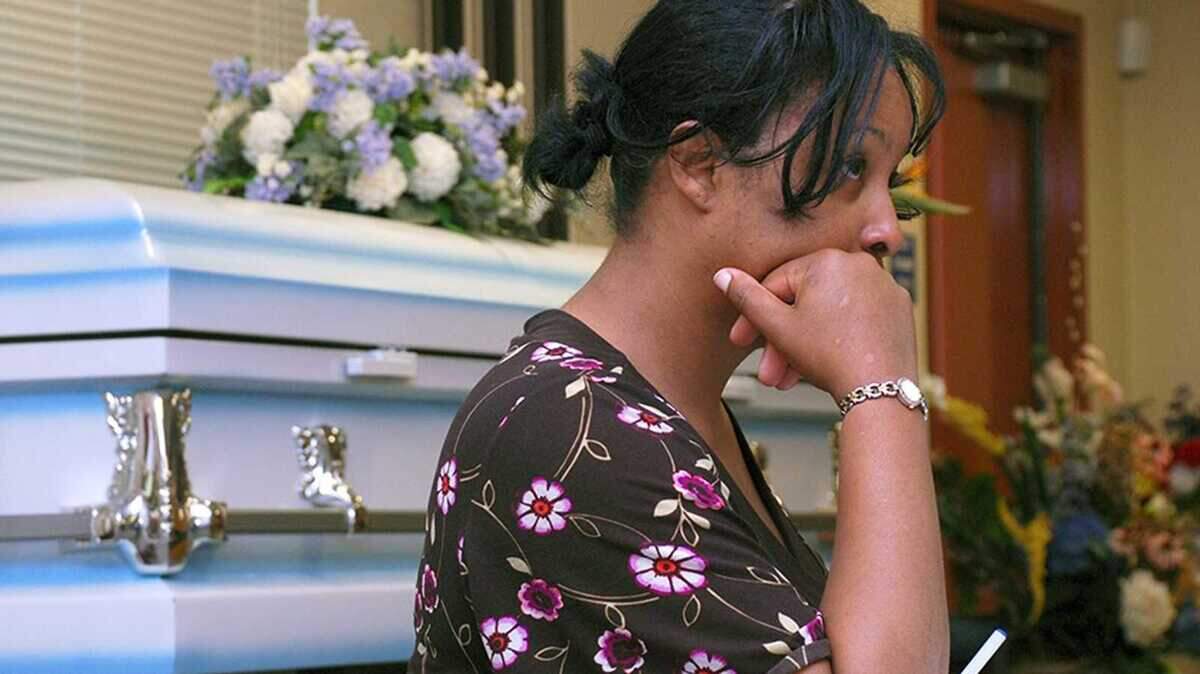
As Tweet puts it, decedents can no longer act for themselves. “So you want someone with caring hands to honor your wishes.”
And those caring hands can’t get to work without sufficient practice.
Valarie Rose, the chair of the ARC program, spent 10 years securing funding and support for the development of the mortuary. Her alma mater, the San Francisco College of Mortuary Science, had operated its own mortuary before insufficient funds forced the college to close in 2006. It had exported its funeral education service program to ARC, but not the facilities that had made it so successful for aspiring morticians.
An on-campus mortuary offers students the hands-on experience needed to succeed in a funeral home, where botched jobs may lead to million-dollar lawsuits.
Now, students at ARC will no longer have to rely on high-stakes internships for practical training. All they’ll have to do is attend class.
“You come out job-ready,” Rose said. “You haven’t just listened to somebody talk about it — you’ve done it.”
Serving those who cannot serve themselves
Tisha White, a member of the Hoopa Valley tribe and a second-year student in the ARC program, aims to expand access to death care for Native Americans in Northern California. Native communities in remote areas often have to “choose between accessibility and tradition” when it comes to finding the right funeral home, she said.
The Arcata-based Paul’s Chapel, one of the few funeral homes that had both, closed in April.
“It was a cornerstone of care for Native families in Humboldt County and surrounding rural areas,” said White, who is a descendant of the Yurok, Wailaki and Eel River tribes. “The funeral director understood our beliefs and helped ensure that sacred practices were preserved with dignity.”
After graduating from ARC, White hopes to pick up where Paul’s Chapel left off by opening a Native-owned funeral home — perhaps the first in California.
Students in the ARC program mention that the most rewarding part of their education is learning to serve those who cannot serve themselves. With the opening of the mortuary, they’ll have more opportunities to do so.
A typical funeral in the United States costs almost $8,000. If a family cannot afford funeral services, they do not have the chance to see their loved one for a final time. Instead, the coroner’s office cremates the decedent.
Starting in the fall, indigent families will have the option of entrusting their loved ones with the program at ARC. Students will provide the full range of funeral services — dressing the decedent, leading service, grief counseling. Afterward, ARC will pay for the cremation and return the decedent’s remains to the family.
“Nothing’s ever going to fill that void,” Hipsher said. “But if we can walk them past it, just one person, it’s all worth it.”