
Does tropical milkweed harm monarchs? Not so much, UC Davis study finds
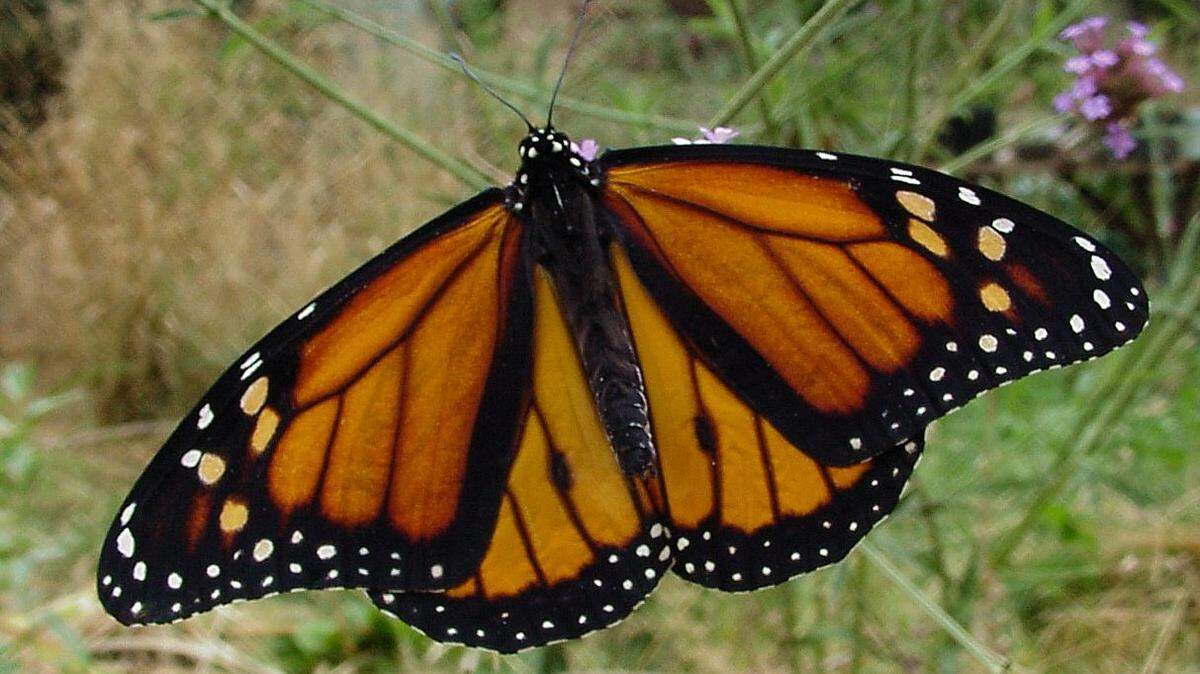
Sacramento is a crucial pit stop in the migration of monarch butterflies across Northern California. Recently, local monarch enthusiasts have introduced tropical milkweed — a source of food for the butterflies — into their gardens to support the beloved insect’s journey. Despite strong messaging against tropical milkweed by some butterfly conservationists, UC Davis researchers show that the plant neither helps nor harms monarchs in California.
Monarchs have historically migrated from west of the Rocky Mountains to coastal California during the fall, but an increasing number of butterflies have stayed year-round in the Bay Area since the 2010s. Part of this is due to the growing presence of tropical milkweed, which attracts monarchs, in urban gardens.
Some conservationists view this species of milkweed as a trap responsible for a decline in California’s migratory monarch populations. But in a recent Ecosphere study, the Davis researchers demonstrate that this decline is not significantly driven by urban gardens containing tropical milkweed.
“We don’t know if taking it away will do as much harm as it does good,” said Elizabeth Crone, an ecology professor at UC Davis and senior author of the study.
In the weeds
A monarch-infecting parasite builds up in milkweed. Species of the plant native to California, typically bearing frosty pink flowers tipped with white, die in late fall and take the parasite with it.
But brightly colored tropical milkweed — native to Central and South America, more commercially available than its native counterparts — is evergreen. In places where monarchs reside year-round, high levels of the parasite gather in these plants.
Monarch enthusiasts fear what the Davis researchers call “the sledgehammer effect”: urban gardens teeming with tropical milkweed suck monarchs out of their usual migratory patterns, which may lead to a decline in population due to exposure to parasites.
This hypothesis has led vocal conservationist groups to lobby against the propagation of tropical milkweed. In 2022, the California Department of Food and Agriculture declared tropical milkweed a noxious weed. Though the plant is still allowed in Sacramento, counties such as Marin, Contra Costa, San Mateo and Ventura have banned nursery sales of tropical milkweed.
“This tends to be a hot topic in the butterfly world,” said Emily Erickson, a former postdoctoral researcher at UC Davis and first author of the study.
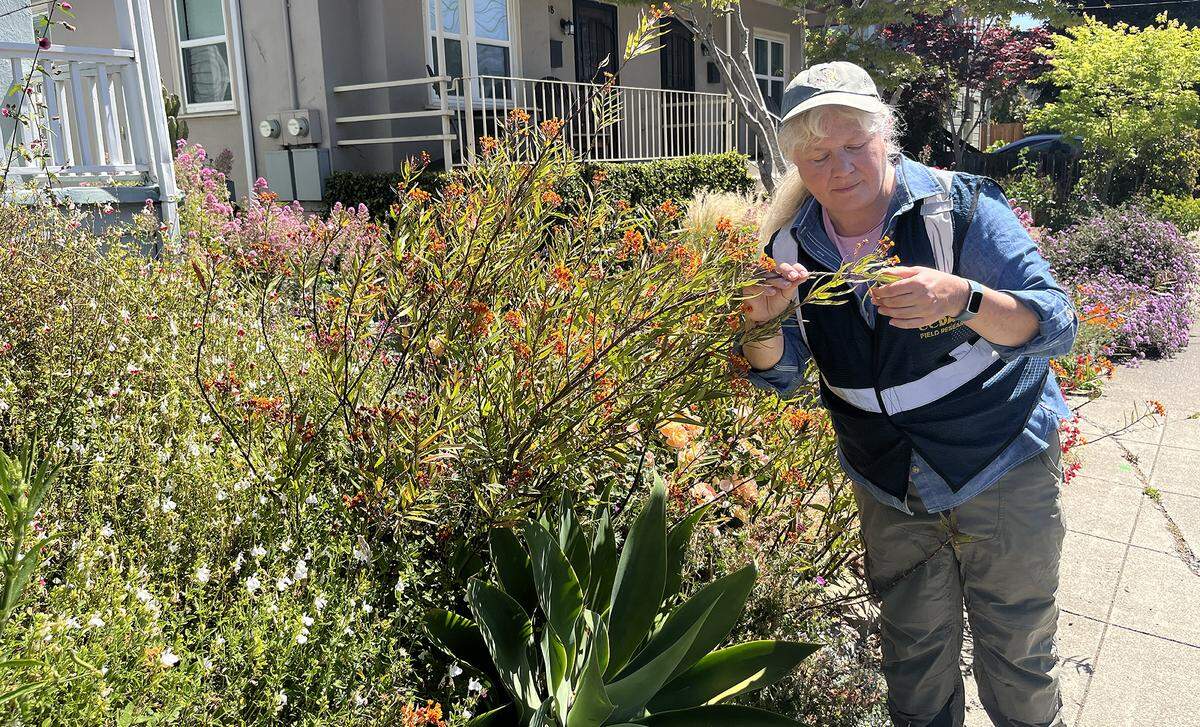
Every month for two years, Erickson walked through 15 three-mile routes to count milkweed, caterpillars, and monarch butterflies in urban gardens on the East Bay. If the sledgehammer effect were true, the population of butterflies would spike in the fall — when migratory monarchs travel to the coast — and decline in the summer, suggesting that urban gardens actually trapped the migratory monarchs.
In reality, the researchers observed the opposite: population levels were lowest during winter to spring, before growing in the summer. Monarchs in urban gardens seemed to be able to grow independently of migratory butterflies.
“It means there’s not a wave of (migratory butterflies) coming in, leaving the migration and supporting the urban population,” Crone said. “The big implication is that we should stop worrying about tropical milkweed in California.”
Reorienting conservation messaging
Tropical milkweed makes a convenient target for some conservationists. It’s easy to cast it as invasive, a health hazard, a foreign plant that persists year-round at the apparent expense of native species. The solution: Get rid of it.
But Crone’s and Erickson’s study advises monarch enthusiasts to stay calm. Tropical milkweed is not necessarily detrimental to monarch populations, and further research needs to be conducted to understand the finer effects of tropical milkweed on migratory monarchs, the researchers said. In the meantime, they recommend focusing on “positive messaging” instead, encouraging monarch enthusiasts to continue doing what’s proven to aid butterfly populations.
Having a variety of flowering plants that produce nectar at different times of the year supports monarchs throughout the seasons. Though gardeners should not necessarily avoid tropical milkweed, planting more native milkweeds — which are adapted to the soil and climate of the Bay Area — offers the monarchs the best source of nectar. And avoiding the use of pesticides prevents the decimation of the butterflies’ food source.
This issue is complicated, but one fact remains clear: Monarch butterflies inspire a passion few other animals invoke. A donation from Google, which has worked to conserve monarchs in California since 2021, supported the study. Erickson also recalls a common occurrence during her monthly treks through East Bay neighborhoods — the locals spotting her butterfly net and stopping her for a chat.
“I would talk to so many people who were just so excited to go out and plant milkweeds so that they would get their monarchs,” Erickson said. “That excitement is a really powerful force in urban ecology.”