West Nile virus is back in California. How to mosquito-proof your summer
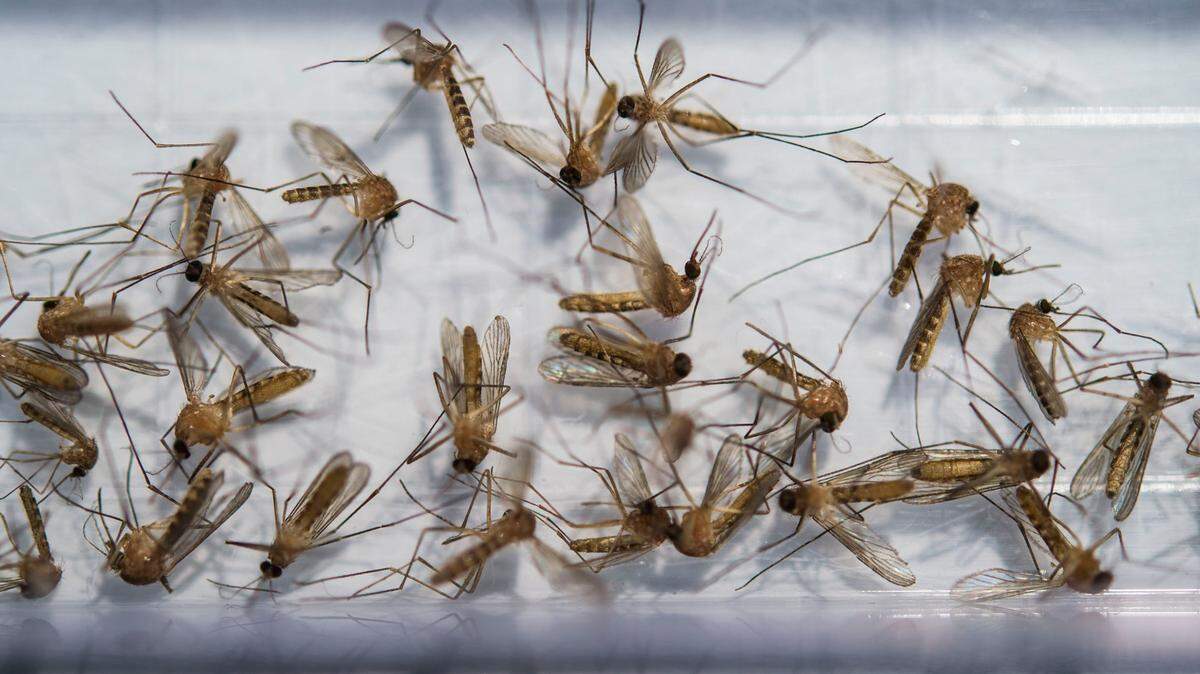
Mosquitoes are buzzing again — and some are carrying West Nile virus.
Local health agencies have already found virus-positive mosquitoes in Sacramento, Kern, Tulare, and Santa Clara counties, according to the California West Nile Virus program.
No human cases have been reported yet this year, but health officials say now is the time to act.
Experts from the Sacramento-Yolo Mosquito and Vector Control District spoke with the Sacramento Bee to answer common questions as the region approaches the peak of mosquito season.
Here’s what you need to know.
How to reduce mosquitoes in your home
The district told us that the most important step is to eliminate mosquito breeding areas around your home. If mosquitoes don’t have a place to breed, you’re far less likely to get bitten.
Check your yard for standing water in places like plant saucers, buckets, pet dishes, bird baths and kiddie pools.
“Anything that can hold water for more than a few days can and will become a mosquito breeding source,” the district said.
What are natural ways to prevent mosquito bites?
Natural repellents include oils such as lemon eucalyptus or Environmental Protection Agency-registered products containing DEET or picaridin, which are proven to repel mosquitoes.
The district also recommends avoiding outdoor activities at dawn and dusk, when mosquitoes are most active. Wearing light-colored clothing and long sleeves or pants can help prevent bites.
Citronella candles offer limited protection and work best when you are very close to them. For better results, use mosquito repellent.
How can I tell if I’ve been bitten by a mosquito?
According to the Centers for Disease Control and Prevention, mosquito bites typically appear as small, round, raised bumps that become red and itchy shortly after being bitten.
These bites most often appear on exposed skin such as the arms and legs. Unlike some other insect bites, mosquito bites rarely cause pain but can swell if scratched or if the person has a stronger allergic reaction.
When should I worry about a mosquito bite?
The district said it is difficult to tell whether a mosquito bite may need medical attention but there are signs that can help.
A typical mosquito bite usually causes a small, red, itchy bump.
But if the skin around a bite feels very hot, or if a large, hard bump develops, medical attention may be needed.
Other warning signs include pain in the area or symptoms such as fatigue, headache, nausea or body aches — all possible signs of West Nile virus.
Did the mosquito population increase in 2025?
The mosquito population in the Sacramento and Yolo County areas is “about the same” as previous years, wrote the district in a June 17 email with the Bee.
However as temperatures continue to get hotter, we will likely see more mosquitoes as well as an increase in West Nile virus activity.
As of Tuesday, June 17, the district has only had one positive sample of West Nile virus. The district conducts testing every Monday and Wednesday.
5 things you probably didn’t know about mosquitoes
Only female mosquitoes bite. They need the protein in your blood to lay eggs. Males feed on nectar and don’t bite at all.
They need standing water to breed. Even a bottle cap full of water can be enough for a mosquito to lay eggs and hatch larvae.
They don’t hatch fully grown. Mosquitoes start life as tiny larvae in water, then grow into pupae (like cocoons) before emerging as adults.
They’re attracted by smell — and sweat. Mosquitoes are drawn to carbon dioxide and body odor, which is why you may get more bites after working out.
Citronella isn’t a magic fix. Those candles help a little, but only in close range. EPA-registered repellents are far more effective.
This story was originally published June 18, 2025 at 5:00 AM.