28% of people killed in Sacramento car crashes were homeless. She was one of them
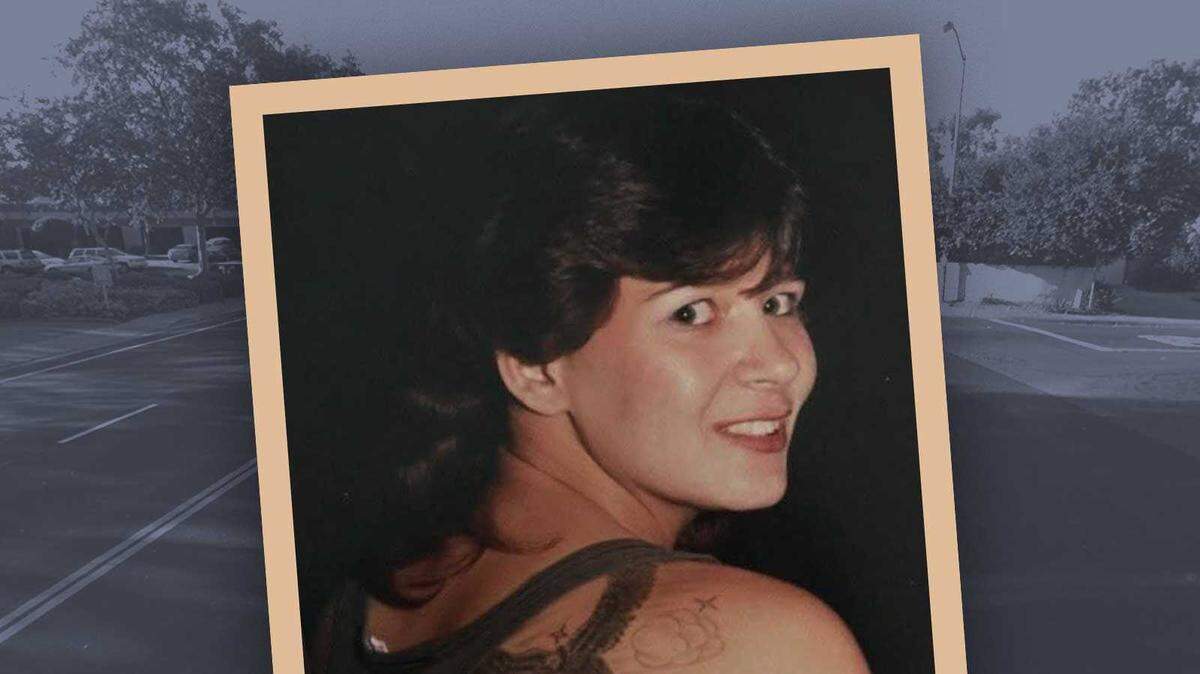
Not everyone knows exactly how their mother will die, but Lisa Copelin had spoken to her mother’s doctors: Lindie Kraushar was supposed to die of cirrhosis.
She wasn’t supposed to die crossing the street.
Kraushar was 53 when she was hit in South Natomas on Nov. 29. About three years prior, she was hospitalized with a host of troubling symptoms, and doctors found that she had advanced liver disease. The diagnosis was awful. She had struggled with drug addiction for many years, and her poor health was compounded by a sometimes brutal life without a permanent home.
So when Copelin got the call about the car crash, the shock was bizarre. Her mother was very ill, but to die pushing a shopping cart full of papers and clothing across Northgate Boulevard? How had the driver missed her?
The crash made local news but, for the most part, the collision barely registered. Then, almost two months after the crash, Copelin’s aunt sent her a link to a story in The Sacramento Bee. The headline said “32 people died in crashes on dangerous Sacramento roads last year. This is who we lost,” and at the end of the list, there was Kraushar’s face. Her shoulder-length hair was parted in the middle, and she was smiling.
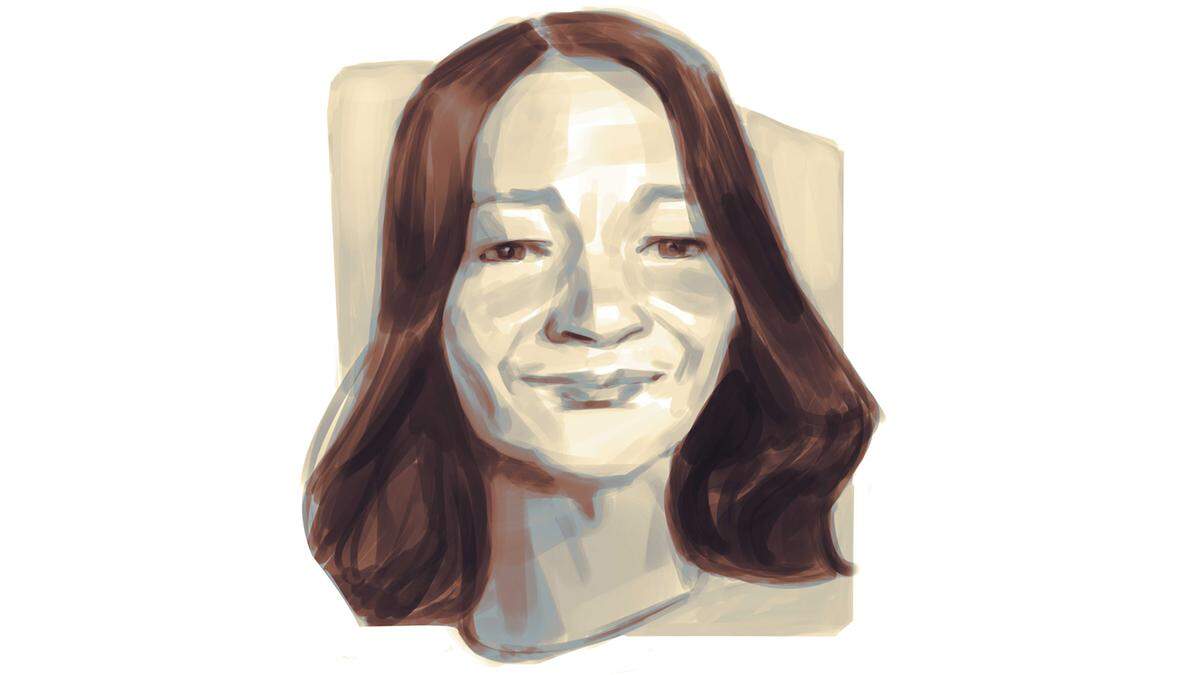
There was little information about Kraushar aside from the fact that she was homeless. Copelin read it over and over again. Kraushar was more than a homeless person — She was a mom, a friend, an ingenious cook who could improvise a way to make biscuits and gravy from scratch on a grill in a park. She could make a joke about anything — even the disease that had been slowly killing her.
In her death, she also became a number on a list. Kraushar was one of nine homeless people who died in crashes on city streets last year. That made her part of a disproportionate minority: Homeless people made up 28% of all 32 traffic deaths in the capital city. Of the nine who died without a stable home, eight were walking or biking.
Unsheltered homelessness increases a person’s exposure to roads and the vehicles on them. Data on motor vehicle fatalities published by the Sacramento County Coroner’s Office show that between Jan. 1, 2020, and May of this year, about 11% of the dead were identified as homeless. Looking at all the deaths in the coroner’s dataset — over 1,000 — 60% of the people who died were motorists or their passengers, and 36% were pedestrians or cyclists. Among the relatively small number of victims identified as homeless, 89% were pedestrians or cyclists.
And while the conditions of a homeless person’s life may be alien to many, their deaths shed light on problems that affect everyone using the roads.
The collision that killed Kraushar occurred on Northgate Boulevard near Interstate 80 in South Natomas. Northgate is part of the city’s designated “high-injury network” — those city streets where the highest numbers of fatal and severe injury crashes occur. The roadway was officially ranked the sixth-worst corridor in the city. Between January 2016 and January 2020, 17 crashes either killed or severely injured people on Northgate between Del Paso Boulevard and I-80.
Between January 2020 and December 2024, data from UC Berkeley’s Transportation Injury Mapping System showed 16 more fatal or severe crashes on that stretch of Northgate in addition to Kraushar’s. In March, a crash killed Vuong V. Nguyen while he was walking on Northgate at the Arden Garden Connector. He was 47. The coroner said he was homeless, too.
The deaths reflect broader problems.
Sacramento officials have found that two-thirds of fatal crashes happen on streets with a posted speed limit of 40 mph or higher; the posted speed limit where Kraushar was hit is 40 mph. The road is wide — near Turnstone, Northgate’s four travel lanes are up to 15 feet wide according to city records, and the road has a center turn lane. Research shows that drivers tend to increase their speeds on wider roads. For pedestrians, the greater the distance between curbs, the more time they spend exposed to cars.
Copelin said Kraushar had passed through four lanes and was in the fifth — almost all the way to the east side of the street — when she was fatally struck. The driver, Copelin said, was drunk; changes to infrastructure can still coax or force people to slow down.
The city has a plan to narrow the road on most of Northgate between Del Paso Boulevard and I-80 to one lane in each direction. The road would keep its four lanes in the area where Kraushar was killed, but those lanes would be narrowed to 11 feet to accommodate separated bike lanes, which have been shown to slow traffic and make roads safer for everyone. Under the plan, the city would install a wider median, which could function as a pedestrian refuge.
But that plan is nowhere near construction. And while the numbers show homeless people face the greatest risk, high-speed roads imperil everyone who uses them, including drivers and their passengers.
Homeless deaths on Sacramento streets “are not anomalies,” said Isaac Gonzalez, the founder of Slow Down Sacramento and vice chair of the city’s Active Transportation Commission.
“If someone without a car, without shelter and without the luxury of avoiding dangerous roads dies trying to move through public space, then that road is unsafe for all of us, housed or unhoused,” he said.
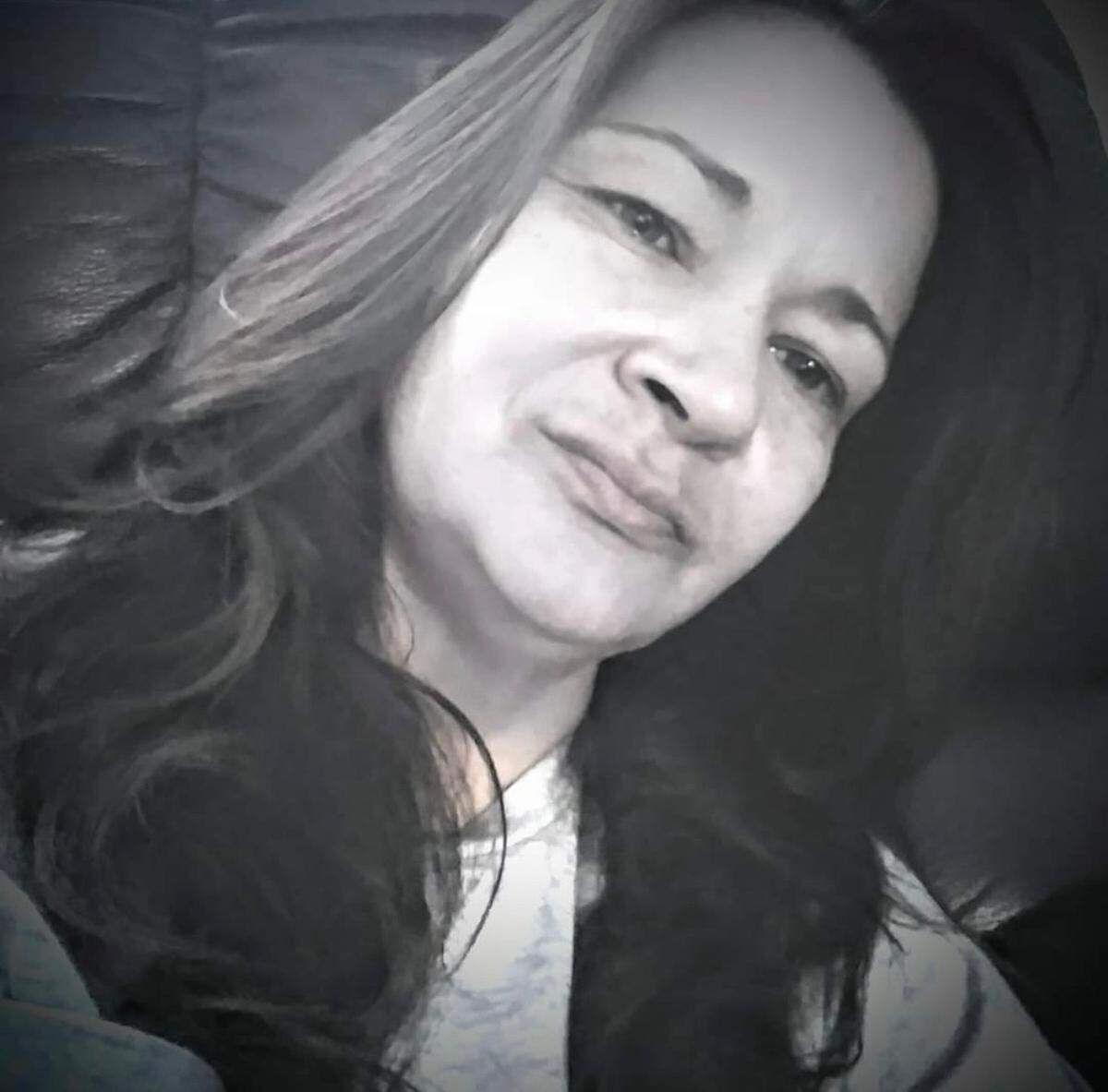
Because of the stigma around homelessness, Kraushar’s oldest daughter was scared that people would dismiss her mother’s death.
“For some reason in our society, having an address equates to being a human,” Copelin said. “We’re all somebody’s child. I still loved her. Her family still loved her.”
She was sure that the same was true of the eight other homeless people who died. “They’re still loved, they’re still somebody’s child,” she said. “They’re possibly still somebody’s parent.”
She referenced one of the homeless people to die last year: Sam Dent. The father of two was struck while crossing the street to meet with his 13-year-old son on the other side. Dent was 41.
Copelin echoed Gonzalez: “We’re all human. We all deserve the same safety.”
A hard Sacramento childhood and early motherhood
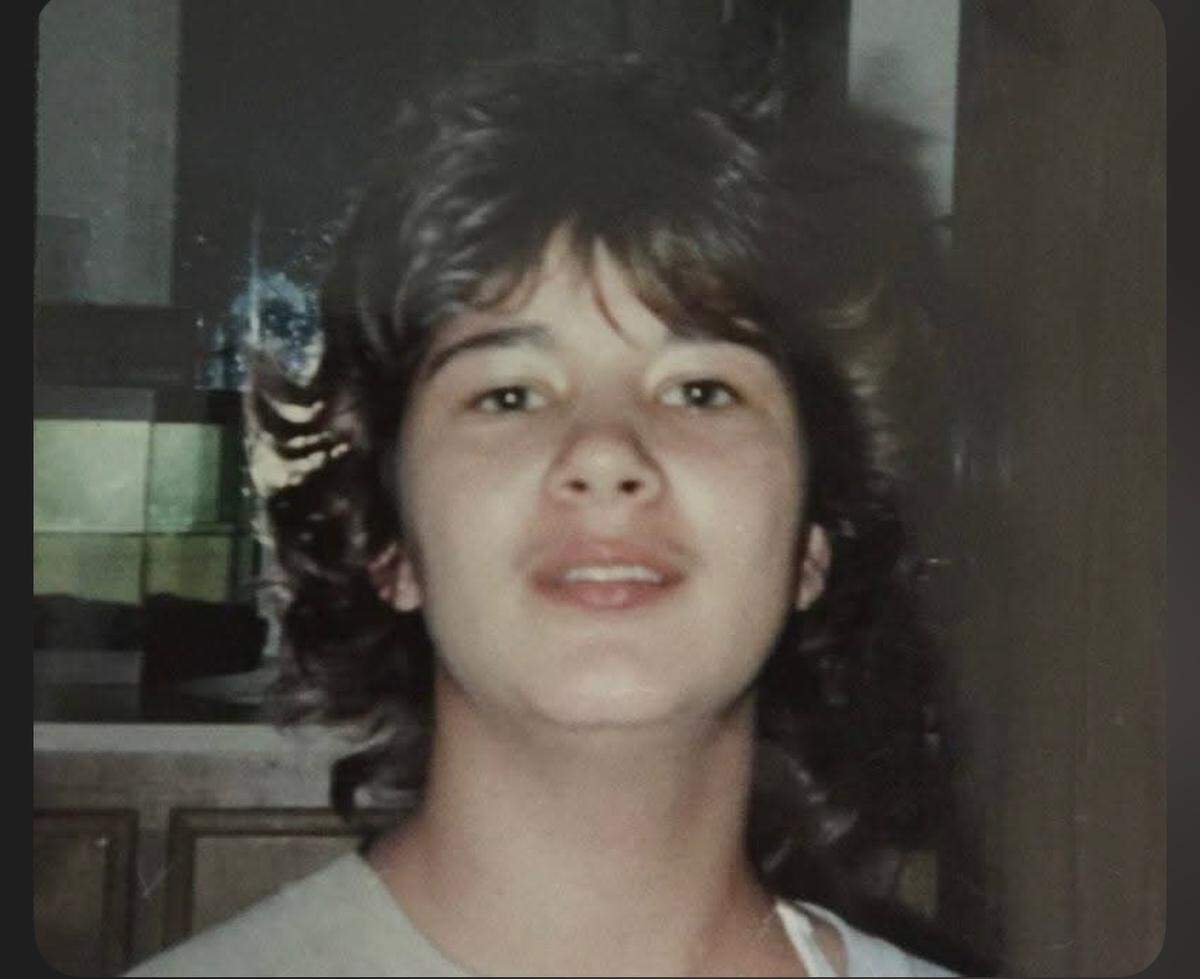
Lindie Jane Kraushar was born Jan. 31, 1971. She grew up in Sacramento with two sisters and two brothers. She was a silly kid and, at one point, she found a bucket with a monkey on the side and put it on her head like a hat. For the rest of her life, family members knew her as Lindie Jane Monkey Bucket (or Monkey Helmet, depending on who you asked).
Copelin said that Kraushar had “a very rough childhood,” and she started using substances as a teenager.
The girl became a mother herself just two months before her 16th birthday. Around Christmas — a month after the birth — one of her sisters came to visit her. Kraushar asked her sister to take the baby, and she agreed. Copelin was raised by her aunt.
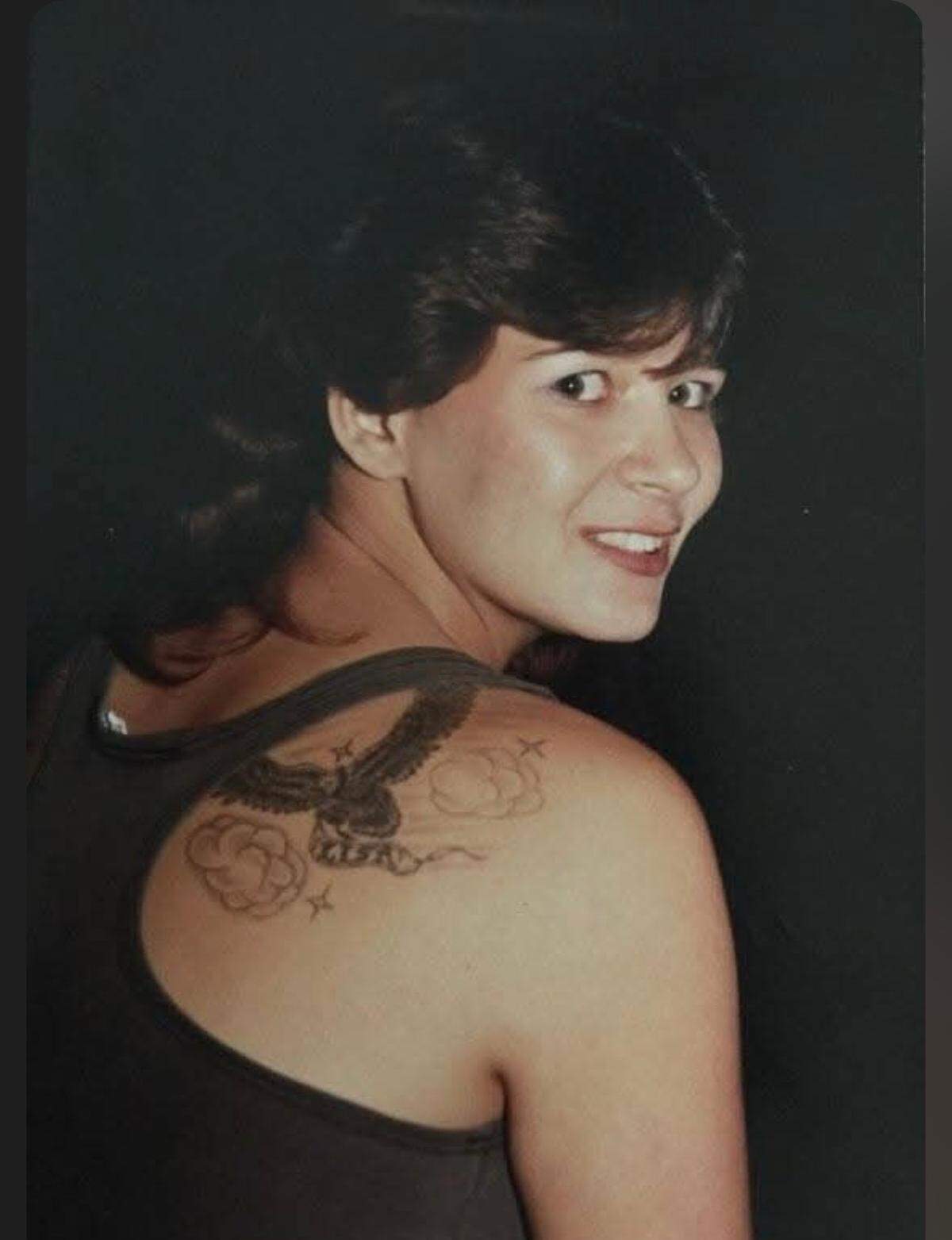
Now 38 with three children of her own, Copelin was empathetic to Kraushar.
“She was a teenager,” she said. “What is a teenager supposed to do? She made sure I was safe. She made sure I was with people who loved me and took care of me.”
Growing up, Copelin had more of a relationship with Kraushar than her other siblings did — particularly because she was raised by Kraushar’s sister and was never formally adopted. Kraushar had two sets of twins and a sixth baby, all before she turned 22. She tried to raise them, but all were eventually placed for adoption.
Copelin and her aunt moved away from California when the girl was 7; ultimately, they ended up in Kentucky, where Copelin was able to attend the Kentucky School for the Blind in Louisville. Though she was thousands of miles away, as a teen, Copelin visited Kraushar several times in the summer.
At that time, “I would call her ‘Mom,’ because I was a kid that wanted my mom,” she said. When Copelin was 19, she had her own child, which led to a series of revelations and a lot of anger.
“When I had kids and I understood what it was to earn the title of Mom,” Copelin said, “it felt very wrong for me to call her Mom in those moments.” She switched to a first-name basis and called her Lindie.
For more than a decade, Copelin and Kraushar had a volatile connection.
All of that would change.
Letting go of anger around addiction
Copelin decided to repair the bond around 2016, after her mother finished a long stint in prison related to drug charges. Kraushar would call Copelin from the halfway house on San Francisco’s Treasure Island where she was living; she told her she was doing well in her program. They talked on the phone often. It was nice, Copelin recalled.
Copelin decided to surprise Kraushar with a visit at the halfway house. She flew from Kentucky to California and arranged to stay with a cousin. But when she contacted the halfway house after her arrival, they told her that her mother had been lying: She wasn’t meeting all the program’s expectations and she wasn’t eligible for visitors.
But the staff took pity on a crestfallen Copelin and told her they’d bend the visiting rules. She arrived at a row of townhouses on Treasure Island where she was whisked into a counselor’s office and then into a supply closet to hide. When Kraushar was called into her counselor’s office, she thought she was in trouble; Copelin crept up behind her and leaned into her ear.
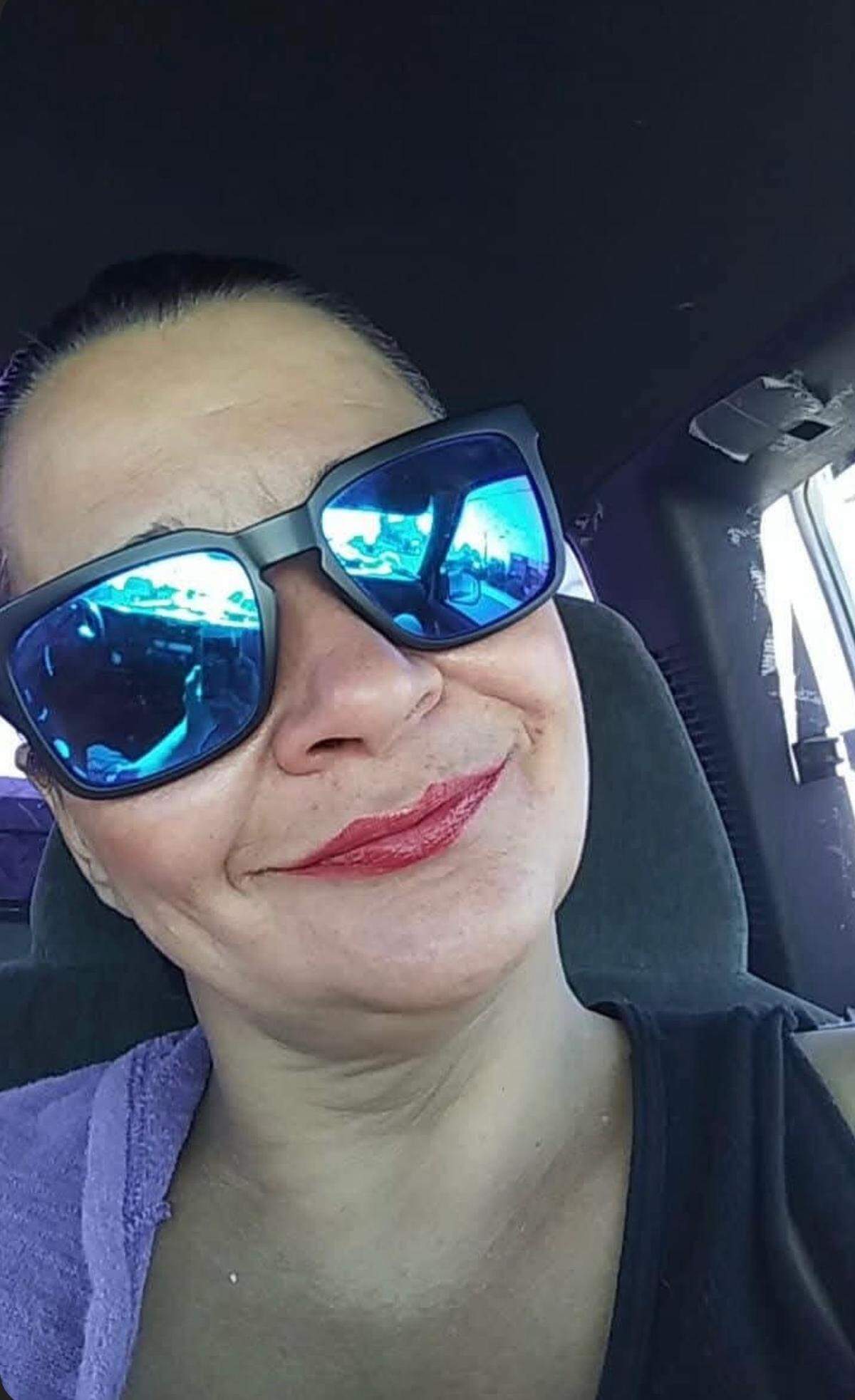
“I’d never seen a woman levitate,” Copelin said, but she did that day. “She screamed and she levitated and she’s trying to give me this hug and she’s, like, pulling my hair down.”
The pair spent much of the next three days together, joking around. They had a similar sense of humor when they were together, “the snipey-snarky type,” and they would crack up. Those three days were at the start of a two-year span in Kraushar’s life that was pretty stable: She had a boyfriend, she wasn’t using drugs; she and Copelin talked every day.
A conversation changes a daughter’s perspective
About two years later, Kraushar and her boyfriend broke it off, and Kraushar moved in with a cousin. She was on parole, but seemed to be doing OK. One day, she told Copelin her parole-related drug test was positive. She insisted she had not used drugs. Shortly thereafter, she disappeared from a Disney on Ice show without any warning. Copelin didn’t know where she went, but she knew her mother was using meth again. Later, she learned Kraushar had started living on the street.
“At that stage, it was being hit again with, ‘She chose drugs over a relationship with her children,’” Copelin said. “That sucked so bad, and I was so mad, and it took me — I didn’t hear from her for six months, and I was so happy to hear from her again, and I was so angry.”
She wasn’t sure how to let go of her anger until a pivotal conversation with her aunt about five years ago.
“You just kind of get to that point where you feel very jaded and unwanted,” Copelin said. She asked her aunt how she could have a relationship with someone who had let her down so many times. Her aunt told her, “You just simply have to decide to. You do it or you don’t.”
The next time she spoke with Kraushar, Copelin unleashed all her rage and disappointment.
“I told her about herself,” Copelin said. “We had harsh words, and I was not kind.” Although she regretted how blunt she’d been just a few weeks later, the conversation led to a transformative agreement between her and her mom.
“I told her, ‘You didn’t raise me, but we can have a friendship. That’s what we can have,’” Copelin said. “And she said she accepted that. So we started from there, and we got to a point where she’d call me over everything. ... It was a friendship.”
Copelin didn’t like that Kraushar was using drugs, but she accepted it. She just asked for honesty, and Kraushar gave it to her. Copelin would still call her Lindie sometimes, but she would call her Mom, too. And when they were joking around — which was often — Kraushar would greet Copelin with “Hello, child,” and Copelin would answer, “Hello, Mumsy.”
She wanted to spend her final days with friends
Over the last three years of her life, Kraushar’s cirrhosis grew more serious. Copelin took on caretaking responsibilities from afar, arranging doctor’s appointments and strategizing with her mother’s case workers. Copelin said most of her health care providers were dismissive and sometimes outright hostile because Kraushar was homeless and addicted to drugs.
During one of Kraushar’s hospital stays, Copelin had a strange and confusing phone conversation with her. She told the hospital staff that something seemed very wrong with her mother.
“At least three nurses sat there and told me, ‘Well, she is a drug addict,’” Copelin said. “I keep telling them, ‘I understand she’s a drug addict. I am aware of this. I have been aware for 38 years that she is a drug addict. I’m telling you, this is not normal for her.’”
Finally, she convinced a doctor to run more tests. Her mother had hepatic encephalopathy, an ammonia buildup in her body resulting from cirrhosis that causes brain dysfunction. Kraushar received treatment and recovered.
But her hepatitis C infection — previously treated — came back. Even worse, she was diagnosed with cancer.
Copelin said Kraushar’s social worker decided she could not let Kraushar return to the street. The social worker, whom Copelin described in heroic terms, found her a place at RiverPointe Post-Acute, a skilled nursing facility in Carmichael. Kraushar moved there sometime around May 2024.
She could be infuriating. “Man, that woman,” Copelin said with a laugh. Kraushar would call her social worker to complain about every little thing, including the level of salt on her food. She had much more serious matters to contend with, too. Her health care providers delivered grim updates on her prognosis. She complained to her daughter that things were unfair. Copelin felt like she was the mother.
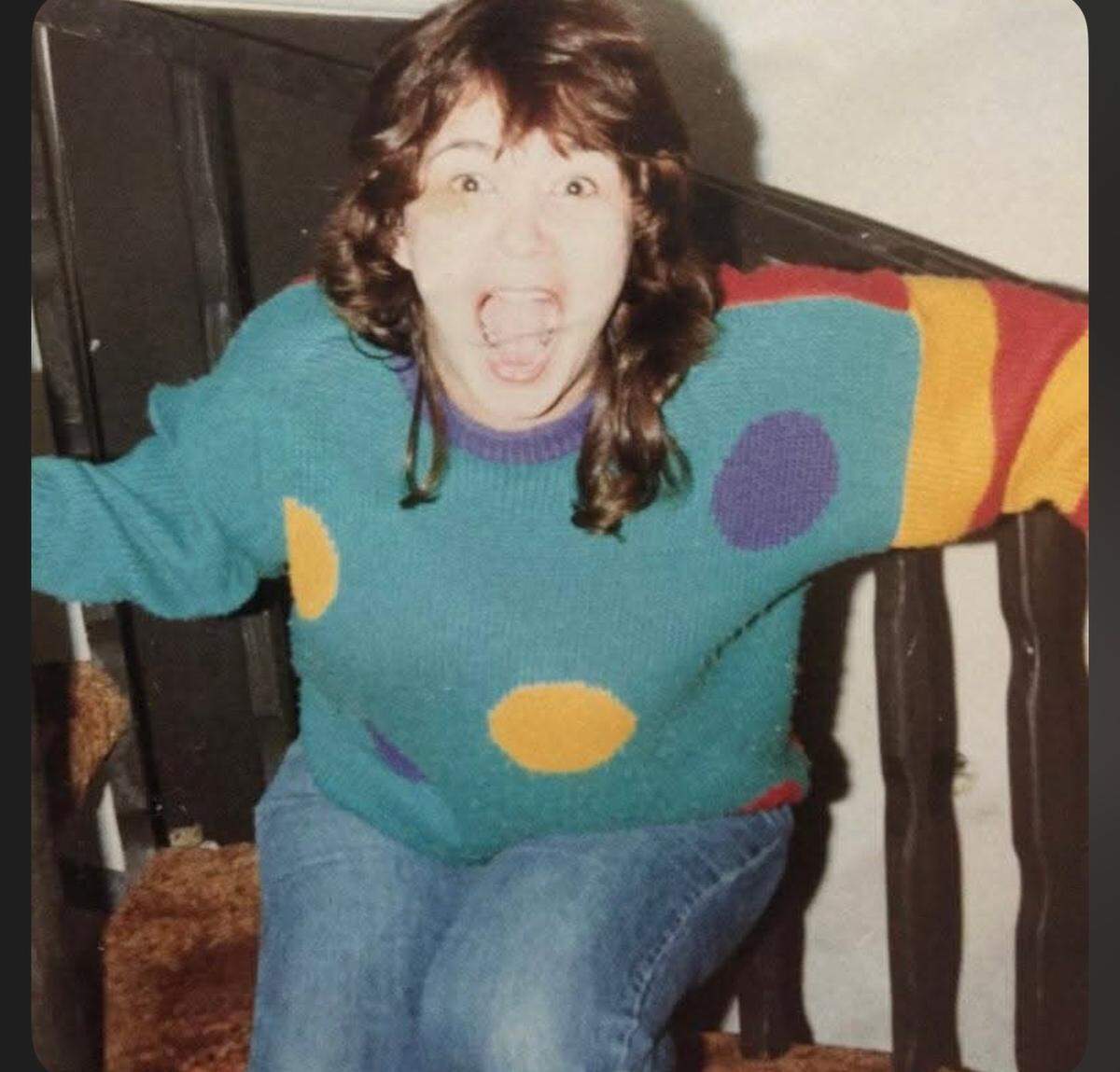
Despite everything, Kraushar was also frequently in good spirits. She texted Copelin pictures of her food as part of a game they called “Guess what they served me today?” Copelin once guessed “pork chop,” and Kraushar said she couldn’t be certain, but it tasted like fish. She became obsessed with Snapchat and sent increasingly ridiculous selfies using the app’s photo filters.
“Even when she was sitting there, scared, getting these results and everything, she’d always have to make some dark joke about it,” Copelin said. Sometimes, “She’d cry and scream about, ‘I don’t want to be alone, and I’m afraid to die, and I’m so scared.’ And 20 minutes later we’d be cracking jokes about bad milk. ... She would rather have a lighter mood. She’s gonna find some sort of silver lining. ‘Well, you’ve got cancer, but I guess it’s better than a stick in the eye.’”
On Aug. 31, Kraushar decided to leave the skilled nursing facility. She didn’t want to die there, and she wanted to be closer to her friends for whatever time she had left.
“She had her people, and she had her community, and we still talked,” Copelin said. “We’d talk every chance she had a working phone — she’d call me.”
They spoke just a few hours before the crash. Kraushar called her, but Copelin was distracted by work, and she said they should talk later. They said “I love you” to each other and hung up. She thought they had more time.
Instead, Kraushar tried to cross Northgate Boulevard later that night. The posted speed limit is 40 mph — a speed that is almost always lethal to pedestrians in the event of a collision. Copelin said the driver was drunk, and that he was well over the already-deadly speed limit. It was not the way Kraushar was supposed to die.
Because she had already been so ill, though, Copelin and Kraushar had discussed what to do with her remains. First, she asked for a burial at sea. Then Kraushar’s whimsical suggestion was to burn her on a pyre, but Copelin could only find a town in Colorado where it was legal, and she told her mom, “I’m not paying to ship you to Colorado to put you on a pyre!” Kraushar thought about it for a few more days, then said with her trademark bizarre humor, “‘OK, I want you to put me in a grits container and sprinkle me with my dad.’” Copelin agreed to honor the request.
Her mother’s life was complicated and sad and full of love and tenderness. Copelin hoped that people could see past the stigma of homelessness and recognize her humanity.
“There are people who believe that the homeless are not worth it,” Copelin said. She insisted they were wrong. Her mother’s death on a dangerous road has left a void.
“My mother wasn’t perfect,” Copelin said. “But she was loved, and she mattered.”
In the spring, Copelin took some of her remains to the Pacific Ocean, near the home of one of her sisters so she wouldn’t be alone. Not exactly a grand burial at sea.
But Copelin was sure her mom would have thought it was beautiful.
This story was originally published June 27, 2025 at 5:00 AM.