California wins $22 million for a new lane on Highway 65 in Placer County
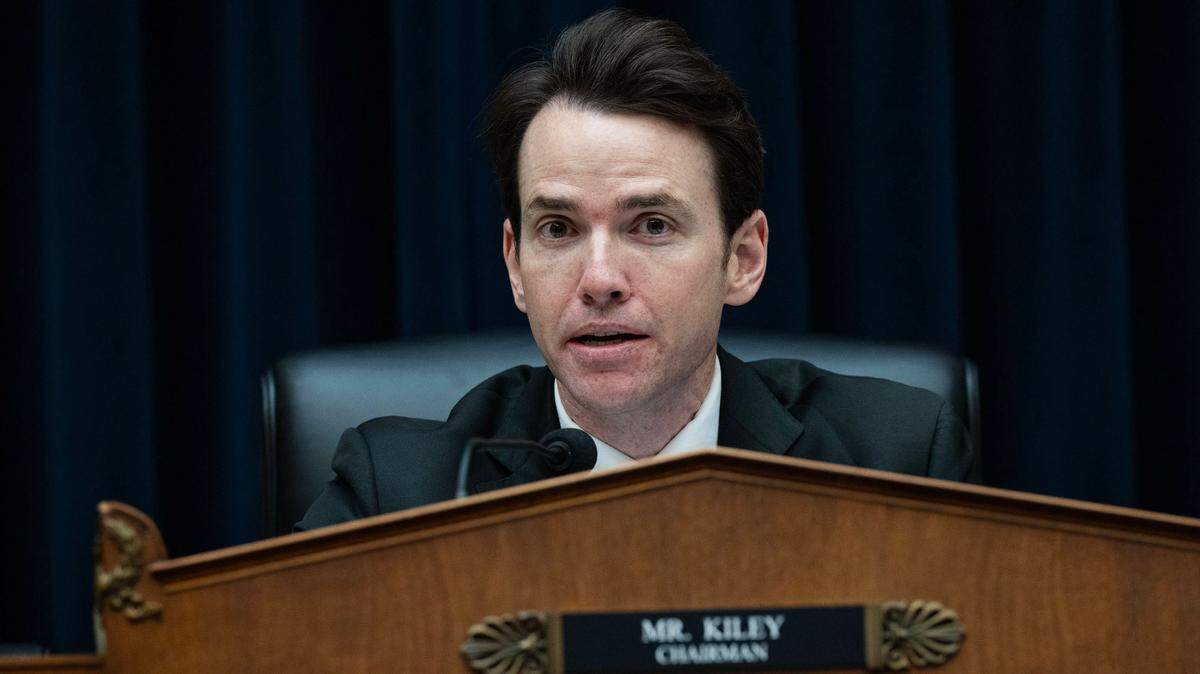
Congressman Kevin Kiley announced Friday that California transportation agencies had won a $22.5 million federal grant to add a third southbound lane on 1.4 miles of Highway 65 in Rocklin.
The Placer County Transportation Planning Agency estimated that construction on an additional standard lane near the interchange with Interstate 80 would finish in December 2028. Caltrans and its local partner agency would also add 0.8 miles of an auxiliary lane. The total cost of the project is estimated to be $28 million.
A news release from Kiley’s office said he had advocated for federal funds, awarded by the U.S. Department of Transportation’s Better Utilizing Investments to Leverage Development or BUILD grant program. Many commuters are headed to Beale Air Force Base, which is a little over 20 miles north of Rocklin’s City Hall.
The project is intended to ease traffic congestion. Decades of research have shown that adding additional lanes does not relieve congestion in the long run. Caltrans’ parent agency, CalSTA, said in 2021 that “research over the past several decades has demonstrated that highway capacity expansion has not resulted in long-term congestion relief and in some cases has worsened congestion, particularly in urbanized regions. … As a result, we cannot continue the same pattern of highway expansion investment in California and expect different results.”
The guidance from CalSTA, however, has not been fully implemented at Caltrans, and the agency has multiple highway-widening projects currently underway.
Kiley hailed the project in Placer County.
“Traffic on this stretch of highway has continued to get worse,” he said in the news release. “Now, it will finally get better.”
Susan Handy, a UC Davis professor who studies transportation, previously told The Sacramento Bee that overwhelming evidence shows that adding lanes to a roadway only relieves congestion temporarily. The effect is temporary because people are encouraged to drive when they see there’s less traffic, and as more people drive, ultimately, the road sees more traffic. This phenomenon, “induced demand,” leads back to the same levels of congestion within a decade. New York City recently implemented an effective strategy: traffic-based tolls in Manhattan known as congestion pricing. That effort effectively reduced traffic in Manhattan, and the Guardian reported that average speeds are up 15%.