Did fear of radio waves prompt California county to deny cell tower permit?
AI-generated summary reviewed by our newsroom.
- Verizon sued Nevada County for denying a permit for a Grass Valley cell tower.
- County officials said health concerns over radio waves did not influence the denial.
- Federal law prohibits permit rejections based on legal radio frequency emissions.
The Verizon Wireless subsidiary that serves the Sacramento Valley has sued Nevada County in federal court, saying that officials improperly denied permission for a cellphone tower in Grass Valley based on fears of radio frequency emissions.
Sacramento Valley Limited Partnership, which is owned by Verizon and does business as Verizon Wireless, filed a lawsuit July 10 in Sacramento, and has asked for an expedited review process, court records show.
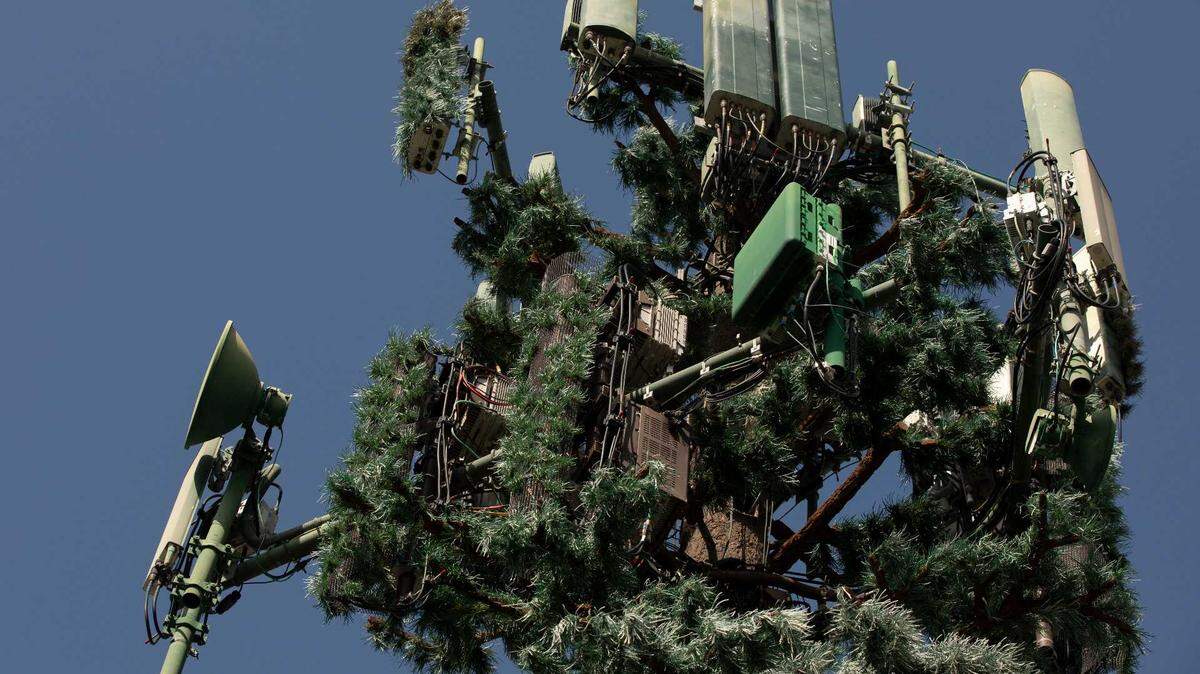
The lawsuit says that the company is attempting to install a 129-foot-high cell tower that would be disguised as a pine tree and placed on a hillside on a property on Dog Bar Road in Grass Valley. It would allow Verizon to eliminate a significant coverage gap, providing service that customers might need in an emergency, the lawsuit said. The tower would be camouflaged by artificial leaves and branches, and placed on a 14-acre property hundreds of feet from the nearest home, the company said.
The tower was recommended for approval by county planners, but some neighbors opposed it, saying it would impact their views and expressing fear of radio frequency emissions.
In its lawsuit, the company responded that the tower could not be seen from the home of the neighbors who complained, and asserted that its tower emissions come well within the levels set by law. Federal law governing radio waves and frequencies bans local governments from refusing permits to telecommunications towers based on concerns about radio waves if the structure complies with the level of emissions allowed by law.
Nevada County Counsel Kit Elliott said that while it is true that county supervisors took testimony from neighbors concerned about radio frequencies, they did not base their decision on that. The board denied the company’s application last year.
She pointed to the following lines in the resolution passed by the Board of Supervisors when they denied the application:
“The appellants submitted evidence and testimony concerning the negative health effects of radio frequency emissions,” the resolution begins. But then it goes on to add, “the Board of Supervisors is not basing its decision in any way on the appellant’s evidence concerning radio frequency emissions.”
Instead, supervisors based their denial on concerns about the aesthetics of the tower, as well as concerns that it did not fit in with the “rural quality” of the area. The resolution also reflected neighbors’ concerns that the tower could affect their property values.
Both sides are due in court in November for a scheduling conference. Verizon did not respond to a request for comment Thursday.