Lawsuit alleges drugs, violence, sex at former Sacramento County foster facilities
AI-generated summary reviewed by our newsroom.
- Seventeen former foster youths sued Sacramento County over alleged abuse, conditions.
- Lawsuit cites sex trafficking, substance abuse and violence at unlicensed sites.
- County now uses licensed homes and nonprofits, after state ordered site shutdown.
More than a dozen former foster youths have sued Sacramento County, alleging employees “did nothing” to prevent drinking, drug use, violence, underage sex and sex trafficking at several facilities in which the county placed them earlier this decade.
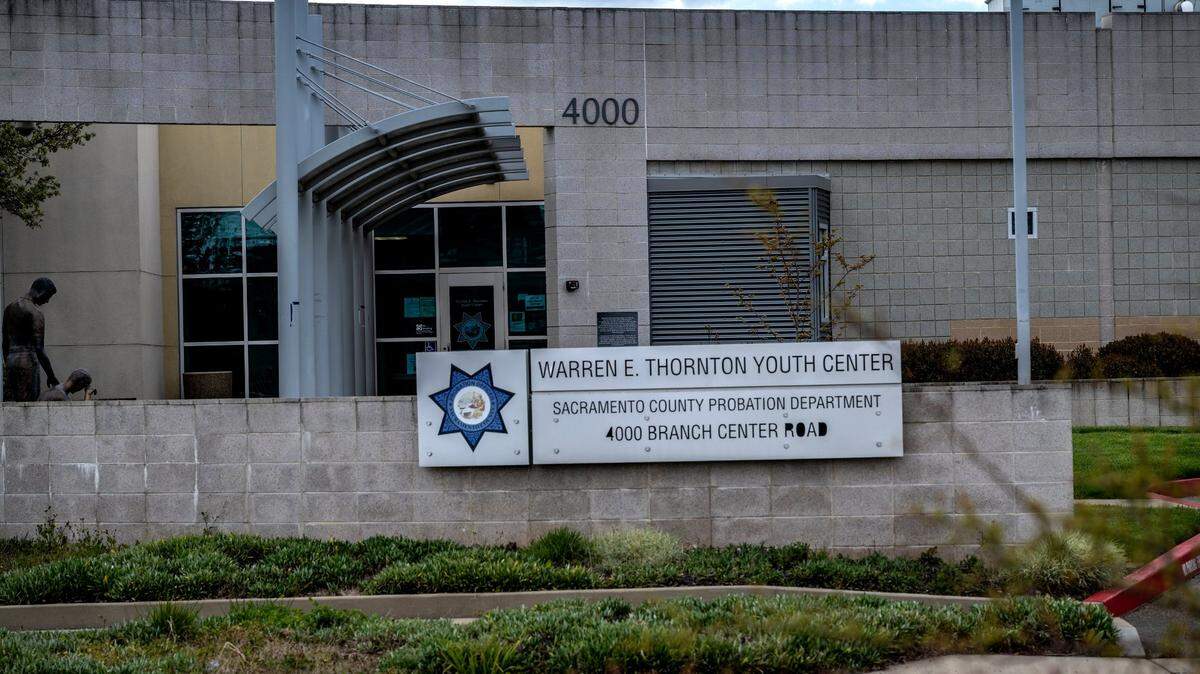
The county once housed foster youth awaiting longer-term placement in office buildings. In 2022, it started housing them in cells at the Warren E. Thornton Center, a former juvenile detention facility in Rosemont. The county stopped using the WET Center for foster youth in 2023 after a state agency ordered it to do so because it did not have a license.
The lawsuit filed last week in Sacramento Superior Court against the county’s Department of Child, Family and Adult Services includes 17 plaintiffs, 16 of whom resided at the WET Center and office buildings at various points between 2020 and 2022.
Among the lawsuit’s allegations: that one teenage boy “was forced to participate in cage fights” at both the WET Center and one of the office buildings, and that “adults paid to watch” the fights.
Macy Obernuefemann, a county spokeswoman, declined comment on the lawsuit because the county does not comment on active litigation.
She confirmed the county is still not using the WET Center for foster youth awaiting placement. Instead it is using the facility as a warming and cooling center for extreme temperatures. For foster youth, the county is using two single-family homes, which are provisionally licensed by the state.
The recent lawsuit contains allegations about what the teenagers endured while living at the WET Center and the other county office buildings that had not been previously reported in detail. All 17 plaintiffs are former foster youth or parents or guardians of former foster youth, and are listed in court documents as John Doe or Jane Doe plaintiffs.
▪ All 17 teens drank alcohol and used drugs on a regular basis, with 13 plaintiffs described as doing so “daily,” the lawsuit alleged.
▪ Sixteen teens had sex with other foster youth, considered statutory rape, which resulted in one teen getting pregnant, the lawsuit alleged. Under state law, minors cannot consent to having sex with anyone including other minors.
▪ Thirteen teens ran away from the facility and went “AWOL” daily, sometimes not returning until the early hours of the morning, the lawsuit alleged.
▪ A teenage boy was forced to participate in “cage fights” that adults paid to watch, the suit alleged. He also alleged a county employee texted pictures of his genitals to another foster youth. When he reported the employee, the employee physically assaulted him, according to the lawsuit.
▪ A county employee sexually assaulted a teenage boy, the lawsuit alleged.
▪ A county employee sexually assaulted a teenage girl, the lawsuit alleged.
▪ Eight teenage girls were routinely sex trafficked, “and abused by pimps operating openly outside and within the facilities,” the lawsuit alleged. Police regularly transported the teens back to the county facility where they lived, and told employees about their sex work and exploitation. On multiple occasions, staff picked up the girls from law enforcement custody after they were detained for sex work and took them back to the facility.
▪ One of the girls who was allegedly being sex trafficked drank so heavily she got alcohol poisoning and had to go to the emergency room, the lawsuit said. She also attempted suicide.
▪ A teenage boy was “malnourished” and had to steal from a local grocery store to feed himself, the lawsuit alleged.
A grand jury report last year following a seven-month grand jury investigation found violence, drugs, alcohol and sex trafficking had occurred at the WET Center. It also found at that time that in homes the county now uses, those issues continued, with weapons also listed as a concern.
In its legally mandated response to the report, the Board of Supervisors wrote that the county is taking several measures to reduce the issue, including bringing in nonprofits that specialize in substance use and sexual exploitation, and checking bags for weapons when foster youth enter the homes.
“...while threats persist, it is not reasonable to expect (Child Protective Services) in and of itself to completely eliminate drug and alcohol use, possession of weapons, sex trafficking and other threats,” the response stated, in part. “These are challenges that face the community as a whole and require intervention by everyone who works with and supports our youths, including families, law enforcement, behavioral health, education systems and juvenile probation.”
California Department of Social Services Foster Care ombudsperson Larry Fluharty wrote in a letter to the county in September 2022 that the WET Center’s “jail-like” environment could “retraumatize” youth and make them feel “physically and psychologically unsafe.”
Among the issues, the cells were about 16 feet by 8 feet; the thin mattresses did not have springs, and the metal toilets in the cells were covered with wood and shelves, state regulators wrote in a May 2023 letter.
The state letters, first reported by The Sacramento Bee, prompted Sen. Angelique Ashby, D-Sacramento, to introduce a state bill aimed to help counties across the state find better places for foster kids to live while awaiting placement. The bill died in the Assembly and did not become law.