
Bear that raided Tahoe camps, homes for years euthanized by CA wildlife officials
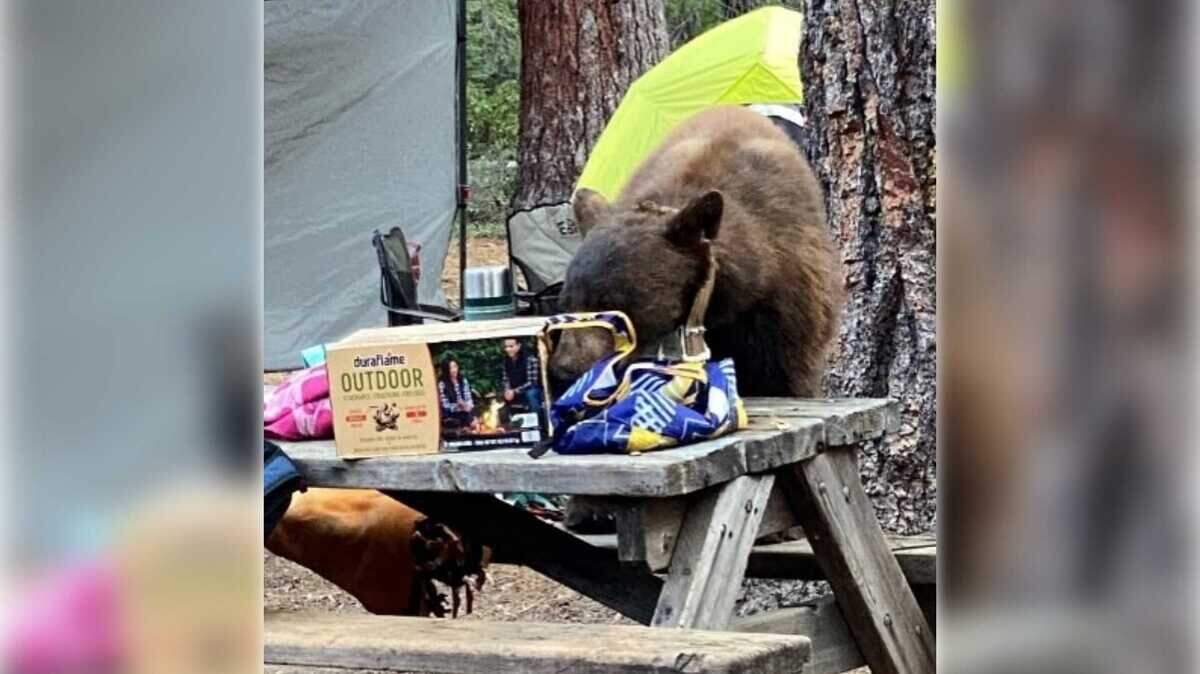
A black bear that had damaged cars, threatened campers and wrecked homes for years in the Lake Tahoe basin was euthanized by California Department of Fish and Wildlife officers earlier this month after the animal broke into another house in the basin.
“This bear, with a long history of human-wildlife conflict, was well-known to CDFW staff,” state fish and wildlife officials said in a statement Friday. Officials said the bear was first captured in 2021, tagged and returned to its habitat after breaking into cars and homes, only to return to the basin where it broke into vehicles and businesses and chased after campers for food.
The bear — known by its tag number, 717 — had been chased away by game officers several times over the years. The bear, now close to 400 pounds, had survived largely on human food and trash and resisted numerous efforts by wildlife officers to trap him, the department said in its statement.
“Based on its concerning behavior, property damage, and repeated negative encounters with humans, the bear was approved for lethal removal,” department officials said.
The bear was euthanized July 7 after Fish and Wildlife biologists and officers were called to the Meeks Bay area of Lake Tahoe on complaints of several bears roaming campgrounds for food, according to fish and wildlife officials.
The fish and wildlife officers staked out a local campsite frequented by the bears and near two popular state parks. Their objectives, to keep campers safe and to chase the bears away from tents, vehicles and food. Referred to as hazing, by chasing the bears away from people, the officers hope to keep the animals naturally fearful of people while not harming them, said officials.
The officers were called to a vacant house where they found the bear inside causing what officials described as “extensive damage” to the home.
“This unfortunate but necessary wildlife management action reinforces the need to keep bears wild and prevent them from accessing human food and garbage,” the statement read.
.JPG)