
Land Park Lanes, Sacramento’s last bowling alley, now protected city landmark
A Freeport Boulevard bowling alley that long served as a touchstone for Sacramento’s post-war Japanese American community is now the city’s newest historic landmark.
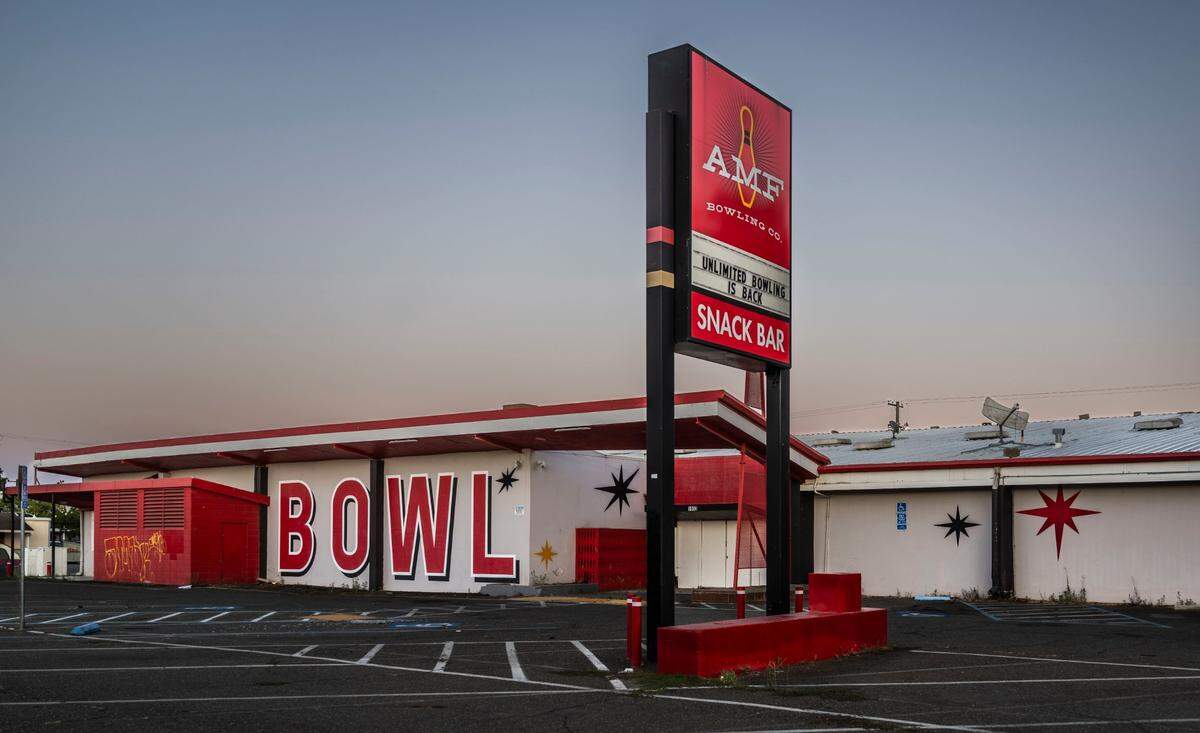
The Sacramento City Council on Tuesday designated AMF Land Park Lanes at 5850 Freeport Blvd. as a historic site, more than a year after a devastating fire in February 2024 fire forced the closure of the venue.
Japanese American developer Gonzo Sakai designed and built the now-landmarked lanes in 1960. The building now stands as the last remaining bowling alley in Sacramento, according to the city’s community development officials.
Among the criteria for the designation: the Freeport Manor site’s “contributions to the broad pattern of Sacramento history,” the city said.
“The site reflects an important chapter in Sacramento’s Japanese American community history including contributions to recreational and social integration after World War II,” said Whitney Johnson, an assistant planner with the city’s community development department.
Roy Arimoto, a third-generation Japanese American and lifetime Sacramento resident with the CalAsian Chamber of Commerce, told council members the lanes played a vital role as a refuge from the animus his community faced after the war.
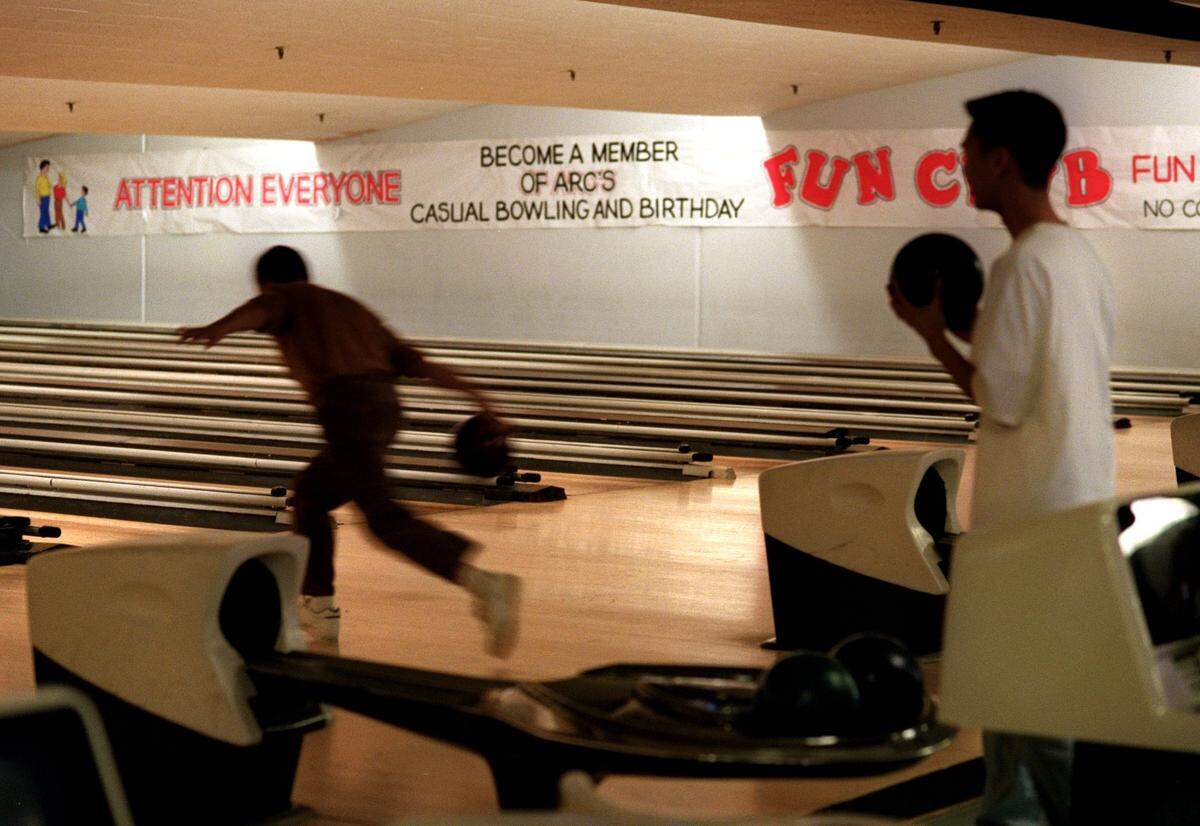
Land Park Lanes hosted a Japanese American bowling league, dances and other social events that helped bond a displaced community that included his parents, then owners of a 10th Street gift shop in what was once the city’s Japantown.
“There was a lot of hatred toward Japanese Americans after World War II. The Nisei (second-generation) bowling league was a place where we could get together and share some fellowship,” Arimoto said.
“When we talk about heritage and lineage and some of the things that the community went through, Land Park Bowl was a prominent part of that.”
Over the years, Black and LGBTQ bowling leagues also competed on Land Park Bowl’s custom-built Brunswick lanes, adding to the alley’s broader community legacy. The venue was also identified in the city’s recently completed LGBTQ+ Historic Experience Project, Johnson said.
Historic preservation advocates, including Preservation Sacramento and the Sacramento Historical Society, supported the designation. Prominent members included former Sacramento Kings owner Gregg Lukenbill.
Lukenbill commissioned a report earlier this year to bolster the effort, with an architectural historian finding that the lanes qualified for a local listing. The Napa-based architect, Kara Brunzell, noted its cultural impact and mid-century modern design.
“It’s got that whimsical folded-plate roof and then that space-age kind of sculpture at the door near the entrance that pierces the roof,” Brunzell told The Bee ahead of Tuesday’s vote. “So it has those really dramatic features that were designed to draw your eye when you’re driving past.”
Lukenbill briefly addressed the council before the vote.
“Thank you for getting us here,” Lukenbill said. “This is going to be a celebratory moment for the people of Sacramento.”
This story was originally published July 23, 2025 at 3:17 PM.
.JPG)