
Lawsuit: City seeks to close Port of West Sacramento by dismantling facilities
Wood chips were once piled dozens of feet high at the Port of West Sacramento. Fertilizer imports filled multiple warehouses, ready for distribution across Yolo County’s ripe farmlands.
That infrastructure and product is now gone.
The city of West Sacramento said in a February news release that a “modernization plan” required demolishing an “obsolete” warehouse and a conveyor system used to transport goods into ships in the harbor. Wood chips and fertilizer stopped coming through the port in 2005 and 2008, respectively, according to the West Sacramento News Ledger.
The International Longshore and Warehouse Union and its local West Sacramento chapter filed a lawsuit alleging this dismantling was a pretext for winding down industrial and maritime operations at the port to build houses, according to documents filed in Yolo Superior Court on June 25. The lawsuit also alleges the Port Commission — which governs the Port of West Sacramento — unlawfully transferred public funds to support exploring a plan that will ultimately squash all functions.
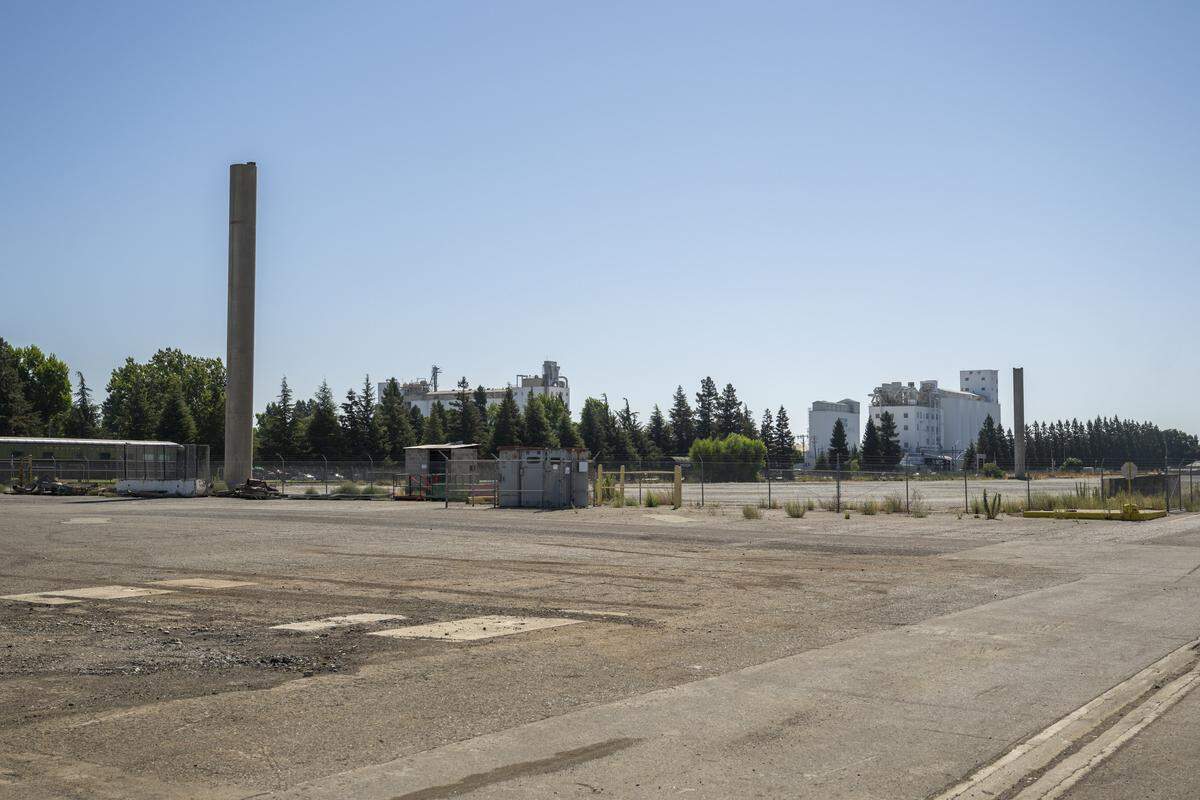
These were the most overt steps city officials have taken to close the port, which could happen as soon as next year, said Tim Campbell, president of the International Longshore and Warehouse Union local chapter in West Sacramento.
“I’m scared,” Campbell said Thursday, explaining that a potential closure has “never been this close.”
The allegations “have no merit or basis in fact,” said Paul Hosley, a West Sacramento city spokesperson.
The lawsuit attempts to establish the lines of authority a city and port have over a special district.
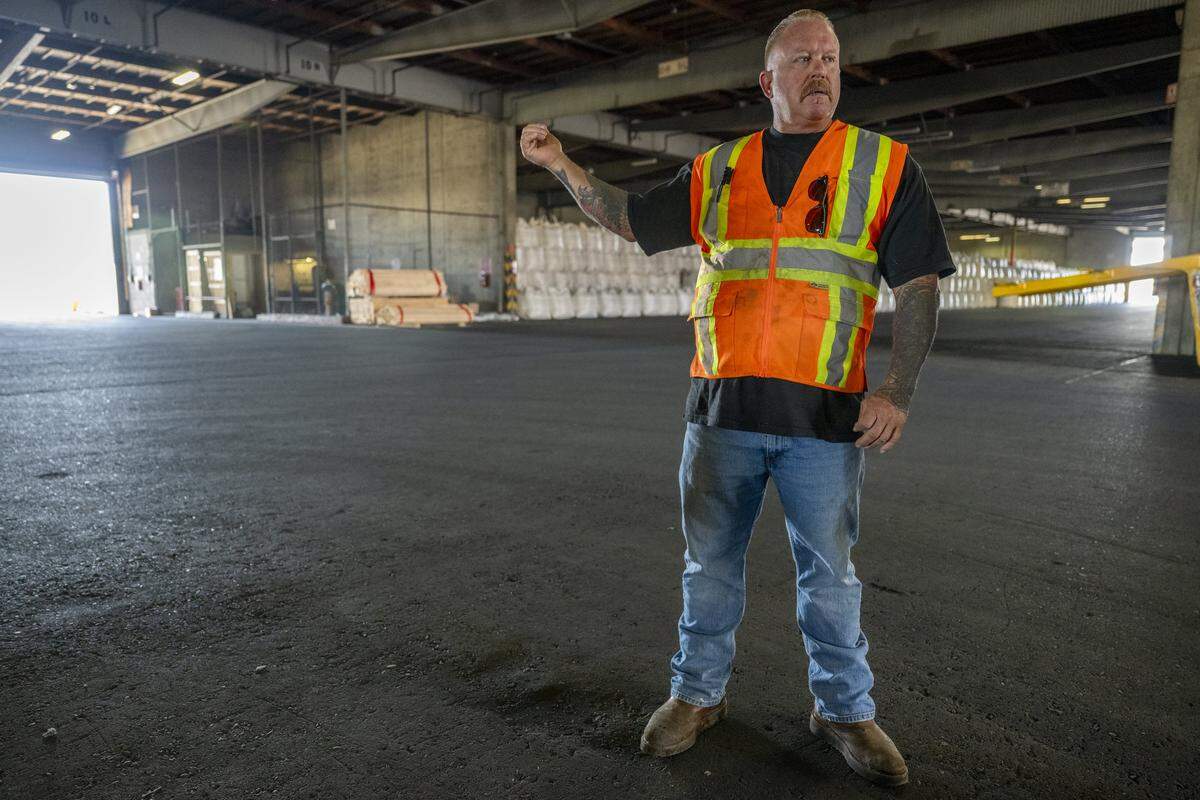
The Port Commission, containing a Yolo County Board of Supervisor and four members from the West Sacramento City Council, entered into a contractual agreement with West Sacramento to manage and operate the port in 2005, according to the city. Commerce operations began in 1963 at the port.
County officials said previously about 50 longshoremen work at the port.
Campbell said the number of employees can range anywhere from 200 to 300 to function at full capacity. For the most part, the port handles rice exports and cement imports.
The port’s general manager is a city employee, working out of the City Manager’s Office. Its finances are also contained in the city’s budget, according to the lawsuit.
But the Port Commission is a legally separate entity, and should make its own decisions to ensure the port can best operate, said Patrick Soluri, the attorney who filed the lawsuit on behalf of the International Longshore and Warehouse Union.
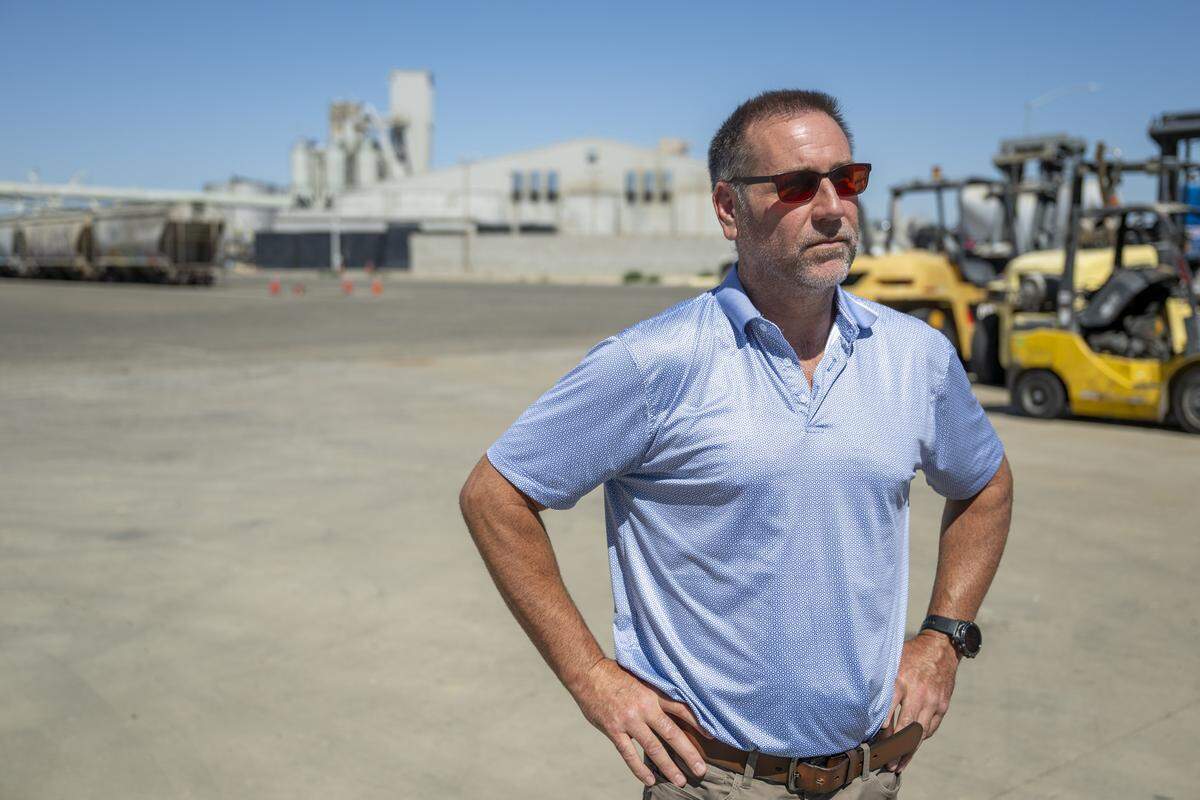
Instead, the Port Commission authorized decommissioning and dismantling bulk cargo, including multiple structures that could be used to expand business opportunities, according to the lawsuit. The union sent a letter to the Port Commission, which oversees the port, informing them of the “unlawful scheme to shutter and liquidate the port.” But the Port Commission took no action, according to the lawsuit.
The Port Commission also authorized about $1.4 million last year to help design and engineer the Enterprise Bridge project, a move that does not benefit the port, and instead serves to dismantle the port in order to shutter operations, according to the lawsuit.
The Enterprise Bridge project connects the Southport Industrial Park to Interstate 80 by arching across the Sacramento Deep Water Shipping Channel. City officials have considered three different design options: the low-fixed bridge, a low movable bridge and a high fixed bridge.

If City Council members choose a low-fixed bridge — the cheapest option — large ocean barges wouldn’t be able to enter into the port because the bridge’s middle section couldn’t move to accommodate large barges. Effectively locking out ships, longshoremen would lose valuable work.
“You bought the gun to shoot yourself in the foot,” Campbell said.
City staff will present details about the bridge’s engineering feasibility and funding options by the end of 2026 to mid-2027, according to previous Bee reporting.
On Thursday, longshoremen worked in concert with sailors to haul tons of rice into a barge headed for Vietnam.
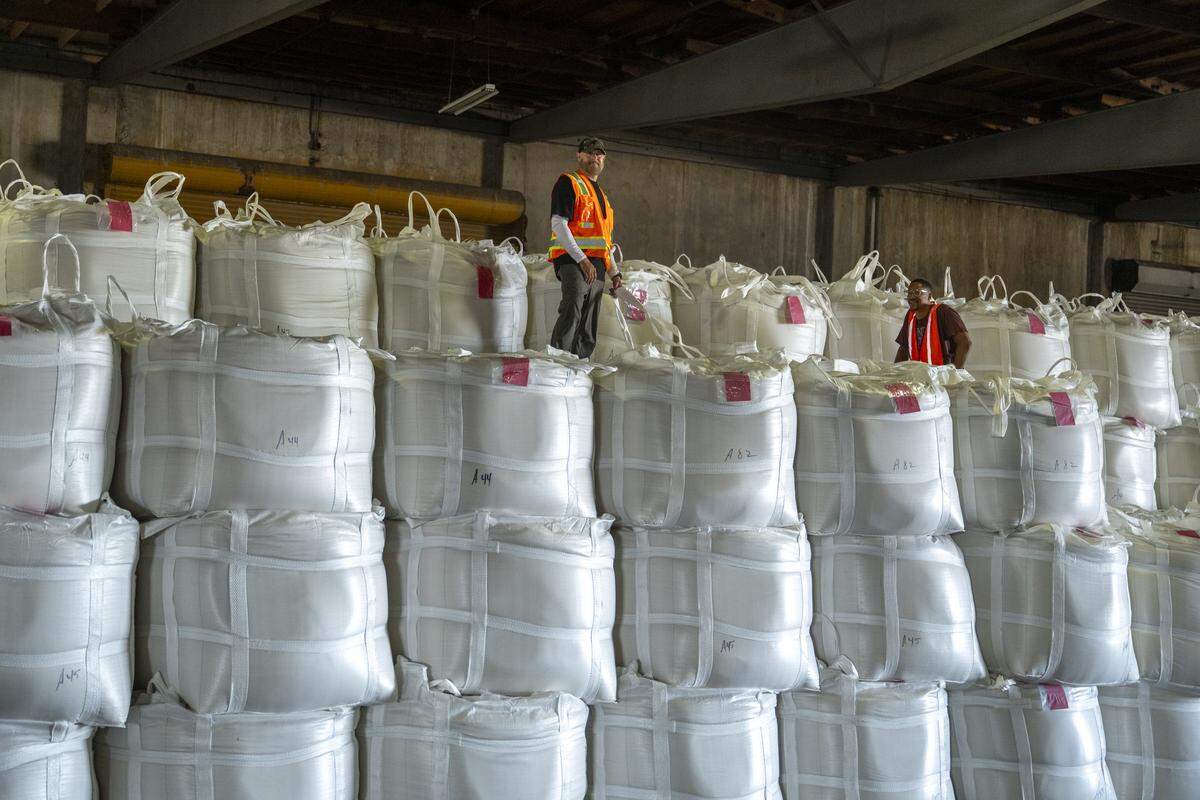
Electric forklifts whirred and precisely stacked rice weighing 44,080 pounds into neat rows to be lifted into a barge’s deep depths.
Campbell was 17 and homeless when he began working at the port with his father. On his first day of work, blood poured down his arms as he hauled 110-pound rice bags.
But the work provided him with a life. All that is threatened as he watches structures being ripped away.
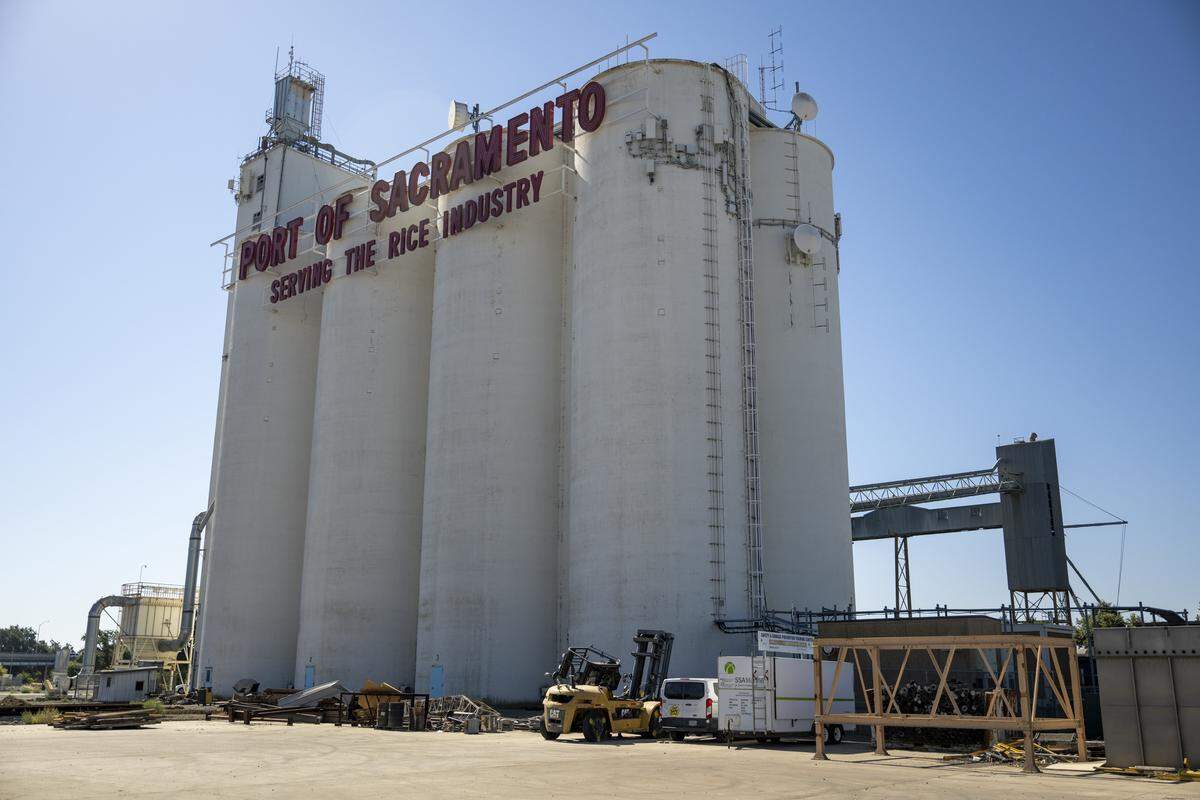
He pointed to large siloes that once held enough rice to make a profit, emblazoned with a “Port of Sacramento” logo. But those siloes sit empty after city officials refused to repair an elevator lift inside, he said.
“You see all this history going away … it was just really disheartening,” Campbell said.
This story was originally published August 3, 2025 at 5:00 AM.
CORRECTION: This story has been updated to clarify that rice is exported from the Port of West Sacramento and cement is imported.