Sacramento may run out of cemetery space. One man has a plan to fix it
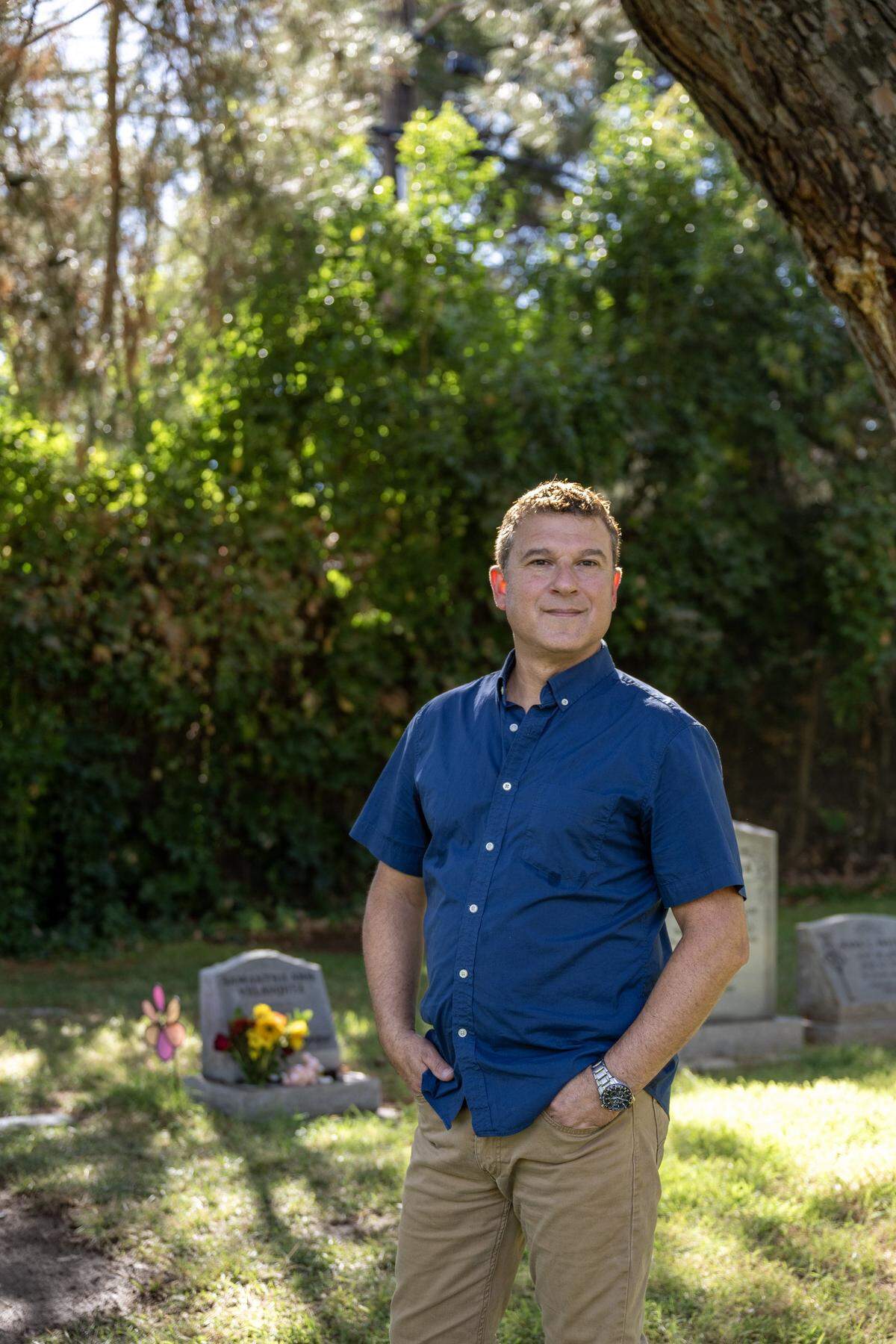
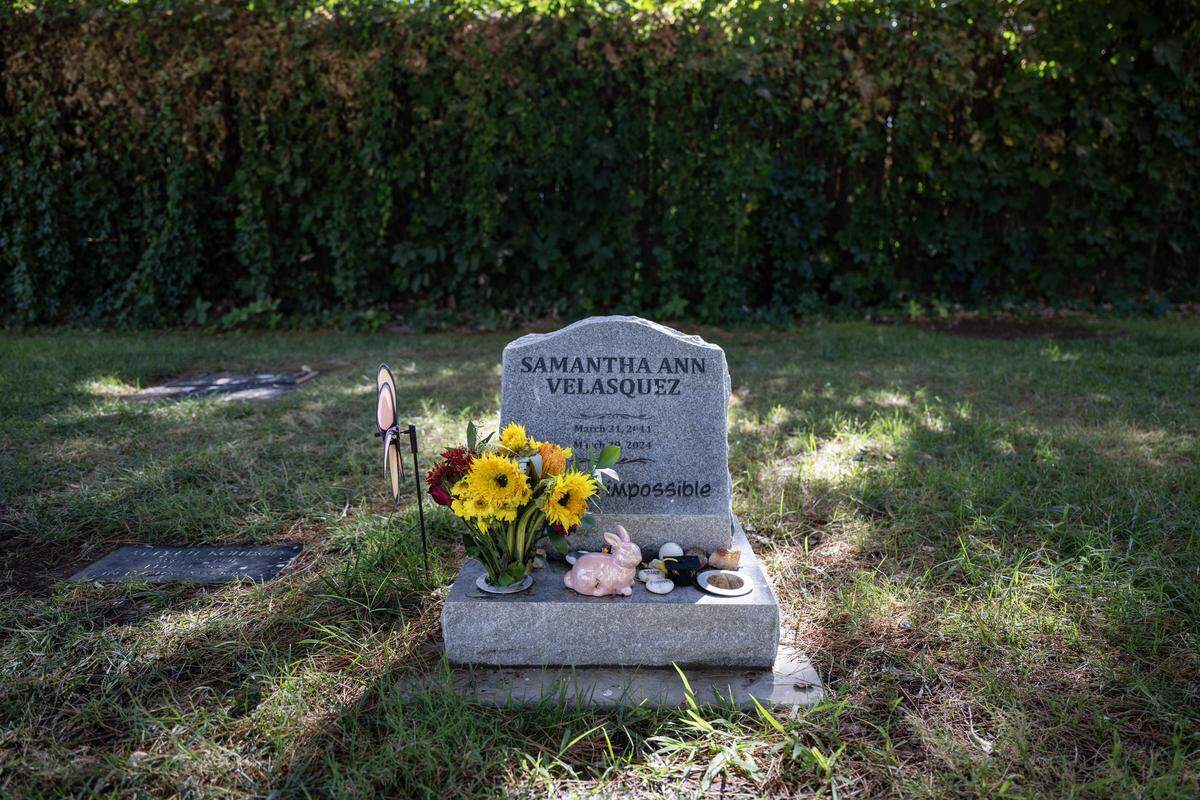
Mark Velasquez has visited his daughter at Sacramento’s Odd Fellows cemetery regularly since her death a little over a year ago. Sammy’s plot is up near the cemetery’s fence line, under a tree that offers some welcome shade during the Sacramento summer.
He’ll trek up to the plot, sometimes with his dog trotting at his side, and sit in the grass near her. He’ll think about his daughter – her creativity, her kindness.
“It’s a beautiful place to sit in the shade and talk to her,” Velasquez said. Sammy was “always positive and hopeful. She loved helping people.”
After 12-year-old Sammy succumbed to cancer in March 2024, Velasquez noticed that Sacramento has few affordable burial options. He also saw that the problem was worsening, and the day when a middle-class family could not afford to bury a loved one nearby was fast approaching. So Velasquez made a plan: he would push the city to give people more options by creating a new cemetery, supported in part by local tax dollars.
The idea, he said, is to honor his daughter’s memory by leveraging his professional expertise to ensure others in the city can have a peaceful place to sit and talk to their loved ones too.
“It shouldn’t be just for the rich or those that can afford a private burial,” he said. “Everyone should have the ability to have a place to go and visit their loved ones after they’ve passed.”
The Problem
Residents of Sacramento County, especially those on a budget, have limited options when choosing a cemetery. Even fewer options exist for the more than 500,000 people who live in the city itself.
As cities age, their cemeteries fill up. They run out of undeveloped land and every square foot comes at a premium. While private cemeteries place some of their sales revenue in an endowment for future expenses, public cemeteries are funded through a share of local taxes, managed by either a city or a special district.
Cemeteries without an endowment or tax base struggle to cover operating expenses when they reach capacity. So when cemeteries no longer have burial space to sell, they lose critical revenue and often fall into disrepair.
Without action from city and county leadership, Sacramento residents may struggle to find affordable local burial plots in as little as a decade. Three of the county’s four public cemetery districts will run out of space in the next 16 years – and in some cases, even sooner.
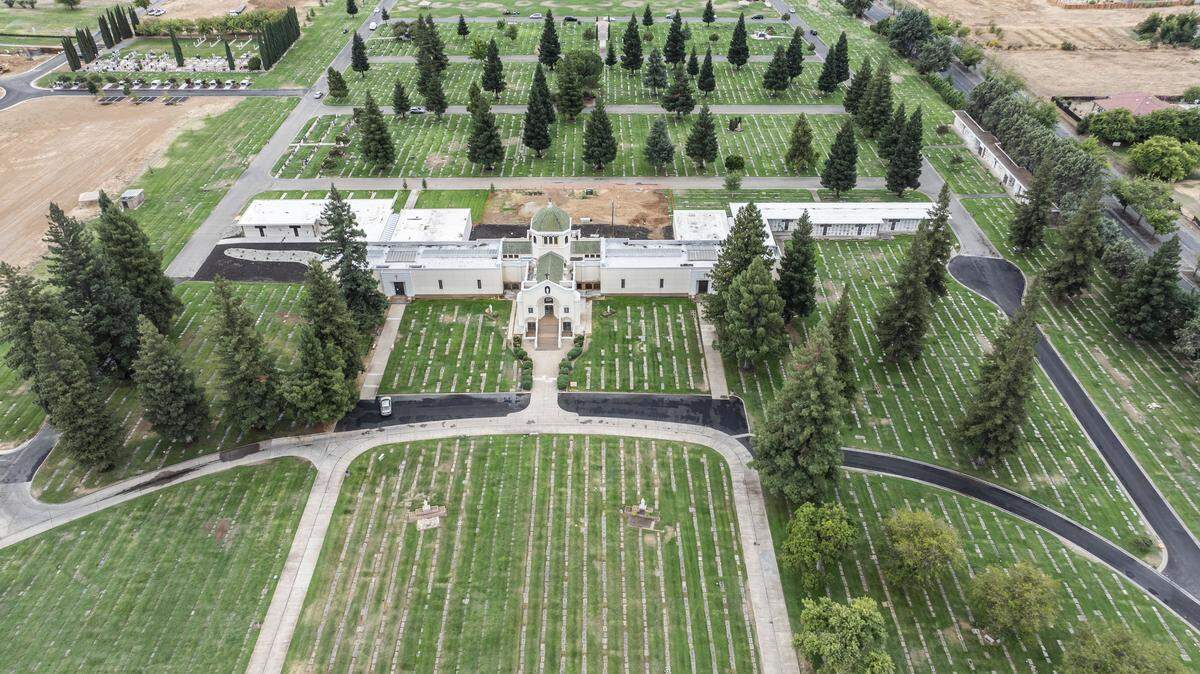
Sylvan Cemetery District, located in Citrus Heights and also serving residents of Orangevale, Antelope, North Highlands, Rio Linda, Elverta and a portion of Natomas, has reported about 16 years of runway. The Elk Grove-Cosumnes Cemetery District has three active cemeteries, two of which will fill up within the next 5-10 years. Only the fourth district, the Galt-Arno Cemetery District, is not facing these capacity constraints.
Though sixteen years may sound like a lot of runway, a major public development project can take four years of research and planning before even breaking ground.
“We can’t wait five more years just to start the basics of planning,” Velasquez said. “We need to start now so in 10 years, there is space available when the remainder of the affordable space runs out.”
The lack of affordable burial options struck Velasquez as a problem he was well-positioned to address. An attorney by training, he first proposed forming a new public cemetery district for residents of the city of Sacramento this spring. This summer, he appeared twice before the county local agency formation commission, or LAFCO, a little-known agency in charge of local special districts, including cemeteries.
If city leaders want a new cemetery district, LAFCO will consider whether a new special district will be able to financially support itself in the long term, José Henríquez, executive officer for Sacramento LAFCO said. If LAFCO approves, it will be up to voters living within the proposed district boundary to make the final decision on whether they want the new cemetery.
Until then, burial options for residents include private cemeteries and a dwindling number of plots in one run by a charitable organization.
Private cemeteries offer a variety of price points. A small service and an urn or cremation plot cost about $5,000, while a large service with a funeral procession and a crypt or family plot can cost more than $20,000.
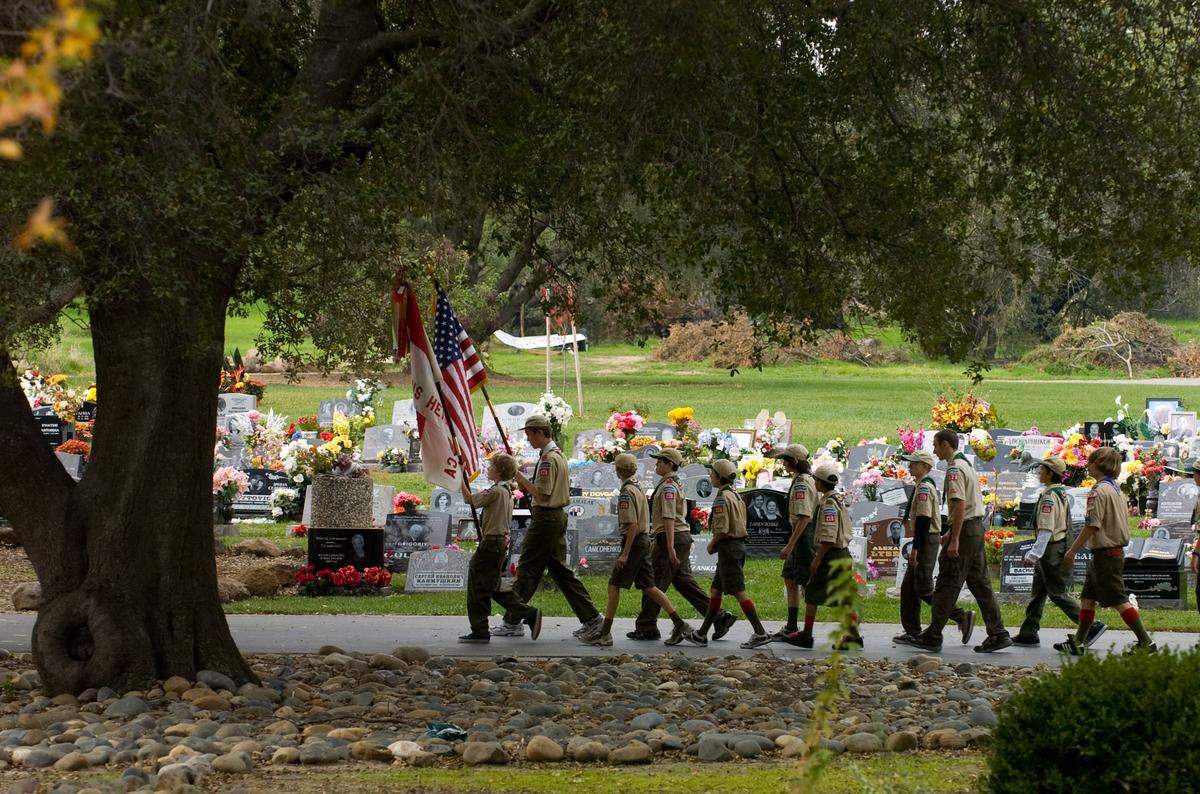
A cemetery run by a charitable organization offers more affordable plots. The Odd Fellows Cemetery, where Sammy is interred, is the last such cemetery in Sacramento. They only have room for about 200 more burials.
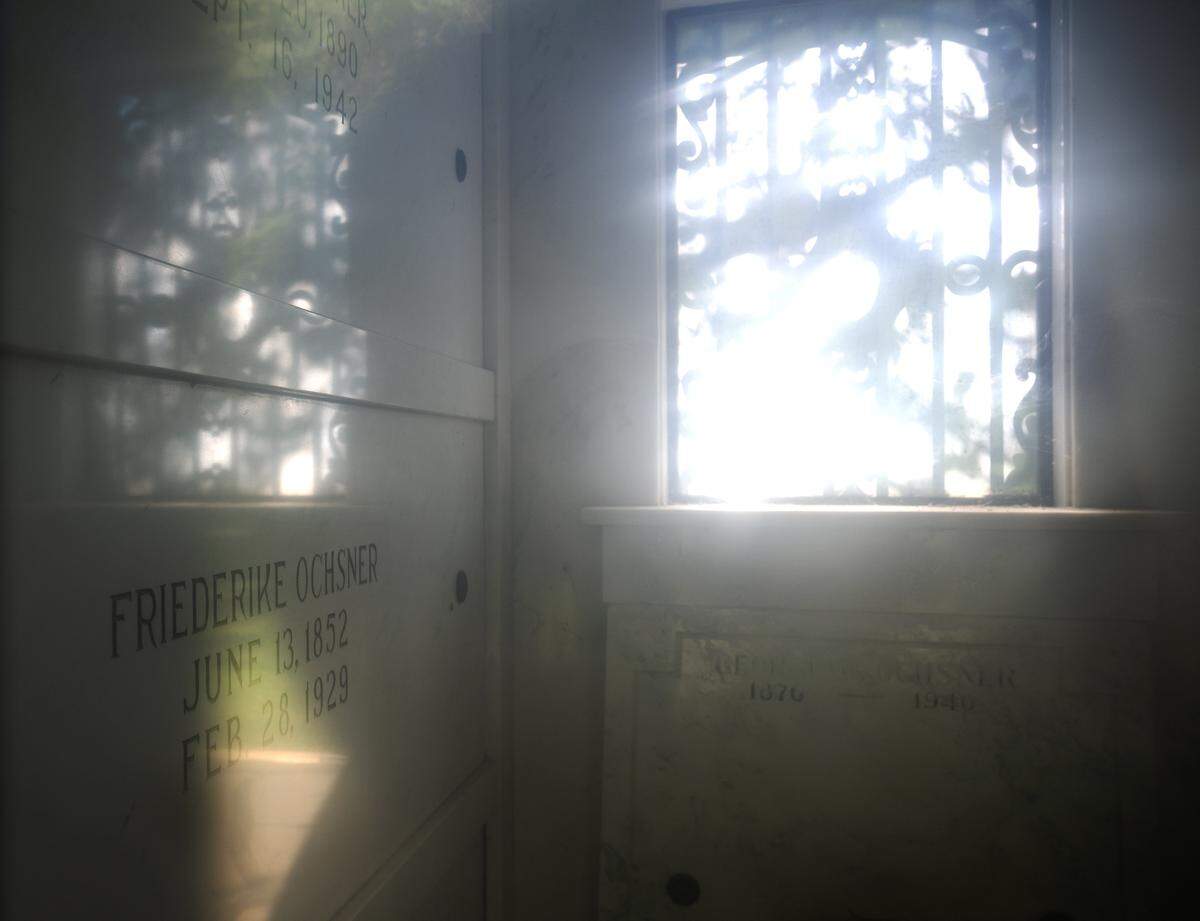
Founded by members of the Independent Order of Odd Fellows more than 125 years ago, the cemetery includes the unmarked graves of some of the people who built old Sacramento, said Shelly Peters, operations manager for the cemetery.
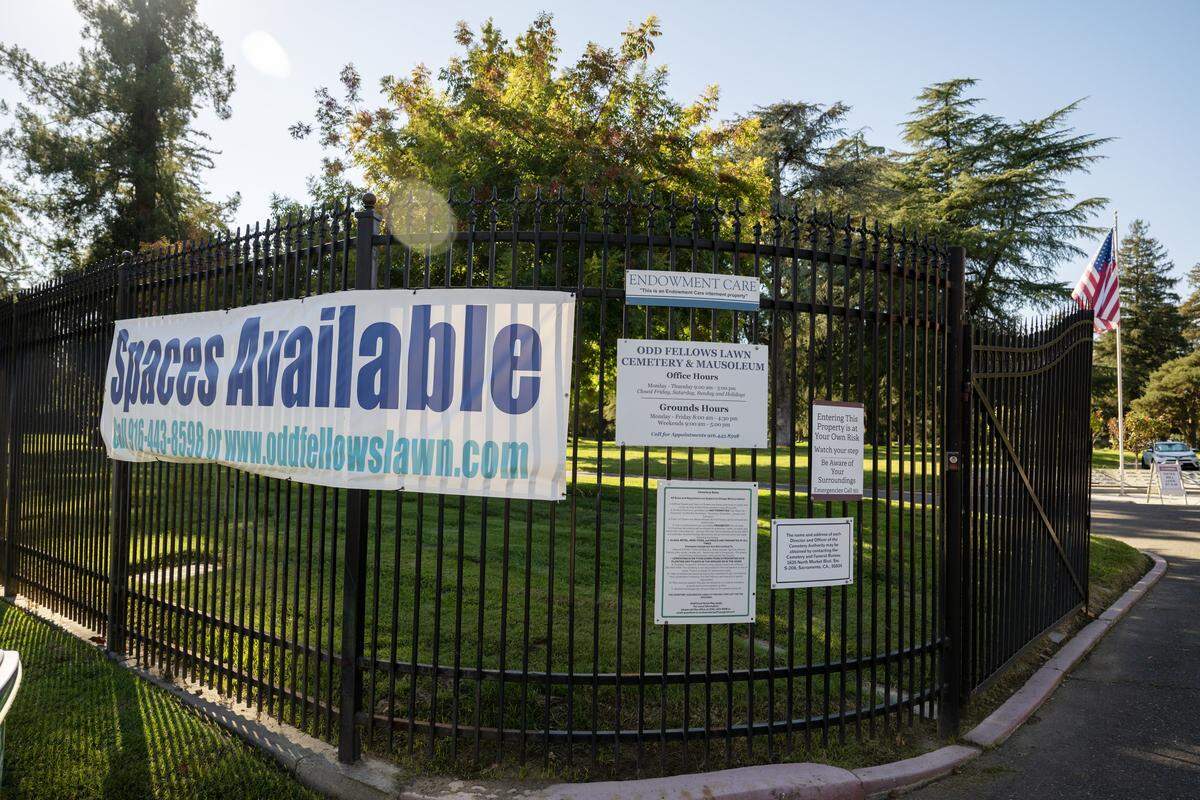
Because it borders the Masonic Lawn and Historic Sacramento cemeteries, it has no room to expand; when it runs out of space for burials, it will become a historic cemetery.
“Making cemeteries that are more affordable would benefit our community, because people would be able to have a place to go and lay their loved ones to rest,” Peters said. “It would reduce some economic stress on families.”
Velasquez has identified a city-owned parcel in the Meadowview neighborhood he believes would be a good fit for a new cemetery. He tapped a design firm he knows from his work representing public cemetery districts to create a plan for the 102-acre plot located southwest of downtown.
The plan includes affordable housing, retail, park space and the cemetery Velasquez believes the city needs.
“The political climate is that there needs to be other things beside for a major project,” Velasquez said. “We have this 102 acres, so why not be able to leverage the idea of a cemetery with a park with affordable housing, and pull it all together?”
Velasquez’s proposed new cemetery, which he calls Meadowview Memorial Park, would cover half of the 102-acre lot, which Sacramento purchased from the federal government in 2022. The other half would be used for mixed-use development, and the entire parcel would be crisscrossed with pedestrian trails, studded with benches and surrounded by native plants. The cemetery would have enough space for almost 22,000 caskets
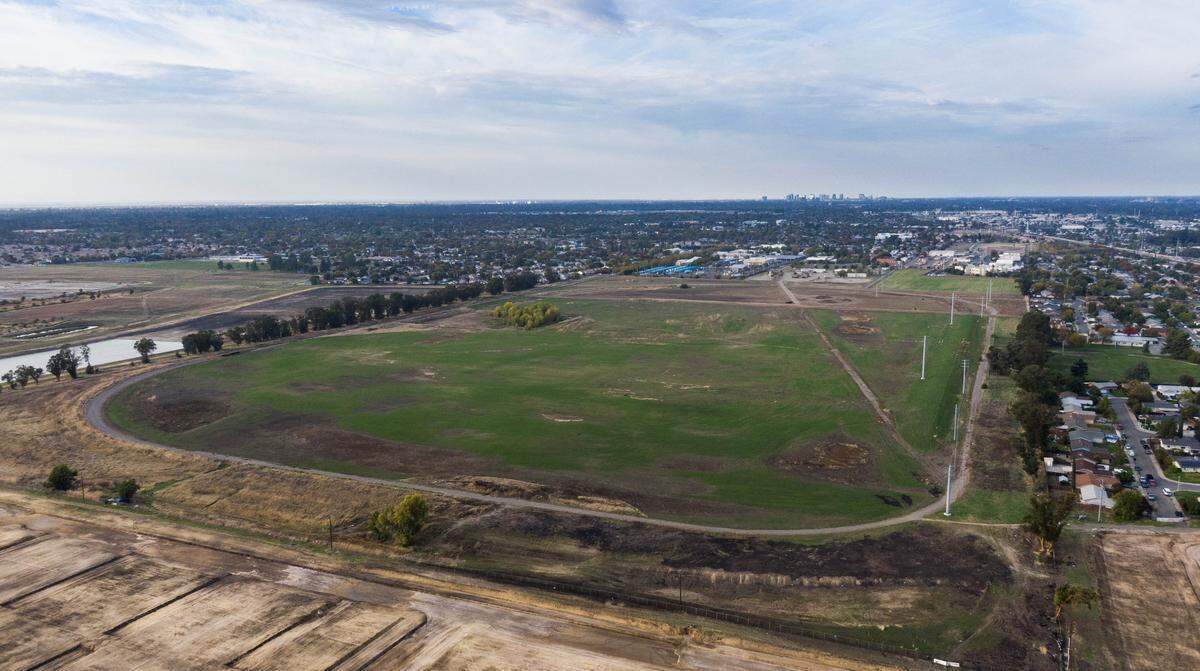
It accomplishes a lot of city priorities, Velasquez insisted, including bringing more park space to an underserved corner of southern Sacramento and carving out room for retail, affordable housing and public transportation stations.
He sees the new cemetery as more than a place to remember deceased loved ones. He imagines a space that hums with life. He thinks cemeteries should be inviting to the living, with spaces to rest and recreate – a rare piece of public space that balances past, present and future.
“Cemeteries are steeped in our history,” he said. “You can learn almost everything about California from the cemeteries. But cemeteries aren’t just history. They’re parks, you can walk through them, they’re open space.”
Peters, at Odd Fellows, agreed.
“Originally, cemeteries were designed as parks, you would go to your loved one’s grave and you’d have a picnic for the afternoon and tell stories, tell the younger generation about the family members that had passed before, I think we’ve lost a lot of that,” she said.
Velasquez is optimistic that he can convince lawmakers to support the plan, even if affordable burial options are far from top of mind when they consider their priorities. But it’s not clear if lawmakers agree that a cemetery is a good land use decision.
The Politics
“Some of you may know me as the cemetery guy,” Velasquez said as he introduced himself in a recent city council meeting. He then launched into his spiel, a tight two-and-a-half minutes about why the city needs a public cemetery district, delivered with the confident, practiced air of someone who has said it countless times before.
Velasquez has reached out to each member of the city council to advance his cause, recognizing that the most significant challenge he will have to overcome is one of political will.
Even if the city council supports the effort, there may be resistance to the prospect of using the available parcel for a cemetery rather than for the city’s other needs, like affordable housing or shelter space for the unhoused.
“There’s a lot of people out there that don’t think it matters because they either are going to be buried somewhere else – or, of course, they don’t want to think about death and their future,” Velasquez said.
Even if the city approves of the plan, its economic feasibility will still have to be considered to pass the LAFCO review process, Henríquez said.
That process “is methodical,” he said. “It takes time, and it’s designed that way.”
Creating new districts that can’t afford to stay in business would cause service disruptions and could worsen the need they’re designed to meet, especially a cemetery district, he added.
Financing a cemetery district can be challenging because they can’t diversify their revenue, Henríquez said.
State law limits how California’s 256 public cemetery districts can make money, prohibiting them from selling memorial markers or mausoleums and offering mortuary or cremation services. Their survival is dependent on local taxes and fees for opening or closing gravesites and providing internment rights.
City Councilmember Lisa Kaplan is Sacramento LAFCO’s current chair. She helped Velasquez figure out next steps and arrange meetings with local leaders, he said. Kaplan’s office declined interview requests and did not respond to submitted questions.
Kaplan recommended that Velasquez speak to the city’s planning department to learn more about the approval process. That meeting was lengthy and productive, he said.
Now, city planners are looking to see if there is any other city-owned property that could work for a new cemetery and are researching the financial impact of creating a new district, he said.
Councilmember Mai Vang, whose district contains the Meadowview parcel, has held numerous listening sessions with constituents to discuss how to use the land. The city has also convened an advisory group and offered multiple opportunities for the public to weigh in.
Planning for the Meadowview site will commence this fall. The city will release a solicitation for proposals online to guide the site’s development, city spokesperson Jennifer Singer said.
“The City looks forward to reviewing a range of ideas that align with community and City priorities and serve the best economic interests of the City.”
Sammy’s Legacy
Velasquez and his family marked the one-year anniversary of Sammy’s passing by gathering at the cemetery on a spring morning in March..
“We released butterflies,” he said. “We brought a little makeshift bar and had mimosas. We all talked very happily about it.”
The jovial air of the gathering reminded Velasquez that rather than being silent and somber places, cemeteries are celebratory spaces in a lot of cultures, he said.
“It was a party, she loved to party,” he said. “She loved music, so we had some music there.”
He sees his advocacy as part of Sammy’s legacy, as a way to honor her memory and find meaning in her death.
“I really hope to get a cemetery for the people of Sacramento”, he said. “But, at the end of the day, taking care of my daughter is going to be my proudest moment.”
This story was originally published October 23, 2025 at 5:00 AM.