
Can we help birds find their way home? How flooding farms provides a guide
AI-generated summary reviewed by our newsroom.
- Conservationists use flooded farms to recreate shorebird habitat in late summer.
- Shorebird populations fall as modern agriculture displaces natural wetlands.
- Incentive programs offset farm costs to temporarily convert fields into wetlands.
The binocular sights came up short of the black-and-white markings Drake Stallworth spotted in the distance, somewhere atop the sun-soaked field of water.
“I’ll see if I can get the scope on that black-bellied,” he said.
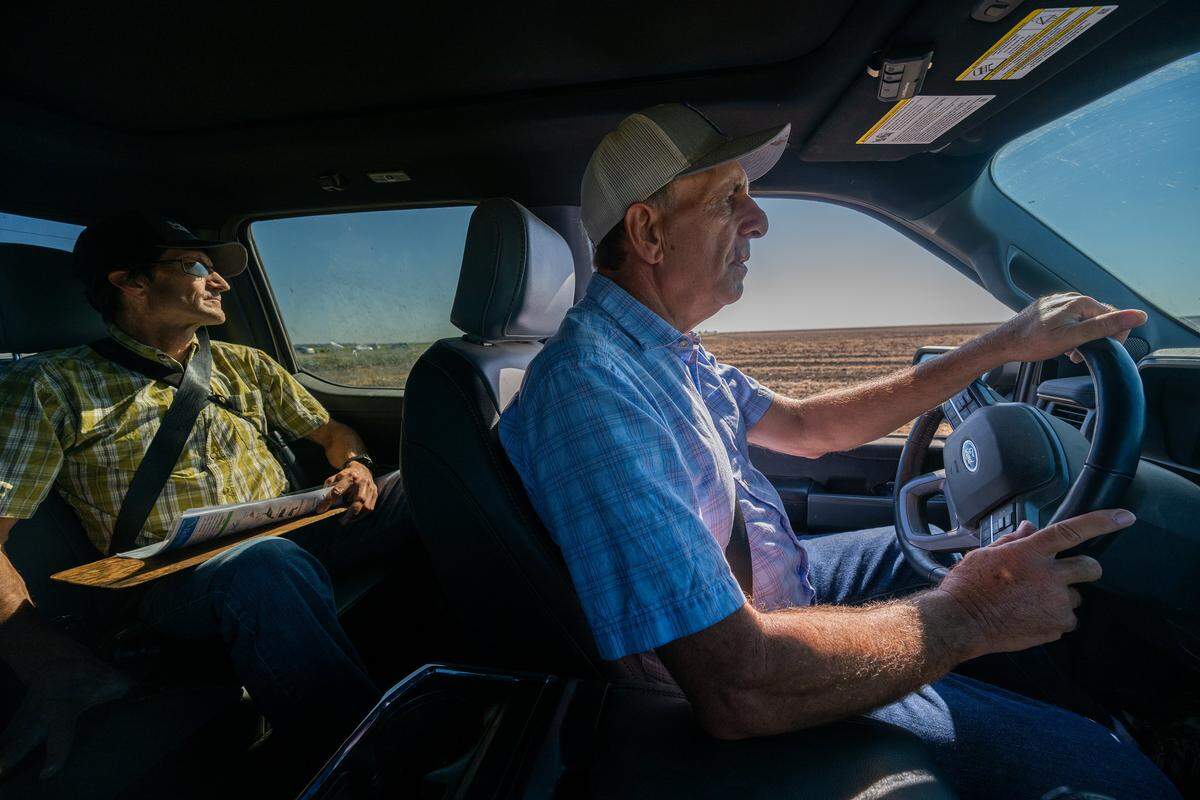
Stallworth, an avian monitoring technician, and Patrick Carr, the field crew leader, parked their pickup not far from the field’s makeshift banks and reached for heavier equipment. They nestled a tripod from the truck and into the dirt, attached the spotting scope and Stallworth peered through the lens.
“Yep, it’s a black-bellied,” he said.
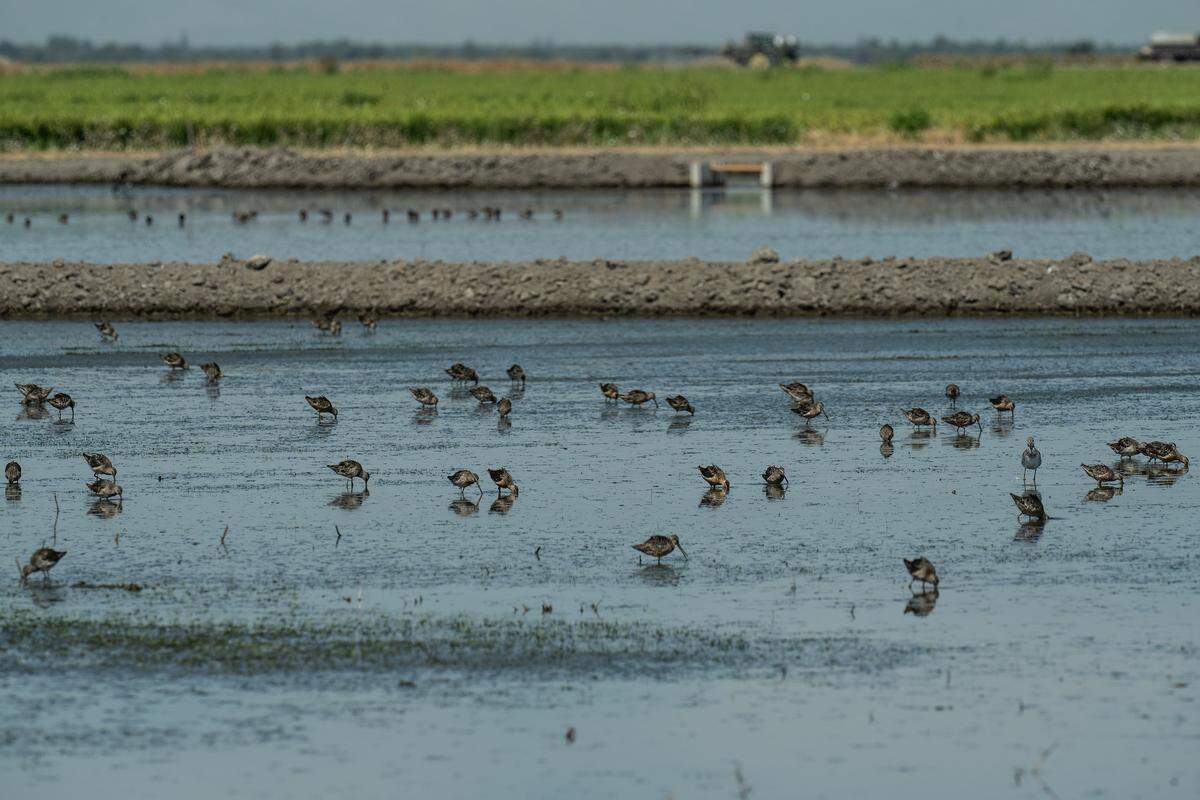
The Nature Conservancy’s two-man field crew took note of the black-bellied plover, one of more than a thousand birds wading and foraging through the inches-deep, 82-acre pool otherwise surrounded by the dry Central Valley.
To a trained eye, the lone black-bellied plover, identified by its white head and self-explanatory midriff, stood out among its fellow shorebird species nearby: greater yellowlegs, black-necked stilts and, of particular interest, long-billed dowitchers.
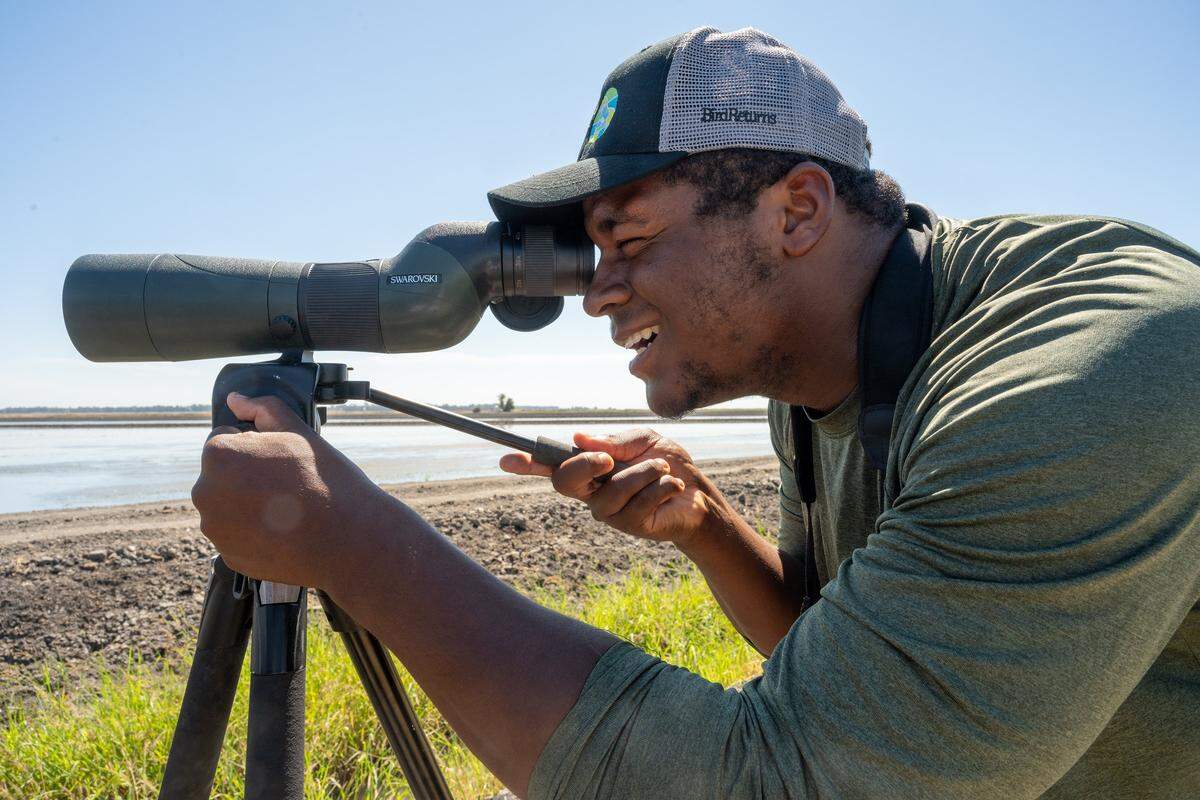
To anyone else driving Highway 45 beside the rural Yolo County property, the distant birds may have looked like dots against the water, akin to the sight of cattle grazing miles into an open pasture.
When observed up close — and thought about too deeply — the scene of thousands of birds that hail from the Arctic making habitat of an unnaturally-occurring oasis on a triple-digit August day might strike you as unusual, if not outright bizarre.
But stripped of its modern surroundings, experts say, the shallow waters resemble the landscape and habitat those birds would have historically flown above. And it’s a prime example of an occurrence that scientists, avian experts, conservationists and even farmers would like to see more often in the late summer months.
“The birds evolved to depend upon that system, as it was, and back then it was very different; It was an inland sea,” said Greg Golet, a senior scientist for the Nature Conservancy. “Seasonally it would flood up — in big water years especially — but there was always a mosaic of wetland habitat.”
With that in mind, several wildlife agencies have emphasized late-summer programs that pay farmers to convert fallow and recently-harvested farmland into shallow-water habitat for the dwindling shorebird species that migrate along the Pacific Flyway through the Central Valley in July, August and September.
Through a farmland program run through BirdReturns — a partnership among the Nature Conservancy, Audubon California and Point Blue Conservation Science — stakeholders have emphasized the late-summer time frame and shorebirds, which migrate as early as July, months before other species and the majority of birds trek to their winter homes.
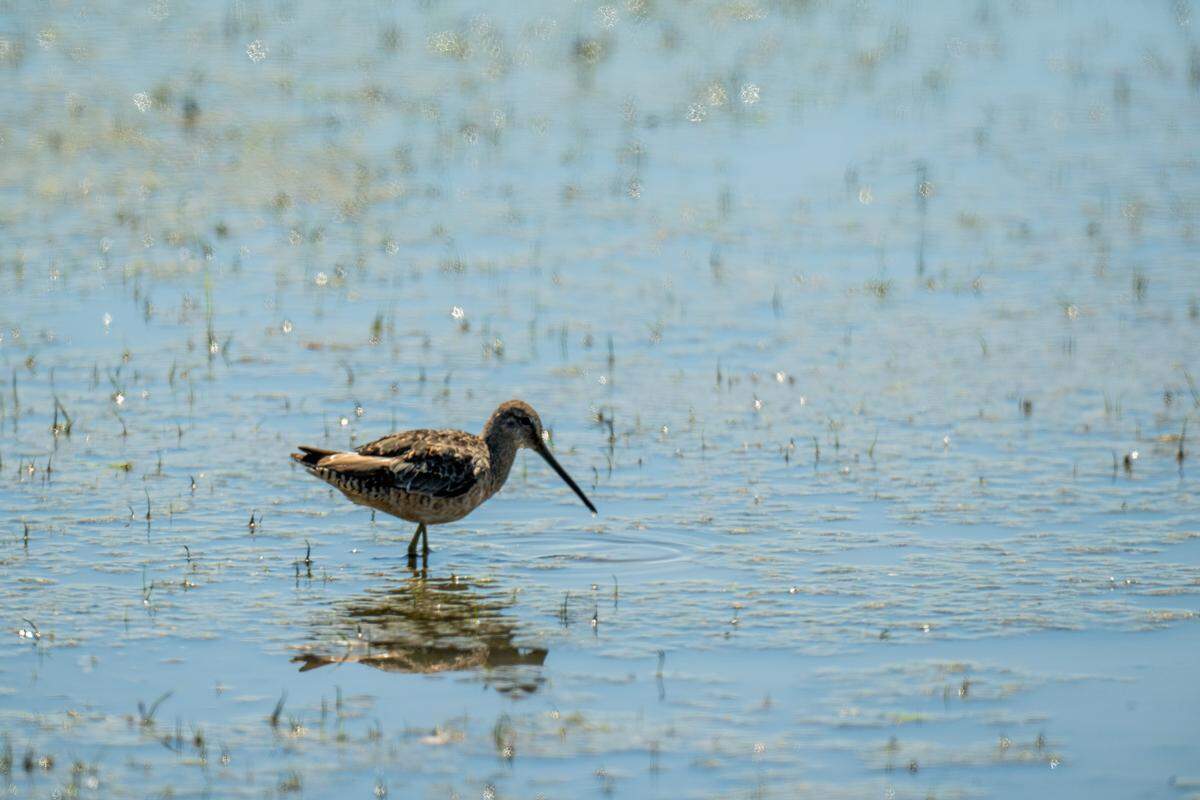
The people most closely involved have two central questions: Why are shorebird populations declining, and how can the landscape be changed to prevent that?
The answers are important not only to understand what is happening, but in the larger context of the world’s ecosystem. These bids eat insects and pests, pollinate, add nutrients to the soil and provide a critical balance in the food chain. They also provide entertainment, spurring curiosity and comfort for bird watchers, and an economic benefit, as well.
We watch them, but what the birds see when they look at us has changed.
Millions of residents and more than a century of development have replaced what was once a smorgasbord of wetlands, and shorebirds are now estimated to be half as common as they were 50 years ago, leaving scientists and conservationists looking to the Central Valley for answers.
Bird’s-eye view of the valley
The people who pay attention to such things note which birds pass through the Central Valley, where and when. They may understand from where a given bird departed, but the when and why is an altogether different endeavor.
That’s illustrated by the journey of one regular-old shorebird: long-billed dowitcher 541.
Tagged by researchers in 2023, the shorebird was tracked throughout its winter and spring in the Central Valley, before returning north across the Pacific Ocean to Alaska. From there, it traveled to its nesting grounds in Siberia, the arctic tundra of remote northeast Russia. Still intact, the tracker recorded the bird’s journey back to the Central Valley the following July.
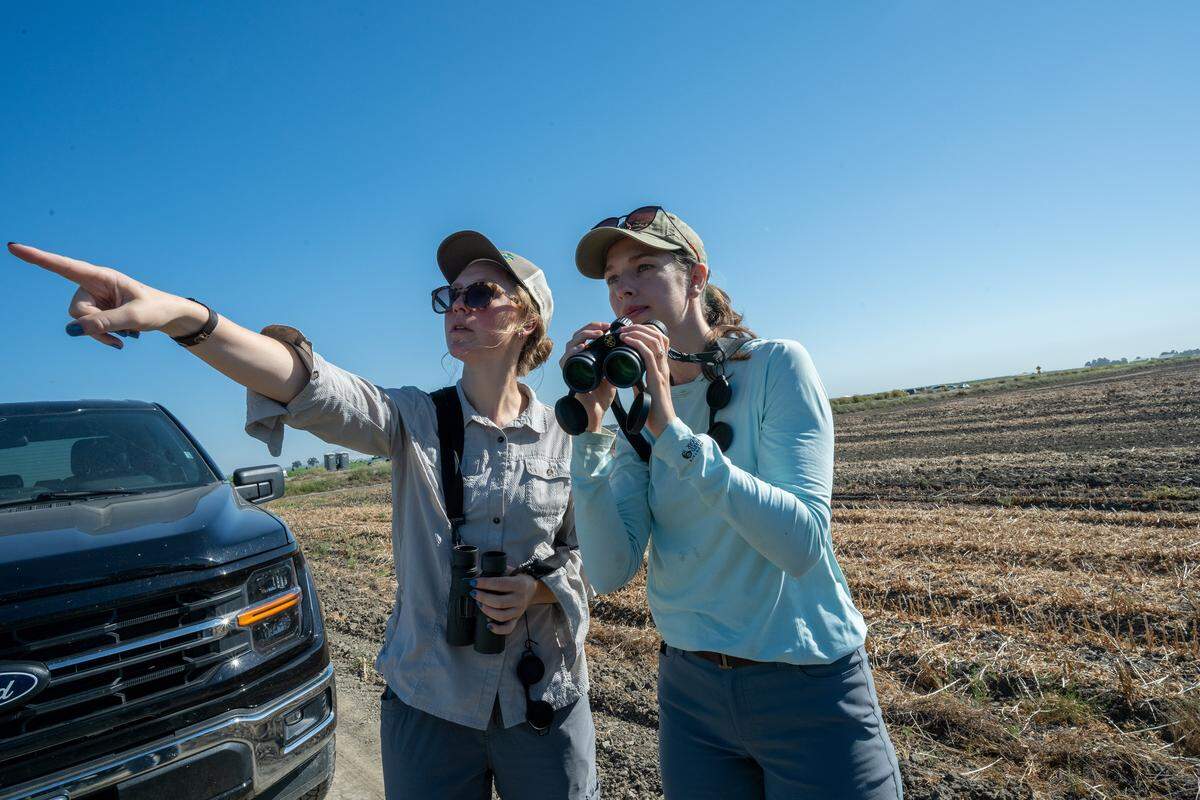
“We think that’s likely the pattern that a lot of the (long-billed dowitchers) that are spending winters in the Central Valley are taking,” said Kirsti Carr, a shorebird research fellow with Point Blue Conservation Science and doctoral student at UC Davis.
Long-billed dowitchers spend most of the year outside of the Arctic, with many either passing through or settling in the Central Valley where they forage for insects. It’s also where some molt — if they have yet to elsewhere on their journey south — swapping out their flight feathers midway through migration, which Carr described as a rarity for shorebird species.
The long-billed dowitcher has evolved to hatch their eggs in sync with an annual eruption of insects that takes place during the brief window of summer in the Arctic, Carr said. Although the climate is cold, birds have few predators there.
“Which means it’s an absolute feast for these birds when they’re trying to feed up their babies,” Carr said.
But the salad days of spiders and mosquitoes may only last a short while, with adult dowitchers wrangling their months-old babies and guiding them to warmth via the Pacific Flyway, a north-south migration route stretching from Alaska to Patagonia in South America.
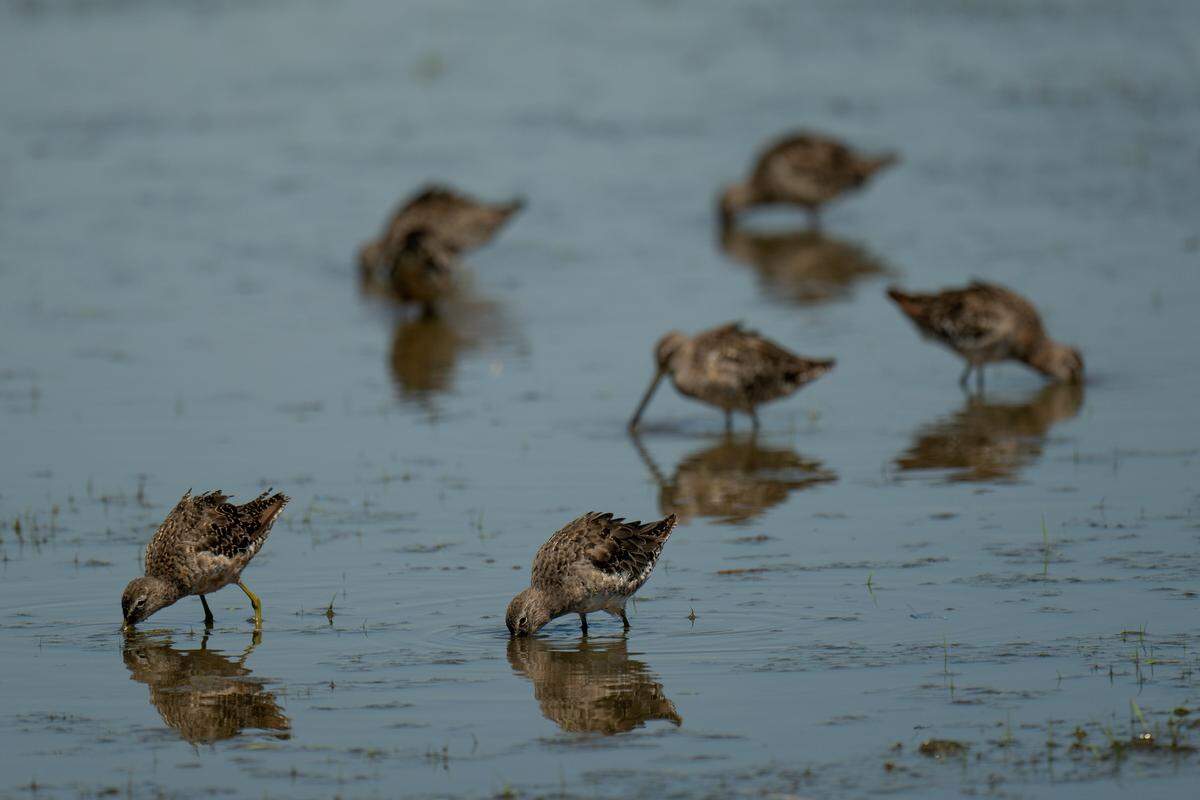
“With human development, that’s changing, and climate change, that’s changing,” Carr said. “But I think that’s what made this high cost of migration, which is a really risky and really energy intensive process in these birds’ lives, worthwhile.”
As superlative as that kind of annual trek appears for a plump little bird roughly the size of a crow, it’s the average and ordinary quality of the cycle that stands out to researchers.
Solving ‘a bit of a puzzle’
When in the Central Valley, long-billed dowitcher 541 hopped between several sites throughout its wintering months, mostly frequenting flooded rice fields, Carr said. It was also recorded in Delevan National Wildlife Refuge in Colusa County and some wetlands.
“It’s almost what’s not special about this bird, because it really shows a very typical life cycle of a dowitcher in the Central Valley,” she said.
The journey of long-billed dowitcher 541

Source: Point Blue Conservation Science, Audubon California and the Nature Conservancy California
Map: NATHANIEL LEVINE nlevine@sacbee.com
Also typical of most shorebird species, long-billed dowitchers’ population has dropped.
Twenty-six of the 28 shorebird species relatively common in North America are declining. More than half of those species have lost more than half of their population over the last 40 years, recent studies have found.
In the U.S., shorebird species have lost about a third of their population since 1980, according to the latest State of the Birds Report.
“It’s super dismal for shorebirds,” Golet said.
The winter and spring condition of flooded rice fields provides thousands of acres of habitat for migrating waterfowl, such as ducks and geese. But that leaves conservationists with a challenge of reshaping the landscape to accommodate shorebirds in the summer months leading up to harvest.
Some shorebirds, like the long-billed dowitcher, migrate much earlier than waterfowl, passing through the Central Valley as early as July, when most of the valley’s water is in rivers and reservoirs, or strategically rationed to irrigate fields, rather than flood them.
For that reason, the challenge of maintaining wetland habitat throughout more of the year — specifically the summer — runs up against the timing of modern farming. With seasonal breaks and fallow-field crop rotations, unused fields could theoretically transition into wetlands for many weeks and months of the year. But not when the fields are sewn and growing, or being prepared for planting.
“It just doesn’t match up with how the valley’s managed in terms of the flooding, because so many of the fields are still in production in late summer,” Golet said.
Most fields are in use late spring through early fall, which leaves fewer opportunities to convert them to temporary wetlands. Water involves cost and supply constraints. The valley has had good water years lately, but in drier times, farmers rely on roundwater reserves, which are more costly to tap and take time to restore.
Ideally, shorebirds would have shallow-water fields to visit in August, an occurrence more common when the species flew along the same Pacific Flyway before flood control infrastructure and modern development.
“The Valley had such a great diversity of habitat types, historically, so they could seek out those areas that worked really well for them,” Golet said of shorebirds. “It does make it a bit of a puzzle for us. With all of that being gone, how should the habitats be managed in a program like this to meet the needs of the suite of birds that we want to benefit?”
The lack of that habitat, scientists have theorized, may explain the decrease of birds.
That leaves conservationists exploring the variables that retain an element of control over the landscape, in particular, squeezing the margin of time where the late farm season and early migration overlap.
Of course, that requires help from farmers.
Farmlands to wetlands
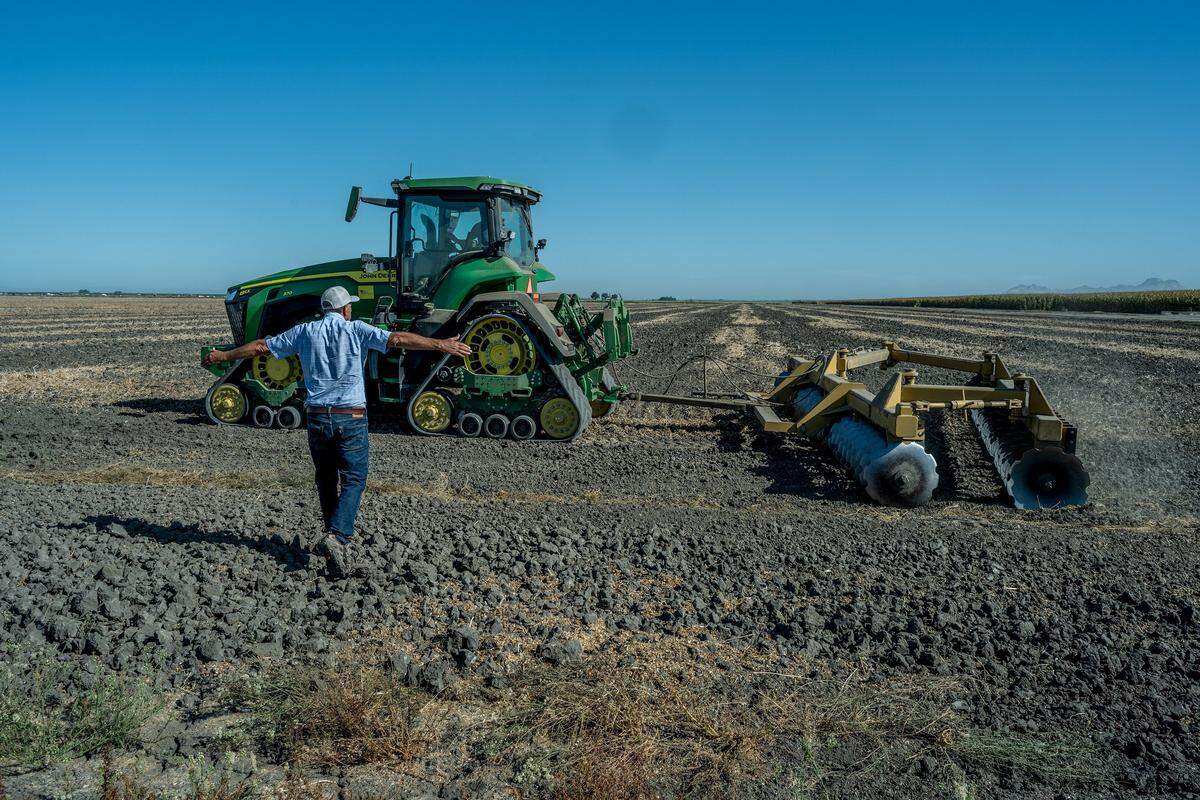
George Tibbitts mostly farms rice, but his son Carson was tilling a safflower field on one mid-August morning.
In a few more days, the 113 acres of dirt the tractor mosied over would more closely resemble a pond, not unlike the smaller flood-irrigated alfalfa field beside it. There, the crop continued to grow while white-faced ibis and killdeer birds loitered around the water.
“I guess there are certain windows they’re looking for that they feel they don’t have enough wetlands around the valley to keep the shorebirds happy,” Tibbitts said.
White-faced ibis, as pretty as their iridescent sheen may be, are not shorebirds. Killdeer, one of the few shorebirds to breed in the Central Valley, have taken to this dried-out iteration of the area so well that they’re not among the species targeted by conservationists.
But those folks are betting that a newly flooded field in that location is just what shorebirds need. In other words: If farmers flood it, they will come.
A few weeks later the field was serving its purpose.
“It’s wet and there’s lots of birds out there,” Tibbitts said this week.
Rice fields make for some of the best temporary wetland habitat. The fields generally have a gradual slope that adds diversity to the terrain that appeals to different bird species, and they are set up for flood irrigation. For the past few decades, rice farmers have taken to flooding their fields after harvest, rather than burning the leftover scraps and rice straw.
Although more expensive and labor-intensive, the practice replaces much of the Central Valley’s roughly 500,000 acres of rice with temporary wetlands during the winter, a semblance of how the land would naturally function without dams, and levees and civilization.
But those deeper water depths don’t suit shorebirds as well as waterfowl species.
Through the BirdReturns farmlands program, late-summer fields are filled with a shallow 2- to 4-inch depth, allowing shorebirds to pluck bugs from the mud beneath the water. For example, the long-billed dowitcher’s namesake descriptor is relative to the existence of a short-billed dowticher. In either case, neither of their beaks is very long.
“Because they walk on the bottom, they don’t swim around, and then they probe with their bills,” Golet said. “So they have to be able to touch the bottom and then reach with their bills into the soil, so they really seek out those very shallow, or even just muddy fields.”
But rice typically stays in the field into September, and shorebirds need wetland habitat in August. Unless a rice field is fallow that year, or harvested early, that leaves conservationists looking for other options.
Fields in the farmlands program, such as Tibbitts’ safflower field, effectively serve as temporary wetlands. But even the valley’s actual wetlands aren’t always what the name implies.
Maximizing existing wetlands
The simplicity of the term “wetlands” belies the complexity of the territory bearing that designation, which is decidedly land, ideally wet and includes a diverse spectrum of water habitat. Experts estimate that about 95% of the natural wetlands that once seasonally flooded the Central Valley are gone.
Fortunately, for conservationists, much of that land became farmland.
“When you think of wetlands, you assume they’re flooded,” said Ashley Seufzer, working lands program manager with Audubon California. “But for the majority — almost half the year — they’re not.”
“Because it costs money and it’s expensive and you have to choose to put the water out on that landscape to create habitat, and it’s not an easy or cheap thing to do,” she added. “So these incentive programs help people to flood their wetlands throughout the year.”
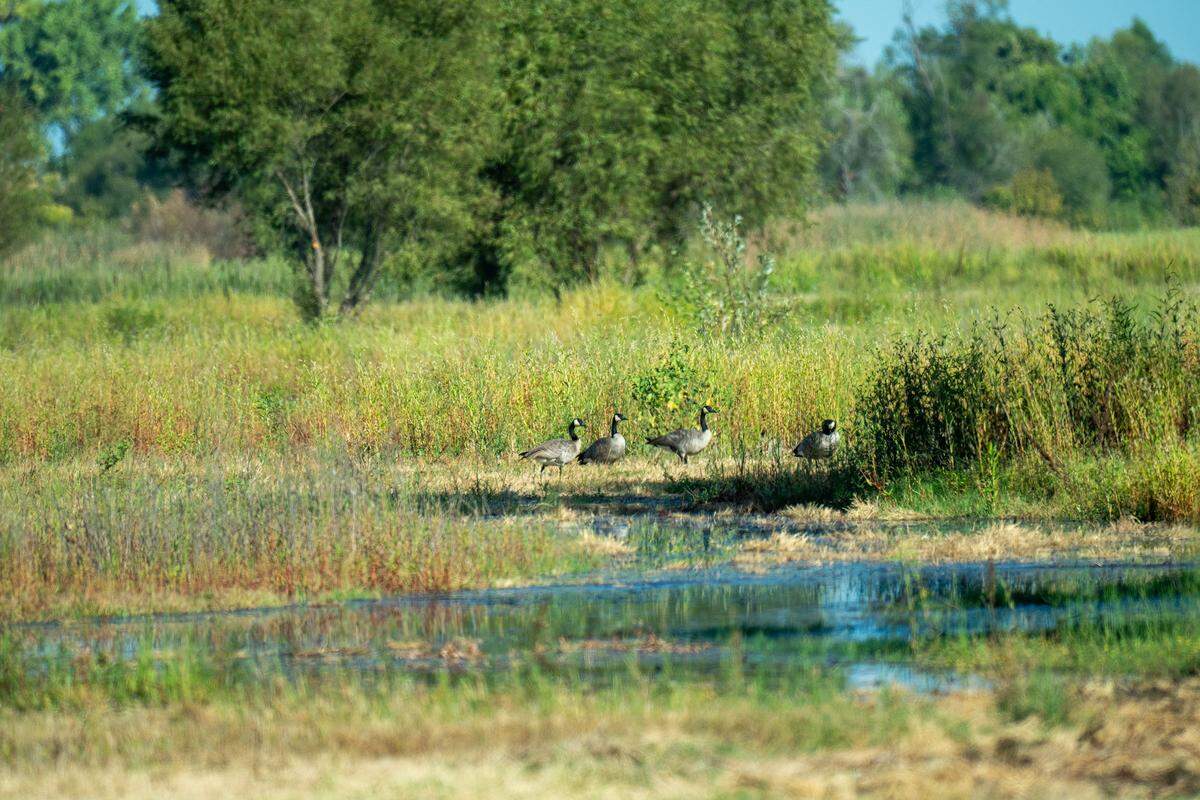
South of the Montna Farms rice fields, and dryer along Highway 99 in Sutter County, lie about 500 acres of seasonal marshland that has participated in wetlands incentive programs with BirdReturns since the program began in 2014.
“This was all 500 acres of rice,” said Jon Munger, Montna Farms president, of the Willow Slough property located in the Sutter Bypass.
But floodwater made the land unreliable to farm, and more than 15 years ago, the farm sought an easement to convert the property to wetland.
The nature of the terrain mostly suits waterfowl, and serves as a base for duck hunting in the winter. Farm workers convert the land to brood habitat during nesting season and maintain semi-permanent wetlands the rest of the year.
“Almost anything that’s in the Pacific Flyway we see out here in a given year,” Munger said. “Depending on the water depths that we have, you’ll see the migrating shorebirds that are coming through here.”
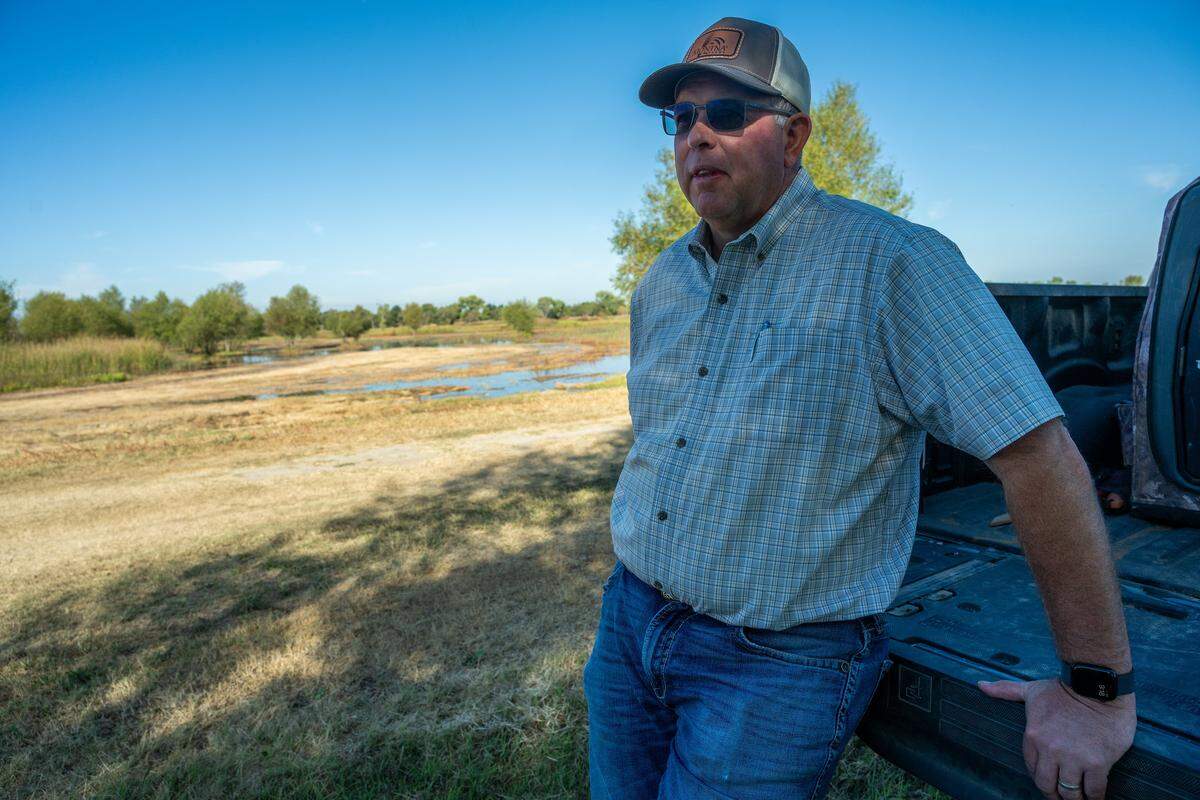
Wetlands, unlike the rice fields the land had once been, don’t make money and are expensive to maintain.
The farm worked with Ducks Unlimited for a different conservation easement applicable to its rice fields, and was an early adopter of post-harvest flood practices to decompose rice straw left over from harvest.
“What it did was it created all of this habitat in the Pacific Flyway for migrating ducks, geese,” Munger said. “What we’re learning in the most recent few years is that a lot of migrating shorebirds are using those rice fields.”
Rice fields are dry for about two months in the spring to plant, and two months in the fall to harvest. Otherwise, they’re under water. Adam Paul, Montna Farms operations manager, said that within minutes of pouring water into the dry fields, various species — birds, frogs, cranes — start to appear.
“This land has come alive, it truly has,” he said. “That’s a pretty amazing thing.”
Were the Central Valley filled with pavement and industrial plants, rather than fields and farms, the missing wetlands would have greater consequences for its ecosystem. But when it comes to restoring that habitat, there’s a compromise to be had among stewards of the land and Mother Nature.
‘The birds show up’
An image of an American avocet bird marks the front of Kurt Richter’s Butte Creek Farms hat, but he said his Colusa County fields mostly draw sandpiper, killdeer and dowitcher.
On a mid-August morning he walked beside a cleared-out field of more than 30 acres where tomatoes had grown, as water slowly poured in at an imperceptible pace. In a few days a thin sheet of water and mud would cover the area.
“I’ve never done this on a tomato field so I’m not quite sure what to expect,” he said.
He’s participated in winter incentive programs offered by BirdReturns, but this was his first summer converting farmland into temporary wetlands. That day, a lone killdeer was spotted in the field, poking around the mud. But Richter was sure that more would join once the water blanketed the field.
“The birds show up,” he said.
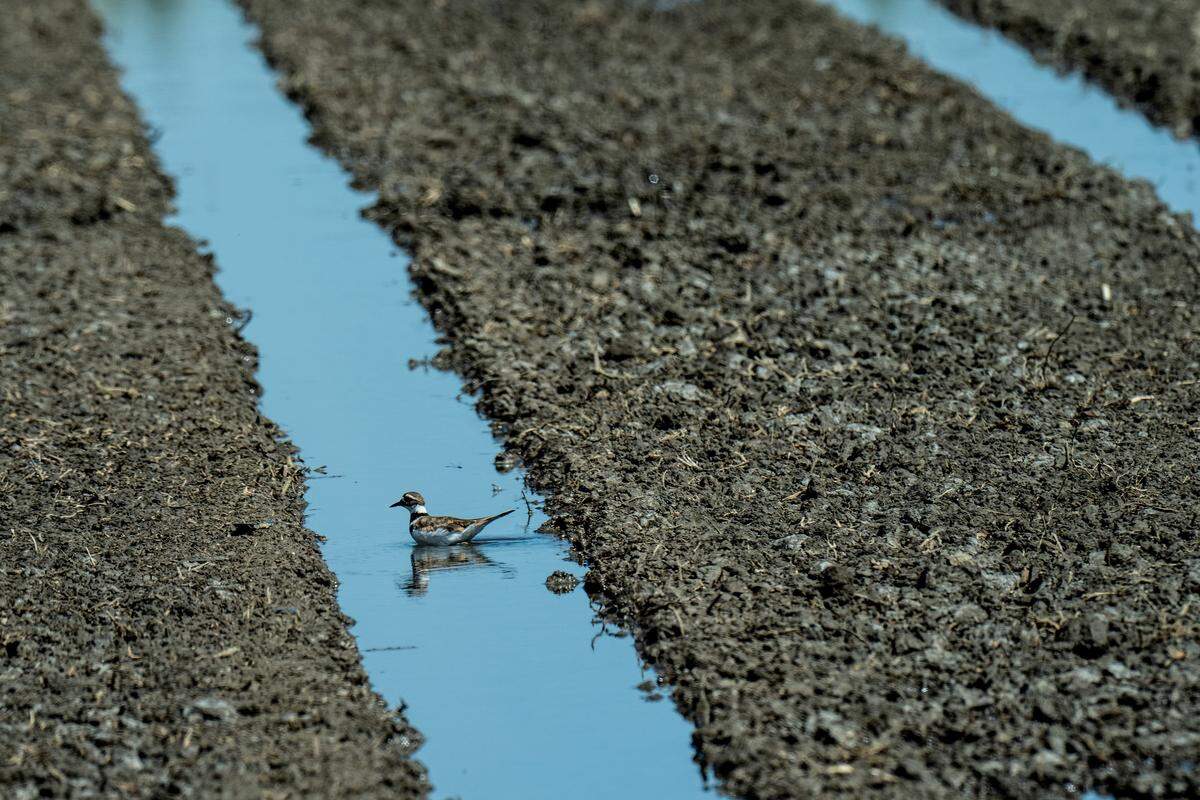
The leveled row-crop field would lack the incremental water depths that occur in a sloped field, he said, but patches of dirt elevated by the tractor’s movements offer shorebirds islands of different habitat throughout the field.
“They utilize this space the way that all the scientists say they do,” Richter said. “I see it play out in real life, it really does work that way.”
Through the program Richter learned a process of tilling small pieces of rice straw into the ground to mix with the mud while the water covers the field. He sometimes uses it even when not getting paid to flood his fields.
“There are different schools of thought on this of course, but I’m of the opinion that the flooding process is a very natural process,” he said. “It provides multiple benefits to wildlife, groundwater recharge — something outside of just my little bubble.”
He has farmed the Colusa County property for 13 years, and participated in wetlands incentive programs intermittently throughout, depending on whether a given bid was accepted.
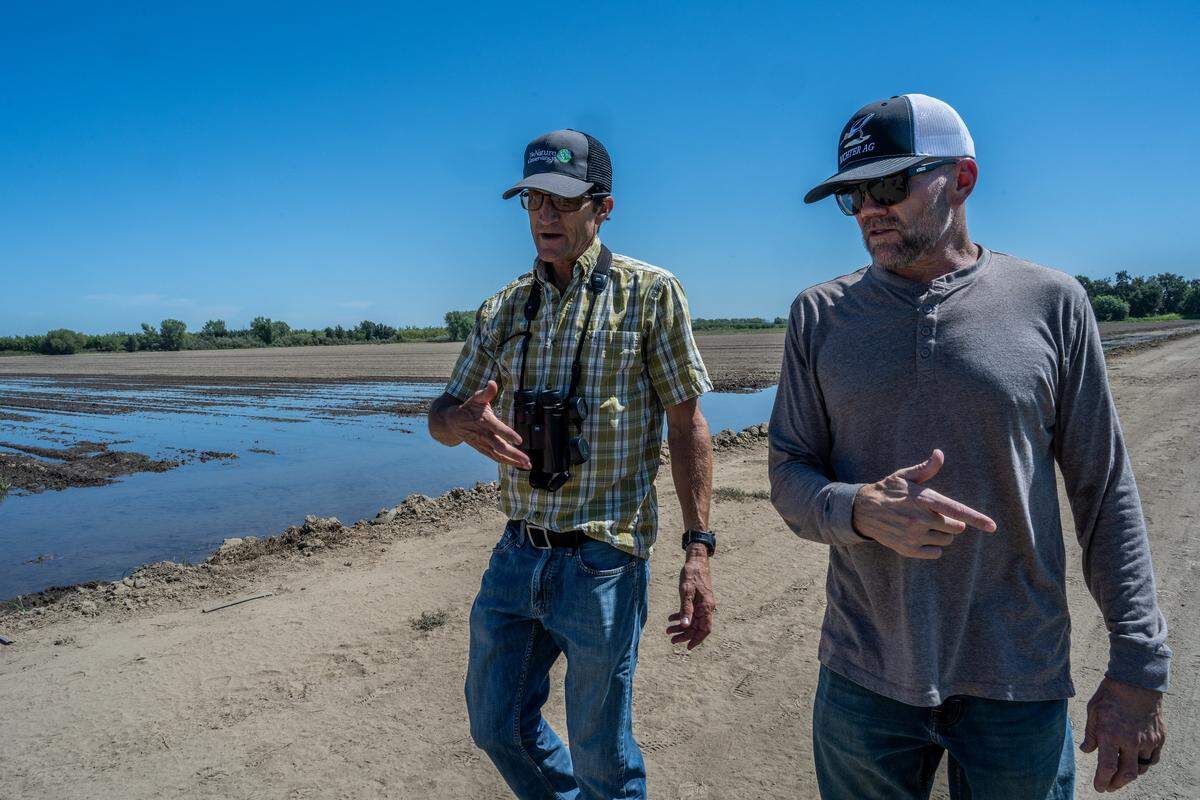
Generally, the money paid to farmers covers the cost of water and prepping the field, which goes a long way.
Pressures in the farm economy may draw more growers to seek similar incentive programs, Richter said, noting the strong attendance of an informational meeting hosted by The Nature Conservancy in August.
“That tells me it’s getting tough out there and farmers are needing every opportunity they can to save some money,” Richter said, “or getting something they need to pay for, paid for in another way.”
Farm economics: ‘not good’
Measuring risk, and embracing or mitigating it as needed, is as old as farming, an industry often dependent on bankers and wholesalers whose sides of the bargain are not forgiving of nature’s whims.
“Farming is really not good,” Tibbitts said. “Frankly, that was another reason for participating in the program, another small revenue source to make up for the fact that crop prices are so low.”
For Tibbitts, and the safflower field he flooded in anticipation of passing shorebirds, agreeing to the terms of the five-week program comes with a degree of risk.
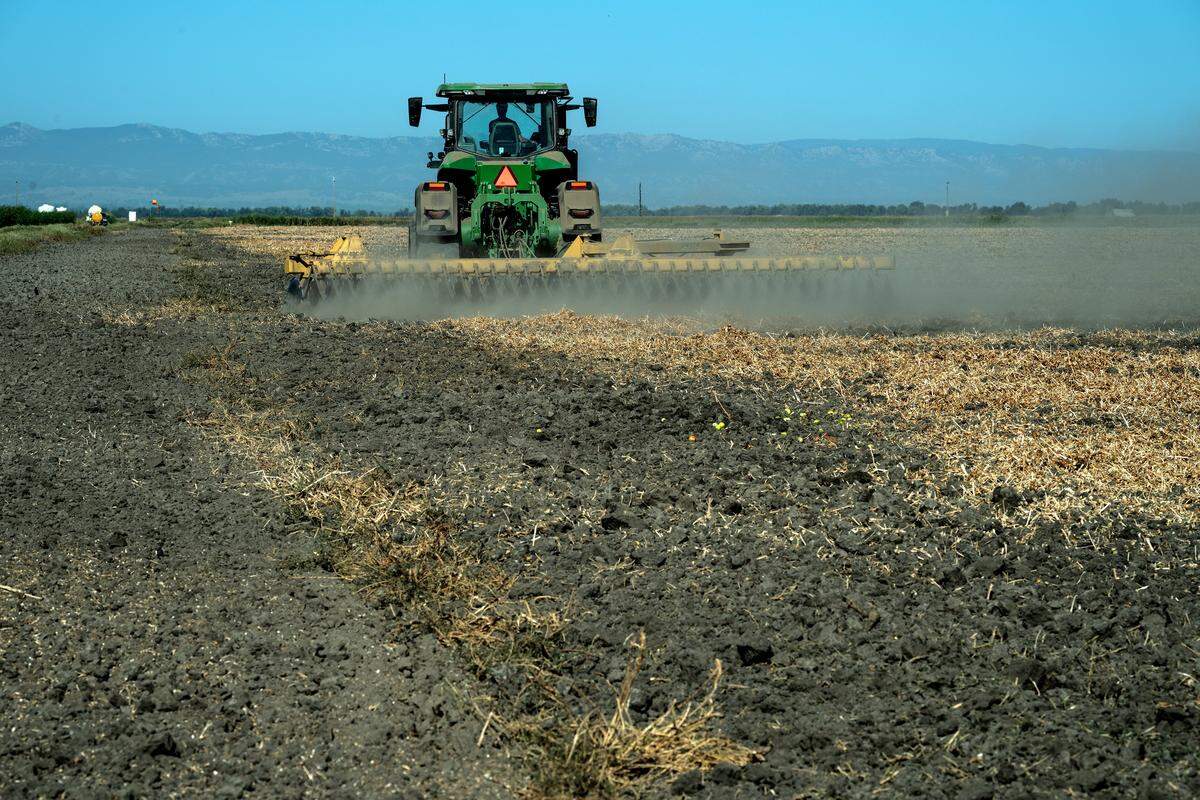
Tibbitts doesn’t farm tomatoes, but tomatoes are slated to grow next in the field he flooded. The farmer who does farm tomatoes, and leased that field from Tibbitts, however, is leery of making beds for his tomatoes in October after water covered the soil for more than a month.
“He fears that it’s not going to dry out,” Tibbitts said.
Recent years have been hard on farmers, validating the pursuit of additional ways to save or make money from their land.
“I definitely would not — as much as I like birds — I wouldn’t be doing this, wouldn’t be taking that risk, without compensation from The Nature Conservancy,” Tibbitts said.
Farmers submit bids to participate in a given season, and take on the costs of the work and water needed to flood the field. Tibbitts would not name the price of his accepted bid, due to the competitive nature of the process.
For other wetlands-centered programs, BirdReturns pays a fixed rate per acre, depending on certain criteria. The organization had a roughly $1.2 million budget for this year’s late-summer farmlands program, according to its website, with a goal of converting 40,000 acres.
The bids are ranked and scored by the Migratory Bird Conservation Partnership — a consortium of the partnering wildlife agencies — and the California Department of Fish and Wildlife, with earlier start dates and more competitive bids viewed favorably.
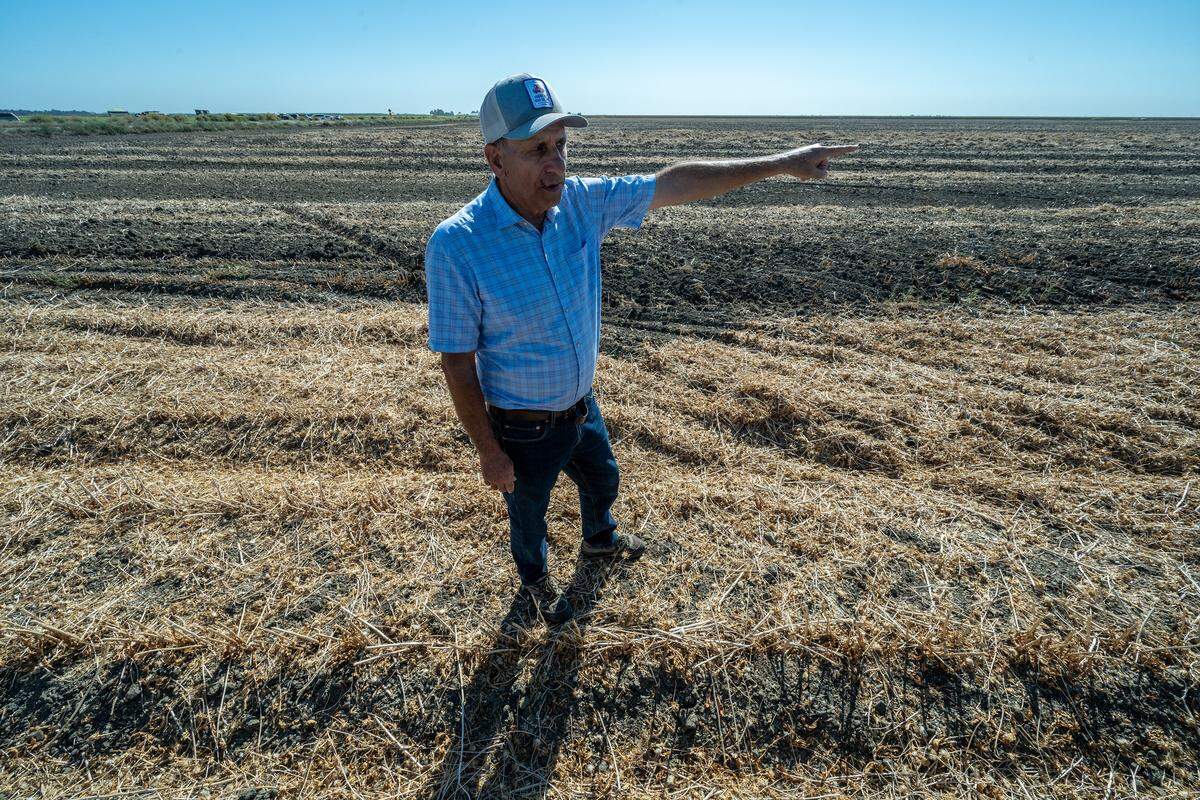
Before turning on the water for the field, the foreman of Tibbitts’ farm fretted building a makeshift levee to keep the water from running too deep at the field’s lowest point.
Ideally, he would build a few levees to more precisely control water depths, but the process of building even one levee could disrupt the drip tape irrigation system embedded in the field, which would cause more headaches for Tibbitts and his anxious tomato lessee.
“It’s not lucrative, but it will more than cover my costs and compensate for the risk that we will incur if we can’t plant tomatoes here,” Tibbitts said.
Watching and waiting for birds
When Stallworth and Patrick Carr tour the flooded farmlands at this point in the season, the front-end work and considerations that farmers make are covered by water, which, ideally, is covered with birds.
The field crew coordinates with landowners, making sure the water is shallow and the habitat is suitable. Perhaps most importantly, they identify and count the birds.
Some of the participating farms have already phased out of their five-week commitments. Stallworth and Carr have about 40 active fields in the program to monitor, with September here and more shorebirds entering the Central Valley each day.
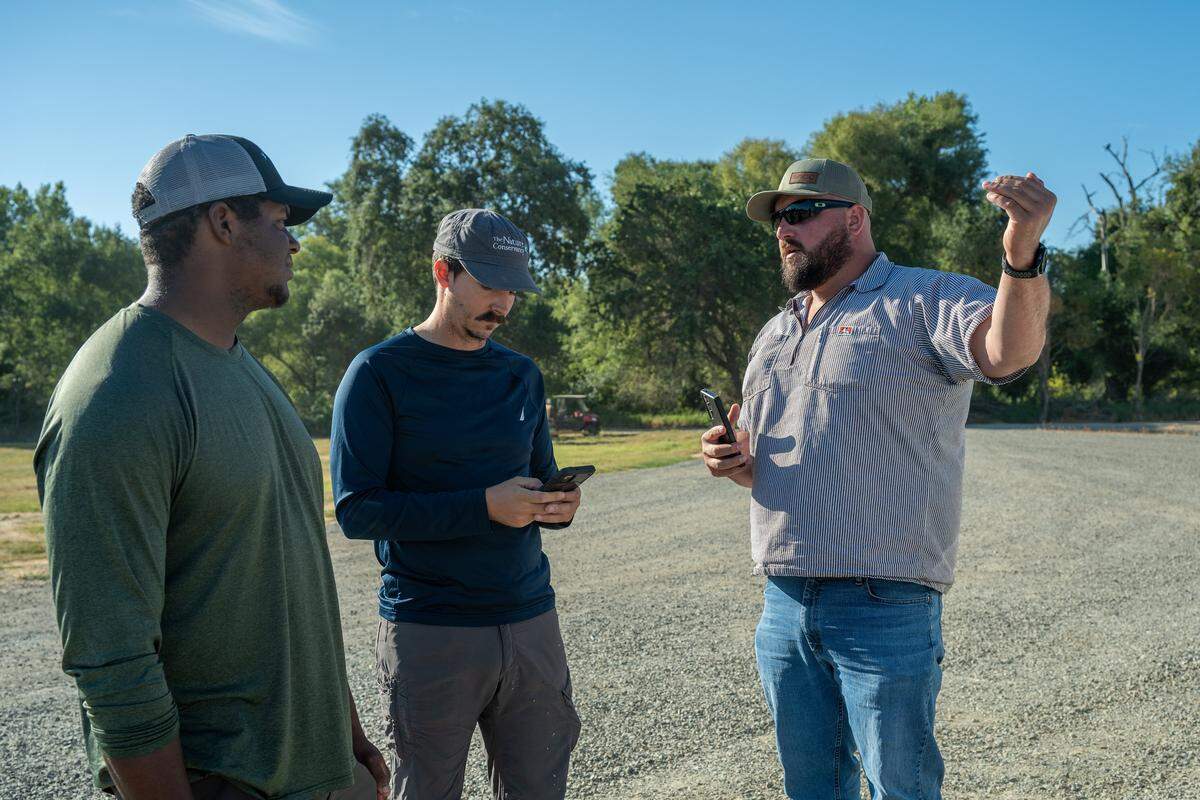
“We show up to the fields, do our prep and literally watch the whole life cycle of the field from the prep to the flood-up to watching it actually be utilized by the birds,” Carr said. “We become attached to certain fields because of how productive they’ve been.”
The field along Highway 45, where Stallworth spotted the black-bellied plover last month, serves as a quintessential example of what the program seeks to accomplish: early-arrival shorebirds of various species finding a place to stay along the Pacific Flyway.
Weeks of driving around the Central Valley, darting between muddy fields not unlike the very birds they were hired to monitor, has reinforced to Carr and Stallworth how much available habitat remains.
“It really puts us in that mindset of what it used to look like prior to human interventions,” Carr said.
They follow the birds and the work. But the birds migrate in a cycle, making their whereabouts, more or less, predictable in a way that’s unlike an avian career.
“For the birds, they do this every year,” Stallworth said. “And this is just a stopping point for them. But they know where they’re going to be and they know where they need to go.”
Stallworth, from Indiana, savors his cross-country moves, seeing them more as a destination, even in his often seasonal line of work.
“But for the birds, that’s just how their life goes,” he said. “They ebb and flow. These journeys are much more normal for them. It’s just how they live.”
“I love birds so much that it’s all exciting to me,” he added. “I’m happy just doing the work, wherever that takes me.”
For Carr, a new season yields a new adventure.
“In various positions that I’ve held, we’re very tied to breeding monitoring, so you watch these birds go through the entire life cycle, from finding a place to build a nest, defend from predators, watch the young hatch and raise and fledge right before you,” he said.
“It’s a very romantic thing and you get emotionally involved in it. They go through everything and once the work winds down, you move on. So it’s very bittersweet.”
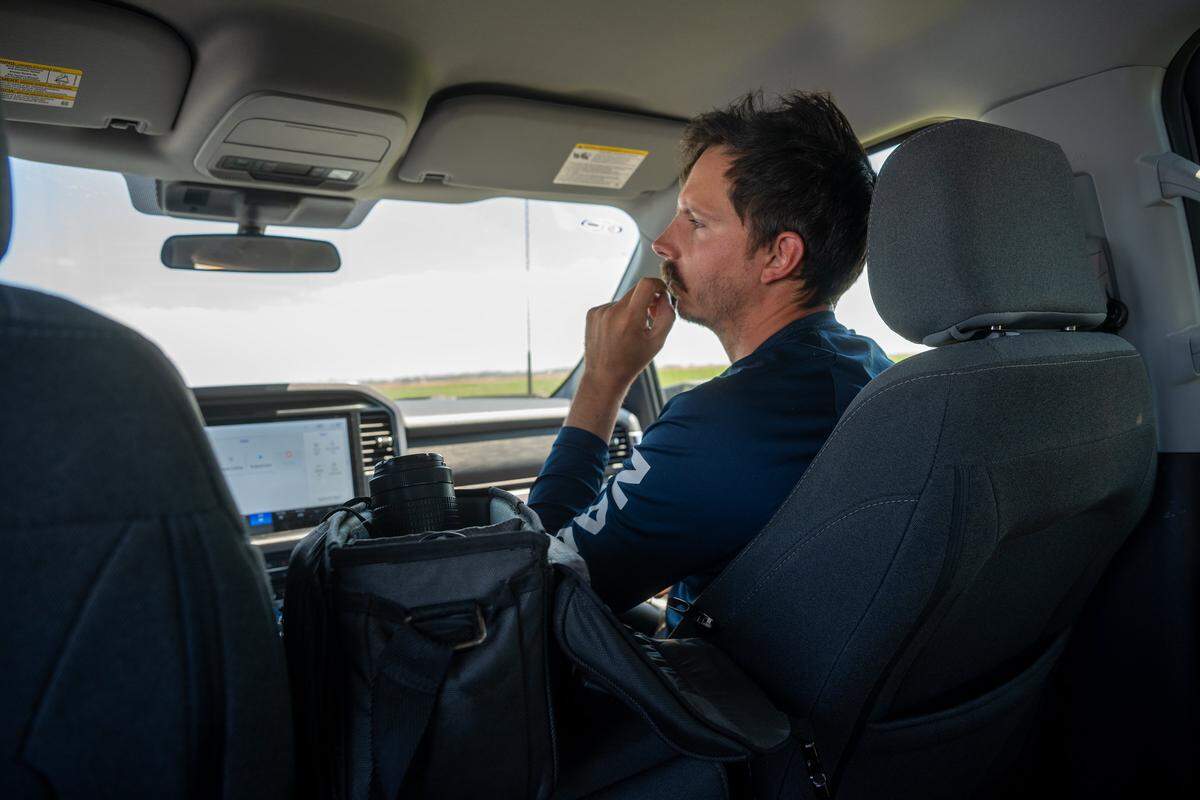
This time, the life cycle of the land, and the unlikely collaboration of landowners and conservationists, bird watchers and farmhands, provides a similar, albeit less intimate, corollary.
“They live this almost adventurous life cycle,” Carr said of birds. “I’ve never been one to be held down in one place. I see myself as relatively nomadic, and I see birds in the same way. I feel like we learn a lot about ourselves in watching them.
Something happens to a bird-lover’s voice when they start to talk about what they do, or why they do it.
You may recognize it as a calmness, less of the voice itself and more of the mind. They tap into a part of their lives that’s full of humble certainty and experience.
These birders see the world differently: Floodplains and water where there are farmlands and homes; an ecosystem of science and history happening over our heads and below our feet each day. Above all else, they see a compromise between modern convention and the way things were, uniting farmers and conservationists at the nexus of their mutual interests, which, it turns out, have quite a bit of overlap.
The Central Valley tapestry of wetlands that the birds — long-billed dowitchers, plovers and sandpipers among them — once knew forever changed. And it continues to change, sometimes resembling the way it was.
.JPG "SAC_1457_RCB_20250822_birds (1).JPG")