Sacramento’s Mexican Independence Day has smaller crowd amid immigration fears
AI-generated summary reviewed by our newsroom.
- El Grito celebration in Sacramento shrinks amid immigration enforcement fears
- Some organizers cite political climate for scaling back traditional music and vendors
- Community leaders stress cultural pride and resilience during heritage events
Though smaller in size, Sacramento’s decadeslong El Grito celebration at the state Capitol carried added significance for the region’s Mexican community as the federal administration continues its immigration crackdown.
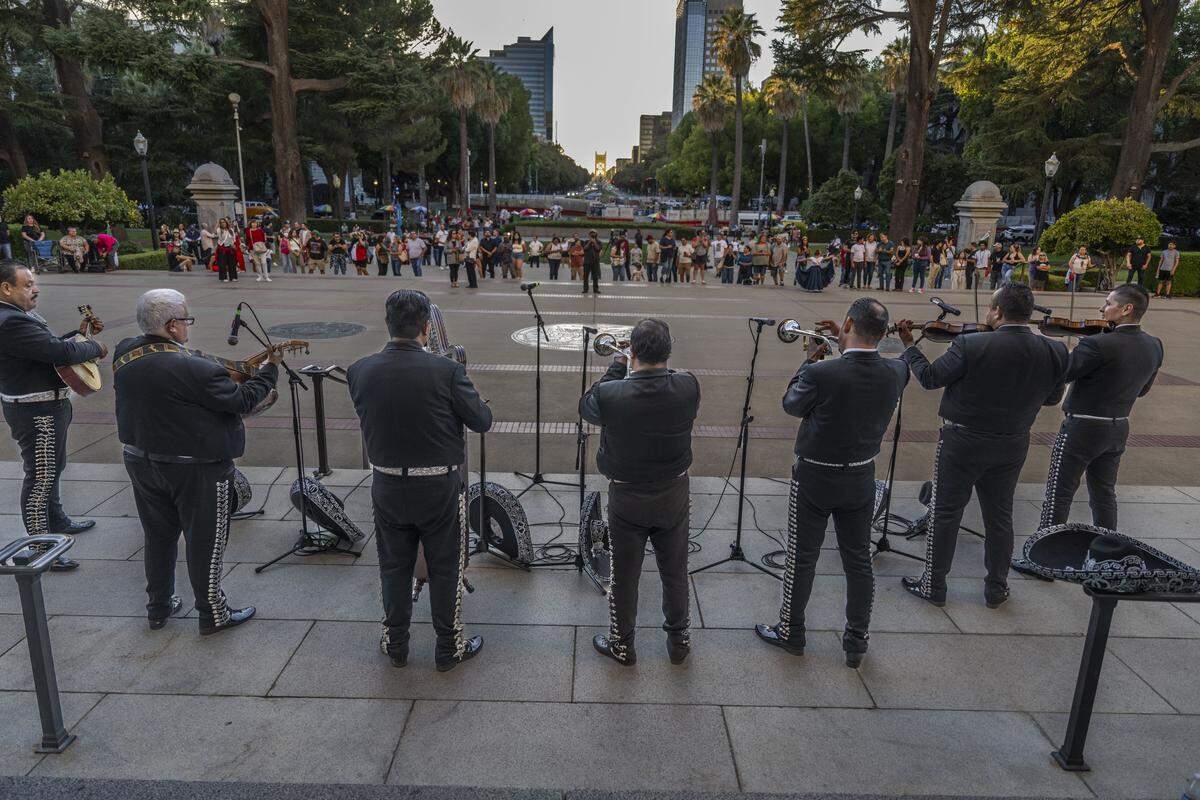
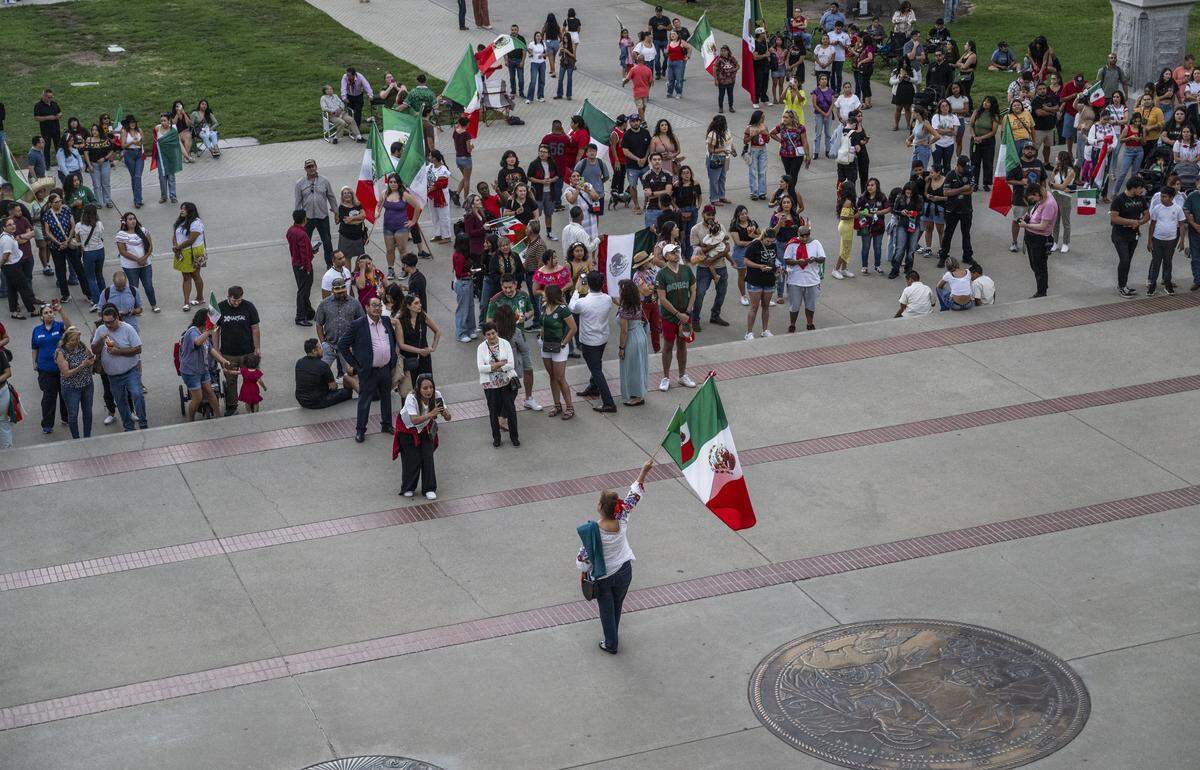
The celebration on Monday night drew about 250 people — from grandparents waving Mexican flags to infants dressed in green and red attire — who chanted, sang and took pride in their country’s Independence Day. The annual event commemorates El Grito De Dolores or the Cry of Dolores, the ceremonial marking of Mexico’s independence from Spain.
This year’s celebration was far smaller than in years past, when organizers estimated up to 7,000 attendees. The festivities follow months of increased immigration enforcement under President Donald Trump. U.S. Immigration and Customs Enforcement has deported nearly 200,000 people during the first seven months of Trump’s second term, according to reporting last month from CNN.
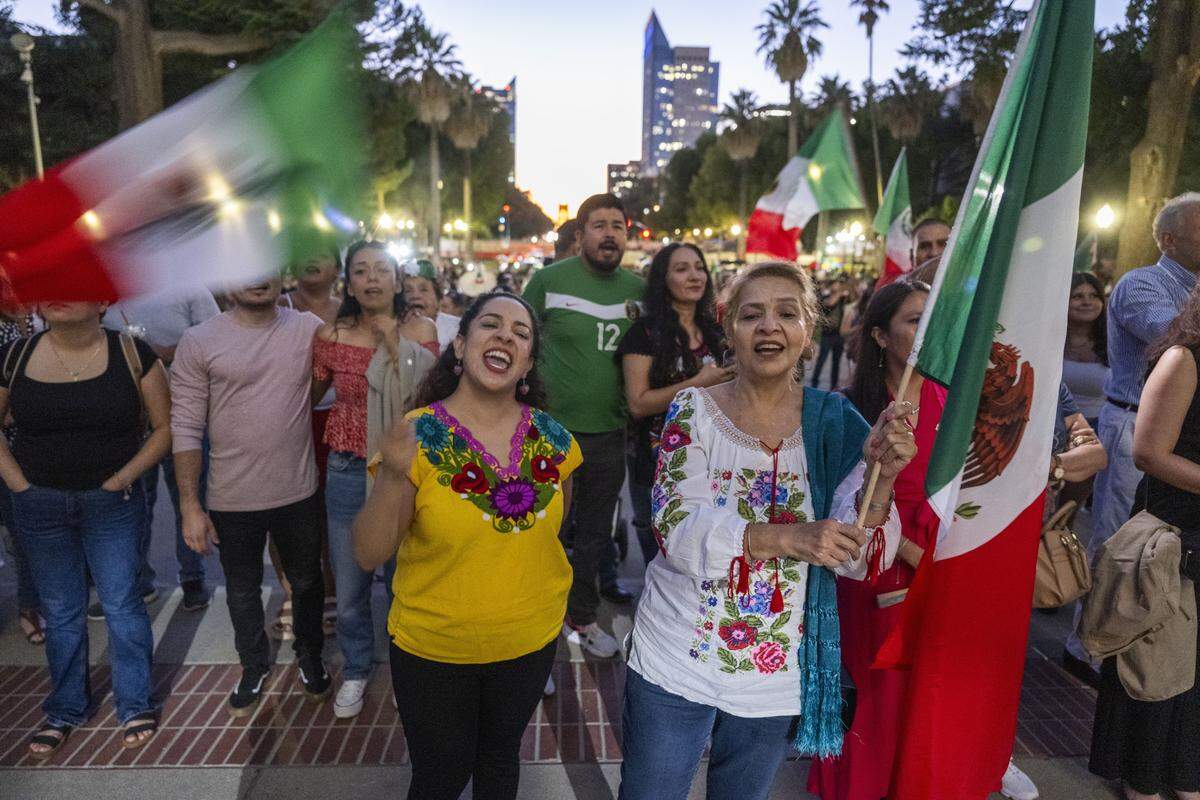
Earlier this month, the Mexican Cultural Center of Northern California — which typically organizes the event — announced the celebration would be scaled down “due to the political climate” and concerns for the community. Unlike in previous years, the festivities would not include dancers, booths or vendors.
Still, for many in attendance, the importance of showing up and celebrating tradition outweighed the absence of the typical festivities.
“This is not time for hiding,” said Christian Tonatiuh González, the consul general of Mexico in Sacramento. “This is time for showing our pride. This is time to give to our community what they need: pride, honor and dignity.”
González led this year’s ceremony from the west balcony of the Capitol.
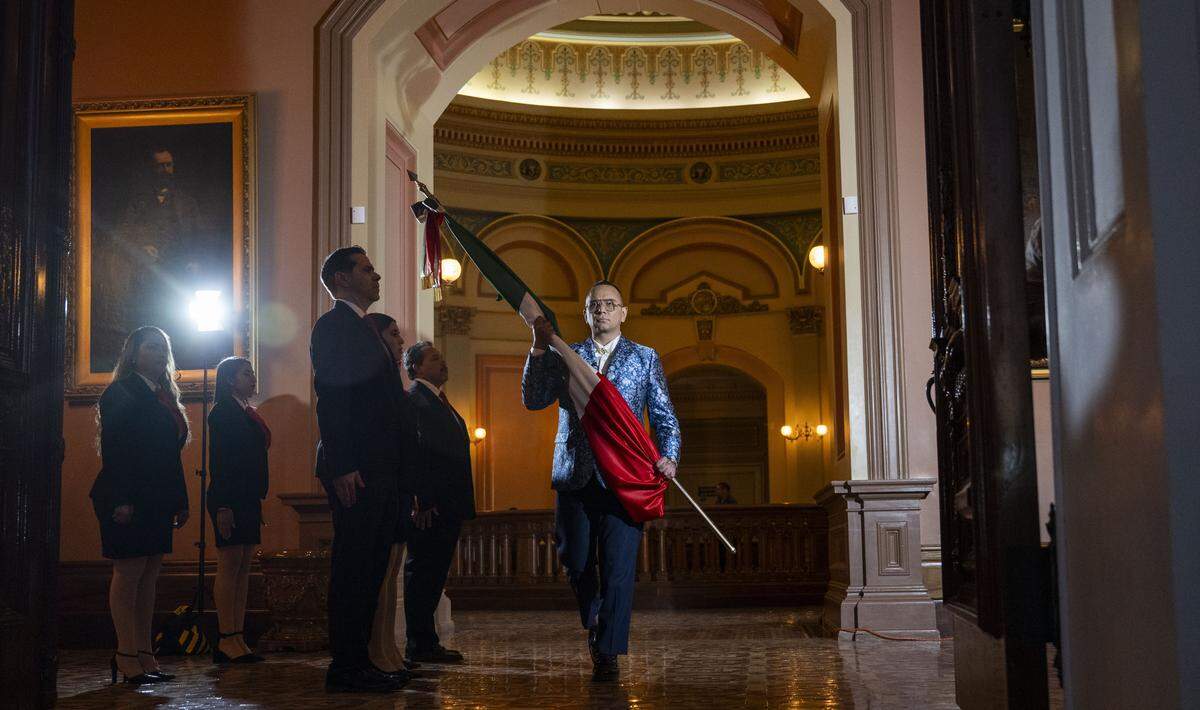
Like in major cities across Mexico and the U.S., González received the national flag and then repeated the words of Mexican priest and icon Miguel Hidalgo y Costilla on Sept. 16, 1810. He ended the speech by shouting “Viva Mexico” three times.
Below him, hundreds of people echoed the call before singing the Mexican national anthem with their hands placed on their chest. Afterward, they danced and sang along to Vicente Fernández songs played by a local Mariachi band.
Among them was Gustavo Landeros, a Dixon resident who has celebrated Mexican Independence Day at the Capitol for 14 years. In recent years, he has brought along his three young children — ages 9, 3 and 2 — to teach them about their Mexican roots.
His two sons wore Mexican soccer jerseys on Monday night, while his oldest daughter donned a traditional dress.
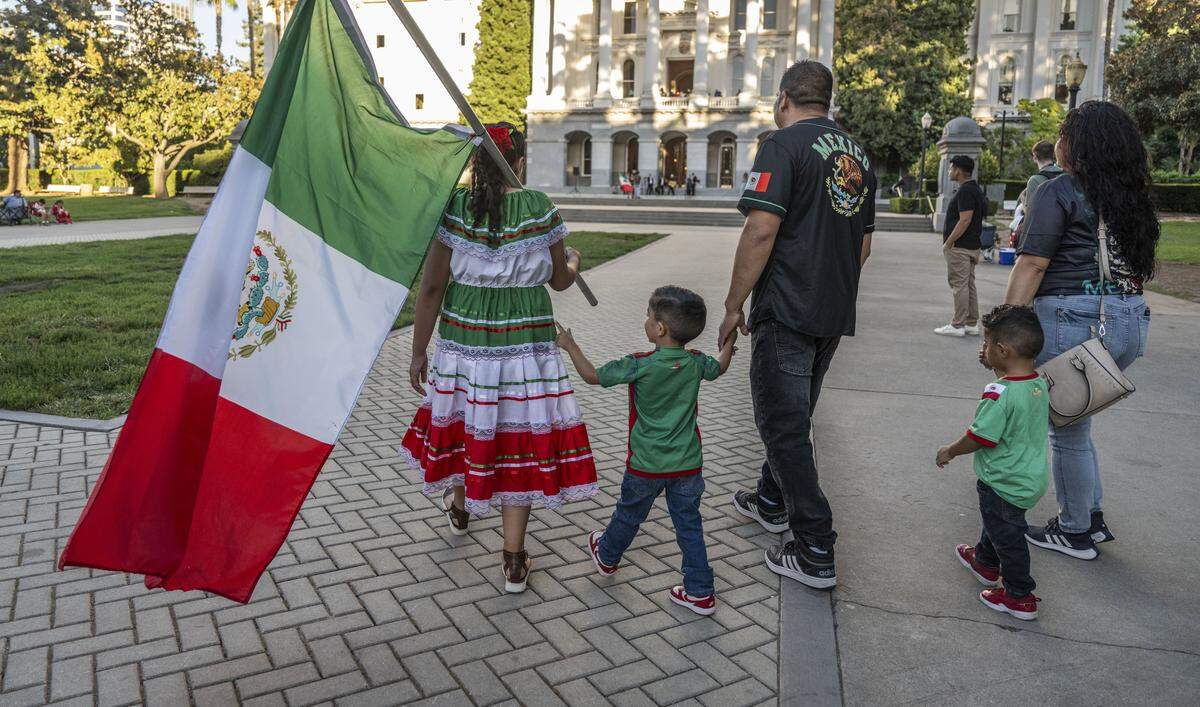
“We need to show our culture to our children,” Landeros said. “We need to show them where we come from and the stories of our national figures.”
Others including, longtime Sacramento resident Richard Alcala, viewed the festivities as an act of defiance against the current presidential administration. Alacala, whose parents originate from Jalisco, Mexico, said he remains proud of both his American and immigrant heritage.
“We are not afraid,” Alcala said. “We’re here determined to celebrate and we’re not going anywhere.”
Monday’s celebration coincided with the independence day of several Central American countries, including El Salvador and Honduras, and the start of Hispanic Heritage month. Gov. Gavin Newsom and his partner, Jennifer Siebel Newsom, released a video Monday acknowledging the Latino community’s importance to California and condemning federal immigration arrests.
“Right now, the federal administration is targeting, targeting your community,” the governor said. “Raiding workplaces and separating families. You do not deserve that. This is your home and we’re proud to have you here.”
Sacramento City Councilmember Eric Guerra said public celebrations like El Grito are crucial to helping the immigrant community feel supported and make them less likely to be singled out by enforcement. Sacramento recognized the Mexican tradition with several events across the region, including in Natomas and South Oak Park.
“We can’t be reckless, but we also have to be supportive and show the message to the federal administration that this is part of our culture, and we can’t hide for the next three years based on their attempts at scaring California,” Guerra said.
This story was originally published September 16, 2025 at 7:00 AM.