
Sacramento County agency will fold, officials say. Students could lose services
AI-generated summary reviewed by our newsroom.
- Access Sacramento and SECC face budget cuts, risking layoffs.
- Cable Commission delays 2025–26 budget vote to December amid community outcry.
- Declining cable revenues jeopardize funding for public media.
Since 2016, revenue streams for two Sacramento nonprofits have steadily declined, prompting these organizations to begin explore solutions for new funding methods.
The budgets for Access Sacramento and the Sacramento Educational Cable Consortium are largely sustained with money from the Sacramento Metropolitan Television Cable Commission, a government agency which receives dollars from cable providers.
Despite the nonprofits’ planning, leaders at Access Sacramento and the Sacramento Educational Cable Consortium were caught off guard after learning last week a budget proposal by government officials shaved off more than 35% of its respective budgets, leading to potential layoffs and shuttering projects on short notice. Each organization offers equipment for students or community members to learn about media production, many of whom emotionally described the services as life-changing work offering a chance at expressing their core identities.
“To cut us off at the knees, it’s not a swan song,” Donna Girot, executive director of Access Sacramento, said in an interview. “It’s a swan beheading.”
Commissioners voted Wednesday to postpone approving its 2025-26 fiscal year budget, siding with nearly 50 speakers who requested the agency either pause voting on the proposed budget or reject it. The vote, pushed to December, offers public media organizations time to determine how to grapple with dwindling dollars.
However, the action jettisons tough decisions down the road. The cable commission will not exist in a few years as revenues steeply drop, said Rancho Cordova Mayor Garrett Gatewood and member of the cable commission.
“This commission is going away, regardless of if I want it or not,” Gatewood said.
In the 1980s, cities and the county banded together creating the Sacramento Metropolitan Television Cable Commission to oversee cable companies installing wire on public lands, said Sue Buske, said president of The Buske Group, who has been working with local governments and community media for 45 years.
Cable providers also paid money to the commission for building on areas owned by taxpayers. A part of that money is earmarked for public education, government equipment and facility purposes, or PEG funds. Organizations such as PBS’ KVIE, NPR-affiliate Capital Public Radio, Access Sacramento, Sacramento Educational Cable Consortium and faith-based television station Sac Life once all received money.
Revenues from cable companies steadily climbed until 2016, then money began to plunge, aside from a spike during the COVID-19 pandemic, according to a graph from commission staff. Residents’ entertainment habits switched to streaming platforms, public speakers said.
The PEG funds for each organization showed sharp declines. KVIE could lose more than $100,000 from this pot of money, according to the budget.
The budget for Access Sacramento dropped to $32,890 starting this summer from $134,578 in the last fiscal year. It provides residents with media equipment to record podcasts and create videos, televises local high school football games, hosts a film festival and more.
The budget for the Sacramento Educational Cable Consortium plunged to $107,014 starting this summer from $236,192 last year. The organization, which provides school districts with media equipment, actually spent $134,578 in the previous fiscal year.
A large swath of seemingly disparate community members arrived to provide a comment Wednesday, which lasted for more than two hours: Topo Padilla, a well-known bail bondsman; students; a teacher in Galt; the chair of the Sacramento Libertarian Party; members of a faith-based group. A speaker even read a letter he said was from the El Dorado County Sheriff Jeff Leikauf in support of the public media organizations.
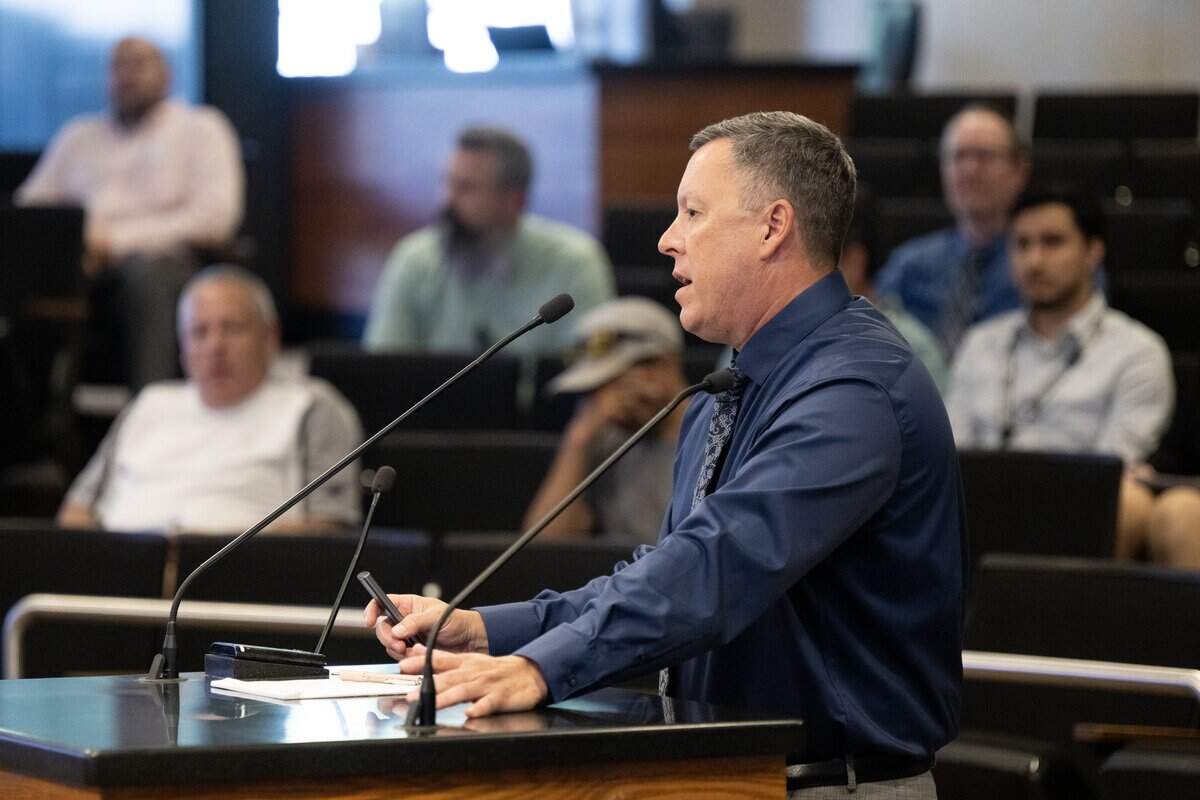
All these community members, who became emotional at times, united over using video, production or podcasting equipment provided by Access Sacramento.
Services by both Access Sacramento and Sacramento Educational Cable Commission also acted as a lifeline, speakers said.
Doris Conklin, hooked to beeping monitors, longed to watch her son graduate from high school. Her adverse health after a heart attack confined her to a hospital bed, said her son Nick Conklin, who works for the Sacramento Educational Cable Commission.
“The pain of missing that day was almost as heavy as the illness itself,” he said during public comment.
But the Sacramento Educational Cable Commission livestreams high school graduations. So Doris Conklin watched with tears in her eyes as her son jumped into the next chapter of her life. The hospital walls faded away and she connected with her family, Nick Conklin said.
“How many other families will lose these precious moments?” Nick Conklin asked.
Ryan Brown, the chair of the cable commission, said he supported postponing approving the final budget to find a solution to these budget woes.
But, he added, pushing out a budget approval to December is little time to pinpoint a solution. He doesn’t know how quickly revenues will decline.
“This is black and white numbers on the paper,” he said. “We are just about out of money.”