
Sacramento County developments of ‘enormous concern’ to Sutter County’s growth
AI-generated summary reviewed by our newsroom.
- Sacramento County paused approval of Upper Westside after public opposition.
- Sutter County warns proposed projects may violate Natomas Basin conservation deal.
- New builds could reduce land for Sutter Pointe and strain regional mitigation plans.
A new housing development spearheaded by Sacramento County could add thousands of homes and residents just outside of Sacramento’s city borders, affecting land with conservation protections in place while raising concerns from officials and residents in the capital.
But the project — and two more down the pike — may also prove detrimental to decades of planning by Sutter County, adding hurdles while restricting the scope of Sutter Pointe, a decades-long housing plan just north of the Sacramento County line.
With pressure mounting in Sacramento against the county’s proposed Upper Westside Development, officials in Sutter County have raised issues with two similar Sacramento County projects in earlier stages of approval.
“It would be a substantial conflict with the Natomas Basin (Habitat Conservation Plan) and is of enormous concern to Sutter County,” reads a letter from Sutter County to Sacramento County, regarding the Grandpark Trails and Grandpark Southwest plans, both of which are in earlier approval stages than the Upper Westside Development.
In addition to infrastructure, city planning, schooling and other practical concerns, Sacramento County’s plan would also step on a decades-old agreement struck between Sacramento, Sutter County and the Natomas Basin Conservancy.
The deal, the Natomas Basin Habitat Conservation Plan, laid out arrangements for developing a portion of the nearly 54,000-acre Natomas Basin, which runs from north of the city into southern Sutter County, while preserving the rest of its land.
Sacramento County was not party to the conservation plan struck between Sacramento and Sutter County more than 20 years ago, but it had previously agreed to allow the capital city to lead development of the north-county land near the Sacramento International Airport, according to previous Bee reporting.
After backlash from Sacramento residents and city officials, who have raised unanswered questions about how the county will provide utility and public safety resources for up 25,000 new residents, Sacramento County last month paused further approval of its Upper Westside project, postponing its vote after receiving a letter from Sacramento Mayor Kevin McCarty opposing the plan.
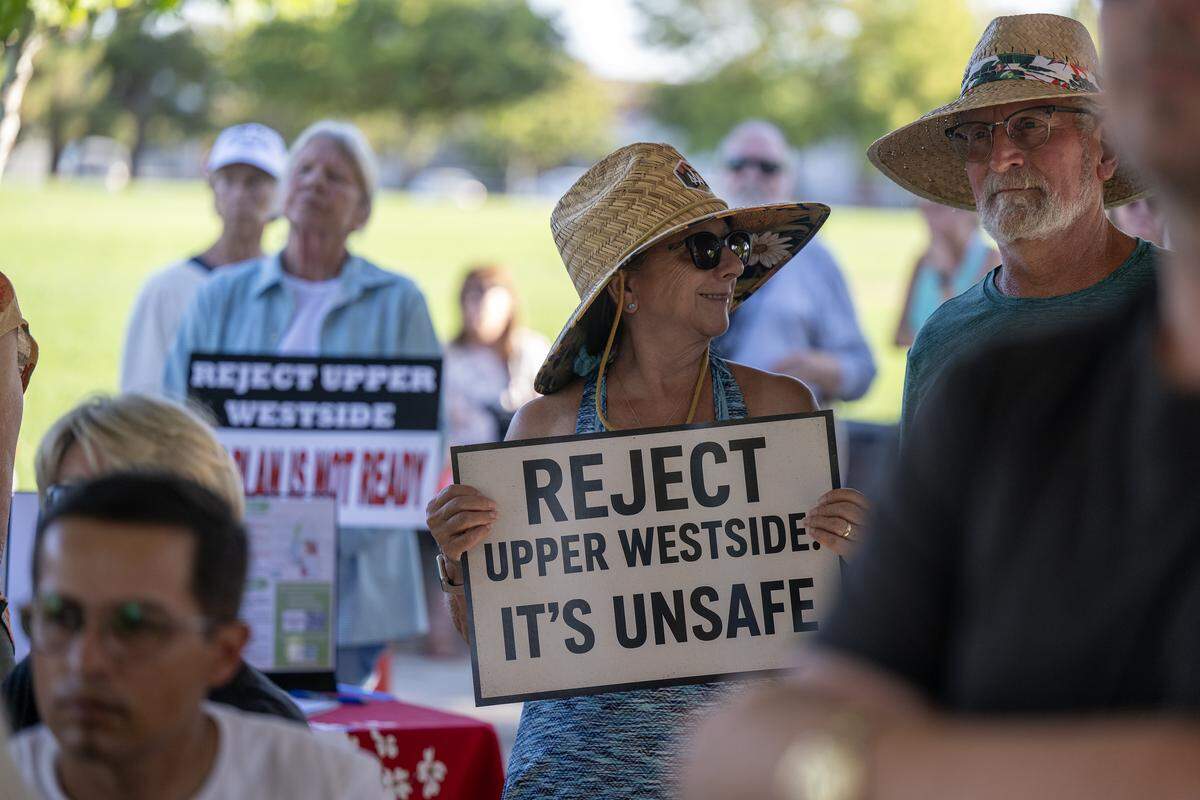
Sacramento County supervisors continue to weigh feedback on the proposal and county officials have not yet decided when a vote on the matter will take place, said Ken Casparis, a Sacramento County spokesperson.
Sutter County opposition
Sutter Pointe, envisioned by county officials and developers for more than 20 years, could bloom into a roughly 7,500-acre community of 17,500 homes at the southern tip of Sutter County, a rare swath of land ripe for development in a county otherwise besieged by floodplains that hamper opportunities to build.
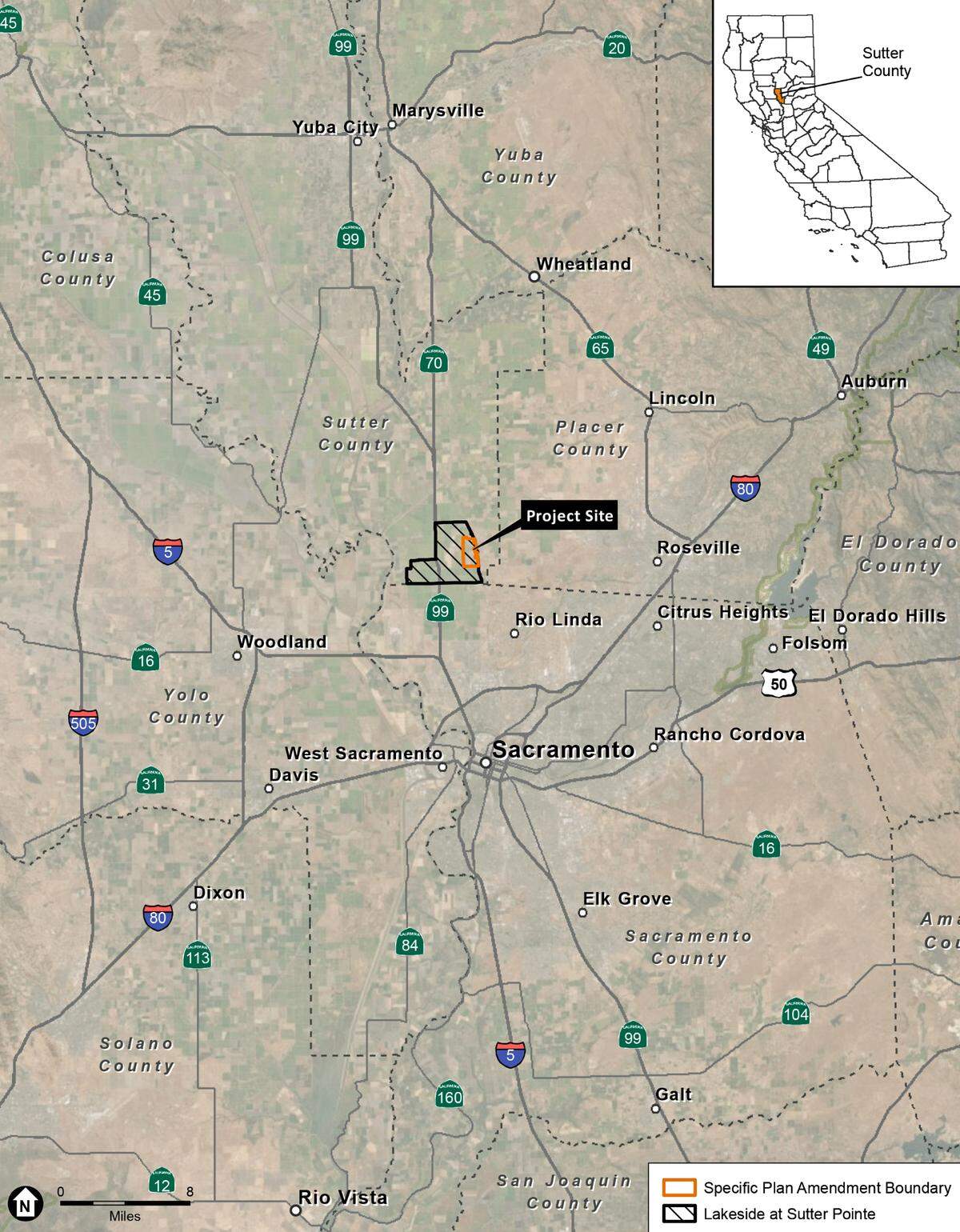
But moving forward with the Upper Westside project, and the other Sacramento County projects in the works, could threaten the amount of land Sutter County has available to develop while maintaining its terms of the conservation plan reached with Sacramento
That deal allows for the city and Sutter County to each develop a certain amount of land in the Natomas Basin, while effectively preserving a fixed ratio of land. Each acre of development must be offset by protecting an additional half-acre. The plan designates additional fees per acre, based on the size of the project, paid to acquire and preserve the land.
“The proposed Sacramento County developments are just so large that they would consume — utilize — a very high percentage of the available ag land within the Natomas Basin,” said Neal Hay, Sutter County development services director.
Sutter County’s objections to the Upper Westside project are similar to those of the Grandpark Trails and Grandpark Southwest plans, both of which are in earlier approval stages and have yet to stir as much public controversy.
The proposed developments could harm wildlife and habitat in the conservation area, threatening the long-term prospects of the conservation efforts in the Natomas Basin, according to Sutter County’s letter. Sacramento County’s neighbor to the north also claims that the projects violate California Environmental Quality Act requirements.
“We’re all concerned about development within the Natomas Basin and the long term operations of the Natomas Basin Conservancy,” Hay said.
The conservation plan serves multiple interests: It protects wildlife while brokering prearranged terms for developers facing state and federal environmental and land-use requirements. The longstanding guidelines may also accelerate the development process, or prevent builders from having to seek and negotiate one-off agreements for each project, Hay said.
Sacramento has developed and proportionally mitigated land throughout the years since the conservation deal was reached with the Natomas Basin Conservancy and Sutter County, the latter of which has spent the lifetime of the deal slowly making progress toward development at Sutter Pointe.
“Sacramento, their relative area within the Natomas Basin that they were set to develop, they have been developing on an annual basis with their developers,” Hay said. “So they have much less land to be developed, and therefore they have much less of a need for mitigation land.”
Developers with Winn Communities and Lennar builders have put in place roads, sewers and utility infrastructure for the first wave of construction at Sutter Pointe, phase one of a project called Lakeside at Sutter Pointe. Hay said that Sutter County supervisors will soon decide on documents approving 1,100 lots intended for homes deed-restricted to residents 55 and older.
“It’s expected that building permits will be issued by the first part of 2026 and homes would be ready for occupancy by summer of ’26, if not sooner,” Hay said.
The total Lakeside project totals about 850 acres, and has already mitigated land for its first phase of construction on about 360 acres.
It would likely have room in the Natomas Basin to see through its full project, but future developments of the 7,500-acre scope may have more challenges securing mitigation land.