Daylight saving ends soon in California. Here’s when it will start getting dark
Fall is finally here, which means Californians will soon gain an extra hour of sleep.
Now that autumn has officially arrived in California, it’s almost time to “fall back” and set our clocks and watches behind an hour.
When does daylight saving time officially end? How much daylight will we lose when the time change happens?
Here’s what you need to know:
When does daylight saving time end?
Daylight saving time ends across most of the United States on the first Sunday of November, according to Time and Date, an online world clock.
At 2 a.m. Sunday, Nov. 2, clocks in most of the country will move back by one hour, causing people to gain an hour of sleep that night.
Sunset will occur one hour earlier once the time shift takes place.
Californians will experience less daylight in the evenings and more light in the mornings.
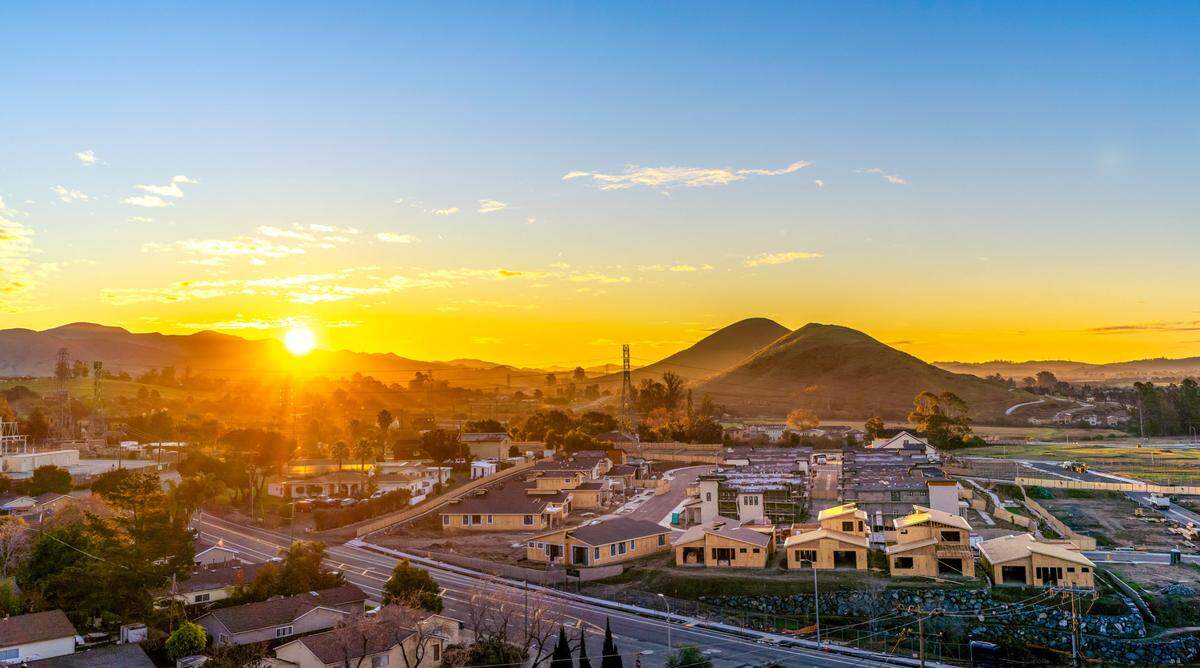
How early will it start getting dark in California?
After daylight saving time ends on Nov. 2, sunset will be at 5:04 p.m., according to Time and Date.
The shortest day of the year will be on Sunday, Dec. 21, the winter solstice.
That’s when the Northern Hemisphere is tilted away the sun, restricting the region from getting as much sunlight during the day, according to the Old Farmer’s Almanac.
The sun will rise at 7:20 a.m. and set at 4:48 p.m. on the winter solstice, according to Time and Date.
On that day, Californians will experience five hours and 24 minutes less daylight compared to the longest day of the year — the summer solstice, which will be on Sunday, June 21.
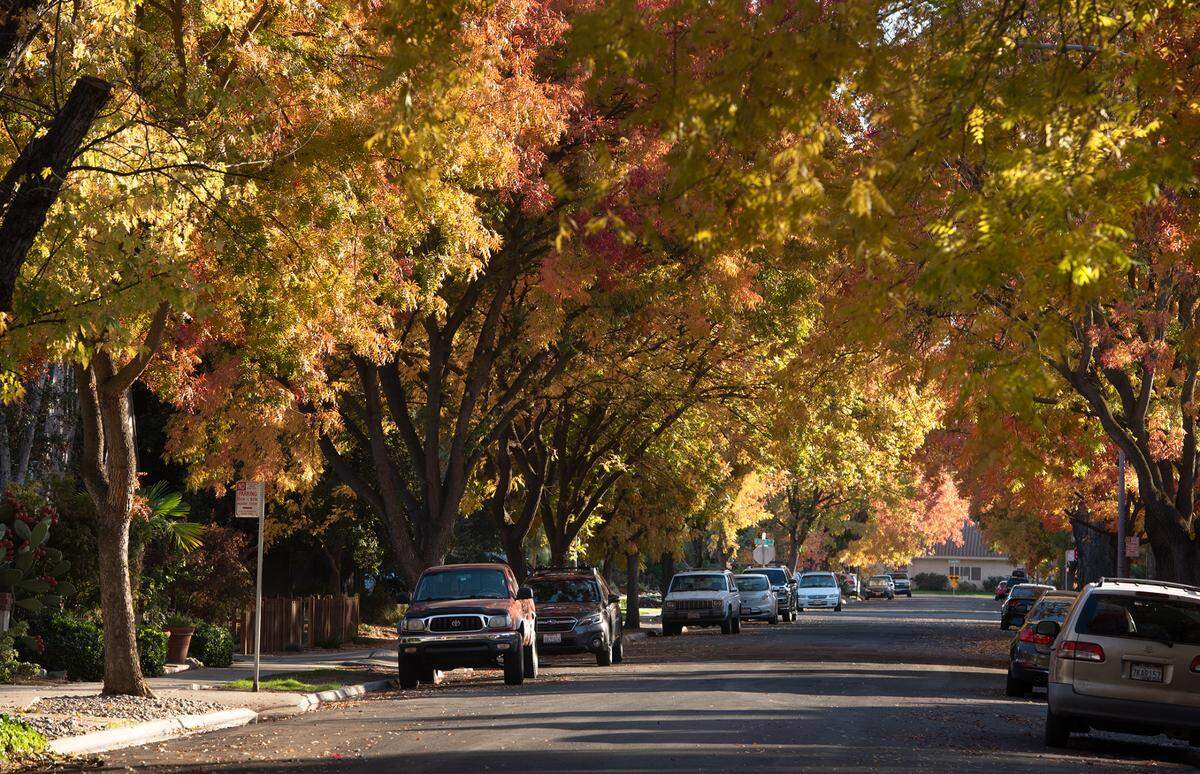
When did fall officially start?
The end of daylight saving time indicates that the fall season is upon us.
In 2025, the autumnal equinox occurred on Monday, Sept. 22. The equinox marks the first day of fall in the Northern Hemisphere, according to the Old Farmer’s Almanac.
During the fall equinox, the Northern Hemisphere and Southern Hemisphere receive roughly the same amount of sunlight since neither hemisphere is tilted more toward or away from the sun, the almanac said.
Does everyone observe daylight saving time?
Not all states in the United States follow daylight saving time.
The Uniform Time Act allows states to choose whether to participate in daylight saving time or stay in standard time all year. Currently, only Hawaii and most of Arizona observe permanent standard time.
However, California has made moves to abolish biannual clock changes.
The majority of Californians voted in 2018 to establish permanent, year-round standard time or permanent, year-round daylight saving time.
Proposition 7, or the Legislative Power to Change Daylight Saving Time Measure, received 59% of the vote in favor of the change.
Nearly seven years later, state lawmakers have yet to pass any legislation to shift California to permanent daylight saving or standard time.
The legislation would need a two-thirds vote in the California State Assembly and California State Senate, plus the governor’s signature.
Congressional action would also be required if the state wanted to make the change to daylight saving time all year long.
This story was originally published September 23, 2025 at 5:00 AM.