Sacramento courthouse immigration stops, some violent, detailed in legal filing
AI-generated summary reviewed by our newsroom.
- At least 39 immigrants arrested after Sacramento hearings since May 27, 2025.
- Witnesses report ICE agents using force and concealing identities during arrests.
- Court attendance plunged as fear of arrests disrupted access to legal services.
At least 39 people have been arrested after attending hearings in Sacramento immigration court since late May, some pulled weeping from family members and some violently thrown against walls by masked agents who did not identify themselves, a court filing obtained by The Sacramento Bee says.
The arrests began on May 27 with the detention of four immigrants who were seized in front of their families, and have led to a dramatic drop in the number of people attending their scheduled hearings in the Sacramento court, Nicole Zanardi, legal director of the California Immigration Project, said in a declaration filed in federal court Sept. 18.
Many of those arrested had already received authorization to work in the United States, had no criminal histories and had asylum cases pending, the declaration said.
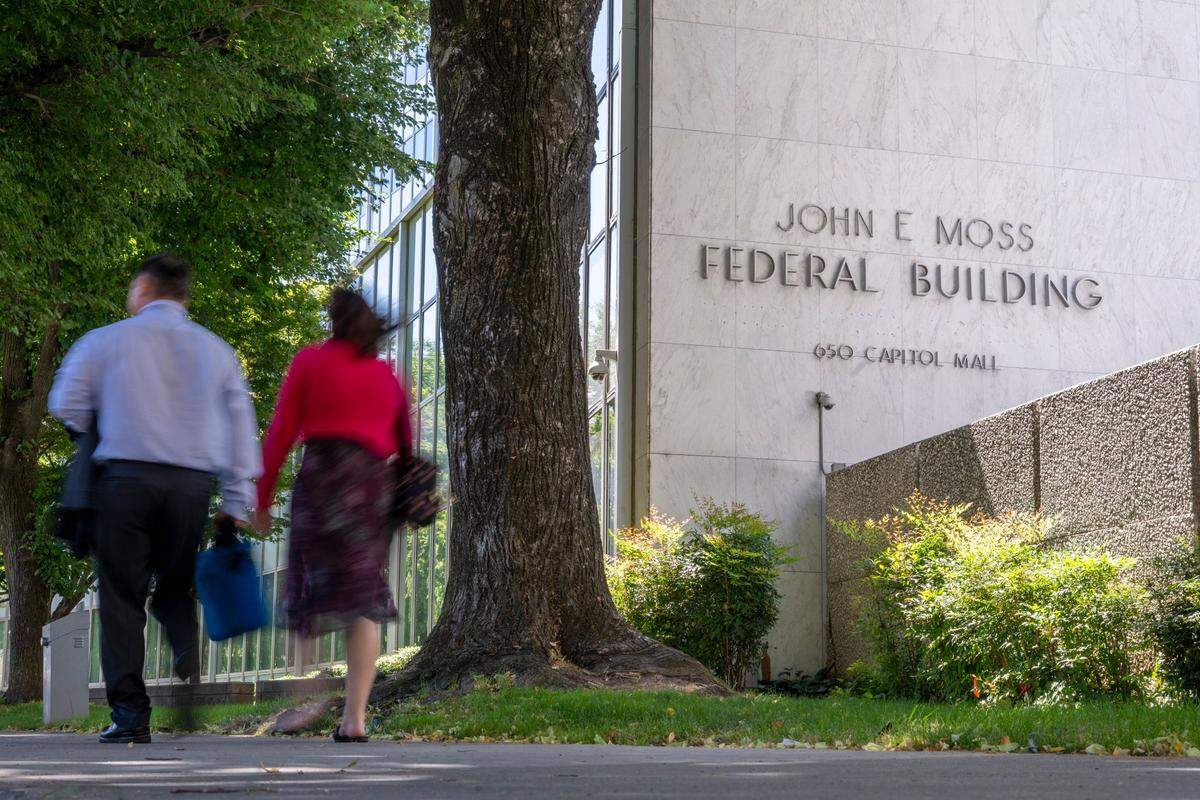
“ICE’s arrests can be quite violent,” Zanardi said in the declaration, referring to U.S. Immigration and Customs Enforcement, whose agents conduct the arrests at the John Moss Federal Building downtown. “ICE officers regularly throw people up against the wall while arresting them.”
Representatives of ICE did not respond to a request for comment about the case or the courthouse arrests.
Zanardi’s statement provides a glimpse into the way detentions have been conducted as well as the powerful degradation of trust in the system that has led up to two-thirds of immigrants scheduled for hearings to skip them in fear of arrest. It was made in support of a lawsuit filed in federal court in San Jose that challenges the courthouse arrests in San Francisco, Concord and Sacramento, as well as the conditions in the detention center where San Francisco detainees are held.
The arrests give immigrants whose cases are winding their way through the system an impossible choice, said Nisha Kashyap, racial justice program director for the Lawyers Committee for Civil Rights, which is representing some of the clients in the San Jose case.
“It’s turned our immigration court into a trap for our clients,” Kashyap said. “Do you come to court and risk getting arrested just for doing what the government asked you to, or do you miss your court date and get immediately ordered to be deported?”
The incidents detailed in the declaration were witnessed by volunteer and staff attorneys who work for the California Immigration Project’s “Attorney of the Day” project in Sacramento, which offers legal assistance to immigrants facing hearings on their status, Zanardi said. The declaration is a legal document under which making a false statement carries a perjury charge.
In one instance, witnessed by her staff, a Russian man left his hearing holding the hands of two women who had come to support him at his hearing, Zanardi said in the declaration.
“While arresting the man, ICE officers were screaming at him and shoved him and the two women into the wall,” Zanardi said. “The man was crying hysterically and the women were both injured.”
Her staff has witnessed government attorneys sending photographs of immigrants to ICE agents from inside the courtroom, during their hearings, Zanardi said. Outside the courtroom, the agents check their phones to examine the photographs of people they plan to arrest, she said.
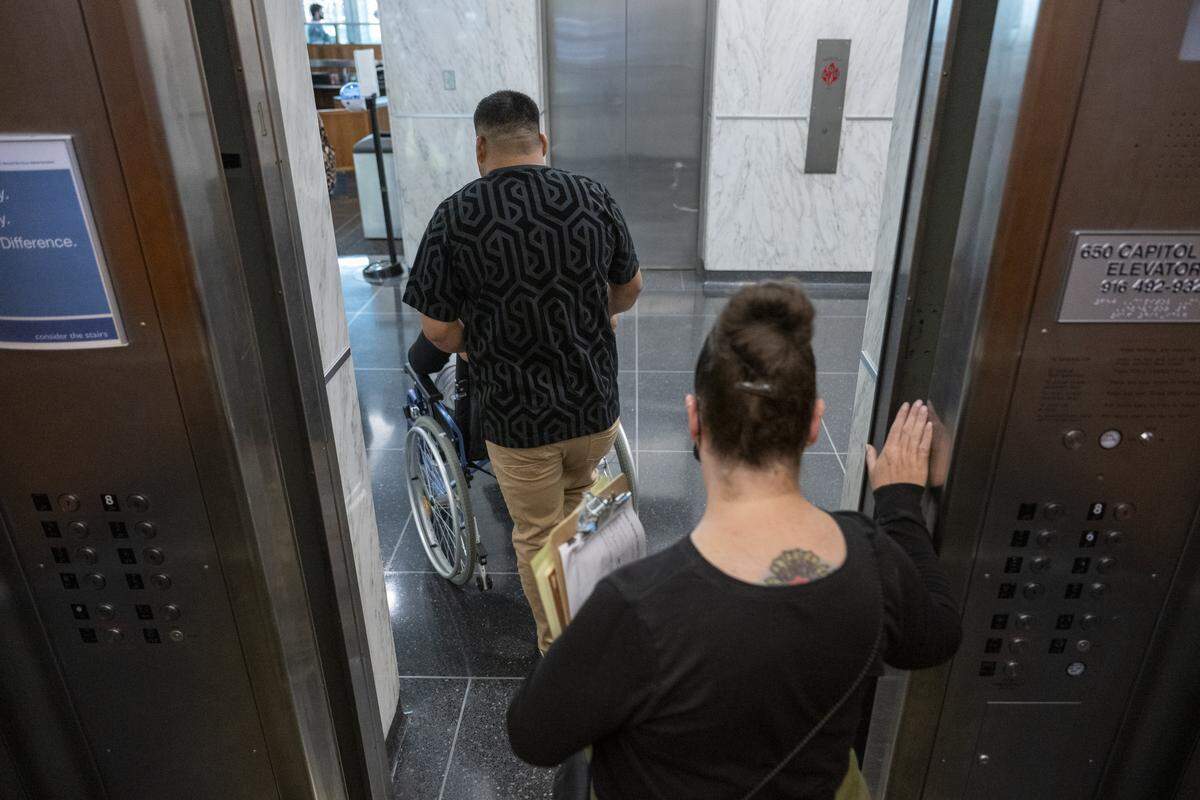
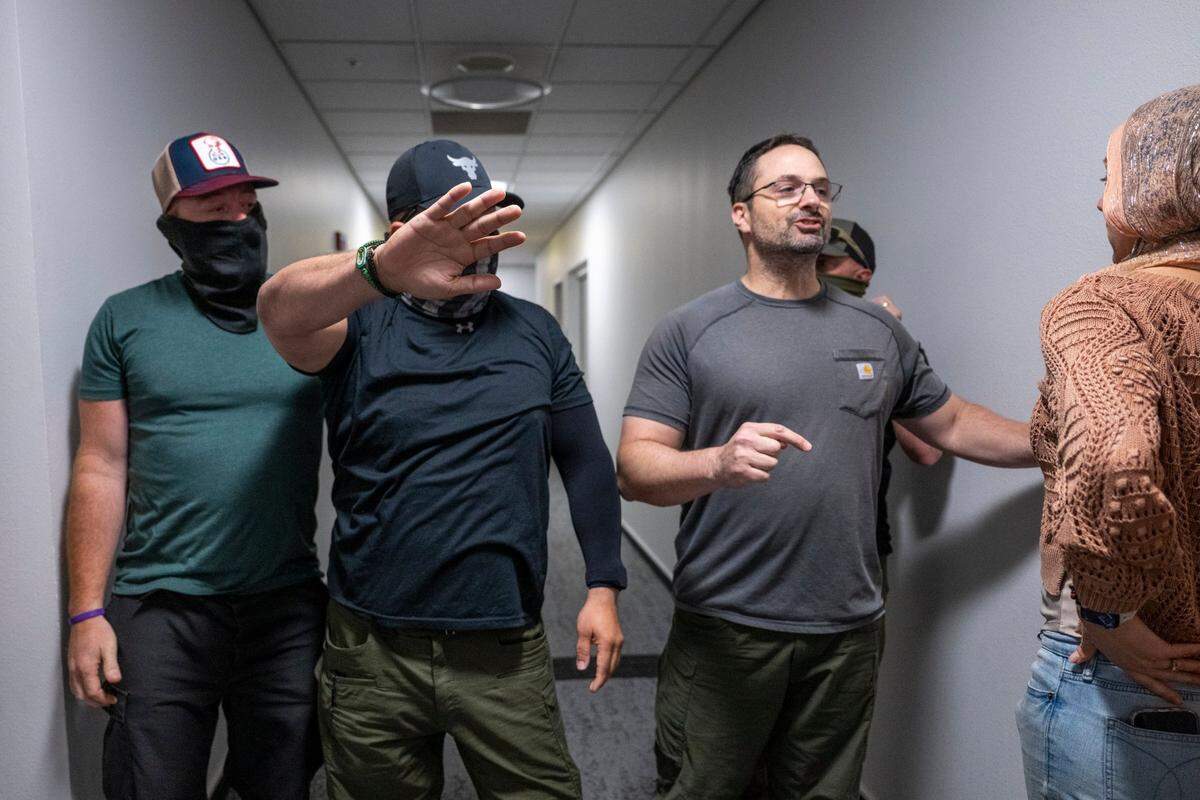
At times, she said, she and her staff have witnessed up to a dozen ICE officers waiting in the hallway to apprehend immigrants as they leave their hearings. Officers are also stationed in the elevators and on the first floor of the federal building, where they will have access to people entering and leaving.
“The ICE officers are usually masked, and they do not identify themselves before they arrest someone,” Zanaldi said. “They often do not say anything to the person being detained.”
Her volunteers and staff have witnessed the wrong person being arrested at least four times, Zanaldi said, before they were later released.
Less time with clients
The courthouse arrests have also forced the organization to change the way it works with clients, hindering its ability to provide legal services, Zanaldi said.
Before the detentions began in May, the group’s attorneys met with potential clients before their hearings, tailoring a strategy to help each person and sometimes offering referrals for other needs, she said.
But once the arrests began in earnest, the group turned its focus to trying to figure out which immigrants had been identified by government lawyers for arrests, leaving less time to meet with people before their hearings.
Now, she said, the group meets with people briefly after their hearings. In these short meetings, she said, the lawyers try to quickly get the names of loved ones to notify that the client has been detained. Sometimes they only have time to grab the person’s car keys so that a family member can move the vehicle after the owner has been taken away, Zanardi said.
Afraid to come to court
The arrests have led to a measurable drop in the number of people who are showing up for their immigration hearings, Zanaldi said. On average, she said, about 10 people per scheduled court session, or docket, have been absent over the past three months.
For example, on a recent day one judge had ten people scheduled for hearings, but only two or three of them appeared in court, Zanaldi said. Another calendar showed 70 people scheduled to come to court on a particular day, but only 30 to 40 attended their hearings, she said.
Ditching one’s immigration hearing was highly unusual before ICE began making the courthouse arrests, she said, because the penalty for being a no-show was to be immediately ordered to be deported.
“For years, we told our clients that immigration court was a safe place, but we can no longer say that,” Zanaldi said. “People are very scared to come to their immigration hearings, and also are scared to leave the court.”